

Introduction
Is the bathwater too hot, too cold, or just right? When it comes to bathing your precious newborn, getting the water temperature right isn’t just about comfort—it’s about safety. As a new parent, you might find yourself anxiously testing the water multiple times, worried about protecting your baby’s delicate skin. The baby bath temperature guide is one of the most crucial aspects of newborn care that many parents struggle with initially.
In this comprehensive guide, you’ll discover exactly how to achieve the perfect bath temperature for your little one, understand why it matters so much, and learn essential tips to make bath time both safe and enjoyable. From ideal temperature ranges to testing methods and bathing best practices, we’ve got everything you need to become confident in this important parenting skill.

- 【Lovely Styling】Digital baby bath thermometer, can be used as bath thermometer & bath toy & bedroom thermometer.Baby bath thermometer specially designed for babies and toddlers,The cute bath thermometer design is popular with babies and parents alike
- 【 Adjustable Temperature Display】 The buttons for easy adjustment of °C and °F are located underneath the Multi-function baby bath thermometer
- 【Visible Reminder Function】Red light(Exceeds set temperature) in case of high temperature, blue light(less than 89.6℉) in case of low temperature. Avoid new parents’ mistakes and make baby bathing safer by using a baby bath tub thermometer
- 【Safety baby essentials】Made from safe materials that are BPA free and tested for safety and reliability.Note the button cell batteries used in the thermometer.Seal it with a double waterproof ring and a screw
- 【Suitable For All Kinds Of Home Scenes】Not only for use in the bathtub, but also in the room.It is important to note that it needs to be dried after use.For instructions on how to set the baby thermometer read the instructions in the box
Understanding Baby Bath Temperature Guide – What Every Parent Should Know
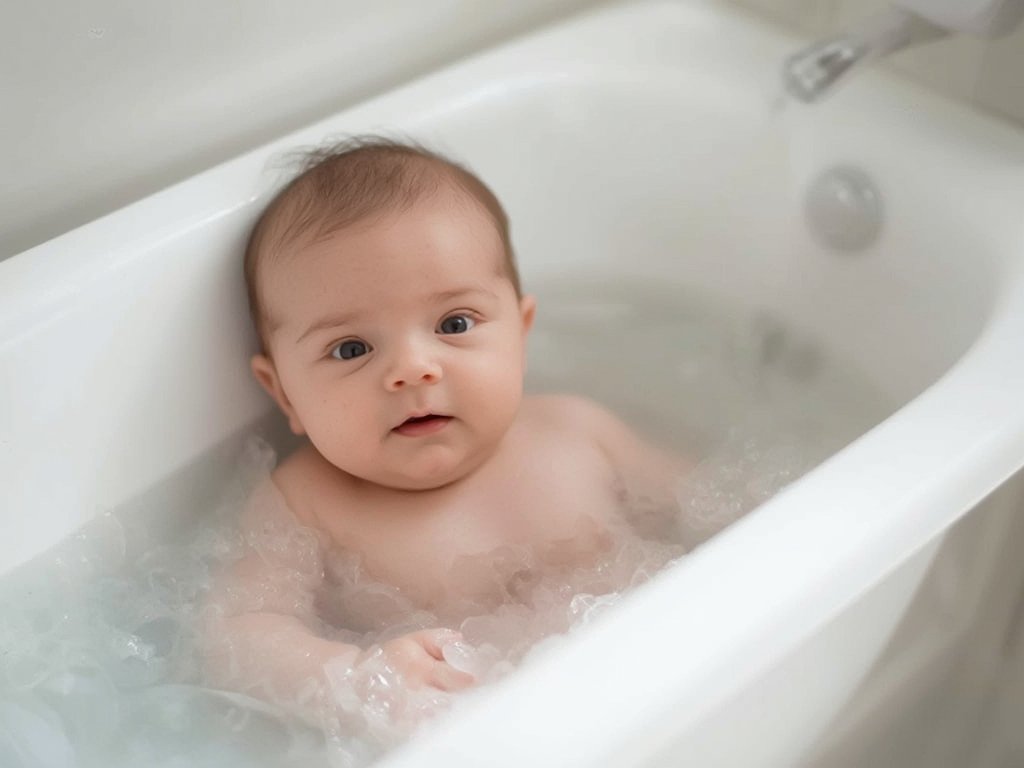
What is a Baby Bath Temperature Guide?
A baby bath temperature guide is a comprehensive set of recommendations and practices for ensuring the water used for bathing infants is at a safe and comfortable temperature. Unlike adults who can tolerate a wide range of water temperatures, babies have extremely sensitive skin that’s approximately 20-30% thinner than adult skin. This guide typically specifies that the ideal bath water temperature for infants should be between 98°F and 100°F (36.6°C to 37.8°C), which is close to body temperature and feels comfortably warm—never hot—to the touch.
The guide also includes methods for accurately testing water temperature, such as using bath thermometers, the elbow test (dipping your elbow into the water to check), and proper mixing techniques to eliminate hot spots. Following a proper baby bath temperature guide is fundamental to preventing burns, chills, and discomfort during what should be a nurturing, bonding experience.
Why Baby Bath Temperature Guide Matters for Your Baby’s Development
The temperature of your baby’s bath water plays a surprisingly significant role in their overall development and well-being. When bath water is properly regulated according to a baby bath temperature guide, it creates an environment that supports several developmental aspects:
- Neurological Comfort: Water at the right temperature helps babies remain calm and receptive during bath time, promoting positive neurological associations with hygiene routines.
- Skin Development: Appropriate water temperature preserves the natural oils in a baby’s skin, supporting the development of a healthy skin barrier.
- Temperature Regulation: Newborns cannot regulate their body temperature as efficiently as adults, making them vulnerable to both overheating and getting too cold.
- Stress Reduction: Comfortable bath temperatures reduce stress hormones, allowing bath time to become a soothing ritual rather than a distressing experience.
When bath water is too hot, it can cause painful burns and skin damage. If it’s too cold, it can lead to hypothermia, especially in newborns. Following established safe infant bathing temp protocols isn’t just about immediate comfort—it’s about protecting your baby’s developing systems and creating positive associations with self-care routines.
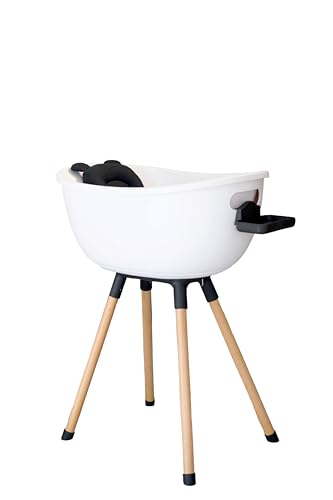
- VERSATILE DESIGN: Features three stages of use – newborn with inner bath and pillow, infant without inner bath, and toddler mode without stand for extended usability
- ERGONOMIC HEIGHT: Elevated stand with wooden legs reduces back strain for parents while bathing baby, providing comfortable access during bath time
- THOUGHTFUL FEATURES: Includes soft positioning pillow for head support, convenient built-in tray for bath essentials, and quick-drain hose system
- PREMIUM CONSTRUCTION: Durable outer tub with sturdy wooden legs creates a stable bathing station that combines modern style with functionality
- COMPLETE SET: Comes with outer bath, inner bath insert, midnight black babu pillow, drainage hose, and four wooden legs with stand assembly
Common Myths About Baby Bath Temperature Guide
Despite the importance of proper bath temperatures, several persistent myths continue to confuse new parents:
Myth 1: Babies need very warm baths to stay clean
Reality: Babies actually don’t get very dirty (except during diaper changes), and warm—not hot—water is perfectly adequate for cleaning. Hot water strips essential oils from your baby’s delicate skin.
Myth 2: You can accurately test bath temperature with your hand
Reality: The skin on your hands is likely desensitized to heat, making it an unreliable testing method. Your inner elbow or wrist, with thinner skin, provides a more accurate gauge, but a bath thermometer is always best.
Myth 3: Bath thermometers are unnecessary luxuries
Reality: Digital bath thermometers are relatively inexpensive safety tools that eliminate guesswork and provide peace of mind, especially for nervous new parents still learning about baby bath temperature guide practices.
Myth 4: All babies prefer the same water temperature
Reality: While the recommended range is fairly narrow (98-100°F), some babies may prefer the cooler or warmer end of that spectrum based on their individual comfort levels.
Myth 5: Adding cold water to hot will always create a safe temperature
Reality: Without thorough mixing, adding cold water to hot can create dangerous “hot spots” that might burn your baby even if other areas of the bath feel fine.
Essential Items & Supplies for Baby Bath Temperature Guide
Must-Have Products for Baby Bath Temperature Guide

- Coral Fleece ( Specific: 87% Polyester, 13% Polyamide )
- [The First to Pioneer Health Concept, Protecting Your Baby’s Growth] Momcozy baby towel for newborn comes with an innovative health indicator label that uses advanced tracking technology to monitor it’s health condition. It reminds you to wash and replace towels scientifically, providing a safe and healthy environment
- [Luxuriously Thick and Plush, Baby’s Bath Time Buddy] Made of premium coral fleece (specific: 87% polyester, 13% polyamide) and 500GSM thickness, hooded towels feel as soft as a cloud with a plush and fluffy texture for gentle on baby’s skin. It is softer and more comfortable than cotton bath towel with better warmth retention to effectively lock in heat. The combination of softness and warmth keeps baby cozy and warm after bath
- [6X Super Absorbency, Keep Baby Dry and Comfortable] The baby hooded towel (plush coral fleece material) is 6 times more absorbent than other towels. It quickly absorbs moisture from the baby’s skin while being breathable, protecting baby from dampness and staying warm and dry after each bath
- [Generous Wrap for Baby’s Adventurous Play] The large size of 28*55 inches (L x W) can easily wrap around newborn, toddler and kids in the most comfortable way. And secure snap buttons ensure bath towel stays in place, allowing baby play freely after bathing without getting cold. It also serves as a baby blanket, sleeping bag, cape or robe to provide warm hugs anytime, anywhere
- [A Perfect Gift for Little One ] At the special moment of baby’s birth, hooded baby towel is ideal gift for new parents or baby registry. It is soft, cute and practical, beautifully packaged to blend aesthetics with functionality, offering warm care for baby. And tip: machine wash or hand wash in cold water, quick-drying and durable
Following a proper baby bath temperature guide requires a few essential tools to ensure safety and comfort:
Digital Bath Thermometer: The most accurate way to verify water temperature is between the ideal 98-100°F range. Look for models with clear, easy-to-read displays and automatic alerts when water is too hot or too cold.
Baby Bathtub with Temperature Indicator: Many modern baby bathtubs feature built-in temperature indicators that change color when water is too hot, providing an additional safety check.
Faucet Cover: These soft covers protect your baby from accidental bumps against hard metal faucets and can sometimes include temperature gauges.
Anti-Scald Device: These can be installed on your bathroom faucet to prevent water from exceeding safe temperatures, which is essential for maintaining safe infant bathing temp.
Bath Thermometer Cards: These inexpensive adhesive cards stick to the bathtub and change color based on water temperature, offering a visual guide for safe bathing.
Mixing Bowl or Cup: A large plastic cup helps mix water thoroughly to eliminate hot spots before testing the final temperature.
Optional but Helpful Items
While not strictly necessary for following a baby bath temperature guide, these items can enhance safety and convenience:
- Floating Bath Toys with Temperature Sensors: These toys change color when water temperature exceeds safe levels while also entertaining your baby.
- Digital Room Thermometer: Helps ensure the bathroom environment is warm enough (around 75°F) before undressing your baby for their bath.
- Hooded Towel Warmer: Keeps towels warm for after-bath comfort, preventing chills when transitioning from warm water.
- Bath Spout Extender: Directs water flow into a more convenient position while providing a soft, protective cover over metal faucets.
- Non-Slip Bath Kneeler and Elbow Rest: Provides comfort for parents who need to kneel beside the tub while monitoring water temperature and bathing baby.
Budget-Friendly Alternatives
Not every parent can afford specialized equipment, but following a proper baby bath temperature guide is still possible with these budget-friendly alternatives:
- Elbow Test Method: Use the sensitive skin of your inner elbow to test water temperature—it should feel comfortably warm, never hot.
- Kitchen Food Thermometer: If you already own one, most food thermometers can double as bath thermometers in a pinch.
- Plastic Container: Instead of a specialized baby bathtub, a clean plastic storage container works well for newborn baths and makes temperature regulation easier than in a full-sized tub.
- Warm Bathroom: Turn on the heating 10-15 minutes before bath time to raise the ambient temperature, reducing the risk of chills.
- Hand Towel Over Faucet: Instead of a specialty faucet cover, a thick hand towel secured with a rubber band provides similar protection.
Guide to Baby Bath Temperature Guide

Preparation Steps
Before you begin bathing your little one, proper preparation ensures a safe and comfortable experience following the baby bath temperature guide:
Warm the bathroom: Set the room temperature to approximately 75-80°F (24-27°C) to prevent your baby from getting chilled when wet.
Gather all supplies: Collect everything you’ll need within arm’s reach before starting—baby wash, washcloths, towel, clean diaper, fresh clothes, and your bath thermometer.
Fill the tub properly: For newborns and young infants, fill the tub with only 2-3 inches (5-8 cm) of water. More water isn’t necessary and can increase risks.
Add warm water first: Start by adding warm water to the tub rather than hot water that needs cooling down. This reduces the risk of hot spots.
Mix thoroughly: After adding water, swirl it around several times to ensure even temperature distribution and eliminate any dangerous hot spots.
Test the temperature: Use a bath thermometer to verify the water is between 98-100°F (36.6-37.8°C) for optimal safe infant bathing temp.
Double-check with your elbow: Even with a thermometer, perform the elbow test by dipping your inner elbow into the water. It should feel pleasantly warm, never hot.

Implementation Process
Once your preparations are complete, follow these step-by-step instructions for a safe bathing experience:
Undress baby in the warm room: Remove your baby’s clothes except for the diaper (which you’ll remove last) to prevent chilling.
Do a final temperature check: Just before placing baby in the water, verify the temperature once more with your thermometer or elbow test.
Use the football hold: Support your baby’s head and neck with one arm (like carrying a football), using your other hand to wash them.
Lower baby gradually: Ease your baby into the water feet first, slowly lowering their body while continuously supporting their head and shoulders.
Keep checking water temperature: The water will cool during the bath. For longer baths, you may need to add small amounts of warm water to maintain proper temperature.
Limit bath time: Keep the first few baths under 5 minutes, gradually extending to 10-15 minutes as your baby grows and enjoys the experience more.
Monitor baby’s signals: Watch for signs of discomfort, including reddening skin (water too hot) or shivering/bluish lips (water too cold).
Lift out carefully: Use both hands to securely lift your baby from the water and immediately wrap them in a towel to maintain warmth.
Troubleshooting Common Issues
Even when following a baby bath temperature guide, you might encounter these challenges:
Problem: Baby seems uncomfortable or cries during bath
Solution: Check water temperature again—it may have cooled too much. Also ensure the room is warm enough and try keeping one warm washcloth over baby’s chest during washing to prevent chilling.
Problem: Water cools too quickly
Solution: Prepare a small container of additional warm water nearby to add as needed. Always test after adding more water, and never add hot water directly with baby in the tub.
Problem: Inconsistent temperature readings
Solution: Water might not be thoroughly mixed. Swirl the water more vigorously, then test again in different areas of the tub to ensure consistent temperature throughout.
Problem: Thermometer and elbow test give different results
Solution: Trust the thermometer for precision, but if the discrepancy is large, your thermometer might need replacing. When in doubt, err on the slightly cooler side.
Problem: Baby has sensitive skin that turns red easily
Solution: Try reducing the water temperature slightly to 97-98°F instead of 100°F, and limit bath time to prevent irritation.

- RUNS FROM BATHWATER: Draws water directly from the tub you’ve already filled and feeds it through the sprayer head, so rinsing keeps going without stopping to refill a cup.
- SITS ON TUB FLOOR: The battery-powered pump uses a suction base to hold to the bottom of the tub and feeds water through a long hose, no faucet attachment needed. Runs on four AA batteries.
- TWO PRESSURE SETTINGS: Switch between two water settings and turn the flow on or off right from the sprayer handle. Use a softer flow for soapy hair and a firmer setting for rinsing legs and feet.
- NEEDS A SMOOTH SPOT: Press the suction base onto a flat, smooth area of the tub floor. Ribbed or non-slip surfaces may not hold as securely. After use, let the hose drain and air-dry all parts.
- MADE FOR BATH TIME: Fridababy makes practical, parent-first solutions for everyday parenting. Includes the sprayer with suction pump base, plus a soft scrubber and scalp massager attachment.
Top 5 Benefits of Baby Bath Temperature Guide for Baby & Parents
Developmental & Health Benefits for Baby
Following a proper baby bath temperature guide offers numerous benefits for your little one:
Protects Delicate Skin: The correct water temperature preserves your baby’s skin barrier, preventing dryness, irritation, and potential burns that could cause lasting damage.
Supports Healthy Sleep Patterns: A properly temperatured bath can be part of a calming bedtime routine, signaling to your baby that it’s time to wind down, ultimately promoting better sleep habits.
Enhances Sensory Development: Water at the right temperature provides positive sensory input, helping your baby develop neural pathways related to temperature sensation and body awareness.
Prevents Stress Responses: When bath water is at a comfortable temperature, your baby’s body doesn’t trigger stress hormones, allowing them to enjoy and benefit from the experience.
Promotes Circulation: Warm (not hot) water gently stimulates blood flow to the skin and extremities, supporting your baby’s developing circulatory system without placing undue stress on their body.
Advantages for Parents
Parents also benefit substantially from following established safe infant bathing temp guidelines:
- Peace of Mind: Knowing you’re bathing your baby at a safe temperature reduces anxiety and helps you focus on enjoying the bonding experience.
- Easier Bath Times: When the temperature is correct, babies typically fuss less, making bath time more pleasant and manageable for parents.
- Confidence Building: Mastering proper bath temperature helps new parents build confidence in their caregiving abilities, creating a positive feedback loop.
- Established Routine: Following a consistent temperature guide helps establish predictable bath routines, making this caregiving task more efficient over time.
- Reduced Risk of Accidents: Proper temperature monitoring significantly decreases the risk of bathroom accidents, which can be emotionally traumatic for parents.
Long-Term Impact on Family Wellbeing
The benefits of following a baby bath temperature guide extend beyond immediate safety:
- Positive Bath Associations: Consistently comfortable baths help children develop positive associations with personal hygiene that can last a lifetime.
- Trust Building: Safe, comfortable bath experiences help build a foundation of trust between parent and child.
- Reduced Healthcare Costs: Preventing scalding accidents and hypothermia helps avoid potential emergency room visits and medical treatments.
- Parenting Skill Transfer: The attention to detail learned through proper bath temperature monitoring often transfers to other aspects of child safety.
- Lower Parental Stress: Established safety protocols reduce overall parental anxiety, contributing to a more relaxed home environment that benefits the entire family.
Expert Tips, Alternative Methods & Age-Specific Advice
Tips for Newborns (0-3 Months)
Newborns require special consideration when implementing a baby bath temperature guide:
- Sponge baths only until umbilical cord falls off: For the first 1-3 weeks, stick to gentle sponge baths at the recommended temperature.
- Lower water level: Use just 1-2 inches of water in the baby tub to minimize risks.
- Extra warmth precautions: Keep a warm, damp washcloth over parts of baby not being actively washed to prevent chilling.
- Temperature consistency: Newborns are extremely sensitive to temperature fluctuations, so maintain water temperature even more carefully than with older babies.
- Shorter baths: Limit newborn baths to 5 minutes maximum to prevent chilling and overtiring.
- Head support: Always use one hand to support their head and neck while using your other hand for washing.
Adjustments for Older Babies & Toddlers (3+ Months)
As your baby grows, your approach to bath temperature and safety evolves:
- Slightly wider temperature range: Older babies may tolerate temperatures between 97-101°F, but staying close to 100°F remains ideal.
- More water volume: You can increase water depth to 3-4 inches as babies gain better head control.
- Longer bath times: Extend baths to 10-15 minutes as babies begin to enjoy water play.
- Test toys too: Bath toys can retain hot water inside—always squeeze water out of toys and check their temperature.
- Teaching temperature awareness: Begin verbalizing concepts like “checking if it’s too hot” to set foundations for future safety awareness.
- Transitioning to larger tubs: When moving to the family bathtub, use a safe infant bathing temp mat and continue strict temperature monitoring.
Alternative Methods & Different Parenting Styles
Various parenting approaches offer alternative perspectives on implementing a baby bath temperature guide:
Co-bathing approach: Some parents prefer bathing with their babies. If following this method, adjust the water to 97-98°F—slightly cooler than the standard recommendation—as your body heat will help keep baby warm.
Montessori-inspired bathing: This approach emphasizes independence with safe parameters. Use shallower water in a wide basin that allows some movement while maintaining proper temperature monitoring.
Attachment parenting: This style emphasizes skin-to-skin contact, often combining co-bathing with temperature awareness through continuous physical contact.
Minimalist approach: Some parents prefer fewer bath products and accessories, relying primarily on the elbow test rather than thermometers. If choosing this route, practice the elbow test frequently to develop reliable temperature sensitivity.
Cultural traditions: Many cultures have specific bathing rituals with temperature variations. While honoring these traditions, ensure water temperature remains within the safe 97-100°F range, adjusting traditions as needed for safety.
Conclusion
Getting the baby bath temperature guide right is one of the most important aspects of infant care that directly impacts your baby’s comfort, safety, and overall bathing experience. By maintaining water temperature between 98-100°F (36.6-37.8°C), using proper testing methods, and following the preparation and implementation steps outlined in this guide, you’re providing your baby with a safe, nurturing experience that supports healthy development.
Remember that bath time is about more than just cleanliness—it’s a wonderful opportunity for bonding, sensory stimulation, and establishing positive hygiene routines that will last a lifetime. The effort you put into following a proper baby bath temperature guide not only protects your little one from potential temperature-related hazards but also contributes to making bath time a pleasant, stress-free ritual for both of you.
As your baby grows, you’ll become more confident in your ability to manage bath temperatures, and the process will become second nature. Until then, it’s perfectly normal—and responsible—to be meticulous about checking temperatures and following safety protocols. Trust your instincts, use the tools available to you, and enjoy these precious moments of splash and play with your little one.
Pin this baby bath temperature guide for future reference, and share your own bath time tips and experiences in the comments below!
FAQs
What is the exact temperature for a safe baby bath according to the baby bath temperature guide?
According to the baby bath temperature guide, the ideal bath water temperature for infants is between 98°F and 100°F (36.6°C to 37.8°C). This range is recommended because it closely matches your baby’s body temperature, ensuring they stay comfortably warm without risking burns or chilling. Water that feels pleasantly warm—but never hot—to your elbow or inner wrist is generally in this range.
For maximum safety, always use a reliable bath thermometer rather than guessing, as babies’ skin is much more sensitive than adult skin and can burn at temperatures that merely feel warm to adults. Remember that even within this safe range, individual babies may prefer the slightly cooler or warmer end of the spectrum, so pay attention to your baby’s comfort signals and adjust accordingly while staying within safe limits.
How can I test bath water temperature without a thermometer according to the baby bath temperature guide?
The baby bath temperature guide recommends using the “elbow method” as the most reliable non-thermometer testing approach. Dip your elbow or inner wrist (not your hand) into the water; it should feel comfortably warm but not hot. These areas have thinner skin similar to your baby’s sensitivity. Other methods include:
1) Testing water on the inside of your forearm, which should feel neutral or slightly warm, never hot;
2) Dipping your pinky finger in first, as it’s more sensitive than other fingers;
3) Placing the back of your hand against the water surface.
When using these manual methods, err on the side of caution with slightly cooler water rather than risking water that’s too hot. Remember, manual testing is subjective and not as reliable as using a proper bath thermometer, so consider it a backup method rather than your primary temperature control strategy.
How long should a baby bath last according to the baby bath temperature guide?
According to the baby bath temperature guide, optimal bath duration varies by age. For newborns up to 1 month, limit baths to 5 minutes maximum to prevent chilling, stress, and skin dryness. For babies 1-3 months old, 5-7 minutes is appropriate.
From 3-6 months, you can extend to 10 minutes as babies begin enjoying water more. After 6 months, 10-15 minutes is generally suitable as babies engage in more water play. However, always monitor the water temperature throughout longer baths, as it naturally cools over time and might need gentle warming by adding small amounts of warm water (with thorough mixing and re-testing).
Watch for signs that bath time should end sooner: fussiness, shivering, skin wrinkling, or redness. Remember that frequent long baths can dry out baby’s skin, so adjust frequency and duration based on your baby’s skin condition and enjoyment.
What are the dangers of incorrect bath temperature according to the baby bath temperature guide?
The baby bath temperature guide emphasizes that incorrect bath temperatures pose serious risks to infants. Water that’s too hot can cause scalding burns within seconds—even water at 120°F can cause third-degree burns in just 5 minutes on a baby’s delicate skin, which is 20-30% thinner than adult skin.
These burns can require hospitalization, cause permanent scarring, and in severe cases, be life-threatening. Conversely, water that’s too cold can rapidly lead to hypothermia in infants, who lose body heat much faster than adults. This can cause dangerous drops in body temperature, shivering, lethargy, and in extreme cases, affect heart function and breathing.
Beyond these acute dangers, consistently improper bath temperatures can create negative associations with bathing, disrupt parent-child bonding, cause unnecessary stress, and potentially lead to long-term bathing anxiety. Following proper temperature guidelines is not merely about comfort but critical safety.
How does room temperature affect baby bath safety according to the baby bath temperature guide?
According to the baby bath temperature guide, room temperature plays a crucial role in overall bath safety. The ideal bathroom temperature for bathing infants is between 75-80°F (24-27°C). This warmer-than-normal room temperature helps prevent your baby from getting chilled during the transition into and out of the water, as well as during the bathing process itself.
Babies lose body heat much faster than adults, especially when wet, making them vulnerable to rapid temperature drops. A cold bathroom can cause your baby to lose warmth even if the water temperature is perfect, potentially leading to chilling, discomfort, and resistance to future baths.
To prepare, close windows and doors 15-20 minutes before bath time, use a space heater if necessary (placed safely away from water), and consider a bathroom thermometer if your home has significant temperature variations. After the bath, immediately wrap your baby in a warm towel and move to a warm dressing area to maintain their body temperature.