Introduction
Are you planning a family road trip but feeling anxious about keeping your little one safe and happy during the journey? You’re not alone! About 92% of parents report feeling stressed before their first long drive with an infant. Finding the right baby car travel tips can transform a potentially stressful experience into a pleasant family adventure. Whether you’re preparing for a quick errand or an extended vacation, traveling with an infant requires careful planning and preparation.
This comprehensive guide will walk you through everything you need to know about safely and comfortably traveling with your baby by car. From essential safety equipment to clever hacks for keeping your little one entertained, we’ve got you covered with practical, parent-tested advice for successful road trips with baby. Let’s turn those potential meltdowns into memorable moments!
Understanding Baby Car Travel Tips – What Every Parent Should Know
What Are Baby Car Travel Tips?
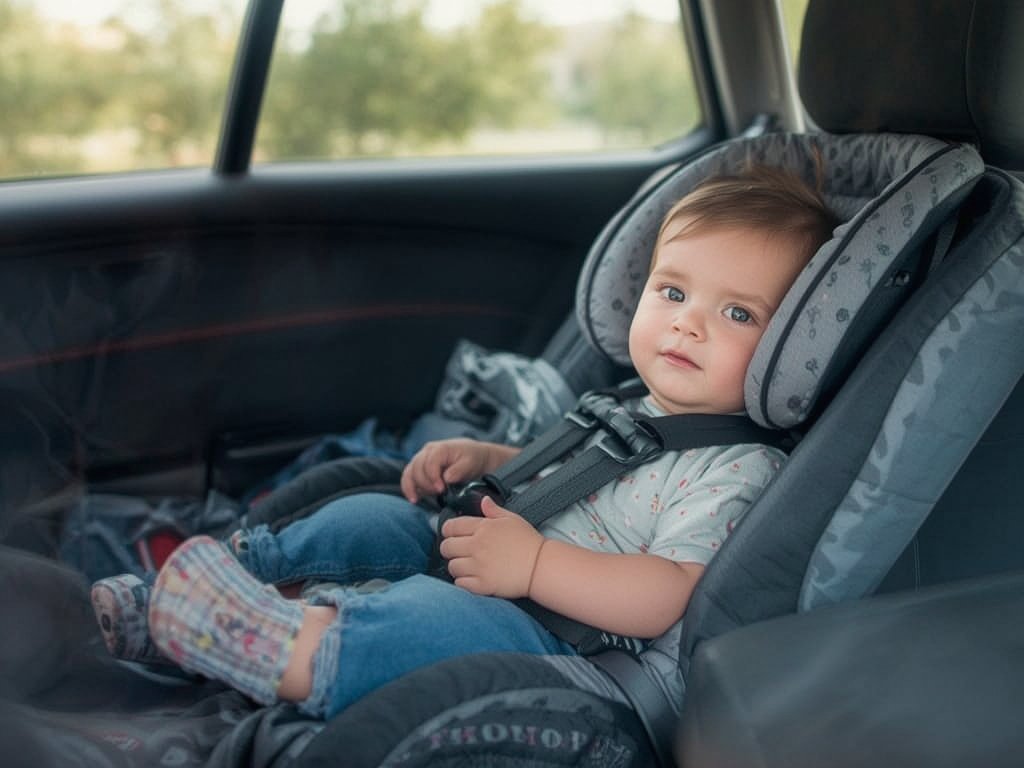
Baby car travel tips encompass all the strategies, products, and safety measures designed to make automobile journeys with infants safer, more comfortable, and less stressful. These tips include proper car seat installation and usage, optimal timing around your baby’s schedule, essential supplies to bring along, and techniques to keep your baby content during drives.
Unlike general parenting advice, these specific recommendations address the unique challenges of confined travel spaces, extended sitting periods, and maintaining your baby’s routine while on the move. The best baby car travel strategies balance safety requirements with practical solutions for feeding, diapering, sleeping, and entertaining your little one while navigating roads.

- COMPLETE TRAVEL ACTIVITY KIT: Traveling with little ones just got easier! This all-in-one bag includes perfectly curated…
- ORGANIZED STORAGE: Keep your little one’s entertainment neatly packed with this hanging bag designed for learning toys f…
- PERSONALIZATION: Each kit includes a customizable card that fits neatly into the clear front pocket. Let kids add their …
- N THIS KIT: This travel activity kit includes magnetic blocks, LCD writing pad to doodle and draw, finger “IN THIS KIT: …
- VALUE: Save time and money with these all-in-one done-for-you travel kits—no need to buy separate items or create your o…
Why Baby Car Travel Tips Matter for Your Baby’s Development
Implementing proper baby car travel tips is crucial for more than just convenience—it directly impacts your baby’s physical safety, emotional well-being, and developmental health. Correctly installed car seats reduce the risk of fatal injury by 71% for infants, while maintaining regular feeding and sleep schedules during travel helps preserve your baby’s developmental rhythms.
Additionally, thoughtful car travel planning can:
- Reduce stress hormones that can affect infant brain development
- Provide opportunities for sensory stimulation through changing scenery
- Support parent-child bonding during journey interactions
- Establish healthy travel habits that benefit your child long-term
Babies who experience comfortable, stress-free car journeys are also more likely to develop positive associations with travel, setting the foundation for future family adventures.
Common Myths About Baby Car Travel Tips
Many parents subscribe to misconceptions about traveling with babies that can lead to unnecessary stress or even safety risks. Let’s debunk some common myths:

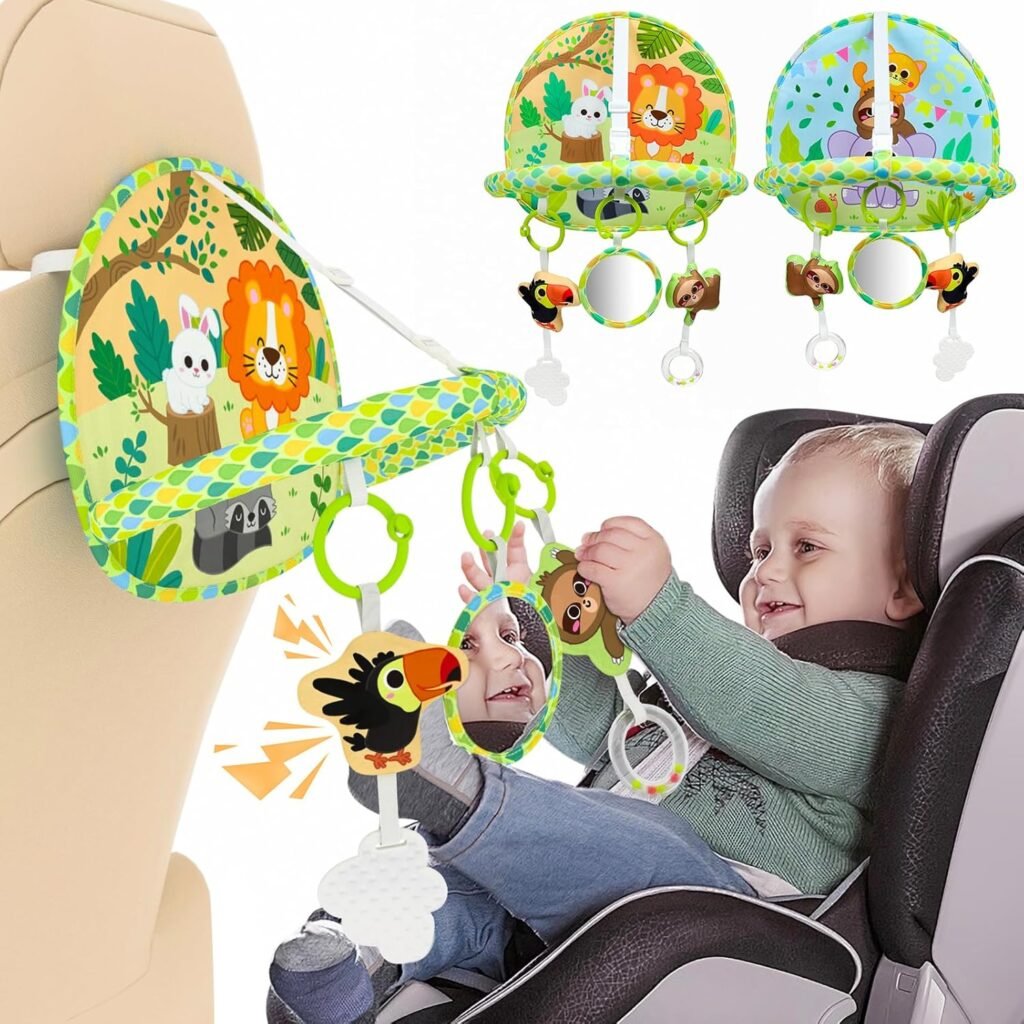
- Baby Car Seat Toy: Dr.Rapeti car seat toy is a sensory toy for rear facing car seat. The activity center provides entert…
- Double Sided Rear Facing Toy: Dr.Rapeti baby car seat toy is double sided, baby can play with it in both side. The trave…
- Entertainment for Journey: Baby is easily yell and cry in car because of bored and anxiety, which will distract driver a…
- Fine Motor Skills: Through the thickened pad kicking, sensory toy grabbing and rattle rolling, baby can develop fine mot…
- Gift Choice: Dr.Rapeti baby travel activity center is packaged in a delicate giftable box, which is an ideal gift for ba…
- This product is only suitable for seats with adjustable headrest rods. Please confirm compatibility before purchase.
Myth 1: “Babies should face forward as soon as possible.”
Reality: Infants should remain rear-facing until at least age 2, or until they reach the height/weight limit of their rear-facing seat. This position provides crucial protection for their developing neck and spine.
Myth 2: “You shouldn’t stop during long trips.”
Reality: Regular stops every 1-2 hours are essential for babies. They need breaks from the car seat to prevent potential breathing issues and allow for proper circulation.
Myth 3: “Babies will sleep through most car rides.”
Reality: While some babies do sleep well in cars, many become overstimulated or uncomfortable. Don’t plan trips assuming your baby will sleep the entire time.
Myth 4: “Car seats expire just to make you buy new ones.”
Reality: Car seats genuinely expire (typically 6-10 years after manufacture) because materials degrade over time, compromising safety performance.
Essential Items & Supplies for Baby Car Travel Tips
Must-Have Products for Baby Car Travel Tips
When preparing for car journeys with your little one, certain items are non-negotiable for safety and comfort. Here’s what every parent needs:
Properly-sized car seat – The cornerstone of safe baby car travel tips. Ensure it’s appropriate for your baby’s age, weight, and height.
Sun shade – Protects sensitive skin from harmful UV rays and helps regulate temperature.
Car seat mirror – Allows you to monitor rear-facing infants while driving.
Window shades – Reduces glare and helps create a better sleeping environment.
First aid kit – Should include baby-specific items like infant fever reducer, diaper rash cream, and nasal aspirator.
Diaper changing kit – Portable changing pad, diapers, wipes, and disposal bags for on-the-go changes.
Portable bottle warmer – Essential for formula-fed babies during longer trips.
Travel sound machine – Helps maintain sleep routines and masks disruptive road noise.
Optional but Helpful Items
While not absolutely essential, these items can significantly improve your road trips with baby:
- Backseat organizer – Keeps supplies within reach and maintains vehicle organization
- Portable travel bassinet – Provides a safe sleep space at destinations
- Cooler bag – Stores breastmilk, formula, or baby food at proper temperatures
- Car seat protector mat – Prevents damage to vehicle upholstery from car seat pressure
- Baby-safe travel toys – Soft, attachable toys that won’t become projectiles if you brake suddenly
- Neck support pillow – Prevents head slumping for better comfort during longer drives
- Backseat entertainment system – For older babies who benefit from visual stimulation
- White noise app – Alternative to a dedicated sound machine that uses your phone
Budget-Friendly Alternatives
You don’t need to break the bank to implement effective baby car travel tips. Here are cost-effective solutions:
| Premium Item | Budget Alternative | Approximate Savings |
|---|---|---|
| Window shades ($15-25) | DIY with dark cloth and suction cups | $10-20 |
| Car seat mirror ($20-35) | Basic model without lights/music | $10-25 |
| Bottle warmer ($30-50) | Thermos with hot water | $20-40 |
| Travel sound machine ($25-45) | Free white noise app | $25-45 |
| Backseat organizer ($25-40) | Repurposed shower caddy | $15-30 |
| Travel bassinet ($50-100) | Pack existing bassinet | $50-100 |
Remember: While you can save on convenience items, never compromise on car seat quality or safety features.
Guide to Baby Car Travel Tips
Preparation Steps
Before hitting the road with your little one, thorough preparation is key to implementing effective baby car travel tips:
Schedule strategically: Plan departure times around your baby’s natural sleep schedule. Many parents find leaving right before nap time works best.
Car seat check: Have your car seat installation professionally inspected. Approximately 46% of car seats are installed incorrectly, compromising safety.
Pack methodically: Organize supplies based on frequency of use:
- Immediate access items (diapers, wipes, pacifiers)
- Regular access items (bottles, snacks, toys)
- Destination items (portable crib, additional clothing)
Vehicle maintenance: Complete a pre-trip inspection focusing on:
- Tire pressure and tread
- Oil and fluid levels
- Brake function
- Air conditioning/heating system
Route planning: Map out your journey with baby-friendly considerations:
- Rest stops every 1-2 hours
- Emergency medical facilities along route
- Quiet areas for feeding breaks
Trial run: For first-time parents or before long journeys, conduct a shorter practice trip to identify potential issues or forgotten supplies.

- The inflatable bed for airplane kids is designed for traveling with baby ,for your child a comfortable sleeping or playi…
- The size of the airplane bed for toddler is designed to fit most airplane seats,has double pillows, butterfly side wall …
- Baby airplane bed inflatable is made of soft plush fabric and sturdy Polyester. The skin-friendly flocking will help yo…
Implementation Process
Follow these step-by-step instructions to ensure smooth road trips with baby:
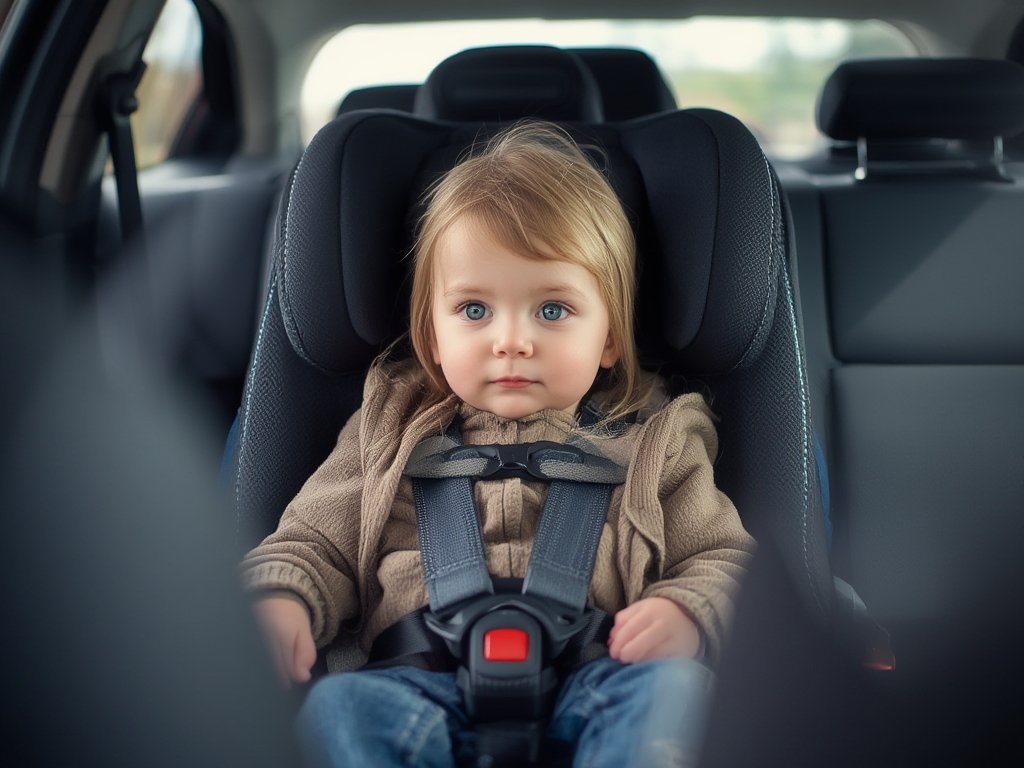
Dress baby appropriately: Choose layered clothing that’s easy to adjust for temperature changes. Avoid bulky outerwear in car seats as it compromises safety.
Secure baby correctly: Follow the “pinch test” for harness tightness—you shouldn’t be able to pinch excess strap material at the shoulder.
Create a comfortable environment:
- Set temperature between 68-72°F (20-22°C)
- Install window shades to block direct sunlight
- Position mirrors to see baby while driving
Establish a travel routine:
- Feed baby 30 minutes before departure
- Change diaper immediately before placing in car seat
- Start white noise or gentle music as you buckle baby in
Plan strategic stops:
- Every 1-2 hours, remove baby from car seat
- Allow 15-20 minutes of stretching/movement
- Change diaper and feed if needed
- Reset with soothing techniques before continuing
Monitor consistently:
- Check baby’s comfort level regularly
- Watch for signs of overheating or distress
- Adjust environment as needed
Troubleshooting Common Issues
Even with perfect planning, challenges may arise. Here are solutions for common problems when implementing baby car travel tips:
Problem: Baby cries continuously in the car seat
Solution:
- Check for physical discomfort (straps too tight, uncomfortable temperature)
- Try a pacifier or favorite toy
- Have someone sit beside baby if possible
- Pull over safely, remove from seat briefly to calm, then continue
Problem: Baby overheats or gets too cold
Solution:
- Use the back of your neck to gauge temperature (don’t trust hands)
- Adjust layers rather than car temperature when possible
- Keep a light blanket accessible for quick temperature adjustments
- Consider a car seat cover designed for temperature regulation
Problem: Baby gets hungry off-schedule during travel
Solution:
- For breastfed babies, plan to stop in a safe location for feeding
- For bottle-fed babies, prepare travel bottles in advance
- Keep feeding supplies accessible, not packed away
- Consider having a pre-measured formula dispenser for quick preparation
Problem: Diaper blowouts or spit-up accidents
Solution:
- Place a waterproof pad under baby in the car seat
- Pack extra car seat cover if available
- Bring cleaning supplies (wipes, spray, towels) for quick cleanup
- Have a complete change of clothes easily accessible
Top 5 Benefits of Baby Car Travel Tips for Baby & Parents
Developmental & Health Benefits for Baby
Implementing proper baby car travel tips offers significant advantages for your little one’s overall well-being:
Enhanced Safety: Correctly installed car seats reduce fatal injuries by 71% for infants and 54% for toddlers. Following safety guidelines helps protect developing bodies and brains from injury during travel.
Maintained Sleep Patterns: Strategic travel planning around nap schedules helps preserve your baby’s sleep rhythm. Consistent sleep supports cognitive development and emotional regulation.
Reduced Motion Sickness: Proper positioning and feeding timing can minimize vestibular disruption. Babies with less motion sickness experience more comfortable journeys and develop healthier associations with travel.
Sensory Stimulation: Brief, well-planned car trips provide valuable visual stimulation through changing scenery. This gentle exposure to new environments supports neural pathway development.
Temperature Regulation: Appropriate car seat accessories and climate control protect babies from overheating or chilling. Maintaining optimal temperature supports healthy physiological functioning and comfort.
Advantages for Parents
The benefits of mastering road trips with baby extend to parents as well:
Reduced Stress: Prepared parents with well-organized travel systems experience 65% less stress during journeys.
Increased Confidence: Successfully navigating car travel builds parental self-assurance that transfers to other challenging situations.
Greater Mobility: Parents who implement effective car travel strategies maintain more active lifestyles and social connections.
Improved Safety Focus: Parents practicing good car travel habits report higher awareness of overall safety considerations.
Enhanced Planning Skills: The organizational skills developed for baby travel often improve general family logistics.
Long-Term Impact on Family Wellbeing
The habits formed through implementing baby car travel tips create lasting positive effects:
Family Exploration: Families comfortable with baby travel tend to maintain active exploration habits as children grow.
Adaptable Children: Babies who experience varied environments through safe travel often develop greater adaptability.
Connected Extended Families: Successful travel strategies enable more frequent visits with relatives, strengthening family bonds.
Positive Travel Associations: Babies who experience comfortable journeys typically develop into children who enjoy family trips.
Shared Memories: Early positive travel experiences form the foundation of treasured family stories and traditions.
Expert Tips, Alternative Methods & Age-Specific Advice
Tips for Newborns (0-3 Months)
Newborns require special considerations when implementing baby car travel tips:
- Limit journey length: Keep trips under 90 minutes when possible; newborns should not remain in car seats for extended periods
- Monitor breathing: Use a car seat designed for newborns with proper head support and positioning
- Create womb-like environment: Use gentle white noise and snug (but safe) side supports
- Temperature management: Dress in layers rather than bulky clothes, check frequently for overheating
- Plan for frequent feeding stops: Newborns typically feed every 2-3 hours
- Consider car seat attachments: Look for models compatible with your stroller for seamless transfers
For premature babies, consult your pediatrician about car seat testing and possible modifications like special inserts designed for preemies.
Adjustments for Older Babies & Toddlers (3+ Months)
As your baby grows, your road trips with baby strategies should evolve:
3-6 months:
- Introduce interactive toys that attach to car seat
- Begin establishing car routines with specific songs or sounds
- Consider longer trips as baby’s neck strength improves
- Introduce travel during awake periods for stimulation
6-12 months:
- Add snacks for longer journeys (for eating under supervision)
- Install baby-safe mirrors for self-entertainment
- Consider soft books or simple touch toys
- Prepare for increased mobility and potential resistance to being restrained
12+ months:
- Implement regular movement breaks for toddlers
- Provide toys that encourage independent play
- Consider tablet or screen options for longer trips (in moderation)
- Begin involving toddlers in simple travel games
Alternative Methods & Different Parenting Styles
Baby car travel tips can be adapted to align with various parenting philosophies:
Attachment Parenting Approach:
- Consider having a non-driving adult sit next to baby when possible
- Use stops for physical connection and reassurance
- Choose calming music that promotes bonding
- Prioritize responding to baby’s cues over strict schedules
Montessori-Inspired Travel:
- Select simple, natural toys for car entertainment
- Create a consistent, uncluttered car environment
- Use travel for gentle introduction to new sensory experiences
- Encourage observation and interaction with changing environments
Minimalist Parenting:
- Focus on multipurpose travel gear
- Simplify packing with carefully selected essentials
- Embrace flexible schedules and adaptability
- Prioritize experiences over accumulating travel products
Conclusion
Mastering baby car travel tips transforms what could be stressful journeys into opportunities for family connection and exploration. By focusing on safety fundamentals like proper car seat installation, strategic journey planning, and age-appropriate comfort measures, you can create positive travel experiences for even the youngest passengers.
Remember that successful baby car travel tips involve preparation, flexibility, and patience. Start with shorter trips to build your confidence and your baby’s tolerance, then gradually extend your adventures as you both become more comfortable with the process.
The effort you invest in developing good car travel habits now will pay dividends throughout your parenting journey. Not only will you ensure your baby’s safety and comfort, but you’ll also foster a love of exploration that can become a cherished family tradition.
Ready to implement these baby car travel tips for your next journey? Start by creating your personalized car travel checklist and scheduling a car seat safety check with a certified technician. Your future family adventures await!
Share your favorite baby car travel hacks in the comments below! Did we miss any strategies that worked well for your family? Pin this guide for future reference when planning your next road trip with your little one!
FAQs
How long can a baby safely remain in a car seat during travel?
Infants and young babies should not remain in car seats for more than 2 hours at a stretch, according to pediatric safety guidelines associated with baby car travel tips. The semi-reclined position of car seats, while essential for crash protection, can potentially restrict a baby’s airway if they’re left in this position for extended periods.
Extended car seat time has been linked to oxygen desaturation concerns and potential breathing difficulties, particularly in newborns and premature infants. Plan to stop every 1-2 hours during long journeys to remove your baby from the car seat, allowing them to stretch, change positions, and get relief from the restricted posture.
These breaks are ideal opportunities for diaper changes, feeding, and physical contact. For unavoidable long journeys, consider having an adult sit beside the baby to monitor breathing and positioning, and use a car seat specifically tested for extended use when possible.
What are the safest car seat installation practices for infants?
Implementing safe baby car travel tips begins with proper car seat installation. Infants should always travel in rear-facing car seats until they’re at least 2 years old or have reached the maximum height and weight limits specified by the manufacturer. The car seat should be secured using either the LATCH system (Lower Anchors and Tethers for Children) or the vehicle’s seat belt—but never both simultaneously unless specifically permitted by the manufacturer.
Once installed, the car seat should move less than one inch when tested at the belt path. The rear-facing angle should be reclined according to manufacturer guidelines (usually between 30-45 degrees) to keep the baby’s airway open while providing crash protection.
Always position infant car seats in the back seat—preferably in the middle position, which is farthest from potential impact zones. Have your installation checked by a certified Child Passenger Safety Technician, as research shows approximately 46% of car seats are installed incorrectly, compromising their effectiveness.
What items should I pack in my baby’s car travel essentials bag?
When implementing baby car travel tips, your essentials bag should include items for all common scenarios. Pack a changing kit with diapers (one for each hour of travel plus extras), wipes, changing pad, diaper cream, and disposal bags. For feeding, include pre-measured formula containers or expressed breast milk in insulated storage, bottles, cleaning supplies, and burp cloths. Comfort items should feature pacifiers (with clips), a favorite blanket, 2-3 small toys, and a white noise machine or app.
Include clothing essentials like one complete change of clothes per 4 hours of travel, weather-appropriate accessories, and layering options. Your health and safety supplies should contain infant fever reducer, gas relief drops, baby-safe sunscreen, first aid supplies, hand sanitizer, and a digital thermometer.
For overnight trips, add sleep essentials like portable blackout blinds, familiar bedding items, and a travel sound machine. Keep this bag within arm’s reach rather than in the trunk, and organize items by category in clear, labeled containers for easy access during stops.
How can I keep my baby entertained during long car rides?
Keeping babies engaged is a crucial aspect of successful baby car travel tips, especially for longer journeys. For newborns and young infants (0-6 months), focus on sensory stimulation with high-contrast cards positioned where they can see them, lightweight toys that attach safely to the car seat, and musical mobiles designed for travel. Play soothing music or white noise, and use mirrored surfaces that allow them to see themselves.
For older babies (6-12 months), introduce toys with different textures, sounds, and movable parts that attach to the car seat. Soft fabric books, puppet-style toys, and toys with buttons or simple cause-and-effect features work well. Consider voice-activated toys that respond to baby’s sounds. For toddlers (12+ months), prepare a small selection of new or novel toys introduced one at a time throughout the journey.
Use magnetic travel games, mess-free coloring boards, and simple interactive books. Sing interactive songs with hand movements, play age-appropriate audio stories, and consider brief screen time with educational content for trips exceeding two hours.
What should I do if my baby hates the car seat and cries throughout the journey?
Many parents struggle with car seat resistance when implementing baby car travel tips. First, rule out physical discomfort by checking that harness straps aren’t pinching, the car seat angle is appropriate, and clothing isn’t bunched uncomfortably. Ensure the temperature is comfortable and no direct sunlight is hitting the baby. Try gradual acclimation by practicing short trips of 5-10 minutes before attempting longer journeys.
Use consistent pre-car routines that include comforting rituals, and maintain a calm demeanor—babies often sense and mirror parental anxiety. Introduce comfort objects like pacifiers or security blankets, and use white noise to mask unfamiliar road sounds. If possible, have someone sit beside the baby during initial training trips to provide reassurance. For severe cases, consult your pediatrician to rule out medical issues like reflux or motion sickness.
Consider timing trips during natural sleep periods, and if crying persists, safely pull over every 15-20 minutes initially to briefly remove the baby from the seat, provide comfort, and then continue. With consistent application of these techniques, most babies gradually adapt to car travel, though the process may take several weeks of regular practice.