This post may contain Affiliate links. If you buy anything via the link, I will earn a small commission without any effect on your payment. Thank you for your support.
Introduction
Does your heart race at the thought of trimming your baby’s tiny, paper-thin nails? You’re not alone. Many parents feel overwhelming anxiety when facing those miniature fingernails with clippers in hand. Baby nail care tips are among the most searched parenting topics for good reason—those tiny nails grow surprisingly fast and can easily scratch your baby’s delicate skin. While the task may seem daunting, mastering safe nail care is an essential skill every parent needs to learn.
In this comprehensive guide, we’ll walk you through everything you need to know about caring for your baby’s nails—from essential tools and techniques to common mistakes and age-specific recommendations. By the end, you’ll approach this necessary task with confidence rather than fear. Let’s transform this anxiety-inducing chore into a simple part of your baby care routine.
Understanding Baby Nail Care Tips – What Every Parent Should Know
What is Baby Nail Care Tips?
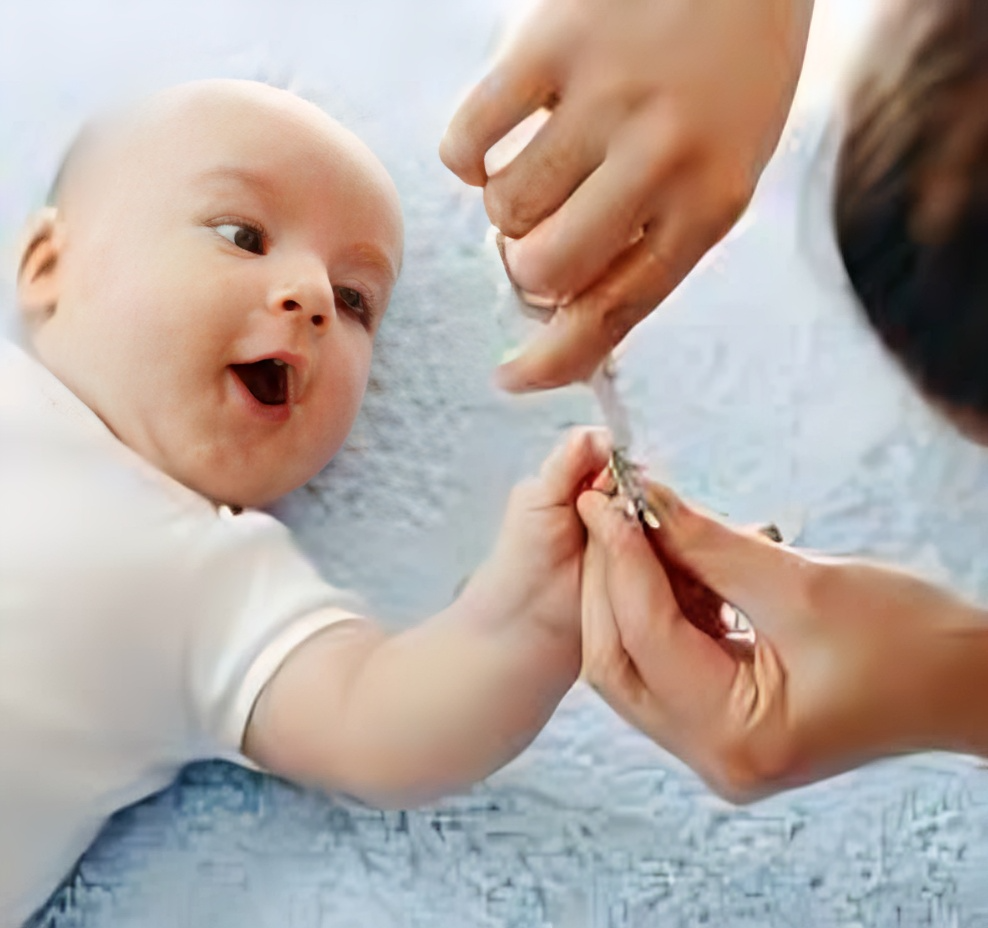
Baby nail care tips encompass the methods, tools, and best practices for maintaining your infant’s fingernails and toenails. Unlike adult nails, baby nails are remarkably thin, flexible, and grow at an astonishingly fast rate—sometimes requiring attention multiple times per week. Proper nail care involves not just trimming but also filing rough edges to prevent scratches. The goal is maintaining appropriate nail length while ensuring your baby’s safety and comfort throughout the process.
The practice goes beyond simple aesthetics—it’s about preventing your baby from inadvertently scratching their face, eyes, or other sensitive areas. Good nail care routines typically include strategies for trimming while your baby is calm or sleeping, using appropriate tools designed specifically for infants, and implementing techniques that minimize the risk of cutting the skin.
Why Baby Nail Care Tips Matter for Your Baby’s Development

- Safety 1st: The Olababy rechargeable nail trimmer features gentle rotating filing pads, preventing potential damage to surrounding skin, cuticles and nail beds. A built-in LED light is included to provide optimal lighting for better visibility.
- Easy to Use: Smart single button featuring on/off switch and multi speed modes. Rechargeable with USB, the built-in battery can last up to 6 hours.
- Quiet Precision: The Olababy trimmer comes with 3 grades of filing pads ( 0-6mo, 6-12mo and 12mo+) that correspond with your baby’s stage of development. The high quality motor makes the trimmer ultra quiet and reduces vibration when operating at high speeds. With this feature, you can trim teeny nails without waking up your sleeping baby.
- Travel Friendly: Compact design allows smart storage of filing pads and is excellent for the on-the-go parent. Everything can be stowed away in the travel pouch, fitting easily in your purse or diaper bag.
- Stylish & Ergonomic: Unique design allows for a firm grip and easy maneuverability. The fun egg shape makes the Olababy trimmer a unique gift that stands out.
- A Safer Alternative to Nail Clippers: Filing instead of cutting removes the risk of nicking tiny fingertips — no sharp blades anywhere near your baby’s hands.
- Rechargeable, Not Disposable: USB rechargeable battery means no constant AA replacements — plug in, charge up, and it’s ready for months of use.
- Grows With Your Baby: Color-coded filing pads for 0-6mo, 6-12mo, and 12mo+ take the guesswork out of choosing the right grit as your baby grows.
- Thoughtful Baby Shower & Registry Gift: A practical, useful-from-day-one gift for new parents nervous about that first nail trim.
- Backed by a Family-Run Business: Designed and supported by our small team in Portland, Oregon — real, responsive customer service.
Proper nail care directly impacts your baby’s well-being in several important ways. First and foremost, preventing scratches helps protect your baby’s delicate skin and developing eyes from injury. Scratches not only cause discomfort but can potentially lead to infections if bacteria enter these small wounds.
Additionally, maintaining appropriate nail length allows your baby to develop important sensory skills. As babies explore their environment through touch, overly long nails can interfere with tactile development. Well-maintained nails enable your baby to safely explore textures and objects with their fingertips—a crucial aspect of cognitive development during the first year.
For parents, mastering baby nail care tips also means fewer scratches on your own skin during feeding and cuddle sessions—a practical benefit that enhances the bonding experience between parent and child.
Common Myths About Baby Nail Care Tips
Myth #1: You should bite your baby’s nails instead of using clippers.
While some parents resort to biting their baby’s nails, this practice can introduce bacteria from your mouth to your baby’s nail bed and potentially cause infection. Modern baby nail scissors and clippers are specifically designed to safely trim those tiny nails.
Myth #2: Newborn nails are too soft to need trimming.
Although newborn nails are indeed soft, they can still be sharp enough to cause scratches. Many babies are born with long nails that require attention within the first week of life.
Myth #3: It’s better to wait until your baby is older before trimming nails.
Delaying nail care can lead to scratches and discomfort. Regular maintenance from the beginning establishes a routine and helps you build confidence in the process.
Myth #4: You need to use mittens instead of trimming nails.
While mittens can temporarily prevent scratches, they also limit important sensory exploration and development. They’re best used as a short-term solution, not as a replacement for regular nail care.
Essential Items & Supplies for Baby Nail Care Tips

- Versatile 28-in-1 Baby Essential Kit: Lilian&Gema offers a comprehensive grooming kit for baby that goes beyond nail care. Each tool is designed with safety in mind, using BPA-free materials and food-grade silicone. it is a popular choice for baby shower gifts, birthdays, and Christmas. Perfect for home and on-the-go
- 2 in 1 Nail Care Set with Dual Light (*Exclusive Patented Design*):Our nail trimmer set combine innovative design and functionality for the whole family. The dual built-in LED lights ensure clear visibility. These lights turn on automatically when in use, providing precise illumination of the nail area. This feature makes nighttime grooming sessions safer and easier
- USB-C Rechargeable: Go green with our USB-C rechargeable nail file baby. A single charge of just one hour gives you up to five hours of continuous use. Choose between two speed settings – 5000rpm or 6000rpm – catering to different needs within the family. Say goodbye to disposable batteries and hello to a more sustainable lifestyle
- Versatile Grinding Heads: Equipped with six types of grinding heads, totaling 9 pieces, this baby healthcare and grooming kit is suitable for everyone from newborns to adults. As your child grows, simply switch to a larger head, ensuring effective and gentle nail care throughout all stages of life
- Whisper-Quiet Operation for Comfort: Experience a peaceful nail trimming session with our electric nail file. Operating at a whisper-quiet 35-45dB, it ensures minimal disturbance to baby. The low noise level is perfect for sensitive ears, making it easy to maintain hygiene without causing any upset. Keep your little ones calm and comfortable during grooming
Must-Have Products for Baby Nail Care Tips
Baby Nail Clippers – Specifically designed with rounded tips and smaller cutting surfaces to accommodate tiny nails. The best ones feature magnifying glasses or LED lights to improve visibility.
Baby Nail Scissors – These have rounded tips and short blades designed for precision. They’re often easier to maneuver than clippers for many parents.
Baby Nail Files – Gentle emery boards or electric files designed for infants help smooth sharp edges after trimming or can be used alone for newborns.
Baby-Safe Nail Trimmer – Electric trimmers with oscillating filing pads are gaining popularity for baby nail care tips as they eliminate the risk of cutting skin.
Good Lighting Source – A bright, directional light helps you see the distinction between nail and skin, reducing the risk of accidental nicks.
| Product Type | Benefits | Best Used For | Average Cost |
|---|---|---|---|
| Baby Nail Clippers | Precise cutting, familiar format for parents | Older babies, straight trimming | $5-15 |
| Baby Nail Scissors | Excellent maneuverability, follows nail curve | Newborns, curved trimming | $5-20 |
| Baby Nail Files | Zero risk of cuts, gentle | Finishing edges, newborns | $3-10 |
| Electric Nail Trimmer | Virtually painless, no risk of cuts | Nervous parents, active babies | $15-40 |
| Nail Care Kit | Comprehensive solution | Gift for new parents | $20-50 |
Optional but Helpful Items
- Baby Nail Care Kit – Comprehensive sets that include multiple tools for different situations and ages.
- Infant Distraction Toys – Colorful or musical toys to hold your baby’s attention during nail care.
- Baby-Safe Cuticle Oil – Gentle, natural oils to moisturize dry cuticles in colder weather.
- Small Flashlight Attachment – Clips to regular clippers to illuminate the nail area.
- Special Grip Handles – Attachments for nail tools that improve parent grip and control.
Safe infant nail trimming becomes much easier when you have the right tools at your disposal. Many parents find that having multiple options helps them adapt to different situations and their growing confidence levels.
Budget-Friendly Alternatives for Baby Nail Care Tips
If you’re watching your budget, consider these cost-effective approaches to baby nail care:
- Regular adult nail files can be used—just be gentler and more patient.
- Basic baby nail clippers without extra features still get the job done effectively.
- Natural light from a window can substitute for specialized lighting.
- Multi-purpose baby care kits often include basic nail tools at a better value than purchasing separately.
- Some health insurance plans cover baby grooming kits as part of new parent benefits—check your coverage.
Remember that expensive doesn’t always mean better when it comes to baby nail care tips. The most important factors are your comfort with the tools and their basic safety features.
Guide to Baby Nail Care Tips

Preparation Steps
Choose the right timing – The ideal time for nail trimming is when your baby is calm or sleeping. Many parents find success during or after a bath when nails are softer, or when their baby is in a deep sleep.
Gather all supplies beforehand – Have your chosen nail care tools, a soft towel, and possibly another adult to help hold your baby ready before you begin.
Ensure proper lighting – Position yourself where you have clear visibility of your baby’s tiny nails, ideally in natural daylight or under bright indoor lighting.
Create a comfortable setting – Find a position that’s comfortable for both you and your baby. Some parents prefer having their baby on their lap, while others find a changing table more practical.
Stay calm and confident – Babies can sense your anxiety. Take deep breaths and approach the task with confidence. If you’re feeling nervous, consider asking your partner or a family member to help or demonstrate first.
Remember that preparation is half the battle when implementing baby nail care tips. Taking these steps ensures a smoother, safer experience for both you and your baby.
Implementation Process
Secure your baby’s hand or foot – Gently but firmly hold the finger or toe you’re working on to minimize unexpected movements.
Push back the fingertip skin slightly – Create a clear visual separation between the nail and skin to avoid accidental nicks.
Cut or file following the nail’s natural curve – For fingernails, follow the natural curve; for toenails, trim straight across to prevent ingrown nails.
Trim a small amount at a time – It’s safer to make multiple small cuts than to remove too much at once.
File any rough edges – Even after cutting, nails may have sharp corners that can be gently smoothed with a baby nail file.
Check each nail after trimming – Ensure there are no sharp edges or corners left that could scratch your baby.
Continue one nail at a time – Don’t rush through the process. If your baby becomes fussy, it’s perfectly fine to finish the remaining nails later.
For safe infant nail trimming, many parents find it helpful to have a partner entertain the baby or hold their other hand during the process. If you’re trimming during sleep, move slowly and pause if your baby stirs.
Troubleshooting Common Issues

- ELECTRIC NAIL FILE FOR BABY: Complete baby nail care solution combines three essential grooming tools in one device functioning as a gentle electric nail trimmer, precise nail file and smooth buffer that safely maintains delicate nails without the risk of cutting too deep or causing discomfort during grooming sessions
- SAFE AND PRECISE: Ergonomically designed with a slim pencil grip that fits comfortably between adult fingers providing exceptional control and stability while the lightweight construction allows for precise maneuvering around tiny fingers and toes even when baby is wiggling or asleep
- 0-24 MONTHS NAIL TRIMMER: Features innovative customization system with four color-coded interchangeable buffer pads tailored to different age ranges: orange ultra-fine for newborns 0-3 months, yellow fine for 3-6 months, green medium for 6-12 months and blue ultra-gritty for toddlers over 12 months
- QUIT SQUINTING: Integrated LED illumination system casts bright focused light directly onto the nail bed eliminating shadows and enhancing visibility of the entire nail surface for more accurate grooming even in dimly lit nurseries during nighttime nail care sessions
- ALWAYS READY TO GO: Thoughtfully engineered with a self-standing base that keeps the device upright between uses while the convenient pad storage system allows you to keep your most-used buffer attached for quick one-handed operation during unexpected nail maintenance moments
Problem: Baby won’t stay still
- Solution: Try during deep sleep, after a bath, or while feeding. Some parents find success using screen time for older babies or having a partner create distractions.
Problem: Accidentally nicked your baby’s skin
- Solution: Apply gentle pressure with a clean cloth to stop any bleeding. Don’t use bandages as they’re a choking hazard. Call your pediatrician if bleeding doesn’t stop quickly.
Problem: Can’t see the nails clearly
- Solution: Use a headlamp, position near a window for natural light, or invest in clippers with built-in magnifiers or LED lights.
Problem: Anxiety prevents you from trimming at all
- Solution: Begin with just filing rather than cutting. As your confidence grows, transition to clippers. Remember that many pediatricians can demonstrate proper technique during well-visits.
Problem: Baby has ingrown toenails
- Solution: Consult your pediatrician. For prevention, trim toenails straight across rather than curved, and avoid cutting them too short.
Mastering baby nail care tips takes practice, but most parents find their confidence grows quickly after the first few successful attempts.
Top 5 Benefits of Baby Nail Care Tips for Baby & Parents
Developmental & Health Benefits for Baby
Prevention of Facial Scratches – Babies often touch their faces, and untrimmed nails can cause scratches on delicate facial skin, particularly around the eyes. Regular nail care prevents these painful injuries and potential infections.
Improved Sleep Quality – Sharp nails can disrupt sleep when babies accidentally scratch themselves during the night, causing them to wake up crying. Proper nail care contributes to more comfortable, uninterrupted sleep.
Better Sensory Exploration – With properly maintained nails, babies can safely explore textures and objects with their fingertips—a crucial developmental activity. Overly long nails interfere with this tactile exploration.
Enhanced Motor Skill Development – As babies develop their grasping reflexes and intentional reaching, properly trimmed nails allow them to manipulate toys and objects more effectively without scratching or getting their nails caught.
Reduced Risk of Infections – Longer nails can trap dirt and bacteria. Regular trimming helps keep your baby’s nails clean and reduces the risk of infections, particularly if they scratch themselves or suck on their fingers.
Implementing consistent baby nail care tips isn’t just about avoiding scratches—it positively impacts multiple aspects of your baby’s development and comfort.
Advantages for Parents
Peace of Mind – Knowing your baby won’t accidentally scratch their face or eyes provides significant emotional relief for many parents.
Reduced Skin-to-Skin Discomfort – During feeding and cuddling sessions, babies with properly trimmed nails are less likely to scratch their parents’ skin, making these bonding moments more comfortable.
Establishment of Routine Care Habits – Early implementation of regular nail care helps establish a grooming routine that will serve as a foundation for future hygiene practices as your child grows.
Confidence Building – Mastering safe infant nail trimming builds parental confidence in handling other delicate care tasks.
Less Laundry and Clothing Damage – Babies with long nails often snag and damage their clothing, especially delicate fabrics like knits. Proper nail care reduces this issue.
Long-Term Impact on Family Wellbeing
Regular implementation of baby nail care tips contributes to the overall wellbeing of your family by establishing healthy grooming habits early. These routines evolve naturally as your child grows, eventually transitioning into self-care skills.
Many parents report that the focused time spent on nail care becomes a special one-on-one moment with their baby. These seemingly mundane care tasks often transform into cherished opportunities for connection, especially as babies grow and begin to recognize and anticipate these routines.
Additionally, the skills parents develop while mastering delicate nail care—patience, precision, timing, and reading baby’s cues—transfer to other parenting challenges. The confidence gained from successfully navigating this initially intimidating task empowers parents to approach other aspects of childcare with greater self-assurance.
Expert Tips, Alternative Methods & Age-Specific Advice
Tips for Newborns (0-3 Months)
For the youngest babies, nail care requires extra gentleness and caution:
Filing Instead of Cutting – Many pediatricians recommend only filing newborn nails rather than cutting them during the first few weeks of life. Their nails are still very soft and can often be managed with gentle filing alone.
Use Sleep Windows Strategically – Newborns sleep frequently throughout the day, providing multiple opportunities for nail care when they’re least likely to move suddenly.
One Hand at a Time – With newborns, consider focusing on just one hand per sleep session to minimize disruption.
Baby-Wearing Technique – Some parents have success filing newborn nails while baby-wearing, when the infant is secure and content against their chest.
Post-Bath Timing – Newborn nails are softest after bathing, making this an ideal time for gentle filing or careful trimming.
Remember that baby nail care tips for newborns focus primarily on gentleness and minimal intervention—their nails are still developing and are extraordinarily delicate.
Adjustments for Older Babies & Toddlers (3+ Months)
As your baby grows, your approach to nail care will need to evolve:
Distraction Techniques – Introduce toys, singing, or having a partner read a book while you trim nails.
Make It Playful – For babies 6+ months, incorporate simple games like “this little piggy” when doing toenails.
Transition to Sitting Position – Older babies may do better sitting on your lap facing away from you while you reach around to trim their nails.
Introduce Electric Trimmers – Many parents find electric filing tools more manageable for wiggly older babies.
Establish a Routine – Set a regular nail care schedule (perhaps Sunday evenings) so older babies begin to anticipate and accept the routine.
Model the Behavior – Let your baby watch you trim your own nails first to demystify the process.
By 12 months, most babies have significantly stronger nails that require more regular safe infant nail trimming with actual clippers rather than just files.
Alternative Methods & Different Parenting Styles
Depending on your parenting philosophy and comfort level, consider these alternatives:
For Attachment Parenting Approaches:
- Schedule nail care during nursing or bottle feeding when baby is most relaxed
- Incorporate gentle massage of hands and feet before nail care to establish connection
- Use quiet talking or singing throughout to maintain the bond
For Montessori-Inspired Methods:
- Allow older babies (10+ months) to “help” by holding a second pair of (safety) clippers
- Explain what you’re doing even to very young babies to respect their autonomy
- Create a dedicated nail care basket with appropriate tools that’s part of the care routine
For Parents with Persistent Anxiety:
- Consider baby nail trimming appointments at family-friendly salons that specialize in children
- Use pediatrician visits as opportunities to get professional nail trims while learning proper technique
- Try silicone nail files which are extremely gentle and virtually impossible to cause injury with
For Parents of Children with Sensory Sensitivities:
- Experiment with different textures of files to find what your baby tolerates best
- Consider vibrating nail files used in very short durations
- Implement deep pressure touch before nail care to help calm sensory systems
The key is finding an approach to baby nail care tips that aligns with your parenting style while ensuring your baby’s nails remain safe and well-maintained.
Conclusion
Mastering baby nail care tips is an essential skill for every parent, transforming what often begins as a nerve-wracking task into a routine part of baby care. Remember that the key elements of successful nail care include: choosing the right tools, finding optimal timing when your baby is calm or sleeping, using proper techniques that prioritize safety, and maintaining consistency to establish a regular routine.
The benefits extend far beyond just preventing scratches—proper nail care contributes to your baby’s comfort, supports their sensory development, and builds your confidence in handling delicate parenting tasks. As we’ve seen, the approaches and tools may need to evolve as your baby grows, but the fundamental principles of patience, good lighting, and gentle handling remain constant.
Don’t be discouraged by initial anxiety or challenges—virtually all parents feel nervous about trimming those tiny nails at first. With practice, you’ll develop your own personalized approach to baby nail care tips that works for both you and your baby. If you’re still feeling uncertain, don’t hesitate to ask your pediatrician for a demonstration at your next well-visit.
We’d love to hear about your experiences with baby nail care! Have you discovered any unique techniques or tools that have made the process easier? Share your tips in the comments below to help other parents navigate this common challenge. And for more comprehensive parenting advice, explore our related articles on baby bathing techniques and sleep routines.
FAQs
How often should I trim my baby’s nails?
Baby nails grow surprisingly quickly, making baby nail care tips a frequent necessity for many parents. For newborns, you might need to attend to their nails as often as twice a week, as their rapid growth combined with their natural tendency to touch their face creates a risk for scratches. By around 6 months, many parents find a weekly schedule sufficient, though individual growth rates vary significantly.
Rather than following a strict calendar, observe your baby’s nails regularly. If you notice the nails extending past the fingertips or developing sharp edges, it’s time for maintenance. Toenails typically grow more slowly than fingernails and may only need attention every 2-3 weeks. During growth spurts, you might notice faster nail growth as well, requiring more frequent trimming. Establishing a regular nail check as part of your baby’s bathing routine helps ensure you don’t overlook this important aspect of care.
What should I do if I accidentally cut my baby’s finger during nail trimming?
Despite your best baby nail care tips implementation, accidents can happen. If you accidentally nick your baby’s skin, first remain calm—your reaction influences how upset your baby becomes. Apply gentle pressure with a clean washcloth or gauze pad to the area until any bleeding stops, which usually takes just a few minutes. Avoid using bandages or adhesive strips, as these pose choking hazards for babies who frequently bring their hands to their mouths.
Once bleeding has stopped, keep the area clean with gentle soap and water during regular bathing. Watch for signs of infection over the next few days, including increased redness, swelling, warmth, or any discharge. While most small nicks heal quickly without complications, contact your pediatrician if you notice these symptoms or if bleeding doesn’t stop after 10 minutes of applied pressure. Remember, almost all parents have experienced this accident at least once—it doesn’t reflect on your parenting skills and typically heals without issues.
Can I use adult nail clippers on my baby’s nails?
While technically possible, adult nail clippers are not ideal for baby nail care tips for several reasons. Baby nail clippers are specifically designed with key safety features: smaller cutting surfaces to match tiny nails, rounded edges to prevent accidental nicks, and often better visibility of the nail bed. Adult clippers make it significantly harder to see what you’re cutting and increase the risk of taking off too much nail or catching delicate skin.
If you’re in a situation where only adult clippers are available, exercise extreme caution. Only use the very tip of the clipper, ensure excellent lighting, and trim just a tiny amount at a time. A better alternative to adult clippers would be using an adult emery board very gently, which poses less risk of cuts. However, investing in proper baby nail care tools is strongly recommended—they’re relatively inexpensive considering how frequently they’ll be used throughout your baby’s first years and the safety benefits they provide.
Is it better to cut my baby’s nails while they’re sleeping?
Many parents find that implementing baby nail care tips during sleep offers significant advantages. When your baby is sleeping deeply, their hands remain still, dramatically reducing the risk of sudden movements that could lead to accidental nicks. This approach is particularly effective for newborns and younger babies who may otherwise resist having their hands held.
However, this method requires careful execution. Wait until your baby enters deep sleep (typically 20-30 minutes after falling asleep), ensure excellent lighting (a small book light works well), and move very slowly and gently to avoid waking them. Some babies are light sleepers and may startle awake, potentially creating negative associations with nail care.
As alternatives, consider trimming during feeding when babies are naturally relaxed, after bathtime when nails are softer, or with another caregiver distracting the baby with songs or toys. By around 8-12 months, many babies become more cooperative while awake as they get accustomed to regular nail care routines. The best approach varies by child—observe what works best for your baby’s temperament.
At what age can my child learn to trim their own nails?
While you’ll be implementing baby nail care tips for quite some time, eventually your child will develop this self-care skill. Most children begin showing interest in nail care around age 3-4, when they naturally become more independent with personal grooming. However, they’ll need close supervision and assistance until at least 5-6 years of age. Even then, many children still need help with their non-dominant hand or with toenails.
To foster this development, begin by involving them in the process around age 2-3—let them watch you trim your own nails, explain what you’re doing when trimming theirs, and eventually let them “help” hold a clipper or file (though you’ll still do the actual trimming). By 4-5, many children can begin practicing with a nail file under supervision. Clippers require more dexterity and are usually mastered later, around 6-7 years.
Consider nail trimming part of a broader self-care education. Children who learn proper nail care early often develop better hygiene habits overall. Be patient with their learning process, praise their efforts, and remember that different children develop fine motor skills at varying rates—some may be ready earlier while others need assistance longer.