
This post may contain Affiliate links. If you buy anything via the link, I will earn a small commission without any effect on your payment. Thank you for your support.
Introduction
The pregnancy test is one of the most widely used medical tools worldwide, offering women quick and accessible answers about one of the most important aspects of their health—whether or not they are pregnant. These tests, available both at home and in medical settings, have become increasingly accurate and easy to use. Yet, many questions remain: When is the best time to take the pregnancy test? How soon can results be trusted? Can medications or health conditions interfere with the outcome?
In this comprehensive guide, we will explore everything you need to know about the pregnancy test. From understanding how it works, identifying the right time to use it, avoiding false results, to recognizing early pregnancy symptoms and knowing what steps to take after testing, this article will provide clarity and confidence in navigating this critical moment in your life.
Understanding Pregnancy Tests
How does a pregnancy test work?
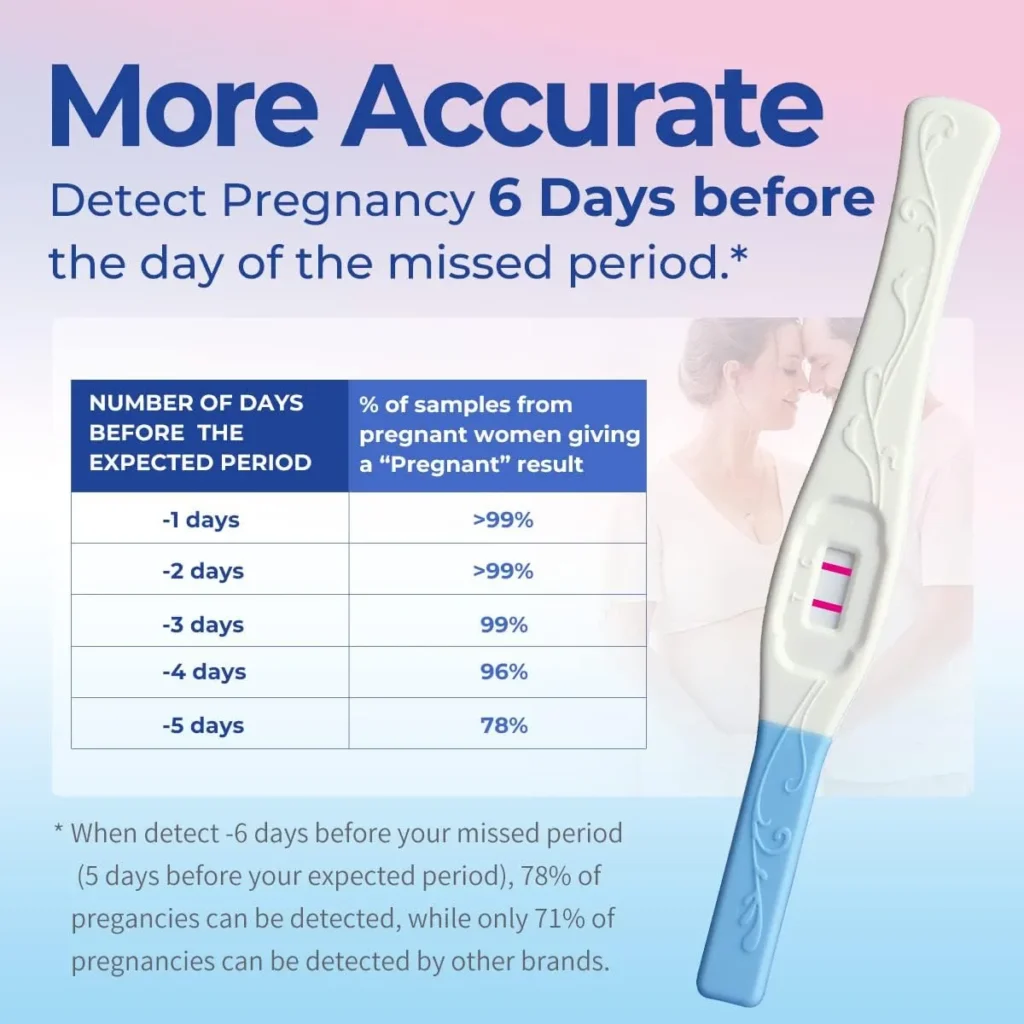
At its core, the pregnancy test detects the presence of human chorionic gonadotropin (hCG), a hormone produced soon after a fertilized egg attaches to the uterine lining. This hormone is often referred to as the “pregnancy hormone.”
When you take this test, whether at home or at a clinic, it checks for the hCG hormone in urine or blood. If present, the test typically shows a positive result. The concentration of hCG doubles every 48–72 hours during early pregnancy, which is why timing is crucial for accurate results.
Understanding how the pregnancy test works helps women trust the process and make informed decisions about when and how to use it.
The role of hCG hormone in detection
The hCG hormone is not only the basis of this test but also a key player in maintaining early pregnancy. It supports the corpus luteum, which produces progesterone needed to sustain the uterine lining. Without this hormone, the pregnancy could not continue.
In most cases, hCG becomes detectable about 10–14 days after conception, which is why the pregnancy test may not always give accurate results if taken too early. Home tests rely on urine samples, while blood tests—conducted by healthcare providers—can detect lower levels of hCG earlier.
Different types of pregnancy tests (urine vs. blood tests)
There are two primary types of pregnancy tests:
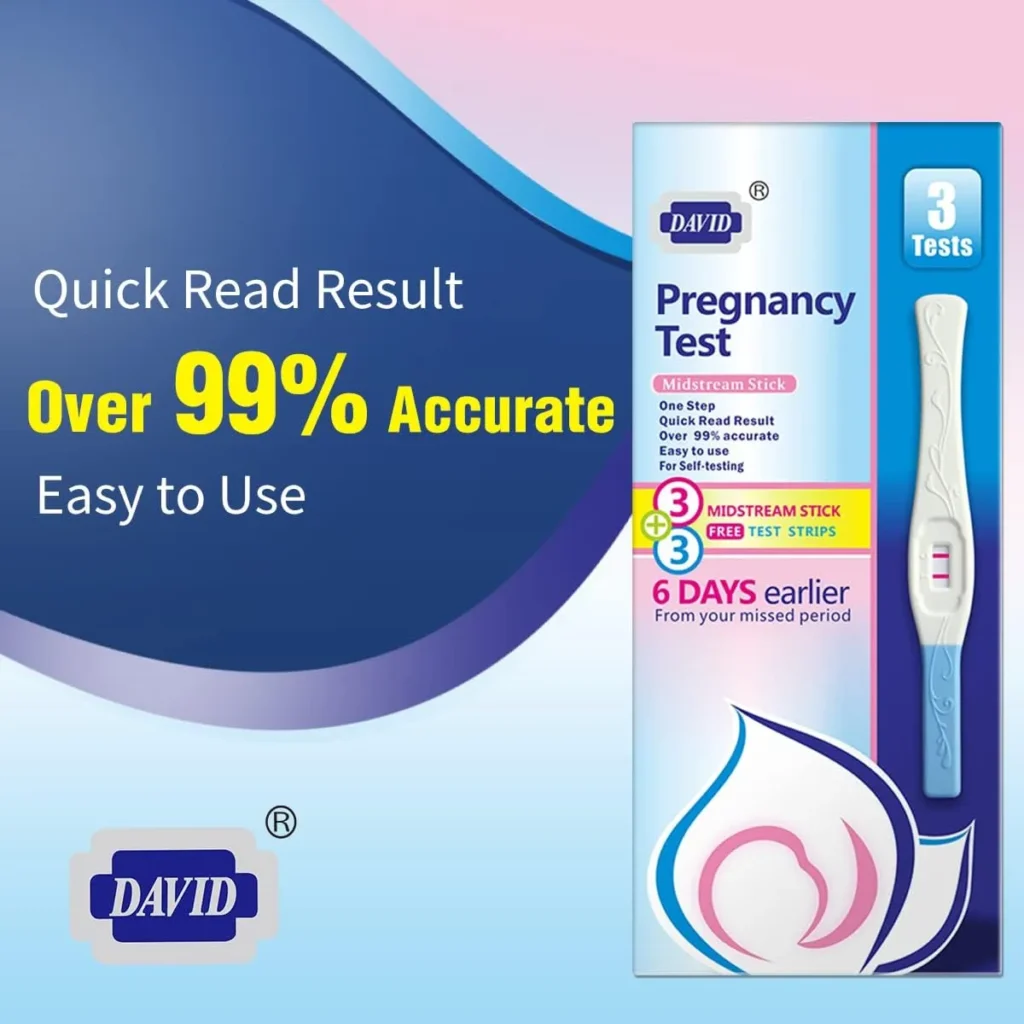
- Urine Tests (Home Pregnancy Test Kits) – These are the most common and can be purchased over-the-counter. They are convenient, affordable, and easy to use. Most claim accuracy rates of over 99% when taken correctly after a missed period.
- Blood Tests – Conducted in clinics, blood tests can detect pregnancy earlier than urine tests, sometimes within 6–8 days after ovulation. They are divided into:
- Qualitative hCG test: Confirms if hCG is present (yes/no).
- Quantitative hCG test: Measures the exact amount of hCG in the blood, helpful for tracking pregnancy progression.
Both tests are reliable, but the choice depends on personal preference, urgency, and medical context.
Timing and Accuracy of Pregnancy Tests
How soon can I take a pregnancy test?
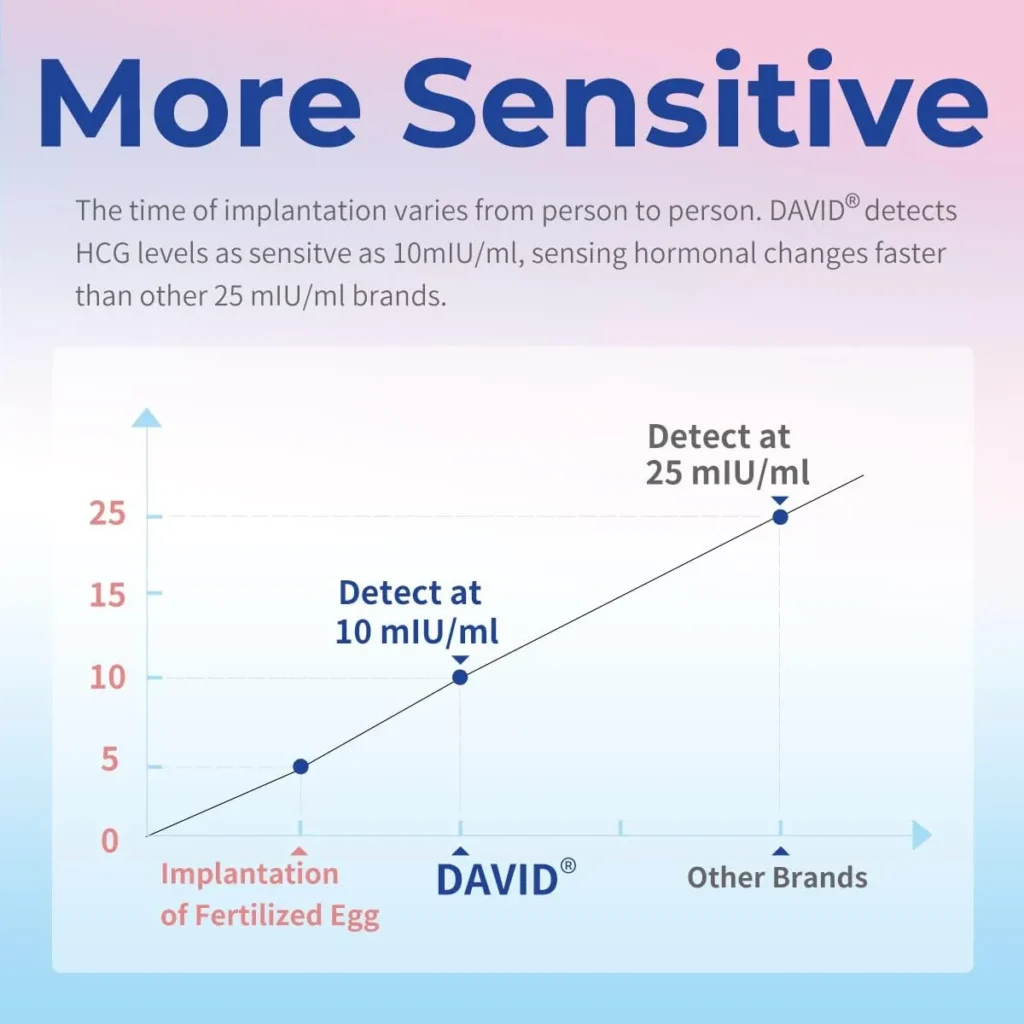
One of the most asked questions about the pregnancy test is timing. While many brands claim early detection—sometimes up to 6 days before a missed period—testing too soon can lead to false negatives.
Ideally, women should wait until the first day of a missed period. By then, hCG levels are usually high enough to be detected. If you suspect pregnancy but get a negative result, retesting a few days later is recommended.
What is the best time to take a pregnancy test?
This test is most accurate when taken with the first morning urine sample, as it contains the highest concentration of hCG. Testing later in the day, especially if you have consumed a lot of fluids, may dilute the urine and reduce accuracy.
That said, modern tests are quite sensitive, so they can detect pregnancy at different times of the day. Still, for the highest accuracy, early morning testing remains the gold standard.
How accurate are home pregnancy tests?
When used correctly, most home pregnancy tests claim to be 99% accurate after a missed period. However, the accuracy depends on several factors:
- The sensitivity of the brand
- The timing of the test
- Following instructions properly
- Whether the test is expired or faulty
In rare cases, false negatives or positives can occur, which is why consulting a doctor after any unclear result is always recommended.
False Positives and False Negatives
Can a pregnancy test be wrong?
Yes, the pregnancy test can occasionally be wrong. False negatives are more common than false positives, often occurring if the test is taken too early.
False positives are rare but can happen due to:
- Recent miscarriage or abortion (hCG still present)
- Fertility treatments involving hCG injections
- Certain medical conditions (like ovarian cysts)
Can you get a positive test and not be pregnant?
Although uncommon, some women may see a positive test without actually being pregnant. This may happen in cases of:
- Chemical pregnancy: Very early miscarriage where hCG is briefly produced.
- Medical conditions: Certain tumors can produce hCG.
- Laboratory error: Faulty or expired tests.
This is why confirmation with a blood test and follow-up with a healthcare provider is crucial.
Can medications affect a pregnancy test result?
Most medications, including antibiotics and birth control pills, do not affect the pregnancy test. However, medications containing hCG, often used in fertility treatments, can lead to false positives.
Always inform your doctor about any medications you are taking when discussing This test results.
Symptoms and Early Signs of Pregnancy
What are the signs of pregnancy before a test?
Before even taking This test test, many women notice symptoms such as:
- Missed period
- Breast tenderness
- Nausea or morning sickness
- Fatigue
- Increased urination
These signs can indicate pregnancy, but they are not definitive since they may overlap with premenstrual symptoms.
Differences between PMS symptoms and early pregnancy signs
Distinguishing PMS from early pregnancy can be difficult. For example, both conditions can cause bloating, mood swings, and fatigue. However, symptoms like nausea, frequent urination, and heightened sense of smell are more specific to pregnancy.
This overlap explains why the pregnancy test is essential for confirmation.
When to test if you have irregular cycles
For women with irregular menstrual cycles, determining when to use the pregnancy test can be tricky. In such cases, waiting about 3 weeks after unprotected intercourse is a good guideline. If still uncertain, a blood test can provide a more accurate answer.
Next Steps After the Test
How to read a pregnancy test correctly
Reading this test involves checking the control line (which shows the test worked) and the test line (which indicates pregnancy). Even a faint line on the test section usually means a positive result, as long as it appears within the timeframe stated in the instructions.
When should I see a doctor after a positive test?
After a positive pregnancy test, scheduling an appointment with your doctor is the next step. They will confirm the pregnancy through a blood test or ultrasound, discuss prenatal care, and provide guidance on lifestyle changes.
What to do if your test is negative but your period is late
If This test is negative but your period is significantly delayed, retesting after a few days is advised. Persistent irregularities should be discussed with a healthcare provider, as they may signal hormonal imbalances or other health issues.
Conclusion
The pregnancy test is a powerful tool that empowers women with immediate insights into their reproductive health. While highly reliable, its accuracy depends on proper timing, careful usage, and an understanding of its limitations. False results can occur, but knowing how the test works, recognizing early signs of pregnancy, and seeking medical advice when necessary ensures peace of mind and accurate confirmation.
Ultimately, This test should be seen as the first step in your journey—whether that journey leads to motherhood or simply reassurance about your health. By approaching it with knowledge and confidence, you can make informed decisions and take the right steps for your future.
🔹 FAQs
1. How soon can I use This test after intercourse?
Most tests are accurate about 10–14 days after conception. Testing earlier may not detect hCG.
2. Can drinking water affect This test results?
Yes. Drinking too much water before taking the pregnancy test can dilute urine and lower hCG concentration, leading to false negatives.
3. Do I need to take more than one pregnancy test?
While one test is usually sufficient, retesting after a few days can confirm results, especially if your period has not started.
4. Can stress affect This test?
Stress does not affect the pregnancy test directly, but it can delay ovulation and menstruation, leading to confusion about testing times.
5. Is a faint line on the pregnancy test positive?
Yes. Even a faint test line usually means pregnancy, as long as it appears within the test’s recommended timeframe.