

This post may contain Affiliate links. If you buy anything via the link, I will earn a small commission without any effect on your payment. Thank you for your support.
Introduction

Among the many responsibilities that come with caring for a baby, one of the most critical decisions involves choosing the best Baby Feeding Methods. Welcoming a newborn into your life is one of the most exciting and emotional experiences for parents.Feeding is not only about nutrition—it is also about bonding, comfort, and setting the foundation for lifelong healthy eating habits.
New parents often find themselves overwhelmed by conflicting advice: some recommend exclusive breastfeeding, while others highlight the convenience of formula feeding. Then comes the debate on when and how to introduce solid foods or whether baby-led weaning is a suitable option. With so many opinions and sources of information, it’s natural to feel confused.
The truth is that there is no “one-size-fits-all” solution. The best baby feeding methods depend on your baby’s needs, your health, lifestyle, and family circumstances. This article will explore different approaches, highlight their benefits and drawbacks, and provide expert-backed guidance to help you make informed decisions.

- COMPLETE BABY SILICONE FEEDING SET: Our baby weaning set for baby comes with everything to help your little one to trans…
- SAFE FOR YOUR BABY: This baby feeding set is made of 100% food grade silicone material which is BPA-free, non-toxic, lea…
- HAPPY & MESS-FREE MEAL TIMES: Our baby suction bowl and baby plates with suction firmly stick to any smooth surfaces, so…
In the following sections, we’ll dive into breastfeeding, formula feeding, mixed feeding, the introduction of solids, and baby-led weaning. Each method will be explained with detailed pros and cons, tips for success, and answers to common parent concerns.
By the end of this comprehensive guide, you will feel empowered with the knowledge to choose the best baby feeding methods that align with your parenting goals and ensure your child’s optimal growth and development.
This post may contain Affiliate links. If you buy anything via the link, I will earn a small commission without any effect on your payment. Thank you for your support.
Breastfeeding – Nature’s First Feeding Method

- 𝗦𝘁𝗲𝗮𝗺𝗶𝗻𝗴 𝗮𝗻𝗱 𝗕𝗹𝗲𝗻𝗱𝗶𝗻𝗴 𝗶𝗻 𝗢𝗻𝗲: The height of the blender container is 4.13 inches, and the outer diameter is 4.17 inches….
- 𝗡𝘂𝘁𝗿𝗶𝗲𝗻𝘁-𝗣𝗿𝗲𝘀𝗲𝗿𝘃𝗶𝗻𝗴 𝗦𝘁𝗲𝗮𝗺𝗶𝗻𝗴 𝗕𝗮𝘀𝗸𝗲𝘁: The elevated design of our steaming basket enables true steam cooking, minimizing n…
- 𝗧𝘄𝗼 𝗠𝗶𝘅𝗶𝗻𝗴 𝗠𝗼𝗱𝗲𝘀: This baby food steamer and blender simplifies starting solids and everyday baby meal prep with smart d…
Benefits of Breastfeeding
Breastfeeding is often considered the gold standard when it comes to the best baby feeding methods. Mother’s milk provides the perfect balance of nutrients, antibodies, and hormones that support growth and strengthen the immune system. Studies show that breastfed babies have lower risks of infections, allergies, and even chronic conditions later in life.
Beyond nutrition, breastfeeding fosters a strong emotional bond between mother and child. Skin-to-skin contact and eye gazing during feeding promote security and attachment.
Challenges of Breastfeeding
While breastfeeding is natural, it isn’t always easy. Many mothers face challenges such as sore nipples, low milk supply, or difficulty with latching. These issues can lead to frustration and guilt. Lack of support in workplaces or public environments may also discourage breastfeeding.
Understanding that these challenges are common—and that support is available through lactation consultants, healthcare providers, and parent groups—can make the journey easier.
Tips for Successful Breastfeeding
- Nurse frequently to stimulate milk production.
- Ensure a proper latch by positioning your baby correctly.
- Stay hydrated and maintain a balanced diet.
- Don’t hesitate to seek professional help if needed.
Breastfeeding can be one of the most rewarding baby feeding methods, but it requires patience and practice.
Formula Feeding – A Modern Alternative

Advantages of Formula Feeding
Formula feeding offers flexibility and convenience. Parents can share feeding responsibilities, which provides mothers with much-needed rest. Additionally, formula-fed babies may have more predictable feeding patterns, allowing families to establish routines.
For mothers who cannot breastfeed due to medical or personal reasons, formula feeding ensures that babies still receive adequate nutrition.
Drawbacks of Formula Feeding
Formula does not contain the natural antibodies found in breast milk, which means babies may be more susceptible to infections. Formula feeding can also be costly, and preparation requires strict hygiene to prevent contamination.
Despite these concerns, modern infant formulas are scientifically designed to closely mimic breast milk, making them a safe and effective alternative.
Tips for Formula Feeding
- Always sterilize bottles and nipples before use.
- Prepare formula according to package instructions.
- Never reuse leftover formula.
- Hold your baby close during feeding to maintain bonding.
Formula feeding can be one of the best baby feeding methods when breastfeeding isn’t an option.
Combination Feeding – The Best of Both Worlds

What is Combination Feeding?
Combination feeding, also known as mixed feeding, involves using both breast milk and formula. This method, one of the best Baby Feeding Methods ,allows parents to balance the benefits of breastfeeding with the flexibility of formula feeding.
Benefits of Combination Feeding
- Allows the baby to receive breast milk’s natural benefits while ensuring sufficient nutrition when milk supply is low.
- Provides flexibility for working mothers or those who cannot breastfeed exclusively.
- Partners can participate in feeding, strengthening their bond with the baby.
Tips for Successful Combination Feeding
- Start with breastfeeding before offering formula.
- Introduce bottles gradually to avoid nipple confusion.
- Stick to a routine to maintain milk supply.
Combination feeding can be considered one of the best baby feeding methods for families seeking balance and flexibility.
Introducing Solid Foods – The Next Stage

When to Start Solids
The World Health Organization (WHO) recommends exclusive breastfeeding for the first six months, followed by the introduction of solids while continuing breast milk or formula. However, each baby is unique. Signs of readiness include sitting upright, showing interest in food, and loss of the tongue-thrust reflex.
Types of First Foods
- Pureed fruits and vegetables
- Iron-fortified cereals
- Mashed legumes
- Small portions of soft proteins
Introducing a variety of foods early helps develop taste preferences and reduce picky eating habits later.
Tips for Introducing Solids
- Introduce one new food at a time to watch for allergies.
- Avoid honey, whole nuts, and salty foods before age one.
- Keep portions small and gradually increase them.
Solid food introduction is an essential step in the best baby feeding methods, helping children transition to balanced diets.
Baby-Led Weaning – Encouraging Independence
What is Baby-Led Weaning?
Baby-led weaning (BLW) allows babies to self-feed soft finger foods instead of spoon-fed purees. This approach encourages independence and fine motor development.
Benefits of Baby-Led Weaning
- Promotes self-regulation and reduces the risk of overeating.
- Helps babies develop chewing skills earlier.
- Exposes babies to a variety of textures and flavors.
Safety Tips for Baby-Led Weaning
- Always supervise feeding.
- Offer soft, easy-to-grasp foods (steamed carrots, bananas, avocado).
- Avoid choking hazards like grapes, popcorn, and nuts.
BLW is gaining popularity among parents as one of the most practical baby feeding methods for building healthy eating habits.
- Adult Sex Toys for Women
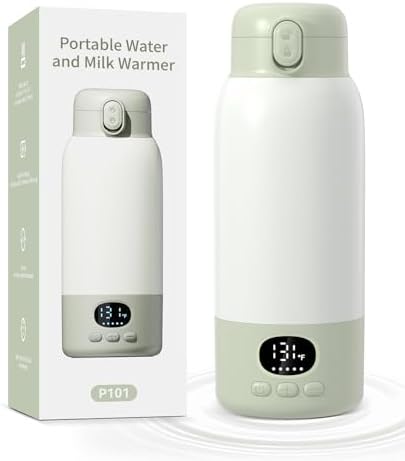
- Portable Bottle Warmer 17oz
- Portable Bottle Warmer 17oz
Conclusion
Choosing the best baby feeding methods is a deeply personal journey. What works for one family may not work for another. Whether you choose breastfeeding, formula, combination feeding, introducing solids, or baby-led weaning, the most important factor is ensuring your baby receives adequate nutrition and love.
Every stage of feeding is an opportunity for bonding, learning, and nurturing trust. While breastfeeding offers unmatched natural benefits, formula feeding provides flexibility and assurance. Combination feeding bridges the gap, while introducing solids and baby-led weaning prepare your child for lifelong healthy eating.
Remember, there is no perfect method—only the one that fits your baby’s needs and your family’s lifestyle. Trust your instincts, consult healthcare professionals when in doubt, and give yourself grace as you navigate parenthood.
Ultimately, the best baby feeding methods are those that nourish your child’s body, foster emotional connection, and support your well-being as a parent.
FAQs
1. What are the best baby feeding methods for newborns?
The best methods include breastfeeding, formula feeding, or a combination of both. Breastfeeding is recommended when possible, but formula feeding is a safe alternative.
2. Is formula feeding safe for babies?
Yes, modern infant formulas are designed to meet babies’ nutritional needs. Proper preparation and hygiene are essential.
3. When should I start introducing solid foods?
Most babies are ready around 6 months, but readiness signs like sitting upright and showing interest in food are important.
4. What is baby-led weaning and is it safe?
Baby-led weaning allows babies to self-feed soft finger foods. It’s safe when foods are prepared properly and babies are supervised.
5. Can I mix breastfeeding and formula feeding?
Yes, combination feeding is common and helps balance the benefits of breast milk with the convenience of formula.