Introduction
Every parent knows the inevitable messes that come with feeding a baby. From spit-ups to drools, having reliable eco-friendly burp cloths isn’t just convenient—it’s essential. As you cradle your little one during those precious feeding moments, the last thing you want to worry about is harsh chemicals against your baby’s sensitive skin or contributing to environmental waste. Did you know that conventional burp cloths can contain pesticide residues, synthetic dyes, and chemical treatments that come into direct contact with your baby’s delicate skin?
In this comprehensive guide, we’ll explore everything you need to know about organic burp cloths that are gentle on your baby and the planet. You’ll discover the best materials, essential features to look for, and how these sustainable options can make feeding time cleaner, safer, and more environmentally responsible. Whether you’re a first-time parent or adding to your growing family, this guide will help you make informed choices for mess-free, eco-conscious baby care.
Understanding Eco-Friendly Burp Cloths – What Every Parent Should Know
What Are Eco-Friendly Burp Cloths?
Eco-friendly burp cloths are absorbent baby care essentials made from sustainable materials that minimize environmental impact while providing safe, chemical-free options for your baby. Unlike conventional burp cloths, which often contain synthetic fabrics treated with flame retardants, formaldehyde, and other potentially harmful substances, eco-friendly versions are crafted from natural fibers like organic cotton, bamboo, hemp, or modal.
These sustainable cloths are typically:
- Produced using farming practices that avoid synthetic pesticides and fertilizers
- Processed without harmful bleaches, dyes, or finishing chemicals
- Manufactured under ethical working conditions
- Biodegradable or recyclable at the end of their lifecycle
- Often GOTS (Global Organic Textile Standard) certified or meeting other rigorous environmental standards
The absorbency of eco-friendly burp cloths is comparable or superior to conventional options, with many sustainable materials naturally wicking moisture away from baby’s skin and clothes.

Why Eco-Friendly Burp Cloths Matter for Your Baby’s Development
The impact of eco-friendly burp cloths on your baby’s wellbeing extends beyond environmental considerations. Babies have thinner, more permeable skin that can absorb chemicals more readily than adult skin. This makes them particularly vulnerable to irritants and toxins found in conventional fabrics.
The benefits for your baby include:
- Reduced exposure to potentially harmful chemicals and allergens
- Lower risk of skin irritation, rashes, and allergic reactions
- Gentler texture against sensitive newborn skin
- Better breathability, reducing moisture buildup and associated skin issues
- Support for overall skin health during crucial developmental stages
Studies suggest that early chemical exposure may impact long-term health outcomes, making these safer fabric choices an important consideration for conscientious parents.
Common Myths About Eco-Friendly Burp Cloths
Despite their growing popularity, several misconceptions persist about sustainable baby products:
Myth 1: They’re not as absorbent as conventional options.
Reality: Many natural fibers like bamboo and hemp actually offer superior absorbency compared to synthetic materials, often holding up to 3-4 times their weight in liquid.
Myth 2: Eco-friendly options are too expensive.
Reality: While initial costs may be slightly higher, their durability means they last longer and can be used for multiple children, offering better value over time.
Myth 3: They’re difficult to clean and maintain.
Reality: Most organic burp cloths are machine-washable and become softer and more absorbent with each wash.
Myth 4: The “eco-friendly” label is just marketing.
Reality: Reputable brands with proper certifications (GOTS, OEKO-TEX, etc.) meet stringent environmental and safety standards that conventional products often don’t achieve.
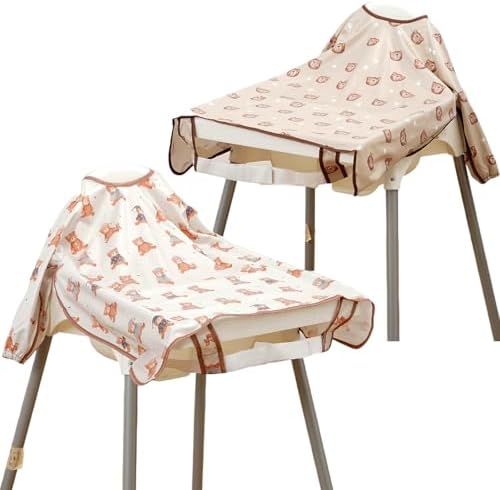
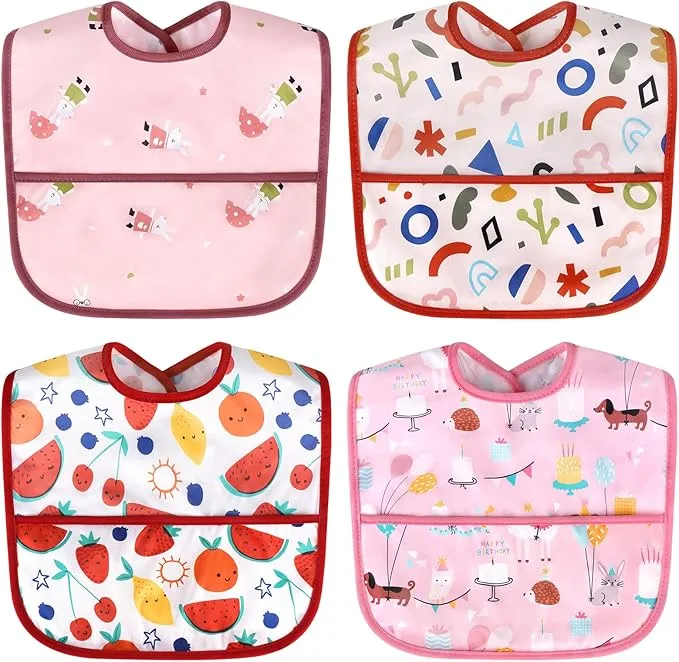
Safe and Comfortable Material: This bib features a soft knitted fabric on the surface, with a bottom layer made of waterproof TPU breathable film. They are Lead-free, PVC-free, BPA-free, phthalates-free. Fits for baby & toddlers 3-36 months.
Waterproof Baby Bibs:Made of lightweight and waterproof fabric. This bib is very lightweight and won’t have any extra burden. Waterproof bibs will protect baby’ clothes well.
Catch-all Pocket: The large pocket can catch a lot of dropped food, the crumbs, spills and reducing loads of laundry.
Snap-On, Mess-Free: This baby bib is designed with snap buttons, making it very easy to put on and take off. The softly wrapped seams ensure added comfort for your baby
Essential Items & Supplies for Eco-Friendly Burp Cloths
Must-Have Products for Eco-Friendly Burp Cloths
Creating an effective, sustainable burp cloth collection requires understanding the essential options available:
Multi-layer Organic Burp Cloths: These feature multiple layers of organic cotton or hemp for maximum absorbency. Look for those with a slightly contoured shape that sits comfortably over your shoulder.
Bamboo Velour Burp Cloths: Ultra-soft with exceptional absorbency, these are perfect for babies with sensitive skin. The velour texture traps liquids quickly before they can reach your clothing.
Hemp-Cotton Blend Cloths: This combination offers the durability of hemp with the softness of cotton, creating a highly absorbent option that becomes softer with each wash.
Muslin Organic Burp Cloths: Lightweight, breathable, and quick-drying, these versatile cloths can serve multiple purposes beyond burping.
Contoured Shoulder Burp Cloths: Specifically shaped to stay in place on your shoulder, these prevent slipping during burping sessions.
Optional but Helpful Items
Enhance your sustainable burping routine with these supplementary products:
Waterproof Backing Cloths: Some eco-friendly burp cloths come with a thin layer of TPU (thermoplastic polyurethane) or PUL (polyurethane laminate) backing that prevents liquid from soaking through to your clothes while remaining free of harmful chemicals.
Organic Travel Pouch: A dedicated waterproof bag for storing used burp cloths when you’re on the go prevents leaking in your diaper bag.
Natural Stain Remover: Plant-based enzyme cleaners effectively remove breast milk, formula, and baby food stains without harsh chemicals.
Cloth Storage Baskets: Dedicated storage keeps clean burp cloths organized and accessible during feeding sessions.
Hanging Drying Rack: Air-drying extends the life of your organic burp cloths and reduces energy consumption.
Budget-Friendly Alternatives
Quality sustainable options exist at various price points:
DIY Upcycled Burp Cloths: Convert old organic cotton t-shirts, flannel sheets, or towels into burp cloths with simple hemming.
Flour Sack Towels: Inexpensive, highly absorbent, and made from unbleached cotton, these multi-purpose cloths make excellent burp cloths.
Organic Prefold Cloth Diapers: These versatile items work brilliantly as burp cloths and cost less than specialized products.
Seasonal Sales and Bulk Purchases: Buy sets during promotions or in larger quantities for significant savings.
Cooperative Buying: Organize with other eco-conscious parents to purchase in bulk and divide the products.
Guide to Eco-Friendly Burp Cloths
Preparation Steps
Before incorporating eco-friendly burp cloths into your daily routine:
Pre-wash All New Cloths: Wash new burp cloths 2-3 times before first use to remove any natural oils or processing residues and maximize absorbency. Use a mild, eco-friendly detergent free of fragrances and optical brighteners.
Establish Strategic Locations: Position clean burp cloths in all feeding areas throughout your home—nursing chairs, bottle-feeding stations, and anywhere you might need quick access.
Create a Rotation System: Establish a clean-to-dirty workflow so you always know which cloths are ready for use and which need washing.
Test Absorbency Levels: Different sustainable materials have varying absorption capacities. Test each type with a small amount of water to understand their performance characteristics.
Pack a Portable Supply: Prepare a travel kit with 3-4 organic burp cloths and a waterproof pouch for on-the-go feeding sessions.
Implementation Process
Follow these steps for effective use of your eco-friendly burp cloths:
Position the Cloth Properly: For shoulder burping, center the cloth along your shoulder and upper arm where baby’s head will rest. For lap burping, spread the cloth across your lap to protect your clothing.
Use the Right Technique: Hold multi-layer cloths with the most absorbent side against baby. For contoured cloths, ensure the curved portion hugs your shoulder.
Burp at Natural Pauses: Gently burp baby after every 2-3 ounces of formula or when switching breasts during breastfeeding.
Rotate the Cloth as Needed: If one area becomes damp, shift to a dry section of the cloth or replace with a fresh one.Address Spills Immediately: Blot (don’t rub) any liquid that makes it onto clothing, using a clean section of the burp cloth.
Store Used Cloths Properly: Place damp cloths in a dry pail or mesh bag until washing, avoiding sealed containers that promote mildew growth.
Troubleshooting Common Issues
Solutions for frequent challenges with eco-friendly burp cloths:
Cloths Losing Absorbency: Avoid fabric softeners and dryer sheets, which coat fibers and reduce absorption. Add 1/4 cup white vinegar to the rinse cycle periodically to remove buildup.
Stiff Texture After Washing: Line-dried natural fibers can feel stiff. Shake vigorously before folding or briefly tumble in the dryer on low heat to restore softness.
Persistent Stains: Create a paste of baking soda and water, apply to stains and let sit for 30 minutes before washing. Sun-bleaching is also effective and chemical-free.
Shifting During Use: If cloths slide off your shoulder, try contoured styles or secure with a small safety pin (away from baby’s reach) during feeding sessions.
Insufficient Coverage: Layer multiple thin cloths or switch to larger, more absorbent options for heavy spit-up situations.
Top 5 Benefits of Eco-Friendly Burp Cloths for Baby & Parents
Developmental & Health Benefits for Baby
Eco-friendly burp cloths offer substantial advantages for your infant’s wellbeing:
Reduced Chemical Exposure: Conventional fabrics can contain up to 8,000 different chemicals, while certified organic burp cloths eliminate these toxins, reducing your baby’s cumulative chemical burden during a critical developmental period.
Decreased Skin Irritation Risk: Natural fibers allow better airflow, reducing moisture buildup that leads to rashes and irritation. Studies show that organic fabrics cause significantly fewer skin reactions in infants with sensitive skin or eczema.
Better Temperature Regulation: Breathable natural fibers help maintain comfortable body temperature during feeding and burping sessions, preventing overheating which can contribute to feeding discomfort.
Enhanced Comfort During Digestion: The soft texture of eco-friendly burp cloths provides gentle support during burping, potentially contributing to more comfortable digestion and less fussiness after feedings.
Early Environmental Consciousness: While babies won’t remember these early choices, starting with sustainable products establishes a foundation for an eco-conscious household as your child grows.
Advantages for Parents
The benefits extend beyond baby to improve the parenting experience:
Superior Performance: Many parents report that high-quality eco-friendly burp cloths outperform conventional options in absorbency and durability, making feeding sessions cleaner and more efficient.
Reduced Laundry Needs: The exceptional absorbency often means fewer cloth changes and less frequent laundering, saving time and resources.
Multi-functionality: Sustainable burp cloths often serve multiple purposes—as light blankets, nursing covers, changing pad liners, or even makeshift bibs—reducing the number of baby items needed.
Long-term Cost Efficiency: Though initial investment may be higher, the durability of quality organic burp cloths means they often last through multiple children or can be resold with minimal wear.
Alignment with Values: For environmentally-conscious parents, choosing sustainable baby products creates consistency between personal values and parenting choices, reducing eco-anxiety.
Long-Term Impact on Family Wellbeing
The positive effects of choosing eco-friendly burp cloths extend into the future:
Environmental Footprint Reduction: A standard cotton burp cloth requires approximately 200 gallons of water to produce, while organic versions typically use 71% less water and 62% less energy.
Healthier Home Environment: Choosing organic fabrics reduces the overall chemical load in your home, which may benefit all family members, especially those with allergies or chemical sensitivities.
Sustainable Habit Formation: Starting with eco-friendly essentials often leads families to make more sustainable choices in other aspects of parenting and household management.
Financial Planning Perspective: Investing in quality sustainable products that last longer often aligns with long-term financial planning and reduces waste expenditure over time.
Educational Opportunities: As children grow, the sustainable products you chose become teaching moments about environmental responsibility and mindful consumption.
Expert Tips, Alternative Methods & Age-Specific Advice
Tips for Newborns (0-3 Months)
During the newborn phase, eco-friendly burp cloths require specific considerations:
Size and Coverage: Choose larger cloths (at least 14″ x 17″) for newborns, as their spit-up tends to be more unpredictable and sometimes projectile.
Material Selection: Opt for extra-soft materials like bamboo velour or lightweight organic burp cloths for newborn skin, which is extremely sensitive during the first months.
Quantity Guidelines: Have at least 10-12 burp cloths available for newborns, who typically feed 8-12 times daily and have more frequent spit-ups.
Positioning Techniques: For tiny babies, fold the cloth into thirds lengthwise before draping over your shoulder to create a thicker, more absorbent strip where baby’s mouth will rest.
Nighttime Strategy: Keep 2-3 cloths near your nighttime feeding area to avoid searching for clean ones during middle-of-the-night feedings.
Adjustments for Older Babies & Toddlers (3+ Months)
As your baby grows, adapt your approach to eco-friendly burp cloths:
Transition to Multi-purpose Use: Around 4-6 months, as spit-up typically decreases, burp cloths can take on additional roles as mealtime face wipes, portable clean surfaces, or cleanup tools for early self-feeding attempts.
Sturdier Options: For teething babies who may chew on burp cloths, switch to denser hemp-cotton blends that withstand drool and chewing while remaining safe and chemical-free.
Upright Feeding Considerations: As babies begin sitting up for feedings, drape cloths across their lap or use them as makeshift bibs for catching dribbles from below.
Repurposing Strategies: Older babies with less frequent spit-up allow you to repurpose some of your organic burp cloths as washcloths, hand towels for diaper changes, or art project cleanup tools.
Travel Adaptations: With older babies, designate 1-2 premium absorbent cloths specifically for travel instead of carrying the larger quantity needed for newborns.
Alternative Methods & Different Parenting Styles
Eco-friendly burp cloths can adapt to various parenting approaches:
Attachment Parenting: For babywearing parents, contoured burp cloths that stay in place between baby and carrier provide protection during on-the-go burping.Minimalist Approach: Those following minimalist parenting can select dual-purpose organic muslin cloths that serve as burp cloths, light blankets, and nursing covers.
Montessori Method: In alignment with Montessori principles, provide a small basket of clean organic burp cloths at baby’s level to encourage early participation in the care routine as they develop.
Co-sleeping Families: Keep dedicated organic cloths near the family bed to protect bedding during nighttime feedings without introducing chemicals to the sleep environment.
Multiple Caregivers: For families with various caregivers, color-coding eco-friendly burp cloths by purpose or location helps maintain organization and ensures everyone follows the same practices.
Conclusion
Embracing eco-friendly burp cloths represents more than just a practical choice for managing feeding messes—it’s a meaningful step toward creating a healthier environment for your baby and the planet. Throughout this guide, we’ve explored how these sustainable essentials offer superior performance while reducing exposure to potentially harmful chemicals and lessening environmental impact.
The journey of selecting and using eco-friendly burp cloths aligns perfectly with the instinctive desire to provide the absolute best for your child. From organic cotton options that grow softer with each wash to innovative bamboo and hemp blends that offer exceptional absorbency, these sustainable choices support both your daily parenting needs and your values.
Remember that transitioning to organic burp cloths doesn’t require an immediate overhaul of all your baby supplies. Even incorporating a few high-quality eco-friendly burp cloths into your routine makes a positive difference—for your baby’s delicate skin, for your own peace of mind, and for our shared environment.
As you continue your parenting journey, we encourage you to share your experiences with eco-friendly burp cloths in the comments below! What materials have worked best for your family? Have you discovered creative uses beyond feeding sessions? Your insights might be exactly what another parent needs to make more sustainable choices.
Pin this guide for future reference as your baby grows and your needs evolve. And for more comprehensive eco-friendly parenting advice, explore our related articles on sustainable baby care practices.
FAQs
How many eco-friendly burp cloths do I really need?
The ideal number of eco-friendly burp cloths depends on your baby’s feeding frequency and tendency to spit up. For most newborns, 10-12 cloths provide a comfortable rotation without constant laundry. Heavy spitters may require 15-20, while babies with reflux might need up to 24. Consider your laundry routine—parents who wash daily can manage with fewer cloths than those who launder every 2-3 days.
Quality also impacts quantity needs. High-performance organic burp cloths with multiple layers may require fewer changes than thinner options. A good starting strategy is to have at least 8-10 premium eco-friendly burp cloths for regular use, plus 3-4 extras for diaper bags and unexpected messes. You can always adjust based on your experience during the first few weeks of parenthood.
What’s the best way to remove stubborn stains from eco-friendly burp cloths?
Maintaining the pristine appearance of eco-friendly burp cloths without harsh chemicals requires timely action and natural methods. For fresh stains, immediately rinse with cold water (hot water can set protein-based stains like milk or formula). For set-in stains, create a paste of baking soda and water, apply to the affected area, and let sit for 30 minutes before laundering.
Sunlight is remarkably effective for natural bleaching. After washing, lay damp organic burp cloths in direct sunlight for 3-4 hours, which safely removes even stubborn yellow breast milk or formula stains. For tougher challenges, soak cloths in a solution of one part white vinegar to four parts water before washing, or try oxygen-based bleach specifically formulated for eco-friendly burp cloths and baby items.
Can I make my own eco-friendly burp cloths at home?
Absolutely! Creating DIY eco-friendly burp cloths is both economical and environmentally sound. The simplest approach uses organic cotton flannel, hemp fabric, or repurposed organic burp cloths from old t-shirts or receiving blankets. For basic cloths, cut fabric into rectangles approximately 9″ × 18″ (or your preferred size), then either hem the edges or use pinking shears to prevent fraying.
For more absorbent options, create multi-layer cloths by sewing together different sustainable fabrics—perhaps organic cotton flannel on one side for softness against baby’s skin and hemp or bamboo terry on the other for absorbency. Pre-wash all fabrics before sewing to prevent uneven shrinkage. The contoured shoulder design can be achieved by folding a rectangular cloth in thirds lengthwise, then cutting a gentle curve on one side. Many eco-friendly burp cloths patterns are available online for more detailed instructions.
What’s the difference between organic and conventional burp cloths?
The distinctions between organic burp cloths and conventional options are significant across several dimensions. Conventional cotton production uses approximately 16% of the world’s insecticides and 7% of pesticides, chemicals that can leave residues in the finished fabric. Eco-friendly burp cloths made from organic cotton are grown without these synthetic inputs, reducing both environmental impact and potential skin irritants.
The manufacturing process also differs substantially. Conventional burp cloths often undergo treatments with formaldehyde resins, flame retardants, and other chemicals that can off-gas and come into contact with baby’s skin and respiratory system. Eco-friendly burp cloths certified by GOTS or OEKO-TEX standards prohibit these treatments and restrict even natural dyes to those without heavy metals or other toxins.
Beyond production, organic options often feature more sustainable packaging, fair labor practices, and materials that biodegrade more readily at the end of their useful life, creating less microplastic pollution when washed and less landfill impact when eventually discarded.
Are eco-friendly burp cloths worth the higher price?
When evaluating whether eco-friendly burp cloths justify their premium price, consider both immediate and long-term value. Quality sustainable cloths typically last significantly longer than conventional alternatives—many parents report their organic burp cloths remaining in excellent condition through multiple children, effectively reducing the per-use cost.
The performance advantages often provide tangible daily benefits. Many eco-friendly burp cloths offer superior absorbency, reducing the number needed and potentially saving on laundry costs and effort. Their multi-functional nature—serving as emergency diaper changing pads, light blankets, or clean surfaces when out—delivers additional utility beyond dedicated single-purpose items.
From a health perspective, reducing your baby’s exposure to potentially harmful chemicals represents a value difficult to quantify but increasingly supported by research on children’s environmental health. Many parents consider this preventive approach worthwhile, particularly for items like burp cloths that have direct contact with baby’s skin and face. When viewed as an investment in both environmental sustainability and your child’s wellbeing, the additional cost of eco-friendly burp cloths often aligns with the priority most parents place on providing the safest possible start for their children.