
This post may contain Affiliate links. If you buy anything via the link, I will earn a small commission without any effect on your payment. Thank you for your support.
Understanding baby emergency supplies – What Every Parent Should Know
What would you do if your baby suddenly developed a high fever at 2 AM? Or if they choked on a small toy while you were home alone with them? These scenarios might seem terrifying, but being prepared with the right baby emergency supplies can make all the difference between panic and confident action. As a parent, having essential emergency items readily available isn’t just convenient—it’s crucial for your child’s safety and your peace of mind.
In this comprehensive guide, we’ll walk you through everything you need to know about assembling, maintaining, and using baby emergency supplies. From must-have first aid items to essential safety tools, you’ll learn how to create a complete emergency preparedness system that could potentially save your baby’s life.
What Are Baby Emergency Supplies?
Baby emergency supplies are specially curated items designed to address common accidents, injuries, and sudden illnesses that infants might experience. These supplies typically include a comprehensive infant first aid kit, emergency contact information, basic medication, and safety tools specifically designed for babies. Unlike adult emergency kits, baby versions contain specially formulated medications, smaller bandages, and tools specifically designed for infant anatomy and common pediatric emergencies.
The core of these supplies is typically a dedicated infant first aid kit supplemented with emergency items that address the unique needs of babies. These kits should be easily accessible in your home and portable enough to take with you when traveling with your little one.
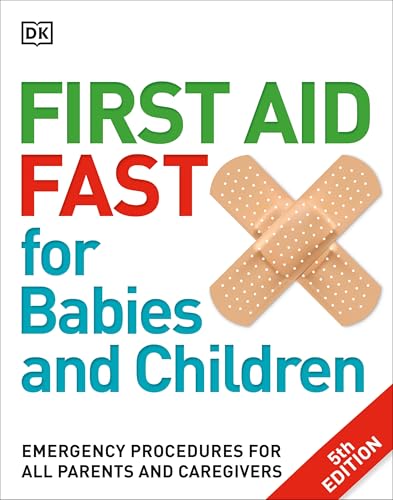
Do you know what to do if your baby or child falls and cuts their arm? Are you confident to identify when an illness is serious?
First Aid Fast for Babies and Children is a step-by-step guide that helps you treat babies and children for more than 100 conditions and injuries. This book guides you through essential initial care that can prove tremendously important to preserve life and improve the recovery process. The detailed guidelines are accompanied by step-by-step images for clear, easy-to-follow instructions.
From first aid for cuts and bruises to treating a child who is unresponsive, this book covers all emergency situations that you may face. Clear symbols highlight key areas and draw your attention to areas of concern. The cross-reference boxes on a page take you to associated information regarding the injuries.
This clear and informative guide is ideal for parents, teachers, and primary caregivers to help deal with emergencies. Look after your little people – keep First Aid Fast for Babies and Children handy.
Why Baby Emergency Supplies Matter for Your Baby’s Safety
Having proper emergency supplies readily available can literally be the difference between life and death in critical situations. Babies are particularly vulnerable to emergencies for several important reasons:
- Faster health deterioration: Infants can develop high fevers or become dehydrated much more quickly than adults
- Size-specific risks: Common household items can present unique choking or injury hazards to babies
- Limited communication: Babies cannot tell you what hurts or what happened
- Developing immune systems: Infants are more susceptible to infections and illnesses
When emergencies occur, having the right supplies means you can act immediately rather than searching for items or improvising solutions that might be inadequate. Studies show that prompt first aid can significantly reduce complications from common childhood injuries and potentially save lives in severe situations.
Common Myths About Baby Emergency Supplies
Myth 1: Regular first aid kits work fine for babies
Reality: Adult first aid supplies often contain medications at inappropriate dosages and tools that are too large for infants. Baby-specific emergency supplies are designed with infant safety in mind.
Myth 2: Emergency supplies are only necessary for “anxious” parents
Reality: Emergencies can happen to any baby, regardless of how careful the parents are. Preparation isn’t about anxiety—it’s about responsible parenting.
Myth 3: You only need emergency supplies at home
Reality: Accidents can happen anywhere. Portable baby emergency supplies should accompany you in diaper bags, cars, and when traveling.
Myth 4: Expensive kits are always better
Reality: An effective emergency kit isn’t about price but about having the right essentials properly organized and readily accessible.
Essential Items & Supplies for Baby Emergency Supplies
Must-Have Products for Baby Emergency Supplies
Creating a comprehensive emergency kit starts with these essential components:
Basic Infant First Aid Kit
- Digital thermometer (rectal thermometers provide the most accurate readings for infants)
- Infant-specific pain reliever/fever reducer (acetaminophen, ibuprofen for babies over 6 months)
- Medicine dispenser or syringe for accurate dosing
- Saline nose drops/spray
- Bulb syringe or nasal aspirator
- Tweezers (for splinter removal)
- Antiseptic wipes
- Sterile gauze pads in various sizes
- Adhesive bandages designed for sensitive skin
- Medical tape
- Small scissors with rounded tips
Emergency Response Items
- CPR instruction card with infant-specific guidelines
- Emergency contact list (pediatrician, poison control, nearest ER)
- Basic first aid manual with infant-specific instructions
- Instant cold packs
- Oral rehydration solution
Safety Supplies
- Infant-size finger splints
- Elastic bandages
- Antibiotic ointment
- Anti-itch cream safe for infants
- Petroleum jelly
- Small flashlight with fresh batteries
- Disposable gloves

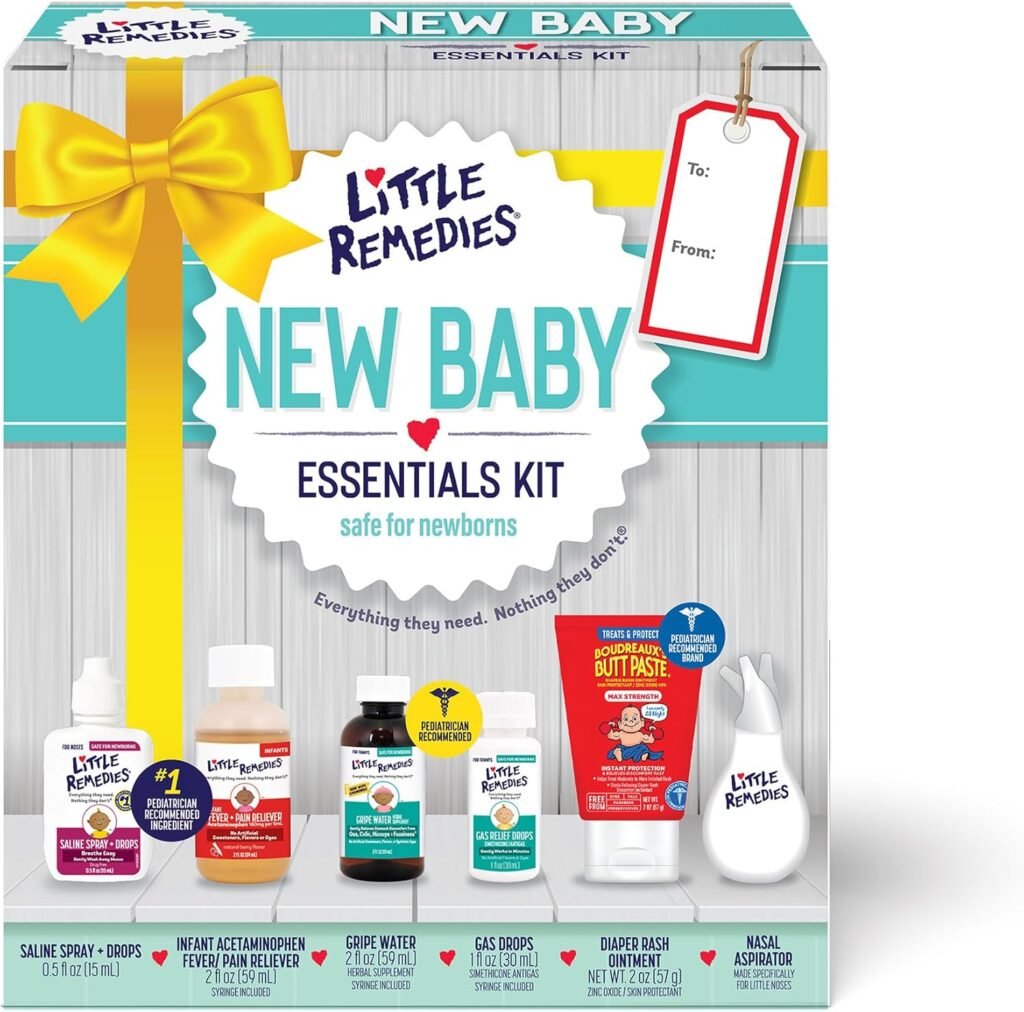
Little Remedies New Baby Essentials Kit contains the essentials a new parent needs to safely and effectively tackle your baby’s most common symptoms from home, including runny, stuffy, dry, or crusty noses and upset tummies
This kit of newborn essentials must-haves makes a perfect baby shower gift for new parents and has everything they need to help keep their little one feeling their best
This newborn essentials kit can help your little one feel better from their first diaper rash to stuffy nose, so you’re prepared for anything
All 6 items included in this newborn essentials kit are free from baby aspirin, baby ibuprofen, saccharin, artificial flavors, and artificial dyes – including red 40, yellow 5, or yellow 6
Kit contains Saline Nasal Spray and Saline Drops, nasal aspirator, Baby Gas Relief Drops, Infant Fever and Pain Relief with Acetaminophen, Gripe Water for Babies, and Boudreaux’s Butt Paste Maximum Strength Diaper Rash Cream, Ointment for Baby
Optional but Helpful Items
While not absolutely essential, these items can be incredibly useful in specific emergency situations:
- Pulse oximeter: Monitors baby’s oxygen levels and heart rate
- Baby-specific burn gel: For minor burns (always seek medical attention for serious burns)
- Emergency thermal blanket: Helps maintain body temperature in severe situations
- Eyewash solution: For flushing irritants from eyes
- Infant rescue mask: For emergency CPR situations
- Small bottle of electrolyte solution: For mild dehydration scenarios
- Medical alert information: Cards detailing any allergies or medical conditions
- Hand sanitizer: For cleaning hands before administering first aid
Budget-Friendly Alternatives
Creating effective baby emergency supplies doesn’t have to break the bank:
- DIY Approach: Purchase a basic infant first aid kit and supplement with additional items over time
- Group purchasing: Split the cost of bulk supplies with other parents
- Repurpose containers: Use clean, waterproof containers you already own instead of purchasing specialized cases
- Focus on essentials first: Prioritize the most critical items and add others as budget allows
- Watch for sales: Many pharmacies offer seasonal discounts on first aid supplies
| Essential Item | Budget Option | Premium Option |
|---|---|---|
| Thermometer | Basic digital ($10-15) | Temporal artery scanner ($30-50) |
| Pain reliever | Store brand acetaminophen ($5-7) | Name brand with easy-dose syringe ($8-12) |
| First aid guide | Free printable from Red Cross | Comprehensive baby care emergency guide ($15-20) |
| Nasal aspirator | Bulb syringe ($3-5) | Electric nasal aspirator ($20-30) |
| Cold pack | DIY frozen washcloth in ziplock | Instant cold packs ($8-10 for multi-pack) |
Guide to Using Baby Emergency Supplies
Preparation Steps
Before an emergency occurs, follow these preparatory steps to ensure you’re ready to respond effectively:
Organize your supplies strategically
- Store all items in a waterproof, easily identifiable container
- Arrange items by category (medications, bandaging supplies, tools)
- Keep the most frequently used items easily accessible
- Place emergency contact information prominently inside the lid
Learn basic infant first aid
- Take an infant CPR and first aid course (available through Red Cross and many hospitals)
- Practice using the tools in your kit before an actual emergency
- Review your first aid manual regularly to stay familiar with procedures
- Consider downloading a reputable infant first aid app
Create an emergency action plan
- Post emergency numbers by all phones and save them in cell phones
- Map routes to the nearest emergency room and urgent care facilities
- Discuss emergency response procedures with all caregivers
- Consider registering for Smart911 or similar services that provide emergency responders with your child’s information

FREE THE FUSS: Frida Baby Basics Kit is a practical baby kit which tackles baby snot, gas relief, nail clipping and scalpy skin with one convenient gift-giving ready set.
COMFORTABLE plus NON-INVASIVE: NoseFrida creates a seal with the outside of the baby’s nostril for gently sucking snot, and the disposable filters prevent the transfer of mucus. This baby sick kit will provide your baby relief when they need it most.
GASSY TUMMY: Windi, a hollow tube that safely, naturally and instantly relieves gas and calms long enough to reach past the muscle that traps gas and stimulate the sphincter, but has a stopper so you can’t go too far. Gassy baby relief made easy.
TRIMMING TROUBLES: The Frida Baby nail clipper set is a uniquely designed nail clipper with a safety spyhole that enables you to see exactly what you’re cutting. It’s curved, overlapping blades allow for safe, smooth & silent snipping.
SAFE FOR DELICATE SKIN: All included tools are crafted with materials gentle enough for newborns and infants, ensuring safe and effective use without irritation.
Implementation Process
When faced with an emergency, follow these steps to effectively use your baby emergency supplies:
Assess the situation calmly
- Determine if the situation is truly an emergency requiring immediate action
- Check if your baby is responsive, breathing, and not in immediate danger
- Take a deep breath to remain calm and think clearly
Select the appropriate supplies
- Identify which components of your kit are needed for the specific situation
- Gather all necessary items before beginning treatment
- Read any instructions or dosing guidelines carefully
Administer appropriate first aid
- Follow the specific protocol for the emergency at hand
- Use only age-appropriate techniques and medications
- Monitor your baby’s response to the treatment
- Document symptoms, timing, and any medications given
Know when to seek professional help
- Call 911 immediately for severe emergencies (difficulty breathing, unconsciousness, severe bleeding)
- Contact your pediatrician for guidance on moderate concerns
- Use the poison control hotline (800-222-1222) for potential ingestions
Troubleshooting Common Issues
Even with proper preparation, challenges can arise when using baby emergency supplies:
- Expired medications: Check expiration dates quarterly and replace as needed
- Resistant baby: Have distraction techniques ready for administering medications or treatments
- Incomplete supplies: Create a checklist and audit your kit monthly to ensure all items are present
- Storage issues: If space is limited, prioritize the most critical items and know where to find others
- Multiple caregivers: Ensure all caregivers know where supplies are kept and how to use them
Top 5 Benefits of Having Baby Emergency Supplies
Developmental & Health Benefits for Baby
Faster response to medical needs
Having the right supplies means immediate treatment for fevers, minor injuries, and discomfort, potentially preventing a minor issue from becoming serious.Appropriate treatment methods
Baby-specific supplies ensure that treatments are appropriate for your infant’s size, weight, and developmental stage, reducing the risk of complications.Reduced trauma during emergencies
When parents can respond confidently with the right tools, babies experience less stress during medical situations.Better monitoring of symptoms
Tools like thermometers and tracking logs help parents accurately monitor symptoms and provide better information to healthcare providers.Prevention of secondary complications
Prompt, appropriate treatment of initial injuries or illnesses can prevent secondary infections or complications from developing.
Advantages for Parents
Having comprehensive baby emergency supplies offers significant benefits to parents as well:
- Peace of mind: Knowing you’re prepared reduces anxiety about potential emergencies
- Confidence in caregiving: Having the right tools empowers parents to handle minor medical situations
- Reduced emergency room visits: Many minor issues can be safely managed at home with proper supplies
- Better communication with medical professionals: Having accurate information and properly administered first aid helps when consulting with doctors
- Shared responsibility: When all caregivers know where supplies are and how to use them, the burden of emergency response doesn’t fall on just one person
Long-Term Impact on Family Wellbeing
The benefits of maintaining proper baby emergency supplies extend beyond immediate situations:
- Establishing a safety culture: Early attention to safety prepares children for a lifetime of health awareness
- Building resilience: Families who can handle minor emergencies develop confidence in their ability to face challenges
- Creating lasting habits: The organization and preparedness skills developed for baby care often extend to other areas of family life
- Financial savings: Preventing complications through prompt treatment can reduce long-term healthcare costs
- Reduced parental stress: The security of being prepared helps reduce the overall anxiety that comes with parenting
Expert Tips, Alternative Methods & Age-Specific Advice
Tips for Newborns (0-3 Months)
Newborns require special considerations for emergency preparedness:
- Temperature management: Include several thin blankets for warming or cooling as needed
- Feeding emergencies: Keep ready-to-feed formula (even if breastfeeding) in case of emergencies
- Umbilical care: Include alcohol wipes specifically for umbilical cord care in newborns
- Tracking tools: Use a notebook to track feeding, medications, and symptoms, as newborns change rapidly
- Specialized tools: Include a small medicine dropper or syringe for precise dosing of medications
For this age group, focus on having supplies ready for the most common newborn issues: feeding problems, jaundice monitoring, fever, and skin conditions. Your infant first aid kit should be easily accessible near your changing table or feeding area.
Adjustments for Older Babies & Toddlers (3+ Months)
As babies become mobile, your emergency supplies should evolve:
- Choking hazards: Add a choking rescue device designed for infants
- Wound care: Include more bandages and wound cleaning supplies as babies start crawling and walking
- Dental care: Add items for teething discomfort and dental emergencies
- Splinter removal: Fine-tipped tweezers become essential as babies explore
- Safety additions: Include outlet covers, cabinet locks, and other preventative safety items
For older babies, consider creating a secondary, portable emergency kit that can be taken to playgrounds, daycare, and other outings, focusing on the most likely injuries for active infants.
Alternative Methods & Different Parenting Styles
Baby emergency supplies can be adapted to fit different parenting philosophies:
- Natural parenting approach: Include natural remedies like chamomile tea for colic, aloe vera for minor burns, and arnica for bruises alongside conventional supplies
- Minimalist parenting: Focus on multi-purpose items and digital resources rather than specialized tools for every scenario
- Tech-focused approach: Incorporate smart thermometers, baby monitoring apps, and digital symptom trackers
- Travel-oriented families: Create ultra-compact emergency kits with lightweight, multi-purpose items
- Extended family care: Prepare duplicate kits for grandparents’ homes and regular caregivers
Conclusion
Being prepared for emergencies is one of the most important responsibilities of parenthood. Having appropriate baby emergency supplies readily available gives you the tools to act quickly and confidently when your little one needs you most. The peace of mind that comes from this preparation is invaluable, knowing you’ve taken steps to protect your baby in virtually any situation.
Remember that emergency preparedness isn’t about living in fear—it’s about empowering yourself with the resources to handle unexpected situations. Your comprehensive infant first aid kit and emergency supplies should evolve as your baby grows, addressing new challenges at each developmental stage.
The time and effort invested in assembling proper baby emergency supplies could make a crucial difference in a medical situation. Start with the essentials, learn basic first aid skills, and gradually build your emergency preparedness system. Your future self—and your baby—will thank you for your foresight and care.
Have you assembled your baby emergency supplies yet? Share your experience or questions in the comments below! And don’t forget to explore our related article on baby care tips for more essential parenting advice.
FAQs
What are the most essential items to include in baby emergency supplies?
The most critical components of baby emergency supplies include a digital thermometer, infant-appropriate pain reliever/fever reducer, a bulb syringe or nasal aspirator, saline drops, a medicine dispenser for accurate dosing, adhesive bandages designed for sensitive skin, antiseptic wipes, and emergency contact information.
These items address the most common urgent situations you’ll face with an infant. Your baby emergency supplies should also include a basic first aid guide with infant-specific instructions and CPR guidance. Remember that medications should always be age-appropriate—never use adult formulations or dosages for infants. Keep these supplies in a waterproof, easy-to-identify container that’s readily accessible but secured away from children’s reach.
How often should I check and update my baby emergency supplies?
You should perform a complete inventory of your baby emergency supplies every three months, checking for expired medications, depleted items, and damaged components. Create a calendar reminder to ensure this important task doesn’t slip through the cracks. After each use of your emergency kit, immediately replace any consumed supplies rather than waiting for the quarterly check.
Additionally, update your emergency contact information whenever there are changes to your pediatrician, insurance, or family emergency contacts. As your baby grows, review your baby emergency supplies to ensure they remain age-appropriate—what works for a newborn may not be suitable for a toddler. Consider scheduling your checks to coincide with the beginning of each season to help you remember.
Where should I store baby emergency supplies in my home?
The ideal location for your primary baby emergency supplies is in a central, easily accessible area of your home that all caregivers know about—typically the nursery, main bathroom, or kitchen. Store the supplies in a cool, dry place away from direct sunlight, which can degrade medications. Keep the kit high enough to be out of reach of children but accessible enough that you can quickly grab it in an emergency.
Many families find it beneficial to have multiple kits: a comprehensive one at home, a portable version in the diaper bag, and a compact kit in each vehicle. Each kit should be clearly labeled as “Baby Emergency Supplies” so anyone can identify it quickly during a stressful situation.
When should I call emergency services instead of using my baby emergency supplies?
While baby emergency supplies are essential for managing many situations, certain circumstances warrant immediate professional medical attention. Call 911 immediately if your baby shows any of these signs: difficulty breathing or turning blue; unresponsiveness or extreme lethargy; seizures; severe bleeding that doesn’t stop with pressure; falls from significant heights; suspected poisoning; burns covering large areas or on the face; signs of severe allergic reaction like swelling lips or face; or a fever over 100.4°F in babies under 2 months.
Even with excellent baby emergency supplies, these situations require professional intervention. When in doubt about the severity of a situation, it’s always better to err on the side of caution and seek medical help.
How do I choose between a pre-made infant first aid kit and creating my own baby emergency supplies?
When deciding between a pre-made infant first aid kit and creating custom baby emergency supplies, consider several factors. Pre-made kits offer convenience and ensure you don’t overlook essential items, making them ideal for new parents or those with limited time. They often come in well-organized containers specifically designed for emergency supplies. However, creating your own kit allows for customization based on your baby’s specific needs (allergies, chronic conditions, etc.) and typically provides higher-quality individual components.
Many parents opt for a hybrid approach: starting with a basic pre-made infant first aid kit, then supplementing with additional items and replacing lower-quality components over time. Whichever option you choose, the most important factor is having appropriate emergency supplies readily available when your baby needs them.