
This post may contain Affiliate links. If you buy anything via the link, I will earn a small commission without any effect on your payment. Thank you for your support.
Introduction
Did you know that approximately 2.3 million children are accidentally injured in their homes every year? As your curious little one begins to explore their world, your home suddenly transforms into a playground filled with potential hazards. Creating a comprehensive baby proofing checklist isn’t just a recommended step—it’s an essential measure to ensure your child’s safety during their most vulnerable years.
From the moment your baby starts to roll, crawl, and eventually toddle around your home, having proper home safety for infants becomes critical. This comprehensive guide will walk you through a room-by-room safety assessment, highlight essential safety products, and provide expert advice on creating a secure environment for your growing explorer. Whether you’re expecting your first child or preparing for a mobile toddler, this detailed resource will help you transform your home into a safe haven where your baby can thrive and develop with confidence.
Understanding Baby Proofing Checklist – What Every Parent Should Know
What is a Baby Proofing Checklist?
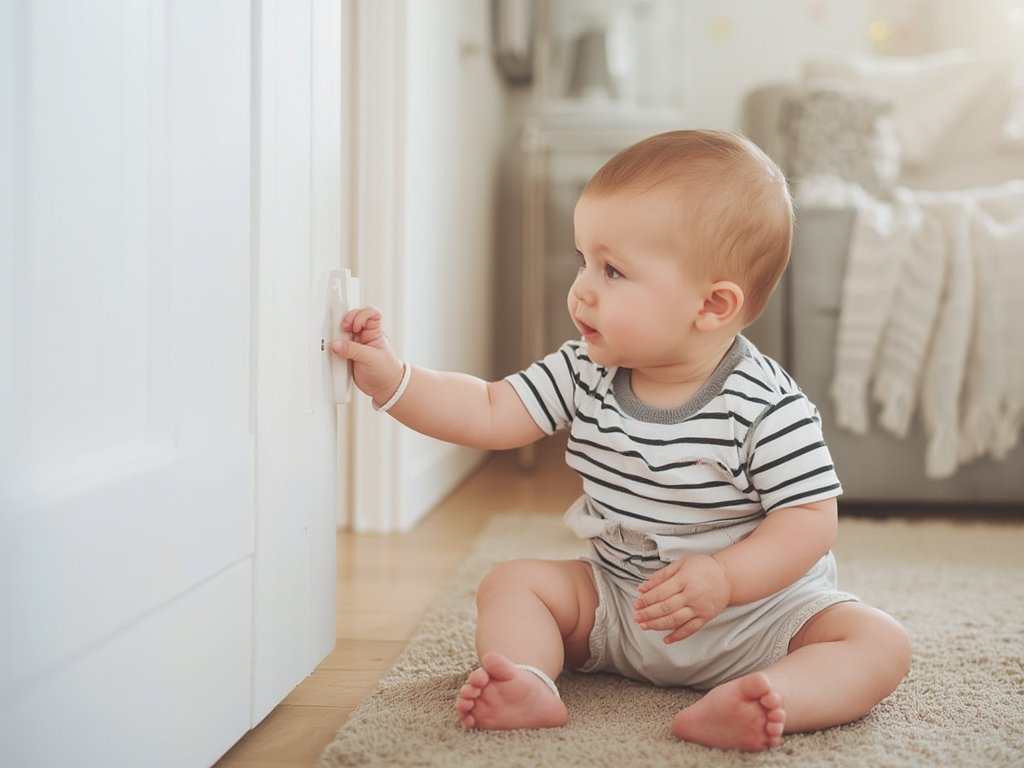
A baby proofing checklist is a comprehensive guide that helps parents systematically identify and address potential dangers throughout their home. This essential tool categorizes safety measures by room and developmental stage, ensuring no hazards are overlooked. Unlike random safety installations, a structured checklist ensures methodical protection that evolves as your baby grows from a newborn to an active toddler.
The most effective baby proofing checklist approaches safety in layers: addressing floor-level hazards for crawlers, securing furniture for pullers and climbers, and protecting against accessible dangers for walkers and climbers. This systematic approach provides parents with clear action steps rather than overwhelming them with a massive list of safety concerns all at once.
Why Baby Proofing Checklist Matters for Your Baby’s Development
Creating safe exploration spaces directly impacts your child’s cognitive and physical development. When babies can safely explore their environment, they build crucial neural connections that support learning and problem-solving. Home safety for infants isn’t just about preventing accidents—it’s about creating an environment that encourages healthy development.
Research shows that babies in properly baby-proofed homes typically:
- Demonstrate increased confidence in exploration
- Develop stronger gross motor skills through uninhibited movement
- Experience fewer interruptions during crucial play-learning activities
- Build greater independence as they navigate safe spaces
A thorough baby proofing checklist also significantly reduces parental stress, allowing you to be more present and engaged rather than constantly intervening to prevent potential accidents.

- Essential safety items for multiple rooms
- 4 Cabinet Slide Locks for preventing access to double door cabinets
- 6 Grip ‘n Twist Door Knob Covers to keep adult-only rooms off-limits
- 30 Cabinet & Drawer Latches to help keep items inside away from curious children
Common Myths About Baby Proofing Checklist
Many parents encounter misleading information that can compromise their child’s safety. Let’s debunk some common misconceptions:
Myth #1: “You only need to baby-proof once.”
Reality: Baby proofing is an evolving process that changes with your child’s development. What works for a crawler won’t suffice for a climber.
Myth #2: “Baby proofing means your house must look like a padded cell.”
Reality: Modern safety products are designed to blend with home aesthetics while providing protection. Effective baby proofing checklist implementation can be both functional and visually pleasing.
Myth #3: “You can just watch your baby instead of baby-proofing.”
Reality: Even the most attentive parents can’t maintain 100% supervision. Accidents can happen in seconds, making systematic home safety essential rather than optional.
Myth #4: “Baby gates and cabinet locks are enough.”
Reality: Comprehensive home safety for infants requires addressing multiple hazard categories, from electrical dangers to furniture anchoring and beyond.

- SAFE & STABLE DESIGN – Features a dual-lock mechanism and sturdy metal construction to create a reliable baby gate / pet gate barrier. Keeps babies and pets safely away from hazardous areas while giving parents peace of mind.
- WIDE FIT & EASY ACCESS – Fits openings up to 51.5 inches wide with an included anti-trip pedal. The main door offers a 22.3″ walk-through width, making it convenient for strollers or daily household traffic.
- CONVENIENT AUTO-CLOSE FUNCTION – Door swings both ways for flexible entry. It automatically closes when opened at a certain angle, and stays open at 90° or more for hands-free use—ideal for busy families.
- PRESSURE OR HARDWARE MOUNT – Choose the right installation for your home: pressure mount is wall-friendly and withstands up to 150N pulling force, while hardware mount provides extra security at stair tops, supporting up to 210N pulling force.
- VERSATILE INSTALLATION OPTIONS – Includes Y-shaped bolts to fit round stair railings, plus wall cups for baseboards to ensure a stable fit even in tricky spaces. Perfect as a stair gate, hallway gate, or doorway gate in multiple scenarios.
Essential Items & Supplies for Baby Proofing Checklist
Must-Have Products for Baby Proofing Checklist
Creating a safe home environment requires specific safety equipment for different areas. Here’s a comprehensive breakdown of essential products for your baby proofing checklist:
| Area | Essential Products | Purpose |
|---|---|---|
| Doorways & Stairs | Pressure-mounted and hardware-mounted gates | Prevent falls and restrict access to unsafe areas |
| Furniture | Anti-tip straps, corner protectors, edge guards | Prevent tipping hazards and cushion sharp corners |
| Electrical | Outlet covers, cord shorteners, cord covers | Prevent electrical shocks and strangulation hazards |
| Cabinets | Magnetic locks, adhesive locks, sliding locks | Keep dangerous items and chemicals inaccessible |
| Windows | Window guards, cord winders, window stops | Prevent falls and strangulation from blind cords |
| Bathroom | Toilet locks, faucet covers, non-slip mats | Prevent drowning and scalding injuries |
| Kitchen | Stove knob covers, oven door locks, appliance locks | Prevent burns and access to dangerous appliances |
These items form the foundation of comprehensive home safety for infants and should be installed before your baby becomes mobile.
Optional but Helpful Items
Beyond the essentials, these supplementary items can provide additional protection:
- Furniture anchoring kits: Secure bookcases, dressers, and TV stands to walls
- Doorknob covers: Prevent access to rooms with potential hazards
- Fireplace bumpers and hearth guards: Protect against hard edges around fireplaces
- Safety monitoring systems: Video monitors with room temperature displays
- Finger pinch guards: Prevent painful finger injuries from closing doors
- Soft furniture corner cushions: Additional protection for active toddlers
- Bathtub thermometers: Prevent scalding during bath time
While not absolutely essential, these items address specific risks that may be present in your home environment and enhance your baby proofing checklist.
Budget-Friendly Alternatives
Safety doesn’t have to break the bank. Consider these cost-effective alternatives:
- Use hair ties or rubber bands wrapped around cabinet handles instead of purchased locks
- Create homemade door pinch guards using pool noodles cut lengthwise
- Use tension rods as temporary barriers for smaller spaces
- Repurpose foam pipe insulation as edge protectors for furniture
- Use painter’s tape to secure cords to baseboards instead of purchasing cord covers
- Shop secondhand for safety gates and playpens
- Join local parenting groups to swap safety equipment as your child outgrows different stages
Remember that while DIY solutions can save money, they should never compromise safety. Only use alternatives that provide equivalent protection to commercial products.
Guide to Baby Proofing Checklist
Preparation Steps
Before implementing your baby proofing checklist, proper preparation ensures you’ll create a comprehensive safety plan:
Conduct a crawling-level home assessment: Get down on your hands and knees to see your home from your baby’s perspective. Look for hazards at their eye level.
Document danger zones: Create a list of all potential hazards by room, including:
- Sharp corners and edges
- Unstable furniture
- Accessible electrical outlets and cords
- Chemical storage areas
- Choking hazards (items smaller than a toilet paper tube)
- Strangulation risks (cords, strings, window coverings)
Prioritize by developmental stage: Organize your baby proofing checklist based on your baby’s current abilities and upcoming milestones:
- Immediate needs (current mobility level)
- Short-term needs (next developmental stage)
- Long-term safety planning (climbing, opening cabinets)
Research product options: Investigate safety products that match your home’s aesthetics and specific needs, focusing on home safety for infants equipment with strong safety ratings.
Create a budget and timeline: Allocate funds for essential items first, then add supplementary protection as budget allows.
Implementation Process
Follow this step-by-step process to methodically baby-proof your home:
Start with the most frequented rooms: Focus first on the nursery, living room, and kitchen where your baby spends most time.
Secure furniture and eliminate tipping hazards:
- Anchor tall furniture to walls
- Remove unstable items
- Secure TVs with mounting brackets or anchors
Address electrical hazards:
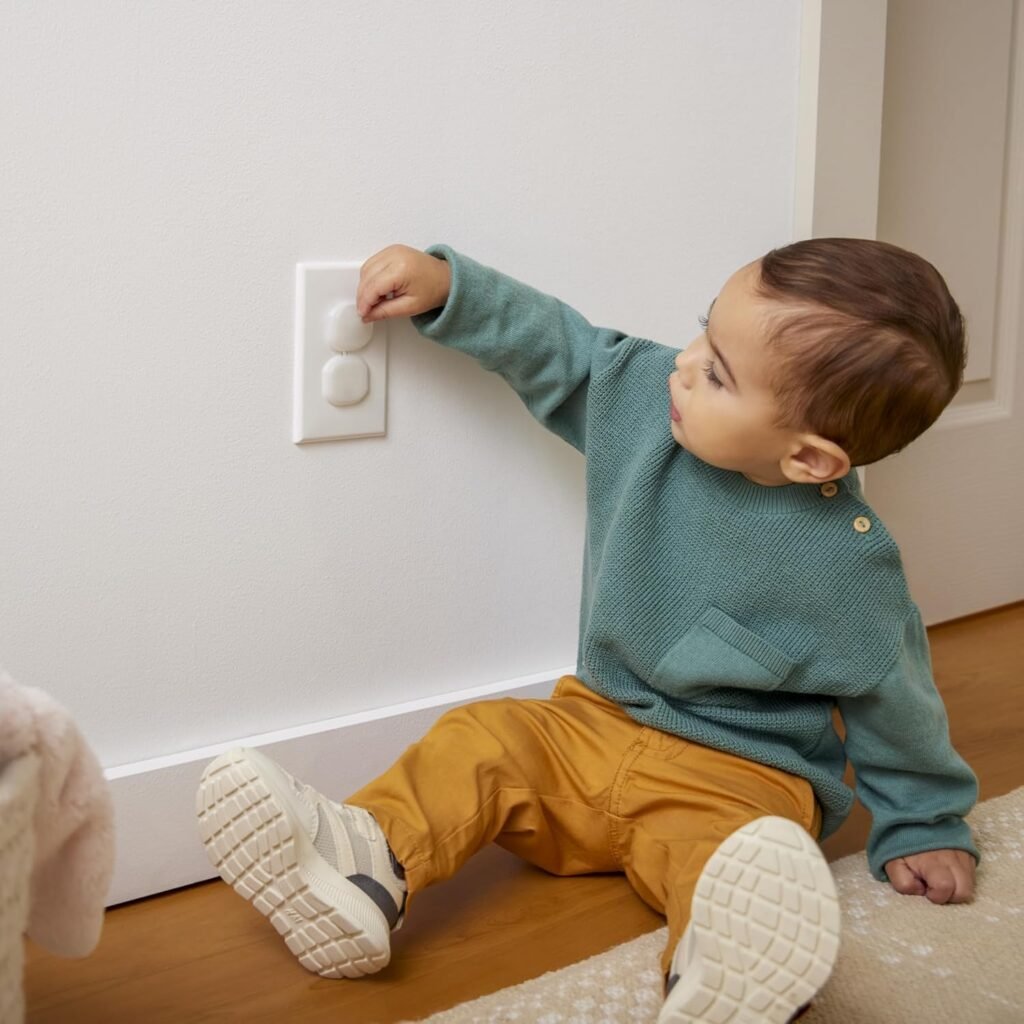
- Cover all outlets
- Secure and hide electrical cords
- Remove unnecessary extension cords
Secure cabinets and drawers:
- Install locks on cabinets containing chemicals, medicines, or sharp objects
- Use drawer stops to prevent finger pinching
- Reorganize to move dangerous items to higher locations
Install barriers and gates:
- Place gates at stairways (top and bottom)
- Block access to unsafe rooms
- Create safe play zones in open areas
Eliminate choking and suffocation hazards:
- Remove small objects from baby’s reach
- Secure window blind cords
- Check for small toys or items that could be accessed
Protect against burns and scalds:
- Adjust water heater to 120°F maximum
- Install stove guards and knob covers
- Secure oven doors
Implement bathroom safety:
- Install toilet locks
- Use non-slip mats
- Store medicines in locked cabinets
- Never leave water in tubs unattended
Test all safety measures by attempting to defeat them yourself (pull on gates, try to open locked cabinets).
Re-evaluate monthly as your baby develops new skills and abilities.

- Safer, Stronger Baby Gate – Protect What Matters: Keep your baby or pet safe from staircases and off-limit areas. This m…
- Award-Winning Safety Trusted by Families: Cumbor’s baby gate is proudly a Mom’s Choice Award recipient, chosen by real p…
- Easy Walk-Through, No Trips or Hurdles: The main door offers a 22.3″ walk-through width, which is wider than most walk-t…
Troubleshooting Common Issues
Even with careful planning, you may encounter challenges with your baby proofing checklist implementation:
Problem: Baby defeats cabinet locks
Solution: Upgrade to magnetic locks that install inside cabinets or use multiple securing mechanisms for determined toddlers.
Problem: Pressure-mounted gates don’t stay secure
Solution: Switch to hardware-mounted gates for stairs and high-traffic areas. Reserve pressure gates only for level-floor, low-risk dividing areas.
Problem: Furniture anchors won’t work with your walls
Solution: For plaster or unusual wall materials, consult with a professional installer who can recommend appropriate anchoring solutions for your specific wall type.
Problem: Pets need access to rooms baby cannot enter
Solution: Install pet doors in baby gates or use height-adjustable gates that allow pets to go underneath while keeping baby secure.
Problem: Rental property restrictions
Solution: Use temporary mounting solutions with command strips, utilize more freestanding barriers, and focus on reorganization to move hazards completely out of reach.
Top 5 Benefits of Baby Proofing Checklist for Baby & Parents
Developmental & Health Benefits for Baby
Implementing a thorough baby proofing checklist provides significant advantages for your child’s development:
Enhanced Cognitive Development: When babies can safely explore their environment without constant interruption, they develop stronger problem-solving skills and spatial awareness. Studies show that babies who explore freely develop better object permanence and cause-and-effect understanding.
Improved Physical Development: Safe exploration spaces promote motor skill development as babies learn to navigate their surroundings confidently. This leads to stronger muscles, better coordination, and more refined movement patterns.
Reduced Injury Risk: The most obvious benefit is prevention of common childhood injuries like falls, burns, poisonings, and choking. Statistics show that comprehensive home safety for infants can reduce household accidents by up to 70%.
Better Sleep Patterns: A safe environment allows parents to create truly sleep-conducive spaces without worrying about hazards, supporting healthier sleep routines for developing brains.
Increased Confidence and Independence: When babies can explore without constant redirection, they develop greater self-confidence and autonomous play skills, building the foundation for healthy independence.
Advantages for Parents
The benefits extend beyond your baby to improve your parenting experience:
Reduced Anxiety: A thoroughly baby-proofed home significantly reduces parental stress and vigilance fatigue. You’ll feel more confident allowing exploration when you’ve addressed safety concerns systematically.
More Quality Interaction: Instead of constantly saying “no” or redirecting your child, you can focus on positive interactions and guidance. This fosters a more relaxed, enjoyable parenting experience.
Better Sleep: Parents report improved sleep quality when they know their home is secure, especially once mobile babies transition to toddler beds.
Fewer Emergency Situations: Comprehensive baby proofing checklist implementation dramatically reduces trips to urgent care or emergency rooms for preventable injuries.
Increased Household Harmony: With proper safety measures in place, there’s less conflict between childcare providers, parents, and other household members about safety concerns.
Long-Term Impact on Family Wellbeing
The effects of thorough baby proofing extend far beyond infancy:
Foundation for Safety Consciousness: Children raised in thoughtfully protected environments develop stronger personal safety awareness as they grow.
Established Family Safety Culture: Early attention to baby proofing checklist implementation sets the tone for ongoing family safety practices that evolve as children develop.
Reduced Medical Expenses: Preventing serious injuries through proper home safety measures saves families from potential financial hardship due to medical bills.
Enhanced Trust and Security: Children develop a foundational sense of security when their environment consistently protects them, contributing to healthier emotional development and attachment patterns.
Transferable Safety Habits: Safety practices learned through baby proofing often transfer to other areas of family life, creating more mindful approaches to activities like travel, outdoor recreation, and visiting others’ homes.
Expert Tips, Alternative Methods & Age-Specific Advice
Tips for Newborns (0-3 Months)
While newborns have limited mobility, this is the perfect time to begin your baby proofing checklist implementation:
Create a safe sleep environment: Follow AAP guidelines with a firm mattress, fitted sheet only, and no loose bedding, pillows, or toys in the crib.
Position furniture strategically: Arrange nursery furniture away from windows, heaters, and cord hazards.
Check nursery temperature: Install room thermometers to maintain optimal sleeping temperature (68-72°F).
Secure baby gear: Ensure all equipment meets current safety standards and register products for recall notifications.
Begin researching safety products: Start acquiring essential home safety for infants equipment before you need it—babies become mobile faster than expected!
Install smoke and carbon monoxide detectors: Verify all detectors function properly and have battery backups.
Establish safe carrying practices: Create clear pathways through your home to prevent trips and falls while carrying your newborn.
Adjustments for Older Babies & Toddlers (3+ Months)
As your baby becomes mobile, your baby proofing checklist must evolve:
For Crawlers (6-9 months):
- Secure all furniture to walls
- Install outlet covers throughout the home
- Place gates at stairs and hazardous areas
- Move houseplants out of reach
- Secure blind cords and draperies
- Remove or secure floor lamps that could be pulled over
For Cruisers and Early Walkers (9-12 months):
- Install doorknob covers on doors to unsafe areas
- Add foam edge protectors to furniture corners
- Secure items on coffee tables or remove them entirely
- Lock cabinets containing cleaning supplies and medications
- Place toilet locks and keep bathroom doors closed
- Use appliance locks on refrigerators, dishwashers, and ovens
For Toddlers (12+ months):
- Implement more sophisticated locks as fine motor skills develop
- Secure windows with guards that prevent falls but allow emergency escape
- Install stove knob covers and oven door locks
- Use door pinch guards to prevent finger injuries
- Switch to hardware-mounted gates as climbing skills improve
- Secure heavy furniture like bookshelves and dressers to walls
Alternative Methods & Different Parenting Styles
Different parenting philosophies approach baby proofing checklist implementation with varying perspectives:
Montessori Approach:
- Focus on creating “yes spaces” where everything is safe to explore
- Use low, open shelving with carefully selected safe items
- Minimize gates and barriers in favor of teaching boundaries
- Install child-height mirrors and artwork for sensory exploration
- Provide real tools and items when possible (ceramic dishes, glass cups) under supervision to teach careful handling
Minimalist Parenting:
- Reduce the need for extensive baby proofing by simplifying possessions
- Focus on teaching boundaries rather than installing numerous devices
- Create dedicated safe play areas rather than whole-house proofing
- Use furniture arrangement to block unsafe areas
- Implement consistent routines around hazardous activities
Attachment Parenting:
- Create safe floor spaces for extended contact play
- Design spaces that facilitate constant supervision
- Focus on responsiveness to cues rather than physical barriers
- Balance protection with allowing natural consequence learning (within safe parameters)
- Consider extended room-sharing arrangements for nighttime safety
No matter your parenting style, certain home safety for infants measures remain non-negotiable: securing furniture, preventing falls, eliminating poisoning risks, and protecting against choking and suffocation hazards.
Conclusion
Creating a comprehensive baby proofing checklist is one of the most important tasks you’ll undertake as a parent. By methodically addressing potential hazards room-by-room and adjusting your approach as your baby develops, you create an environment where your child can explore, learn, and thrive safely.
Remember that baby proofing isn’t a one-time event but an evolving process that requires regular reassessment. The effort you invest now in implementing thorough home safety for infants measures will provide immeasurable peace of mind and significantly reduce the risk of preventable injuries.
The most effective baby proofing checklist approaches balance protection with the opportunity for exploration—creating boundaries that keep your child safe while still allowing them the freedom to develop crucial skills through independent discovery.
As you implement the safety measures outlined in this guide, remember that supervision remains your most powerful safety tool. No amount of baby proofing replaces attentive parenting, but a well-secured home gives you the confidence to say “yes” more often to your curious explorer.
Share your own baby proofing tips or questions in the comments below! Have you discovered innovative solutions to unique safety challenges in your home? Pin this guide for future reference as your baby reaches new developmental milestones, and explore our related article on baby care tips for more essential parenting advice.
FAQs
When should I start implementing my baby proofing checklist?
The ideal time to start implementing your baby proofing checklist is during pregnancy or at least 3 months before your baby is expected to become mobile. This proactive approach gives you ample time to thoroughly assess your home, research and purchase appropriate safety products, and install them correctly without the pressure of an already-mobile baby. Remember that babies typically begin rolling between 3-4 months, crawling between 6-10 months, and walking between 9-15 months, but these milestones can occur earlier.
Begin with the most critical safety measures like furniture anchoring, outlet covers, and cabinet locks in the primary living areas. Then systematically work through other spaces based on how frequently your baby will access them. Creating a phased implementation plan for your baby proofing checklist makes the process more manageable while ensuring you’re always one step ahead of your baby’s developing mobility.
What are the most dangerous household items I should address first on my baby proofing checklist?
When prioritizing your baby proofing checklist, focus first on hazards that could cause serious injury or death. Secure furniture and televisions to prevent tip-overs, which cause an average of 15,600 injuries annually according to the Consumer Product Safety Commission. Install safety gates at stairways to prevent falls, which are the leading cause of non-fatal injuries in children under 5.
Next, address poisoning risks by securing all medications, cleaning supplies, and chemicals with childproof locks. Cover electrical outlets and secure cords to prevent shock hazards. In the kitchen, install stove knob covers and appliance locks to prevent burns, which send over 65,000 children to emergency rooms annually.
Window blind cords pose strangulation risks and should be secured or replaced with cordless models. In the bathroom, prevent drowning risks with toilet locks and never leave standing water unattended. Completing these high-priority items on your baby proofing checklist first provides protection against the most serious potential injuries.
How can I baby proof my home on a tight budget?
Creating an effective baby proofing checklist on a limited budget is entirely possible with these strategies:
First, prioritize the most critical safety items: furniture anchors, outlet covers, and basic cabinet locks. These essential home safety for infants products are relatively inexpensive but address serious hazards.
Explore secondhand options through local parent groups, Facebook Marketplace, or thrift stores for more expensive items like safety gates. Just ensure used items still meet current safety standards and haven’t been recalled.
Consider DIY alternatives: use hair ties or rubber bands for simple cabinet locks, repurpose pool noodles as edge bumpers, or create barriers with furniture rearrangement instead of purchasing gates for every doorway.
Take advantage of baby safety registry completion discounts, sign up for manufacturer newsletters for coupons, or purchase multi-packs of safety items to reduce per-unit costs. Some local health departments and community centers offer free basic safety items for families on tight budgets.
Remember that implementing your baby proofing checklist in phases allows you to spread costs over time while still maintaining essential safety.
How do I baby proof my home for multiple children at different developmental stages?
Creating a baby proofing checklist for multiple children requires a layered approach that addresses various developmental needs simultaneously. Start by identifying each child’s specific risks based on their abilities—while your crawler needs floor-level protection, your toddler requires protection from climbing hazards.
Consider creating zone-based safety areas when possible. Designate a fully baby-proofed area for your youngest while establishing “big kid zones” with appropriate toys for older children that are inaccessible to younger siblings. Use play yards or room dividers to separate these spaces when direct supervision isn’t possible.
Teach older children about keeping small toys and potential hazards away from younger siblings, making safety awareness a family responsibility. Install double-action locks or height-positioned locks that younger children can’t reach but older ones can manage with instruction.
For shared bedrooms, consider toddler-safe toy storage solutions like closed cabinets with magnetic locks rather than open toy boxes. When updating your baby proofing checklist for multiple children, remember that the highest level of protection needed for any child should be implemented in common areas.
How do I know if my baby proofing checklist is complete and effective?
Evaluating the effectiveness of your baby proofing checklist implementation requires both systematic assessment and ongoing observation. Start with a comprehensive room-by-room safety audit, testing all installed devices by attempting to defeat them as a determined child might—pull on gates, tug at cabinet locks, and check if furniture can still tip when climbed upon.
Conduct a crawl-through inspection by getting down to your baby’s eye level to identify hazards you might miss from an adult perspective. Look for small objects, accessible cords, or overlooked pinch points that weren’t obvious during initial planning.
Consider requesting a safety evaluation from an objective third party, such as another parent or a professional childproofer who might spot risks you’ve grown accustomed to seeing. Many pediatricians can provide baby proofing checklist resources specific to your child’s developmental stage.
Establish a regular reassessment schedule tied to your baby’s developmental milestones. What was perfectly safe for a crawler requires updating once pulling up and climbing begin. Remember that effective home safety for infants is never truly “complete” but evolves continuously as your child grows and develops new abilities.