
This post may contain Affiliate links. If you buy anything via the link, I will earn a small commission without any effect on your payment. Thank you for your support.
Introduction
Are you searching for nutritious, safe snack options for your little one? As your baby transitions to solid foods, choosing organic baby snacks becomes a priority for many health-conscious parents. With countless options lining store shelves, finding truly wholesome choices can feel overwhelming. The right healthy baby snacks not only satisfy your child’s hunger but also support crucial developmental milestones.
In this comprehensive guide, we’ll explore everything you need to know about selecting, preparing, and serving the best organic snacks for your growing baby. From understanding ingredient labels to age-appropriate options, you’ll discover how to confidently navigate this important aspect of your baby’s nutrition journey. Let’s dive into the world of nutritious, delicious options that both you and your baby will love!
Understanding Organic Baby Snacks – What Every Parent Should Know
What Are Organic Baby Snacks?
Organic baby snacks are food products specifically formulated for infants and toddlers that are produced without synthetic pesticides, chemical fertilizers, genetically modified organisms (GMOs), or artificial preservatives, colors, or flavors. These snacks must meet strict certification requirements established by regulatory bodies like the USDA in the United States or similar organizations worldwide. The certification process ensures that ingredients are grown using sustainable farming practices that prioritize soil health, ecosystem balance, and reduced environmental impact.
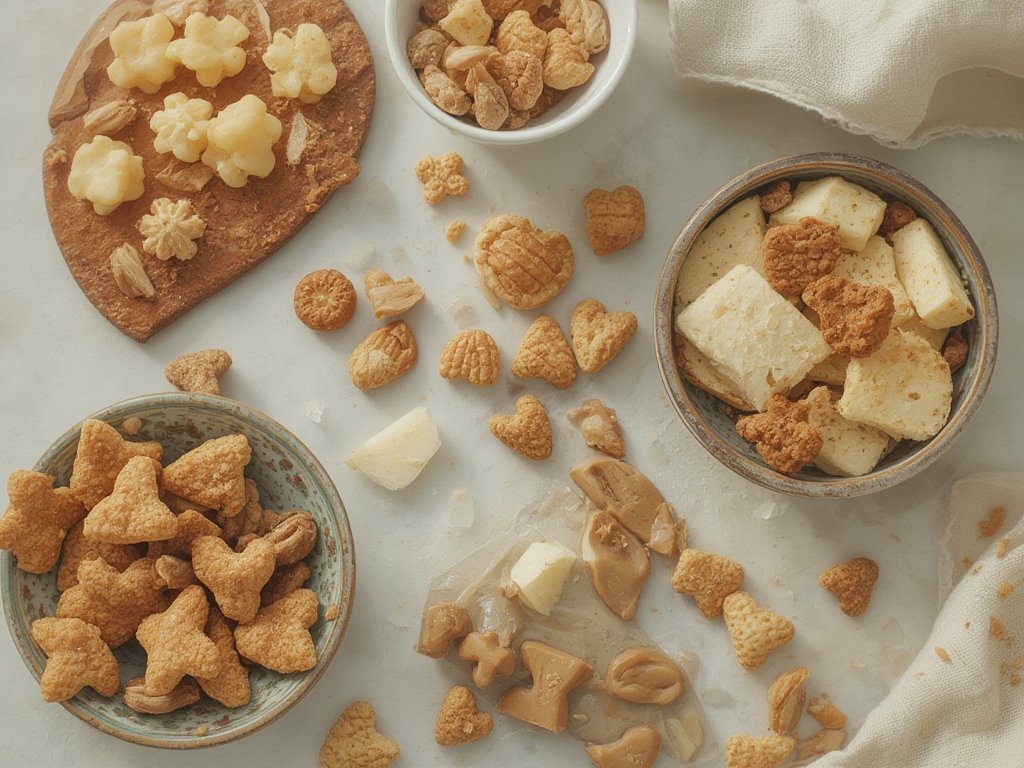
Unlike conventional baby food products, organic baby snacks contain ingredients that haven’t been exposed to potentially harmful chemicals during cultivation. This means the fruits, vegetables, grains, and other components have been grown in cleaner soil and water, creating a purer foundation for your baby’s developing digestive system. Common options include freeze-dried fruit pieces, vegetable-based puffs, whole grain crackers, and soft cereal bites designed specifically for little ones at various developmental stages.
Why Organic Baby Snacks Matter for Your Baby’s Development
The first three years of life represent a critical period in your child’s physical and neurological development. During this time, babies are especially vulnerable to environmental toxins and chemicals that may impact their growing bodies and developing immune systems. Organic baby snacks provide several developmental advantages:
- Reduced pesticide exposure: Studies show that children exposed to fewer pesticides demonstrate better cognitive development and fewer attention-related challenges.
- Cleaner nutrient profile: Organic farming practices often result in foods with higher antioxidant levels and beneficial nutrients.
- Immune system support: Without artificial additives and preservatives, organic snacks place less stress on developing immune systems.
- Taste development: Many parents report that organic foods have more complex, natural flavors that help babies develop diverse palates.
- Digestive system benefits: The absence of artificial ingredients may reduce digestive discomfort and potential allergic reactions in sensitive babies.
By choosing organic options during these foundational years, parents create a nutritional environment that supports optimal brain development, immune function, and overall health.
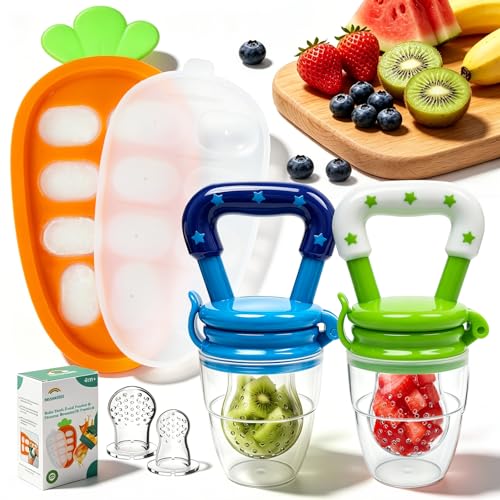
- COMPLETE 5-PIECE FEEDING SET: Includes 2 assembled baby fruit feeders, 1 freezer tray, 1 small replacement pouch, and 1 large replacement pouch. Each feeder arrives with a medium pouch pre-installed, giving you 4 silicone pouches total in 3 sizes.
- 3 POUCH SIZES FOR AGES 4-24 MONTHS: The small pouch is recommended for babies 4-6 months, the medium pouch for 6-9 months, and the large pouch for 10-24 months. Use the age ranges as a guide and choose according to your baby’s feeding readiness, food texture, and portion size.
- SERVE FRESH OR FROZEN FOODS: Add soft fruits, steamed vegetables, puree, yogurt, or prepared frozen breast milk portions. The included freezer tray makes it easy to prepare individual portions in advance for feeding at home or while traveling.
- EASY-GRIP BPA-FREE SILICONE DESIGN: Rounded handles are comfortable for little hands to hold during self-feeding. The soft perforated pouches release small amounts of food while helping keep larger pieces contained. Free from BPA, latex, lead, and phthalates.
- FULLY DETACHABLE FOR THOROUGH CLEANING: Each feeder comes completely apart so the silicone pouch, handle, locking ring, and other components can be washed separately. Wide openings make food residue easier to reach, and the removable parts are dishwasher safe.
Common Myths About Organic Baby Snacks
Despite growing popularity, several misconceptions about organic baby snacks persist:
Myth 1: All organic snacks are nutritionally superior.
While organic products avoid certain chemicals, not all organic snacks are created equal. Some may still contain added sugars or salt. Always check ingredient lists and nutritional information, not just the organic label.
Myth 2: Homemade is always better than store-bought organic options.
While homemade baby food offers many benefits, properly manufactured organic snacks can provide consistent nutrition and convenience, especially when traveling or for busy parents. Both approaches can be part of a healthy feeding strategy.
Myth 3: Organic baby food is too expensive to be practical.
While organic options typically cost more than conventional alternatives, strategic shopping (buying in bulk, watching for sales, using subscription services) can make them more affordable. Additionally, many parents find the potential health benefits worth the additional cost.
Myth 4: Babies can’t tell the difference between organic and conventional foods.
Research suggests babies may actually prefer the more robust flavors often found in organically grown produce, potentially encouraging healthier eating habits as they grow.
Essential Items & Supplies for Organic Baby Snacks
Must-Have Products for Organic Baby Snacks
Creating a well-equipped kitchen for preparing and serving organic baby snacks ensures you can consistently provide nutritious options for your little one:
Food processor or blender: Essential for pureeing fruits and vegetables or making homemade teething biscuits and crackers.
Silicone ice cube trays: Perfect for freezing homemade purees in baby-sized portions that can be thawed individually.
Reusable food pouches: Environmentally friendly alternatives to store-bought pouches that allow you to fill with homemade applesauce, yogurt, or vegetable blends.
Snack containers with dividers: BPA-free containers with multiple compartments help maintain food separation and freshness while on the go.
Baby-safe food storage containers: Glass or stainless steel options without harmful chemicals for storing homemade or opened store-bought healthy baby snacks.
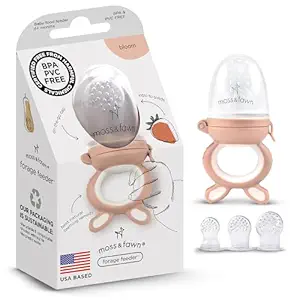
Mesh or silicone feeders: Allow babies to safely explore whole fruits and vegetables without choking hazards by containing food within a mesh or silicone chamber.
Air-tight storage system: Maintains freshness of dry organic snacks like puffs or crackers between servings.

- EFFORTLESS PUREE PREPARATION: Simplify your baby food prep with our innovative press & store unit, designed to help parents easily store pure, wholesome homemade purees for their little ones
- CONVENIENCE AT YOUR FINGERTIPS: Includes 5 reusable squeeze pouches, ensuring you’re always ready for mealtime or snacks on the go
- USER-FRIENDLY DESIGN: Our 4-step process (insert and screw, pour, press, and squeeze) is a breeze to follow. The clear tubes feature measuring lines for proper portioning
- BATCH PREP MADE EASY: With the capacity to fill 3 squeeze pouches simultaneously, our station streamlines your food prep, saving time and keeping your fridge stocked with ready-to-eat, nutritious purees
- MESS-FREE AND STABLE: Features a non-skid base to keep the unit stable during use, preventing spills and ensuring a smooth, mess-free experience
Optional but Helpful Items
These additional tools can elevate your organic snack preparation and serving experience:
- Food dehydrator: Creates homemade, preservative-free dried fruit snacks that store well and travel easily.
- Silicone baking molds: Perfect for making homemade teething biscuits, mini muffins, or freezing pureed food into manageable shapes.
- Portable snack dispensers: Spill-proof containers that dispense items like puffs or cereal one piece at a time.
- Food scissors: Designed specifically for cutting food into baby-safe pieces quickly.
- Reusable silicone food bags: Environmentally friendly alternatives to plastic bags for storing snacks on the go.
- Baby-specific spice set: Organic spices without additives to introduce flavor variety to homemade snacks.
Budget-Friendly Alternatives
Creating nutritious organic baby snacks doesn’t have to break the bank:
- Regular ice cube trays: Standard trays work well for freezing purees if baby-specific trays aren’t available.
- Regular food processor: No need for a baby-specific food processor; your existing kitchen equipment works perfectly.
- DIY food pouches: Create your own from reusable squeeze bottles or repurpose clean store-bought pouches temporarily.
- Bulk purchasing: Buy organic ingredients in larger quantities and prepare multiple batches at once to freeze.
- Seasonal shopping: Purchase organic produce when in season for significant cost savings.
- Store-brand organic options: Many grocery chains now offer affordable organic store-brand alternatives that meet the same certification standards as premium brands.
Guide to Organic Baby Snacks

Preparation Steps
Before introducing organic baby snacks, take these important preliminary steps:
Consult your pediatrician: Discuss your baby’s readiness for solid foods and specific snacks, particularly if there’s a family history of allergies.
Create a feeding schedule: Integrate snacks appropriately between main meals without disrupting your baby’s appetite or milk/formula intake.
Thoroughly wash produce: Even organic fruits and vegetables should be washed carefully to remove any remaining soil or potential contaminants.
Check for recalls: Before purchasing packaged organic baby snacks, check for any recent recalls or safety notices about specific brands or products.
Verify organic certification: Look for legitimate certification logos (USDA Organic, EU Organic, etc.) rather than just “natural” claims.
Prepare your feeding area: Create a clean, comfortable space with appropriate high chairs or seating that supports proper posture during snack time.

- 𝗦𝘁𝗲𝗮𝗺𝗶𝗻𝗴 𝗮𝗻𝗱 𝗕𝗹𝗲𝗻𝗱𝗶𝗻𝗴 𝗶𝗻 𝗢𝗻𝗲: The height of the blender container is 4.13 inches, and the outer diameter is 4.17 inches.This GROWNSY baby food maker thoughtfully designed for babies 6 months+ during the weaning stage.It seamlessly combines steaming and blending in a single device, simplifying meal prep and eliminating the need for extra kitchen tools. The built-in sterilizer mode saves time and effort, giving you more precious moments with your baby.
- 𝗡𝘂𝘁𝗿𝗶𝗲𝗻𝘁-𝗣𝗿𝗲𝘀𝗲𝗿𝘃𝗶𝗻𝗴 𝗦𝘁𝗲𝗮𝗺𝗶𝗻𝗴 𝗕𝗮𝘀𝗸𝗲𝘁: The elevated design of our steaming basket enables true steam cooking, minimizing nutrient loss while protecting water-soluble vitamins B and C by avoiding boiling—a key standard for any baby feeding essentials. This ensures your baby enjoys maximum nutrition in every meal.
- 𝗧𝘄𝗼 𝗠𝗶𝘅𝗶𝗻𝗴 𝗠𝗼𝗱𝗲𝘀: This baby food steamer and blender simplifies starting solids and everyday baby meal prep with smart digital controls. Choose between auto or manual mixing modes to precisely control food consistency, meeting your baby’s taste preferences. It’s versatile enough for the whole family, perfect for making juice, steamed veggies, and more.
- 𝗧𝗿𝗶𝘁𝗮𝗻-𝗕𝗮𝗯𝘆 & 𝗧𝗼𝗱𝗱𝗹𝗲𝗿-𝗦𝗮𝗳𝗲 𝗠𝗮𝘁𝗲𝗿𝗶𝗮𝗹:The GROWNSY baby food processor bowl is made from high-grade, heat-resistant Tritan, free from BPA, lead, phthalates, odors, and latex making it a trusted must-have for any 6 months+ baby registry.With GROWNSY, you can trust that every meal you prepare is safe and healthy for your baby.
- 𝗧𝗵𝗼𝘂𝗴𝗵𝘁𝗳𝘂𝗹 𝗚𝗶𝗳𝘁 & 𝗘𝘅𝗰𝗲𝗹𝗹𝗲𝗻𝘁 𝗖𝘂𝘀𝘁𝗼𝗺𝗲𝗿 𝗖𝗮𝗿𝗲: Ideal for baby shower gifts, Mother’s Day, Thanksgiving, or Christmas, our baby food blender comes with a recipe book to help create nutritious meals and explore baby-led weaning. We provide 1-year warranty, 24/7 customer service, and lifetime technical support. For any concerns, please feel free to contact us.
- Complete Components & Easy Setup:Please refer to the included user manual to check all components and follow the setup instructions before use. If you have any questions about product parts or usage, our customer support team is ready to assist.
- Customized Food Preparation for Better Blending Results:For best use experience, prepare ingredients by cutting them into small pieces, adjusting water amounts based on ingredient types, and selecting suitable blending time. These steps help users prepare homemade baby food with different textures and consistencies.
- Steam & Blend Tips for Better Results:Follow the recommended water level, ingredient preparation, and operating steps in the user manual to achieve optimal steaming and blending performance. Proper preparation helps create smooth homemade baby food with the desired texture.
Implementation Process
Follow these steps when introducing healthy baby snacks to your little one:
Start with single ingredients: Introduce one new food at a time (waiting 3-5 days between new items) to easily identify any potential allergic reactions.
Begin with soft textures: For babies just starting solids (around 6 months), choose easily dissolvable options like organic rice puffs or soft, ripe fruit pieces.
Gradually increase texture complexity: As your baby develops, introduce more textured snacks like soft cooked organic vegetables or whole grain crackers that promote chewing skills.
Offer appropriate portions: Start with small amounts (1-2 tablespoons) and follow your baby’s hunger cues rather than forcing them to finish.
Introduce variety gradually: Once individual foods are established as safe, begin offering combinations of flavors and textures to develop a diverse palate.
Create a positive atmosphere: Make snack time engaging and stress-free, without distractions like screens that disconnect babies from their eating experience.
Model healthy eating: Eat healthy baby snacks alongside your child to demonstrate enjoyment of nutritious foods.
Troubleshooting Common Issues
Even with careful planning, challenges may arise:
Problem: Baby refuses new snacks
Solution: Offer rejected foods multiple times (often 10-15 exposures are needed before acceptance). Try different preparations or temperatures of the same food. Pair new foods with familiar favorites.
Problem: Gagging during snack time
Solution: Ensure food pieces are age-appropriate. Remember that mild gagging is normal as babies learn to manage textures. Stay calm, as your reaction influences your baby’s experience.
Problem: Organic snacks spoil quickly
Solution: Store properly in airtight containers. Freeze homemade items in small portions. Purchase smaller packages of commercial snacks and use within recommended timeframes after opening.
Problem: Constipation after introducing certain snacks
Solution: Ensure adequate hydration. Focus on high-fiber options like organic prunes or pears. Limit binding foods like bananas temporarily. Consult your pediatrician if constipation persists.
Top 5 Benefits of Organic Baby Snacks for Baby & Parents
Developmental & Health Benefits for Baby
Reduced exposure to harmful chemicals: Organic baby snacks contain ingredients grown without synthetic pesticides and fertilizers, minimizing your baby’s exposure to potentially harmful substances during critical developmental periods. Research suggests that children with lower pesticide exposure show better cognitive development outcomes.
Enhanced nutritional profile: Studies indicate organic fruits and vegetables often contain higher levels of certain beneficial compounds like antioxidants and vitamin C. These nutrients support immune function and overall development during the rapid growth phases of infancy and toddlerhood.
Development of diverse food preferences: Organic foods typically maintain more of their natural flavors, helping babies develop broader palates and potentially reducing picky eating tendencies later in childhood. Early exposure to varied flavors establishes healthier eating patterns that can last a lifetime.
Improved digestive comfort: The absence of artificial additives, preservatives, and processing aids often makes organic baby snacks easier for immature digestive systems to process. Many parents report less gas, reflux, and digestive discomfort when switching to organic options.
Environmental health protection: By choosing organic, you’re supporting agricultural practices that protect the environmental systems your child will inherit. Reduced pesticide runoff and sustainable farming practices contribute to cleaner air, water, and soil for future generations.
Advantages for Parents
Choosing organic baby snacks offers significant benefits beyond your baby’s immediate health:
Peace of mind: Parents report reduced anxiety about food safety when providing certified organic options, knowing they’ve minimized exposure to potentially harmful agricultural chemicals.
Simplified decision-making: The organic certification provides a reliable standard that simplifies shopping decisions during the already overwhelming early parenting years.
Educational opportunity: The process of selecting organic foods often leads parents to become more informed consumers overall, developing knowledge that benefits the entire family’s nutrition.
Consistency with family values: For families already prioritizing environmental sustainability, animal welfare, or health-conscious eating, organic baby foods align with existing household values.
Community connection: Choosing local, organic options often connects families with their local agricultural community through farmers’ markets and CSA (Community Supported Agriculture) programs.
Long-Term Impact on Family Wellbeing
The choice to provide organic baby snacks creates ripple effects throughout family life:
Establishment of healthy family food culture: Starting with organic options for your baby often catalyzes healthier eating habits for the entire household, as parents become more ingredient-conscious.
Potential healthcare savings: While research is ongoing, some studies suggest that children with diets higher in organic foods may experience fewer allergies and certain health issues, potentially reducing long-term healthcare costs.
Environmental literacy: Children raised understanding the value of organic food are more likely to develop environmental awareness and sustainable consumption habits.
Reduced food waste: The typically higher cost of organic options often motivates families to develop better food storage practices, meal planning, and creative usage of leftovers to maximize their investment.
Connection to food sources: Families who prioritize organic eating often develop stronger connections to food production through activities like gardening, farm visits, or community agriculture projects.
Expert Tips, Alternative Methods & Age-Specific Advice
Tips for Newborns to 6 Months
During this pre-solid food stage, preparation for future organic baby snacks is key:
- Breastfeed when possible: Breast milk is nature’s original organic food, with flavors changing based on maternal diet, which helps develop your baby’s palate.
- Choose organic formula if needed: If using formula, consider organic options that avoid GMOs and pesticide residues.
- Plan ahead: Research organic baby food brands, learn about homemade options, and prepare for the transition to solids around 6 months.
- Introduce variety through breast milk: If breastfeeding, eating a varied organic diet yourself can expose your baby to different flavors through your milk.
- Observe for potential sensitivities: Watch for reactions to foods in your diet that may transfer through breast milk, which could indicate future sensitivities.
Adjustments for Older Babies & Toddlers (6+ Months)
As your baby grows, their snack needs evolve:
6-8 Months:
- Begin with simple, single-ingredient organic baby snacks like mashed banana, avocado, or sweet potato
- Introduce organic rice puffs or teething biscuits that dissolve easily
- Focus on finger foods that promote pincer grasp development
9-12 Months:
- Gradually introduce more complex textures and combinations
- Try small pieces of organic cheese, soft fruits, and well-cooked vegetables
- Begin exploring organic whole grain options like small pasta pieces or soft bread strips
12-24 Months:
- Transition to a more diverse range of healthy baby snacks with varied textures
- Introduce new flavors including mild herbs and spices
- Create balanced snack plates with protein, whole grain, and produce components
- Limit added sugars, focusing instead on naturally sweet organic fruits
Alternative Methods & Different Parenting Styles
Organic baby snacks can be incorporated into various feeding philosophies:
Baby-Led Weaning Approach:
- Skip purees entirely and offer appropriate-sized pieces of soft organic foods
- Focus on foods baby can grasp and self-feed from the start
- Choose organic options with shapes and textures babies can manage independently
- Ensure all foods are soft enough to be mashed with gentle pressure
Traditional Spoon-Feeding Method:
- Begin with organic pureed single ingredients before progressing to textured combinations
- Gradually introduce finger snacks alongside pureed options
- Choose organic pouches for convenience while traveling
- Create homemade purees using organic ingredients in bulk for freezing
Montessori-Inspired Feeding:
- Provide child-sized real dishes and utensils for snack time
- Involve your child in simple food preparation activities when age-appropriate
- Create accessible snack stations with pre-portioned organic options
- Focus on independent feeding skills and food choices within appropriate boundaries
Conclusion
Incorporating organic baby snacks into your child’s diet represents an investment in their immediate wellbeing and long-term health. Throughout this guide, we’ve explored how these carefully produced foods minimize exposure to potentially harmful chemicals during crucial developmental periods while maximizing nutritional benefits. From understanding certification labels to preparing age-appropriate options, you now have a comprehensive foundation for making informed choices about your baby’s nutrition.
Remember that transitioning to organic baby snacks doesn’t need to be overwhelming or happen overnight. Start with a few key items, perhaps focusing on the foods your baby consumes most frequently, then gradually expand your organic selections as budget and availability allow. The combination of homemade and carefully selected commercial options gives you flexibility while maintaining your commitment to quality nutrition.
Most importantly, approach feeding with patience and positivity. Your baby is developing lifelong relationships with food under your guidance, and keeping mealtimes relaxed and enjoyable matters as much as the specific foods you offer. Trust your instincts, observe your baby’s unique preferences and reactions, and celebrate each small step toward establishing healthy eating patterns that will benefit them throughout life.
Have you introduced organic baby snacks to your little one? Share your experience in the comments below! For more comprehensive parenting guidance, explore our related articles on baby nutrition and development milestones.
FAQ: Common Questions About Organic Baby Snacks
Q1: When can I safely introduce organic baby snacks to my infant’s diet?
Most pediatricians recommend introducing solid foods, including appropriate organic baby snacks, around 6 months of age, when babies typically develop the necessary oral motor skills and digestive readiness. Look for these readiness signs: sitting with minimal support, showing interest in your food, diminished tongue-thrust reflex, and able to move food from the front to the back of the mouth. Always begin with simple, single-ingredient organic options like mashed banana, avocado, or sweet potato before moving to combination snacks.
For younger babies between 4-6 months showing readiness signs, consult your pediatrician first. Remember that milk (breast milk or formula) remains the primary nutritional source throughout the first year, with snacks gradually complementing this foundation. Start with just 1-2 teaspoons of a new food, watching for any potential allergic reactions for 3-5 days before introducing another new item. This methodical approach makes identifying any sensitivities easier while gradually expanding your baby’s palate with nutritious organic options.
Q2: How can I identify truly organic baby snacks versus those with misleading labels?
Navigating food labels can be challenging, but certain markers help identify genuine organic baby snacks. First, look for official certification logos from recognized organizations like USDA Organic (United States), EU Organic (European Union), or similar regional certifications. These indicate the product meets specific standards regarding prohibited substances and production methods. Be wary of vague terms like “natural,” “pure,” or “simple,” which have no regulated definitions and don’t guarantee organic standards.
Check the ingredient list thoroughly. Legitimate organic baby snacks shouldn’t contain artificial preservatives, colors, flavors, or sweeteners. Look for the word “organic” before individual ingredients—some products may contain a mix of organic and conventional ingredients. The “100% Organic” label means all ingredients meet organic standards, while “Organic” means at least 95% of ingredients are organic. “Made with Organic Ingredients” indicates at least 70% organic content. When in doubt, research the manufacturer’s reputation and certification process or use barcode scanning apps that provide detailed product information beyond what appears on labels.
Q3: Are homemade organic baby snacks better than store-bought options?
Both homemade and commercial organic baby snacks have distinct advantages, and most parents find that a combination works best. Homemade options allow complete control over ingredients, preparation methods, textures, and flavors. They typically cost less per serving and generate less packaging waste. You can customize them precisely to your baby’s preferences and any dietary considerations, gradually adjusting textures as your baby develops.
Commercial organic baby snacks, however, offer considerable convenience, especially when traveling or during busy periods. They undergo rigorous safety testing and nutritional analysis, providing consistent quality and shelf stability. Many commercial options are specifically formulated with age-appropriate textures and nutritional profiles that can be difficult to replicate at home. The ideal approach for most families combines homemade options when time permits with trusted store-bought alternatives for convenience. Even parents who prefer homemade foods appreciate having reliable packaged healthy baby snacks available for on-the-go situations or unexpected schedule changes.
Q4: Which organic baby snacks are best for managing teething discomfort?
Teething babies benefit from organic baby snacks that provide both nutritional value and gum relief. Frozen organic foods work particularly well: try organic banana chunks, peeled apple slices, or steamed carrot sticks that have been chilled (not fully frozen) to provide cooling relief without being too hard. Organic cucumber sticks (peeled and chilled) offer satisfying texture and cooling comfort. Commercial organic teething biscuits or wafers that dissolve easily can be effective, but check ingredients carefully to avoid added sugars.
Homemade options include frozen organic yogurt drops (made with plain, organic whole-milk yogurt) or mesh feeders filled with frozen organic fruit pieces. Some parents create organic frozen puree pops using silicone molds with handles designed for little hands. Cold temperature provides natural pain relief while the various textures help massage sore gums. Always supervise your baby closely during teething snack time to prevent choking hazards, and opt for larger pieces they can gnaw on rather than small bits that could be aspirated. Remember that the best organic baby snacks for teething combine appropriate texture, temperature, and nutritional benefits while avoiding added sugars that could contribute to dental issues as teeth emerge.
Q5: How can I make organic baby snacks more affordable for our family?
Making organic baby snacks budget-friendly requires strategic approaches. Start by prioritizing the “Clean Fifteen” and “Dirty Dozen” lists from the Environmental Working Group, focusing your organic budget on fruits and vegetables with typically higher pesticide residues while choosing conventional options for those with minimal residue concerns. Buy organic fruits and vegetables in season when prices drop, then prepare and freeze portions for later use.
Consider store-brand organic lines, which often meet identical certification standards as name brands at lower prices. Bulk purchasing of organic ingredients like oats, rice, quinoa, and dried fruits can significantly reduce per-serving costs when making homemade snacks. Join organic buying clubs or cooperatives in your community to access wholesale pricing. Subscribe to delivery services for organic baby products, which typically offer 5-15% savings through subscription models.
Start a small container garden for organic herbs and certain vegetables, even in limited space. For commercial organic baby snacks, watch for sales, use manufacturer coupons, and consider store loyalty programs that offer additional discounts on organic items. Remember that making your own versions of popular organic snacks (like teething biscuits, fruit leather, or vegetable puffs) nearly always costs less than pre-packaged alternatives, especially when ingredients are purchased strategically.