This post may contain Affiliate links. If you buy anything via the link, I will earn a small commission without any effect on your payment. Thank you for your support.
Understanding Non-Toxic Toy Brands – What Every Parent Should Know
When it comes to our children’s toys, safety should always be the top priority. As parents, we want to ensure that everything our little ones touch, chew on, and play with is free from harmful chemicals and toxins. Non toxic toy brands have become increasingly popular as awareness grows about the potential dangers of certain materials used in conventional toys. With countless options flooding the market, it’s crucial to understand what makes a toy truly safe and which brands you can trust with your child’s health and wellbeing.
What Are Non-Toxic Toy Brands?
Non-toxic toy brands are manufacturers that prioritize child safety by creating products free from potentially harmful substances such as BPA, PVC, phthalates, lead, and other concerning chemicals. These companies typically use natural, organic, or sustainably sourced materials like untreated wood, organic cotton, natural rubber, and water-based paints and finishes. They often exceed standard safety regulations, undergo rigorous third-party testing, and maintain transparent practices about their manufacturing processes and materials.
What sets these companies apart is their commitment to creating safe toys without compromising on quality, durability, or play value. Many non-toxic brands also emphasize environmental sustainability, fair labor practices, and ethical production methods, making them a holistic choice for conscientious parents.

- Smart Storage for a Tidy Play Space: Designed with upper and lower cabinets featuring clear acrylic doors, four soft felt storage bins, and built-in hooks, this play kitchen makes it easy for kids to organize utensils, pots, and toy food. It encourages clean-up habits and independent play through fun, hands-on organization.
- Realistic Pretend Cooking Experience: Equipped with a pretend stove with clickable knobs, a rotating faucet, a functional sink, and multiple cupboards, this kitchen set creates an immersive cooking experience where kids can cook, wash, and store just like adults.
- Extra-Large Countertop for Shared Play: The spacious 31″ x 12″ countertop gives plenty of room for two children to play together or for parents to join in, encouraging cooperative play, sharing, and imaginative role-play scenarios.
- Safe & Durable Wooden Construction: Crafted from premium wood with smooth, rounded edges, this play kitchen is finished with water-based, non-toxic paint and BPA-free surface materials. Built for everyday play, it meets ASTM F963 and EN71 safety standards, giving parents peace of mind.
- Basic Kitchen Accessories Included: Comes with pots, cookware, and kitchen utensils for endless pretend play. All accessories can be neatly stored in the cabinets, felt bins, or on built-in hooks to keep everything organized after playtime.
Why Non-Toxic Toy Brands Matter for Your Baby’s Development
The importance of choosing non-toxic toy brands extends beyond immediate safety concerns to long-term developmental health. Babies and young children explore their environment primarily through touch and taste, frequently putting toys in their mouths as part of their sensory learning process. This oral exploration means that any chemicals in toys can potentially be ingested.
Research has linked certain chemicals commonly found in conventional toys to various health issues:
- Phthalates and BPA may disrupt hormonal development
- Lead exposure can impair cognitive development and cause neurological damage
- PVC and synthetic materials can trigger allergic reactions and respiratory issues
- Chemical flame retardants have been associated with various health concerns
By choosing Non-toxic toy brands from reputable brands, you’re supporting healthy brain development, reducing allergy risks, and protecting your child’s developing endocrine and immune systems.
Common Myths About Non-Toxic Toy Brands
Despite the growing popularity of non-toxic toy brands, several misconceptions persist:
Myth 1: Non-toxic toys are prohibitively expensive.
While some premium non-toxic options can be pricier than mass-produced plastic toys, many affordable brands offer excellent quality at reasonable prices. Additionally, these toys often last longer and can be passed down to siblings or other children, making them more cost-effective in the long run.
Myth 2: Non-toxic toys are less fun or engaging.
The truth is that natural materials often provide richer sensory experiences and encourage more creative, open-ended play. Many non-toxic toys are designed with child development experts to maximize educational value and engagement.
Myth 3: If a toy is on the market, it must be safe.
Unfortunately, toy safety regulations have gaps, and enforcement isn’t always consistent. Just because a toy is available for purchase doesn’t guarantee it’s free from potentially harmful substances, which is why researching reputable non-toxic toy brands is essential.
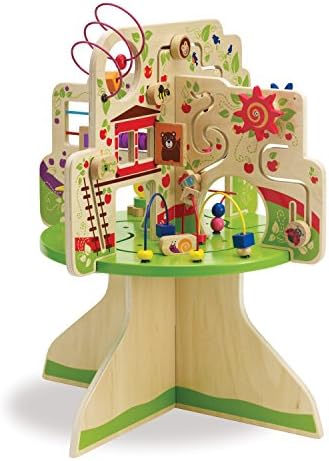
- HANDS-ON LEARNING FUN: The Tree Top Adventure wooden toddler toy is packed full of motor skill activities. Your little one won’t even know they’re practicing their fine and gross motor skills as they investigate all of the features offered by this tree-themed activity center.
- ACTIVITY CENTER FEATURES: With gliders, springy flaps, spinning dials, bead runs, and shape recognition, classic toddler activities are packed tightly into this motor skill developmental toy. When toddlers are engaged and happy, so are their caregivers.
- THE DETAILS MATTER: Colorful, highly detailed graphics abound on this activity stand, with a bright palette to instantly capture and hold your little one’s attention. While exploring all of the activity features, the Tree Top Adventure will send imaginations to the clouds.
- WOODEN TOY FOR TODDLERS: This wooden activity toy for toddlers measures 22.5″ Tall and 18″ Wide, with a water-based, non-toxic finish, and is a suitable toy for 1 year and up – a perfect first birthday gift, nursery toy, or children’s room décor piece.
- STANDING BY OUR BRAND: If you are reading this, you have found a safe toy from a real company and a brand that cares. Since 1978, Manhattan Toy has been a trusted source of imaginative toys for babies, toddlers, and kids of all ages. All of our toys are rigorously safety tested and every toy has our 800 number with a dedicated customer support team to answer your call.
Essential Items & Supplies for Non-Toxic Toy Collections
Must-Have Products from Non-Toxic Toy Brands
Building a safe toy collection starts with these essential items made by reputable non-toxic toy brands:
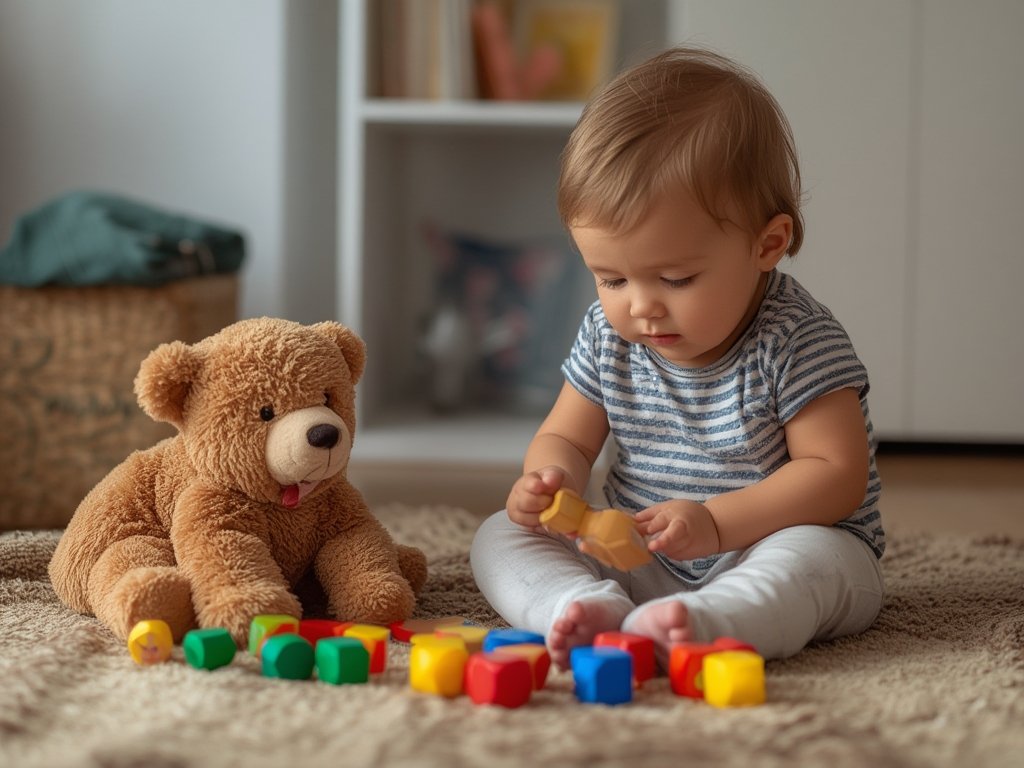
Wooden Blocks: A timeless toy that supports spatial reasoning, creativity, and fine motor skills. Look for blocks made from sustainably harvested wood with non-toxic finishes.
Natural Teethers: Rubber or wooden teethers provide relief for teething babies without exposing them to harmful chemicals. Opt for single-piece designs without small parts.
Organic Stuffed Animals: Soft companions made from organic cotton, wool, or linen with natural dyes and stuffing offer comfort without chemical exposure.
Silicone Sensory Toys: Food-grade silicone toys provide interesting textures and colors for sensory exploration without the concerns associated with plastic.
Wooden Puzzles: Simple puzzles with chunky pieces help develop problem-solving skills and hand-eye coordination. Choose versions with water-based colors and finishes.
These foundational toys support various developmental stages while providing peace of mind about material safety.
Optional but Helpful Items
To expand your child’s safe toys collection, consider these wonderful additions:
Play Silks: Versatile, open-ended toys that can become costumes, landscapes, or fort materials while introducing textures and encouraging imaginative play.
Wooden Musical Instruments: Simple drums, xylophones, or shakers made from natural materials introduce musical concepts and auditory stimulation.
Non-Toxic Art Supplies: Natural clay, beeswax crayons, and plant-based paints allow creative expression without chemical exposure.
Wooden Play Kitchen Items: Pretend play tools made from wood support social development and practical life skills learning.
Balance Boards: Simple wooden balance toys promote gross motor development and physical confidence in a natural way.
These supplementary items enhance play possibilities while maintaining your commitment to safety.
Budget-Friendly Alternatives
Creating a non-toxic toy collection doesn’t have to break the bank. Consider these affordable approaches:
Second-hand shopping: Many high-quality non-toxic toy brands retain their value and can be purchased pre-loved at significant discounts.
Toy libraries or exchanges: Join community toy-sharing programs to access a variety of safe toys without purchasing everything new.
DIY natural toys: Create simple toys using untreated wood blocks, organic fabric scraps, or other natural materials.
Seasonal sales and starter sets: Many non-toxic brands offer discounted bundles or seasonal promotions that make their products more accessible.
Focus on versatility: Invest in fewer, more versatile toys that can be used in multiple ways as your child grows, rather than single-purpose items.
With thoughtful planning, building a safe toy collection can be achievable for any budget.
Guide to Non-Toxic Toy Brands
Preparation Steps
Before diving into shopping for non-toxic toy brands, take these important preparation steps:
Research harmful materials to avoid: Familiarize yourself with concerning chemicals like BPA, PVC, phthalates, lead, cadmium, and formaldehyde so you can recognize red flags.
Understand toy safety certifications: Learn about meaningful certifications such as GOTS (Global Organic Textile Standard), FSC (Forest Stewardship Council), and ASTM F963 (Standard Consumer Safety Specification for Toy Safety).
Identify your priorities: Decide which aspects of non-toxic toys matter most to you—whether it’s organic materials, sustainable production, local manufacturing, or specific safety features.
Set a realistic budget: Determine how much you can spend and where you might want to invest in higher-quality pieces versus where more affordable options would work.
Assess your space: Consider how much storage you have available and how this might influence the size and quantity of toys you purchase.
Taking time for this groundwork will make the selection process much more straightforward and ensure your purchases align with your family’s values.

- ENCOURAGES FINE MOTOR SKILLS: Babies and toddlers will enjoy pushing the chunky blocks of this baby shape sorter toy through the elastic bands, strengthening hand-eye coordination and grasping abilities.
- BOOSTS TACTILE EXPLORATION: This baby learning toy with six chunky blocks featuring fun textures promotes sensory development and helps children explore various tactile sensations.
- PROMOTES EXPERIMENTATION: As kids push blocks through the elastic bands of this shape sorter toy, their curiosity is sparked, leading to endless experimentation and learning opportunities
- DURABLE FOR YOUNG CHILDREN: Made without BPA materials, this infant sensory toy is for ages 10 months and up, for long-lasting and worry-free playtime.
- CONVENIENT SIZE FOR LITTLE HANDS: Measuring 5.5 inches on each side with 2-inch blocks, this baby cube toy is for tiny hands to grasp and manipulate
Implementation Process
Follow these steps to build a thoughtful collection of toys from non-toxic toy brands:
Start with age-appropriate basics: Begin with fundamental toys that support your child’s current developmental stage.
Research specific brands: Investigate the top non-toxic toy brands in the market, reviewing their materials, manufacturing processes, and safety testing protocols.
Read product descriptions carefully: Look beyond marketing claims to specific details about materials, finishes, dyes, and country of manufacture.
Check for recalls and reviews: Before purchasing, verify that products haven’t been subject to safety recalls and read parent reviews about durability and play value.
Start small and expand gradually: Rather than completely overhauling your toy collection at once, introduce non-toxic options gradually, replacing conventional toys as needed.
Rotate toys regularly: Implement a toy rotation system to keep play fresh and engaging while allowing you to build your collection over time.
Clean and maintain properly: Follow manufacturer guidelines for cleaning and maintaining natural toys to ensure their longevity and continued safety.
This methodical approach helps create a purposeful collection of safe toys that will grow with your child.
Troubleshooting Common Issues
Parents often encounter these challenges when switching to non-toxic toy brands:
Problem: Natural toys developing mold or mildew.
Solution: Store wooden and fabric toys in dry areas with good air circulation. Clean wooden toys with a mixture of white vinegar and water, and wash fabric toys according to manufacturer instructions regularly.
Problem: Children showing less interest in simpler non-toxic toys.
Solution: Demonstrate engaging ways to play with open-ended toys, rotate toys regularly to maintain novelty, and gradually transition away from electronic or overstimulating toys.
Problem: Family members continuing to give conventional plastic toys.
Solution: Create a wish list of specific non-toxic toy brands for gift-giving occasions, educate family about your preferences, or suggest alternative gifts like experience presents or contributions to larger toy purchases.
Problem: Difficulty determining if a brand is truly non-toxic.
Solution: Look for detailed material disclosures, third-party certifications, and transparent manufacturing information. Contact companies directly with specific questions if information is unclear.
Top 5 Benefits of Non-Toxic Toy Brands for Baby & Parents
Developmental & Health Benefits for Baby
Choosing non-toxic toy brands offers these significant advantages for your child:
Reduced chemical exposure: By eliminating harmful substances from playthings, you minimize your child’s cumulative exposure to endocrine disruptors and other potentially harmful chemicals during critical developmental periods.
Enhanced sensory development: Natural materials like wood, cotton, wool, and rubber offer authentic sensory experiences with varied textures, weights, temperatures, and properties that plastic toys can’t replicate, supporting richer sensory integration.
Improved creativity and imagination: Simpler, less prescriptive toys from non-toxic toy brands often encourage more creative, open-ended play where children invent scenarios and solutions rather than following predetermined play patterns.
Better focus and attention span: Natural toys typically don’t include flashing lights or electronic sounds that can overstimulate children. This encourages deeper concentration and longer attention spans during play sessions.
Reduced allergy and asthma triggers: Many conventional toys contain materials that can trigger allergic reactions or respiratory issues in sensitive children. Non-toxic alternatives minimize these risks, particularly for children with existing sensitivities.
These benefits contribute to healthier development across physical, cognitive, and emotional domains.
Advantages for Parents
Parents also enjoy several benefits when choosing non-toxic toy brands:
Peace of mind: Knowing your child’s toys are free from harmful chemicals reduces worry about potential health impacts of play materials.
Durability and longevity: Well-made natural toys often last longer than plastic alternatives, making them more cost-effective over time and suitable for passing down to siblings or other children.
Reduced environmental impact: Sustainable materials and manufacturing processes mean these toys have a smaller ecological footprint, aligning with many families’ environmental values.
Aesthetic home environment: Natural toys typically feature timeless designs and pleasing aesthetics that integrate harmoniously into home decor, unlike brightly colored plastic toys that can visually overwhelm living spaces.
Simplified cleanup and organization: With fewer battery-operated or multi-part toys, cleanup becomes more straightforward, and there’s less concern about lost pieces or battery replacement.
These practical advantages make safe toys a win for the whole family.
Long-Term Impact on Family Wellbeing
The decision to choose non-toxic toy brands creates lasting positive effects:
Establishing healthy consumer habits: Children learn to value quality, safety, and sustainability in the products they use, laying groundwork for conscious consumption patterns.
Creating healthier home environments: Reducing synthetic materials and potential toxins contributes to better indoor air quality and overall home health.
Supporting ethical businesses: Purchasing from companies committed to safety, sustainability, and ethical production strengthens the market for responsible manufacturing.
Developing deeper play patterns: Children raised with simpler, high-quality toys often develop more profound play capabilities, better problem-solving skills, and stronger imagination.
Building family values around health and sustainability: Your toy choices communicate and reinforce family values regarding health, environmental responsibility, and mindful consumption.
These long-term benefits extend well beyond childhood, influencing your family’s approach to consumption and wellness for years to come.
Top 10 Non-Toxic Toy Brands That Stand Out
The Leading Non-Toxic Toy Brands for Different Age Groups
Here’s a comprehensive comparison of the top non-toxic toy brands parents consistently trust:
| Brand | Best For Ages | Materials Used | Certifications | Standout Products |
|---|---|---|---|---|
| PlanToys | 0-8 years | Sustainable rubberwood, water-based dyes, non-formaldehyde glue | FSC-certified, ASTM compliance | Sensory blocks, push toys, pretend play sets |
| Grimm’s | 0-10+ years | Untreated lime wood, non-toxic water-based stains | CE certified, ASTM compliance | Rainbow stacker, building blocks, math toys |
| Hevea | 0-3 years | Natural rubber | Plastic-free, BPA-free | Teethers, bath toys, pacifiers |
| Under the Nile | 0-5 years | 100% organic Egyptian cotton | GOTS certified | Stuffed animals, rattles, dolls |
| Hape | 0-8 years | Bamboo, wood, water-based paints | FSC certified, ASTM compliance | Musical instruments, pull toys, kitchen sets |
| Milton & Goose | 2-10 years | Solid maple and birch, non-toxic finishes | ASTM compliance, Greenguard Gold | Play kitchens, furniture, food toys |
| Green Toys | 0-8 years | Recycled plastic (milk jugs) | FDA food-contact safe | Vehicles, outdoor toys, bath toys |
| Maple Landmark | 0-10+ years | Locally-sourced hardwoods | CPSC compliant | Name trains, blocks, puzzles |
| Sarah’s Silks | 0-10+ years | Natural silk, cotton, wool | GOTS certified textiles | Play silks, dress-up items, puppets |
| Lovevery | 0-4 years | FSC-certified wood, organic cotton, silicone | ASTM compliance | Subscription play kits, developmental toys |
When evaluating which non-toxic toy brands might work best for your family, consider your child’s developmental stage, play preferences, and your specific safety priorities.
What Sets the Top Brands Apart
The best non-toxic toy brands distinguish themselves through:
Material transparency: They clearly disclose all materials, including finishes, dyes, and adhesives.
Third-party testing: Beyond required safety standards, they invest in additional verification from independent laboratories.
Sustainable practices: They demonstrate commitment to environmental responsibility throughout their supply chain.
Developmental design: Their products are thoughtfully created to support specific developmental milestones.
Customer service: They respond thoroughly to safety inquiries and stand behind their products with strong guarantees.
These differentiating factors help parents identify truly exceptional brands committed to both safety and quality.
How to Verify Brand Claims
To ensure non-toxic toy brands live up to their marketing:
Look beyond “natural” claims: Request specific information about materials, finishes, and production methods.
Check for certifications: Legitimate certifications require rigorous compliance and regular audits.
Research manufacturing locations: Different countries have varying safety standards and enforcement.
Read the fine print: Product descriptions should contain detailed material information, not just vague reassurances.
Contact the company directly: Reputable brands willingly provide detailed information about their safety testing and materials.
Consult independent reviews: Organizations like Made Safe, Environmental Working Group, or Consumer Reports often evaluate toy safety.
This verification process helps ensure you’re choosing genuinely safe toys from authentic non-toxic toy brands.
Conclusion
Choosing non-toxic toy brands represents one of the most important decisions you can make for your child’s healthy development and safety. By selecting toys made from natural, sustainable materials free from harmful chemicals, you’re protecting your little one during their most vulnerable developmental stages while supporting companies committed to higher safety and ethical standards.
The top non-toxic toy brands we’ve explored offer excellent options for every age, developmental stage, and interest, proving that safety doesn’t require sacrificing fun, educational value, or aesthetic appeal. From classic wooden blocks and silicone teethers to imaginative play sets and sensory-rich materials, these brands demonstrate that toys can be both delightful and safe.
Building a thoughtful collection of safe toys is a journey rather than a destination. Start with a few essential pieces from reputable non-toxic toy brands, educate family members about your preferences, and gradually transition toward a play environment that aligns with your values around health, development, and sustainability.
Remember that your choices today influence not just your child’s immediate safety but potentially their lifelong relationship with consumption, health awareness, and environmental responsibility. By prioritizing quality over quantity and safety over novelty, you’re investing in both your child’s wellbeing and a healthier future for all children.
What has been your experience with non-toxic toy brands? Share your favorite safe toy discoveries in the comments below!
FAQs
How can I tell if a toy brand is truly non-toxic?
Identifying genuinely non-toxic toy brands requires looking beyond marketing claims to specific material disclosures and certifications. Start by checking for detailed information about all components—not just primary materials but also paints, finishes, adhesives, and any treatments. Legitimate non-toxic brands willingly disclose this information on packaging, websites, or upon request.
Look for recognized third-party certifications like GOTS (for organic textiles), FSC (for sustainable wood sourcing), or Greenguard Gold (for low chemical emissions). Companies committed to safety typically undergo voluntary additional testing beyond minimum requirements. Another telling sign is transparency about manufacturing locations and processes—trustworthy non-toxic toy brands will share specific information about where and how their products are made.
Finally, test their customer service by asking detailed questions about materials and testing protocols. Truly safe brands respond thoroughly and promptly to safety inquiries. Remember that terms like “natural,” “eco-friendly,” or “green” aren’t regulated claims, so specific material information is always more reliable than broad marketing terminology.
Are wooden toys from non-toxic toy brands always safe for babies?
Wooden toys from reputable non-toxic toy brands are generally very safe, but certain factors deserve attention. First, consider the wood source and treatment—look for hardwoods like maple or birch from sustainably managed forests, ideally with FSC certification. The finish is equally important—high-quality brands use food-grade mineral oils, beeswax, or water-based sealants rather than conventional varnishes that might contain VOCs or formaldehyde.
Check for smooth edges and construction quality, as splinters can be hazardous. For babies specifically, ensure wooden toys are sized appropriately to prevent choking hazards, with no small detachable parts. Also verify that any dyes or paints are non-toxic and firmly adhered to prevent chipping or flaking during mouthing.
Even when purchasing from trusted non-toxic toy brands, inspect wooden toys regularly for damage, as cracked or splintering wood can create hazards. Clean wooden toys periodically with mild soap and water, avoiding soaking which can cause warping or mold growth.
What materials should I absolutely avoid when selecting toys for my baby?
When choosing toys for your baby, certain materials pose significant health risks and should be avoided, regardless of brand reputation. PVC (polyvinyl chloride) plastic, often identified by recycling code #3, frequently contains phthalates and sometimes lead, both known to be potentially harmful to development. Avoid toys with a strong “new plastic” smell, which often indicates off-gassing chemicals.
Toys containing BPA (Bisphenol A) and its common substitutes BPS and BPF should also be avoided, as research suggests these chemicals can disrupt hormonal development. Be wary of painted toys without specific non-toxic paint certifications, especially older or imported toys which may contain lead paint. Avoid toys with fabric treated with flame retardants, which have been associated with endocrine disruption and other health concerns.
When researching non-toxic toy brands, also steer clear of products containing formaldehyde (sometimes found in pressed wood products), cadmium (occasionally in metal or plastic toys), and antimicrobial treatments like triclosan. Natural materials aren’t automatically safe either—avoid toys with small seeds or beans that could pose choking hazards if the toy breaks.
How do I clean and maintain toys from non-toxic toy brands?
Proper cleaning and maintenance of toys from non-toxic toy brands preserves both their safety features and longevity. For wooden toys, use a cloth dampened with mild soap and water, then dry thoroughly to prevent warping or mold growth. Periodically re-apply food-grade mineral oil or beeswax to maintain the wood’s natural beauty and protective finish.
Organic fabric toys typically include washing instructions—generally machine wash on gentle cycle with mild detergent, then air dry or tumble dry on low heat. Silicone toys can be cleaned with hot, soapy water or even run through the dishwasher (top rack) if the manufacturer specifies dishwasher safety.
Natural rubber toys should be washed with mild soap and water, then dried completely—avoid prolonged sun exposure which can degrade the rubber. For all toys from non-toxic toy brands, avoid harsh disinfectants or bleach which may damage finishes and introduce chemicals. Instead, for sanitizing when needed, use a solution of equal parts water and white vinegar or follow the specific manufacturer’s guidelines.
Regular inspection is also crucial—check for loose parts, splinters, cracks, or wear that might create safety hazards.
Are expensive non-toxic toy brands worth the investment compared to conventional toys?
The higher price point of many non-toxic toy brands often reflects several factors that make them a worthwhile investment for many families. First, consider the health value—reducing your child’s exposure to potentially harmful chemicals may help prevent health issues, which carries immeasurable worth. The materials themselves often cost more; sustainable wood, organic cotton, and natural rubber typically command higher prices than conventional plastics.
Quality construction is another factor; most premium non-toxic toys are built to last through multiple children and many years of play, often becoming family heirlooms. This durability means you’ll buy fewer replacement toys over time. Additionally, many non-toxic toy brands incorporate thoughtful developmental design, creating toys with higher play value that grow with your child.
That said, building a non-toxic toy collection doesn’t necessarily require purchasing only premium brands. Consider starting with a few high-quality essential pieces, supplemented with budget-friendly options like second-hand purchases from reputable brands, toy libraries, or simple DIY toys made from safe materials. Focus on versatile, open-ended toys that offer extended play value rather than single-purpose items, regardless of price point.