

This post may contain Affiliate links. If you buy anything via the link, I will earn a small commission without any effect on your payment. Thank you for your support.
Introduction
Is your baby fussier than usual with tiny red bumps on their delicate skin? You might be dealing with Heat rash baby, a common but uncomfortable condition that affects nearly 40% of infants during warm weather. As a parent, spotting those angry little bumps can be concerning, especially when your little one seems uncomfortable. Heat rash in babies occurs when sweat ducts become blocked, trapping moisture under the skin and causing irritation that can leave both baby and parents feeling distressed.
In this comprehensive guide, we’ll walk you through everything you need to know about identifying, treating, and preventing Heat rash baby symptoms, with practical, pediatrician-approved strategies to provide fast relief. You’ll discover the exact steps to soothe your baby’s irritated skin and prevent future outbreaks, ensuring your little one stays comfortable no matter the weather.
Understanding Heat Rash in Babies – What Every Parent Should Know

What is Heat Rash in Babies?
Heat rash baby, medically known as miliaria, is a skin condition that occurs when sweat ducts become blocked and sweat gets trapped beneath the skin. This common condition appears as clusters of tiny, often moist, red bumps that look similar to pimples or small blisters. The rash typically develops in skin folds, areas where clothing fits tightly, or places where skin rubs against skin.
For babies, the most common locations include:
- Neck folds
- Diaper area
- Armpits
- Chest and back
- Face and shoulders
Unlike other rashes, heat rash in babies develops specifically in response to heat and humidity, which explains why it’s more prevalent during summer months or in tropical climates. The condition is not contagious or dangerous, but it can cause significant discomfort for your little one.
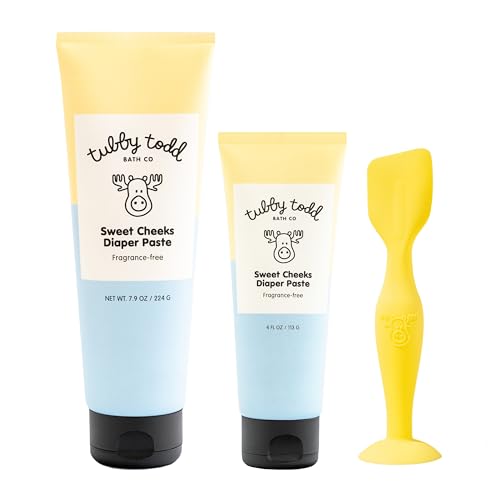
- FOR SENSITIVE SKIN: Sweet Cheeks Diaper Paste is a smooth and gentle formula designed to protect and soothe your baby’s skin from irritation, leaving it soft and rash-free.
- 14% ZINC OXIDE PROTECTION: This hypoallergenic diaper rash cream forms a strong barrier with non-nano zinc oxide to seal out wetness and shield your baby’s skin from diaper rash while soothing sensitive skin.
- ORGANIC INGREDIENTS FOR SENSITIVE SKINCARE: Formulated with sunflower, coconut, and jojoba oils, shea butter, and beeswax, this baby diaper cream offers soothing care without harsh chemicals.
- GENTLE BABY BUTT CREAM FOR DAILY USE: Hypoallergenic and dermatologist tested, this baby diaper rash cream is ideal for everyday use during diaper changes to keep your baby’s delicate skin healthy and irritation-free.
- COMPATIBLE WITH CLOTH AND DISPOSABLE DIAPERS: This diaper cream is safe for cloth diapers, providing effective protection without causing damage or significant staining, ensuring versatility for all parents.
Why Heat Rash Matters for Your Baby’s Development
While Heat rash baby isn’t typically serious, it can impact your infant’s comfort and well-being in several important ways:
Sleep disruption: Discomfort from heat rash can make it difficult for babies to settle and sleep well, affecting their mood and development.
Irritability and distress: The persistent itchiness and prickling sensation can cause babies to become fussy and irritable.
Potential complications: If left untreated, severe heat rash can occasionally lead to secondary infections when babies scratch the affected areas.
Temperature regulation challenges: Excessive heat and humidity that cause heat rash can also put babies at risk for overheating, as infants cannot regulate their body temperature as efficiently as adults.
Understanding and promptly addressing heat rash ensures your baby remains comfortable and can focus on important developmental milestones rather than being distracted by skin discomfort.
Common Myths About Heat Rash in Babies
Several misconceptions about Heat rash baby can lead to ineffective treatment or unnecessary worry:
Myth #1: Heat rash only occurs in hot weather
Truth: While more common in summer, heat rash can occur anytime babies get overheated—even in winter if they’re overdressed or in overheated rooms.
Myth #2: All baby rashes that appear in hot weather are heat rash
Truth: Several conditions can mimic heat rash, including eczema, allergic reactions, and viral rashes. Proper identification is important for correct treatment.
Myth #3: Applying baby powder prevents heat rash
Truth: Talcum-based powders are no longer recommended for babies due to inhalation risks. Instead, keeping skin dry and cool through proper clothing and environmental controls is more effective.
Myth #4: Heat rash requires medical treatment
Truth: Most cases of Heat rash baby clear up on their own with simple home measures, though severe cases may benefit from medical guidance.

- Contains 3 – 2.8 Fluid Ounce Tube of Weleda Baby Calendula Diaper Cream
- Cares for delicate skin of the diaper area with gentle and nourishing calendula, chamomile, and sweet almond and sesame oil. Soothes skin and diminishes the appearance of redness from day one
- A blend of lanolin and zinc oxide help protect your baby’s skin against dampness
- Our products are free from synthetic compounds or toxic chemicals. Instead, we use flower, fruit and root extracts, minerals and essential oils, each one carefully selected and orchestrated to work with your body’s own systems
- Nourish pure and sensitive skin with the best ingredients from nature. Experience our full range of plant-rich baby care, crafted for baby’s delicate skin
Essential Items & Supplies for Baby Heat Rash Treatment
Must-Have Products for Heat Rash in Babies
When dealing with Heat rash baby, having the right supplies on hand can make a significant difference in providing prompt relief:
Breathable cotton clothing: Lightweight, 100% cotton garments allow better air circulation and reduce friction against baby’s sensitive skin.
Calamine lotion: This gentle, cooling solution helps soothe irritated skin and reduce itchiness associated with heat rash.
Cornstarch-based powder: Unlike talcum powder, cornstarch is a safer alternative to keep skin folds dry. Apply sparingly and keep away from baby’s face to prevent inhalation.
Mild, fragrance-free soap: Gentle cleansers without harsh chemicals help clean affected areas without further irritating sensitive skin.
Cool mist humidifier: Maintains optimal humidity levels in baby’s room, preventing both excessively dry and humid conditions that can exacerbate skin issues.
Optional but Helpful Items
These additional products aren’t essential but can enhance your baby heat rash treatment efforts:
Aloe vera gel (100% pure): Provides natural, cooling relief for irritated skin when applied to affected areas.
Hydrocortisone cream (0.5%): For more severe cases, a mild over-the-counter hydrocortisone cream may be used sparingly, but only after consulting with your pediatrician.
Digital room thermometer: Helps monitor and maintain optimal temperature (68-72°F/20-22°C) in baby’s sleeping environment.
Portable fan: Creates gentle air circulation in the nursery or when traveling with baby in hot weather.
Cooling gel pads: These can be placed in the crib (under the sheet, never directly against baby’s skin) to help maintain cooler sleeping temperatures.
Budget-Friendly Alternatives
Heat rash baby treatments don’t need to be expensive. Consider these cost-effective options:
Cold compresses: Dampen a clean washcloth with cool water instead of purchasing specialized cooling products.
DIY oatmeal bath: Add colloidal oatmeal to lukewarm bathwater for soothing relief without expensive bath products.
Baking soda solution: Mix 1-2 tablespoons in a basin of cool water for a gentle, cooling sponge bath.
Cotton clothing from secondhand stores: Gently used 100% cotton garments provide the breathability needed at a fraction of the cost of new items.
Homemade cornstarch powder: Plain cornstarch from your kitchen can serve as an effective moisture-absorbing powder.
Guide to Baby Heat Rash Treatment

Preparation Steps
Before beginning baby heat rash treatment, gather all necessary supplies and prepare the environment:
Create a cool environment: Adjust room temperature to between 68-72°F (20-22°C) and ensure good air circulation with a fan if needed.
Prepare cool water: Fill a basin with room temperature or slightly cool water for bathing affected areas.
Choose appropriate clothing: Select loose-fitting, lightweight cotton garments that will minimize friction and maximize airflow.
Remove any potential irritants: Check that all baby products (soaps, lotions, detergents) are fragrance-free and hypoallergenic.
Wash your hands thoroughly: Always begin with clean hands to avoid introducing bacteria to irritated skin areas.
This preparation creates ideal conditions for treating Heat rash baby effectively while preventing further irritation.

- 3 OZ. MEDICAL GRADE HYPOCHLORUS ACID BABY SPRAY: Acts quickly to provide relief for your baby while supporting their body’s natural healing process using pediatrician recommended and clinically-proven technology; Hypochlorus Acid cleanse wounds to help skin recover faster
- DAILY SOLUTION FOR BABY SKIN CARE: Helps safely reduce minor skin irritations on babies such as diaper rashes, cradle cap, cuts, bruises, sunburns, chafing, insect bites, and safe for use on baby acne and baby eczema.
- NO STINGING OR HURTING: Non-sensitizing spray can be applied on your baby’s entire body including around their eyes, ears, mouth, and other sensitive areas without causing any stinging or discomfort.
- NATURAL AND NONTOXIC: Made up of natural ingredients that help to maintain a baby’s healthy skin using a replication of the same molecule your white blood cell produces naturally (hypochlorous, HOCl).
- SAFE ON BABIES, TOUGH ON GERMS: Formula contains no steroids, synthetic antibiotics, alcohol, or any other harsh chemicals, so you can always use it on your little one without worry.
Implementation Process
Follow these step-by-step instructions to treat heat rash in your baby:
Cool the skin: Give your baby a lukewarm bath without soap, or apply cool compresses to affected areas for 10-15 minutes.
Pat dry gently: Using a soft towel, pat (don’t rub) the skin completely dry, paying special attention to skin folds.
Allow air exposure: Let affected areas air-dry completely before dressing your baby. If possible, allow for 15-20 minutes of naked time in a comfortably cool room.
Apply soothing treatments: If recommended by your pediatrician, apply a small amount of calamine lotion or baby heat rash treatment cream to affected areas.
Dress appropriately: Put your baby in loose-fitting, 100% cotton clothing that covers affected areas without irritating them.
Monitor and maintain: Check the rash every few hours, keep the environment cool, and repeat the cooling process as needed throughout the day.
Troubleshooting Common Issues
When implementing Heat rash baby treatments, you might encounter these challenges:
Problem: Rash appears to be worsening
Solution: Ensure baby isn’t overdressed, increase air exposure time, and consider consulting your pediatrician if the rash continues to intensify or spreads.
Problem: Baby seems extremely uncomfortable or irritable
Solution: Provide more frequent cool baths, ensure optimal room temperature, and check for fever which might indicate an infection requiring medical attention.
Problem: Rash persists despite treatment
Solution: Evaluate whether the condition might be something other than heat rash. Eczema, allergic reactions, and other skin conditions can look similar but require different treatments.
Problem: Skin appears infected (increased redness, warmth, swelling)
Solution: Contact your pediatrician immediately, as the baby may need antibiotic treatment for a secondary infection.
Problem: Recurring heat rash despite preventive measures
Solution: Keep a journal of potential triggers to identify patterns, consider environmental factors like humidity levels, and consult with a dermatologist for persistent cases.
Top 5 Benefits of Proper Heat Rash Baby Treatment
Developmental & Health Benefits for Baby
Effectively managing Heat rash baby provides numerous advantages for your infant’s overall wellbeing:
Improved sleep quality: By alleviating discomfort, babies experience better sleep patterns, which are crucial for brain development and growth.
Enhanced mood and engagement: Comfortable babies are more likely to engage in important developmental activities like tummy time, reaching, and exploring their environment.
Reduced risk of secondary infections: Proper treatment prevents scratching and skin breakdown that can lead to bacterial infections requiring more intensive treatment.
Better temperature regulation: Managing heat rash helps babies maintain appropriate body temperature, preventing related issues like heat exhaustion.
Healthier skin barrier function: Appropriate care preserves the integrity of the skin’s protective barrier, which plays a vital role in immune function and infection prevention.
Advantages for Parents
Managing Heat rash baby effectively also benefits parents in several ways:
Reduced stress and anxiety: Understanding how to effectively treat heat rash gives parents confidence in handling their baby’s skin issues.
Improved parent-baby bonding: The gentle care involved in treating heat rash—cool baths, gentle patting dry, and naked time—provides additional opportunities for skin-to-skin contact and bonding.
Better sleep for everyone: When baby sleeps more comfortably, parents typically experience improved sleep quality as well.
Increased parenting confidence: Successfully resolving heat rash builds parental confidence in addressing other baby care challenges.
Prevention knowledge: Learning to treat heat rash effectively teaches parents about prevention strategies applicable to many other aspects of baby care.
Long-Term Impact on Family Wellbeing
The skills developed while addressing Heat rash baby contribute to long-term family health benefits:
Established skin care routines: The gentle bathing and drying techniques learned become useful habits for long-term infant skin care.
Environmental awareness: Parents become more conscious of environmental factors (temperature, humidity, fabrics) that affect their baby’s comfort and health.
Medical discernment: The experience helps parents distinguish between conditions they can manage at home and those requiring medical attention.
Preventive health mindset: Families develop a proactive approach to their child’s health rather than merely responding to problems after they occur.
Adaptability to changing seasons: Parents gain skills in adjusting baby’s clothing and environment through seasonal changes, promoting year-round comfort.
Expert Tips, Alternative Methods & Age-Specific Advice
Tips for Newborns (0-3 Months)
Newborns require special consideration when dealing with Heat rash baby due to their extremely sensitive skin:
Minimal product use: Avoid applying creams or lotions unless specifically recommended by your pediatrician. Cool water is often the safest treatment.
Extra air-drying time: Newborns benefit from 20-30 minutes of supervised naked time daily to prevent and treat heat rash.
Strategic swaddling: If swaddling, use thin, breathable muslin cloths and leave arms free when possible to allow better air circulation.
Optimal room temperature: Maintain slightly cooler nursery temperatures between 68-70°F (20-21°C) to prevent overheating.
Frequent position changes: Change your newborn’s position regularly to prevent excessive heat and moisture in any one area, particularly the head and neck folds.
Adjustments for Older Babies & Toddlers (3+ Months)
As babies grow, baby heat rash treatment approaches can be adjusted:
More active cooling: Older babies can tolerate slightly cooler compresses and longer cooling baths to relieve heat rash discomfort.
Distraction techniques: Use toys, books, or singing during treatment to keep mobile, curious babies engaged during cooling treatments.
Clothing adaptations: Dress active babies in separate pieces rather than onesies to allow better air circulation to affected areas.
Hydration focus: Offer additional breast milk, formula, or water (if over 6 months) during hot weather to prevent dehydration and assist the body’s cooling mechanisms.
Prevention education: Begin teaching toddlers simple concepts about staying cool and comfortable through appropriate language and modeling.
Alternative Methods & Different Parenting Styles
Various parenting philosophies offer complementary approaches to managing Heat rash baby:
Attachment Parenting Approach:
- Emphasize skin-to-skin contact in cool environments
- Use baby-wearing products made from natural, breathable fabrics
- Practice co-sleeping with appropriate lightweight bedding to monitor baby’s temperature
Montessori Approach:
- Create a prepared environment with appropriate temperature controls
- Allow freedom of movement in minimal, breathable clothing
- Encourage self-soothing by providing access to soft cotton cloths
Holistic/Natural Parenting:
- Consider plant-based remedies like chamomile or calendula-infused cool baths
- Use unbleached, organic cotton clothing and bedding
- Implement gentle lymphatic massage around (not on) affected areas to improve circulation
Conclusion
Managing Heat rash baby doesn’t need to be overwhelming. By understanding the causes, implementing proper treatments, and maintaining preventive measures, you can effectively soothe your baby’s discomfort and prevent future outbreaks. Remember these key takeaways:
Heat rash develops when sweat ducts become blocked, primarily due to excessive heat, humidity, and friction from clothing or skin folds.
The most effective treatment includes cooling the affected area, ensuring it’s completely dry, allowing air exposure, dressing in lightweight cotton clothing, and maintaining a cool environment.
Most cases of Heat rash baby resolve within 2-3 days with proper home care, but persistent or severe cases warrant medical attention.
Prevention strategies—including appropriate clothing, optimal room temperature, and avoiding overheating—are your best defense against recurring heat rash.
Age-specific approaches ensure you’re providing the most appropriate care for your baby’s developmental stage.
As parents, your attentiveness to your baby’s comfort not only resolves immediate issues like heat rash but contributes to their overall wellbeing and development. Trust your instincts, implement these evidence-based strategies, and remember that this uncomfortable but common condition is temporary and manageable.
Have you found a particularly effective way to soothe your baby’s heat rash? Share your experience in the comments below! For more comprehensive baby care guidance, explore our related article on baby care tips for additional parenting insights.
Frequently Asked Questions
How can I quickly identify if my baby has heat rash versus other skin conditions?
Heat rash baby typically appears as clusters of small, red bumps or tiny blisters primarily in skin folds, areas where clothing fits tightly, or parts of the body that rub together. Unlike eczema, which tends to be patchy, scaly, and persistently itchy, heat rash has a distinctive “prickly” appearance and develops specifically during or after exposure to hot, humid conditions. Another key identifier is location—heat rash commonly appears on the neck, shoulders, chest, armpits, elbow creases, and diaper area.
The timing of the rash is also telling—heat rash typically develops during hot weather, after vigorous activity, or when a baby has been overdressed. Unlike allergic reactions that may appear suddenly and spread rapidly, heat rash generally develops gradually in areas where heat and sweat accumulate.
If you’re unsure whether your baby’s rash is heat-related or something else, consider whether the environment has been particularly warm and check if the rash improves with cooling measures. When in doubt, especially if the rash is accompanied by fever or seems painful rather than itchy, consult your pediatrician for proper diagnosis.
What are the most effective home remedies for treating heat rash in babies?
The most effective home remedies for Heat rash baby focus on cooling and drying affected skin areas. Start with a lukewarm bath without soap or with a mild, fragrance-free cleanser, which helps remove sweat and irritants from the skin. After bathing, pat the skin completely dry rather than rubbing, paying special attention to skin folds. Allow your baby to go without clothing for 10-20 minutes in a cool room to maximize air exposure to the affected areas.
Applying cool, wet washcloths to the rash for 5-10 minutes several times daily provides immediate relief. For natural remedies, a cool oatmeal bath (using colloidal oatmeal) can soothe irritated skin, as can a light application of aloe vera gel (100% pure). Calamine lotion is another effective option for more widespread rashes, though it should be applied sparingly.
Most importantly, keep your baby in a cool environment, dressed in loose-fitting, 100% cotton clothing that minimizes friction while allowing skin to breathe. These simple home measures typically resolve heat rash within 2-3 days when consistently applied.
How can I prevent heat rash from occurring on my baby during hot summer months?
Preventing Heat rash baby during summer requires a strategic approach to keeping your little one cool and dry. Dress your baby in lightweight, loose-fitting clothes made from natural, breathable fabrics like cotton. Consider using one layer less than you would wear yourself in the same conditions. Avoid synthetic fabrics, which trap heat and moisture against the skin, creating ideal conditions for heat rash development.
Maintain your home at a comfortable temperature (72-78°F/22-26°C) using air conditioning or fans when possible. For outdoor activities, time your outings for cooler morning or evening hours, use a stroller with good airflow, and always provide adequate shade. Keep your baby well-hydrated with additional breast milk or formula, which helps regulate body temperature.
During diaper changes, allow for 5-10 minutes of air-drying time, and consider using moisture-wicking liners in car seats and strollers. After bathing or swimming, thoroughly pat your baby dry, giving special attention to skin folds where moisture can accumulate. With these preventive measures, you can significantly reduce the risk of heat rash even during the hottest summer months.
When should I seek medical attention for my baby’s heat rash?
While most cases of Heat rash baby resolve with home care, certain warning signs indicate the need for medical attention. Contact your pediatrician if the rash persists longer than 3-4 days despite appropriate home treatment, as this may suggest it’s not heat rash or that a secondary condition has developed. Seek medical care immediately if you notice increasing redness, swelling, warmth, or if the affected areas appear to be developing pus or yellow crusting, which may indicate infection.
Other concerning symptoms include fever (100.4°F/38°C or higher), excessive fussiness or signs of pain rather than just itchiness, or if your baby seems unusually lethargic. Additionally, if the rash spreads rapidly, changes appearance significantly, or develops into large blisters, professional evaluation is warranted.
Babies under three months of age with any rash should generally be seen by a healthcare provider as their immune systems are still developing. Remember, while heat rash itself isn’t dangerous, complications can occur if the condition worsens or if it’s misdiagnosed when actually being another skin condition requiring different treatment.
Can certain fabrics or laundry detergents worsen heat rash in babies?
Yes, both fabric choices and laundry products can significantly impact Heat rash baby severity and healing time. Synthetic fabrics like polyester, nylon, and rayon trap heat and moisture against the skin, creating ideal conditions for heat rash development and exacerbation. These materials don’t breathe well and can create friction against delicate skin, further irritating existing rashes. Instead, opt for 100% cotton, bamboo, or other natural fibers that allow for better airflow and moisture wicking.
Regarding laundry products, detergents with fragrances, dyes, and harsh chemicals can leave residues on clothing that irritate sensitive skin and potentially worsen heat rash. Fabric softeners and dryer sheets are particular culprits, as they coat fabrics with chemicals that can reduce breathability and cause skin reactions.
For babies prone to heat rash, use fragrance-free, dye-free detergents specifically formulated for sensitive skin, and consider a second rinse cycle to ensure all detergent residues are removed. Avoid using fabric softeners entirely, and instead, use wool dryer balls to soften clothes naturally. Taking these precautions with both fabric selection and laundering can significantly reduce the risk and severity of heat rash in your baby.