
This post may contain Affiliate links. If you buy anything via the link, I will earn a small commission without any effect on your payment. Thank you for your support.
Introduction
Are you overwhelmed by endless baby registry lists suggesting you need hundreds of products for your newborn? You’re not alone. The truth is, babies need far less than what the baby industry wants you to believe. When expecting my first child, I was shocked by the 80+ “must-have” items on mainstream checklists.
After speaking with experienced parents, I discovered that minimalist baby essentials could provide everything my child needed while saving money, space, and sanity. This comprehensive guide breaks down the 25 items you actually need for your baby’s first year, helping you avoid unnecessary purchases and focus on what truly matters. Learn how to prepare for your little one with confidence, intentionality, and significantly less clutter.
Understanding Minimalist Baby Essentials – What Every Parent Should Know
What is Minimalist Baby Essentials?
Minimalist baby essentials is an approach to baby preparation that focuses on acquiring only the truly necessary items for infant care while intentionally avoiding excessive, redundant, or rarely-used products. Unlike conventional baby registries with 100+ items, a minimalist approach typically includes 20-30 carefully selected products that serve multiple purposes or address fundamental needs. This philosophy emphasizes quality over quantity, sustainability over disposability, and simplicity over complexity. Parents who embrace minimalist baby essentials aim to create a less cluttered environment that reduces decision fatigue while ensuring their baby has everything needed to thrive.
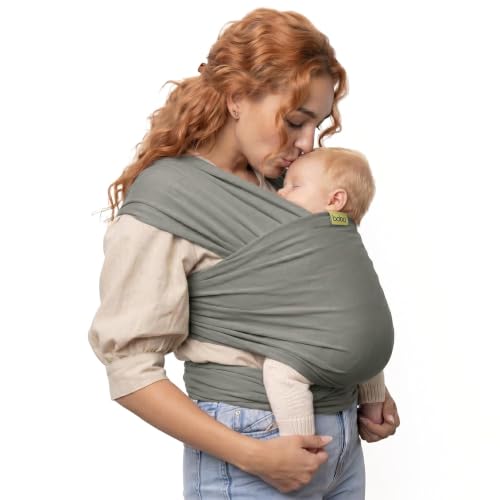
- Trusted by parents for over 15 years: Free your hands and stay connected. For over a decade and a half, our premium baby wrap has been the go-to newborn essential, securely holding your baby or toddler (7–35 lbs) and giving you peace of mind during everyday moments.
- Expert-backed safety & ergonomics: Certified “Hip-Healthy” by the International Hip Dysplasia Institute and designed to strict T.I.C.K.S. babywearing standards. Our wrap evenly distributes weight to relieve back and shoulder strain while keeping your baby in a natural, supportive position.
- Premium, sag-resistant cotton: Unlike cheaper alternatives that stretch out and lose support, our custom 4-way stretch blend (95% Cotton, 5% Spandex) retains its shape wash after wash. It offers durable, breathable comfort that is machine washable and dryer safe.
- Calm & connected bonding: Mimicking the womb’s snug environment, our baby holder naturally soothes fussy babies, eases them to sleep, and facilitates vital skin-to-skin kangaroo care – strengthening your bond and giving you more rest and more of the moments that matter.
- One-size-fits-all & gift-ready: An essential baby shower registry gift. The stretchy, gender-neutral design provides a safe, custom fit for every body type – from petite to plus size – making it effortless to share between mom, dad, and caregivers.
Why Minimalist Baby Essentials Matters for Your Baby’s Development
Contrary to popular belief, babies develop optimally in environments that aren’t overstimulating. Research shows that too many toys and gadgets can actually overwhelm infants and toddlers, making it harder for them to focus and engage deeply with their surroundings. By focusing on simple baby necessities, you create a calm, organized space that promotes:
- Better concentration and attention spans
- More creative play and imagination
- Reduced sensory overload and associated stress
- Stronger parent-child bonds through quality interaction
- Greater appreciation for possessions
Additionally, babies raised with fewer, more intentional possessions often develop stronger problem-solving skills as they learn to use items in multiple ways rather than having specialized products for every situation.
Common Myths About Minimalist Baby Essentials
Myth #1: Minimalism means depriving your baby
Reality: Minimalism isn’t about deprivation—it’s about intentionality. Your baby will have everything they need, just without the excess that often goes unused.
Myth #2: You’ll constantly be running to the store
Reality: A thoughtfully planned minimalist registry includes all true necessities. Many parents with extensive baby gear collections report that 70-80% goes virtually unused.
Myth #3: Minimalist parenting is more difficult
Reality: Most parents find the opposite is true. With fewer items to manage, clean, store, and maintain, parents experience less overwhelm and more time to focus on their baby.
Myth #4: You need specialized products for every situation
Reality: Babies have thrived for thousands of years without wipe warmers, specialized food processors, and themed outfits for every holiday. Multi-purpose items often work better than single-use products.
Essential Items & Supplies for Minimalist Baby Essentials
Must-Have Products for Minimalist Baby Essentials
These core items form the foundation of your minimalist baby essentials collection:
- Car seat – Non-negotiable for safe transportation and required by law
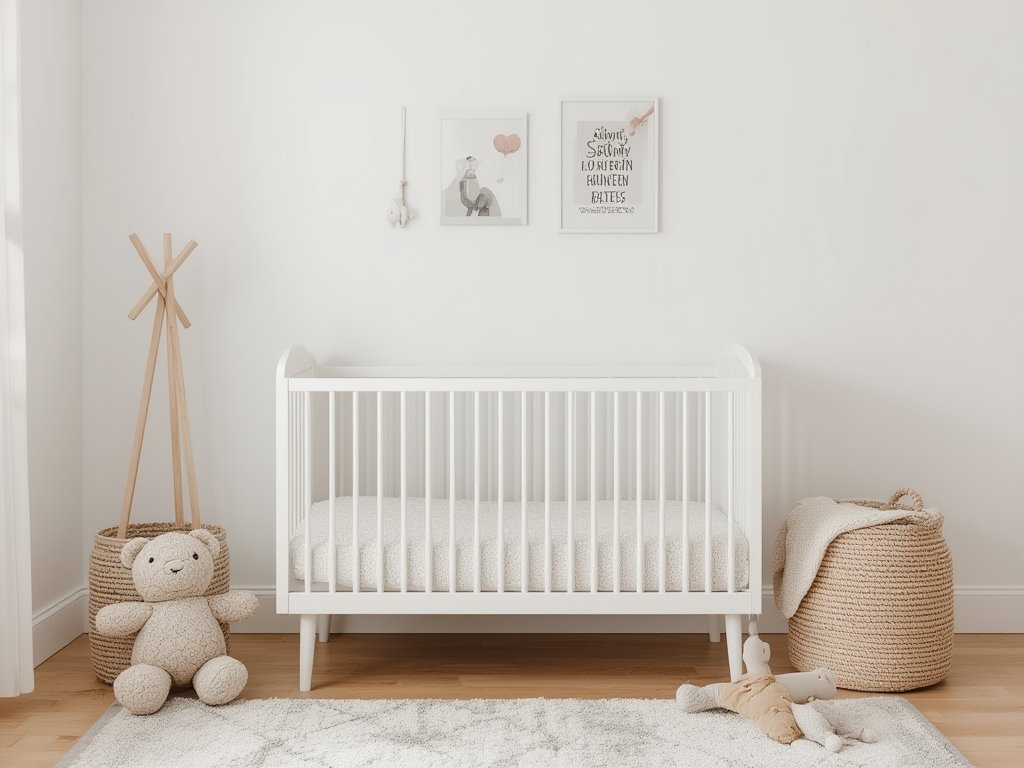
- Safe sleep space – Either a crib, bassinet, or play yard with firm mattress
- 4-6 fitted sheets – For crib/bassinet changes
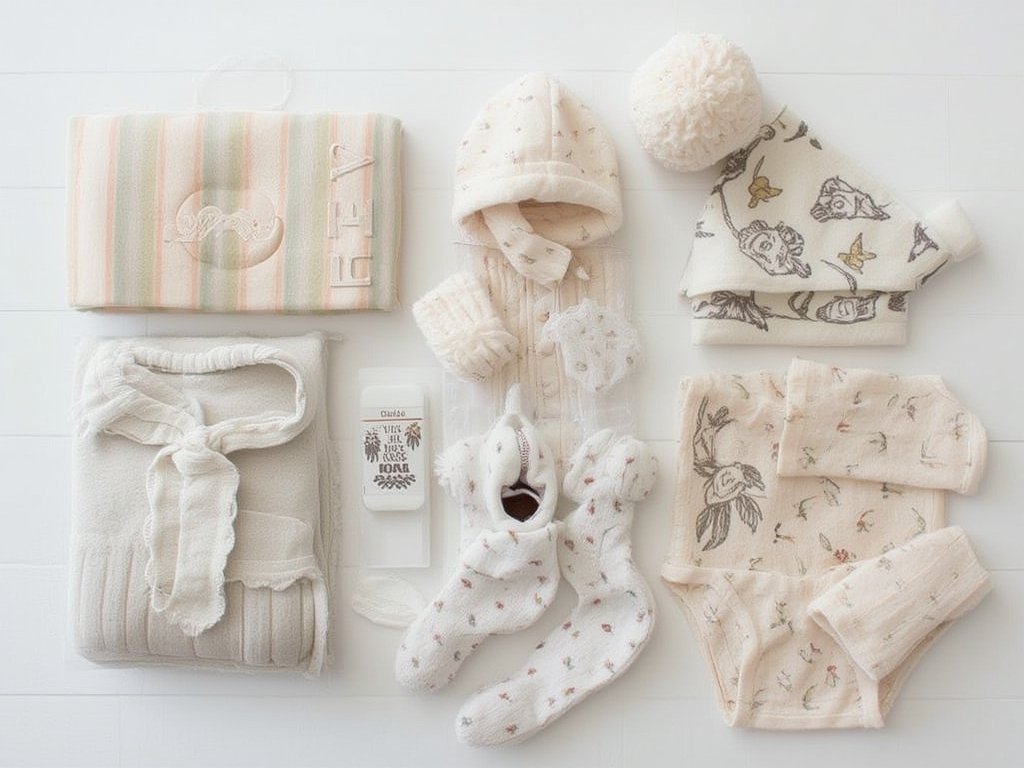
- 8-10 onesies/bodysuits – The foundation of baby’s wardrobe
- 4-6 sleepers/footie pajamas – For comfortable sleep
- Swaddle blankets (2-3) – For secure sleeping in early months
- Diapers (cloth or disposable) – Start with newborn size and size 1
- Diaper changing pad – Can be portable rather than a full changing table
- Baby carrier or wrap – Essential for hands-free carrying and bonding
- Basic grooming kit – Nail clippers, soft brush, and thermometer
- 8-10 burp cloths – Multi-purpose for spit-up, spills, and more
- Feeding supplies – Breast pump if nursing or bottles if formula feeding
- Infant bathtub or sink insert – For safe bathing
The beauty of minimalist baby essentials is focusing on versatile items that solve real problems rather than accumulating specialized gadgets that crowd your home.

- Little Remedies New Baby Essentials Kit contains the essentials a new parent needs to safely and effectively tackle your baby’s most common symptoms from home, including runny, stuffy, dry, or crusty noses and upset tummies
- This kit of newborn essentials must-haves makes a perfect baby shower gift for new parents and has everything they need to help keep their little one feeling their best
- This newborn essentials kit can help your little one feel better from their first diaper rash to stuffy nose, so you’re prepared for anything
- All 6 items included in this newborn essentials kit are free from baby aspirin, baby ibuprofen, saccharin, artificial flavors, and artificial dyes – including red 40, yellow 5, or yellow 6
- Kit contains Saline Nasal Spray and Saline Drops, nasal aspirator, Baby Gas Relief Drops, Infant Fever and Pain Relief with Acetaminophen, Gripe Water for Babies, and Boudreaux’s Butt Paste Maximum Strength Diaper Rash Cream, Ointment for Baby
Optional but Helpful Items
While not strictly necessary, these items enhance the core simple baby necessities and provide real value:
- White noise machine – Helps with sleep in noisy environments
- Stroller – Useful for longer outings (though a carrier works for many situations)
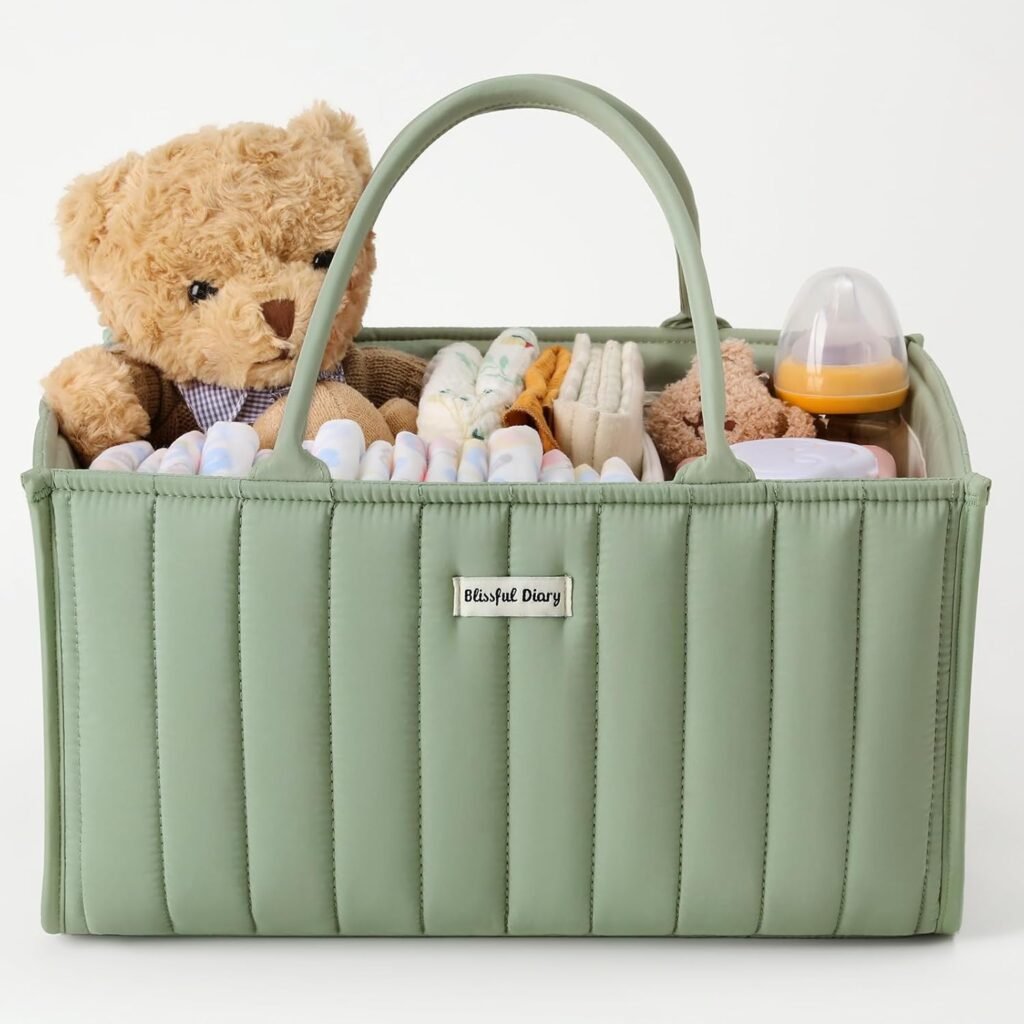
- Diaper bag – A regular backpack works too
- Nursing pillow – Provides comfort during feeding sessions
- Baby monitor – Valuable for larger homes
- Play mat – Creates a clean, safe floor space
- Pacifiers (2-3) – If your baby takes one
- Bibs (4-6) – For the messy eating stage
- Baby bathrobe or hooded towel – Makes post-bath cozier
- Diaper pail or dedicated trash can – Contains odors
- Lightweight blanket – For tummy time or outdoor coverage
- Basic first aid supplies – Infant acetaminophen, saline drops, etc.
Budget-Friendly Alternatives
Implementing minimalist baby essentials becomes even more accessible with these cost-saving alternatives:
| Expensive Item | Budget-Friendly Alternative | Potential Savings |
|---|---|---|
| Changing table | Portable changing pad on existing surface | $100-300 |
| Baby food maker | Regular blender or food processor | $80-150 |
| Bottle warmer | Bowl of warm water | $25-50 |
| Baby-specific laundry detergent | Free & clear regular detergent | $50-100/year |
| Wipe warmer | Room temperature wipes | $30-45 |
| Baby bathtub | Washcloth bath in sink or shallow adult tub | $20-45 |
| Baby towels | Regular soft towels | $15-40 |
| Specialized diaper bag | Regular backpack with organizer insert | $60-150 |
| Changing pad covers | Waterproof pad + burp cloths | $30-50 |
| Baby swing | Baby carrier or wrap | $100-200 |
Many baby items can be acquired secondhand in excellent condition, as they’re often used for very short periods. Check local parent groups, consignment shops, and online marketplaces for gently used simple baby necessities.
Guide to Minimalist Baby Essentials
Preparation Steps
Before diving into minimalist baby essentials, complete these critical preparation steps:
- Assess your living space – Measure areas where baby items will go and determine storage limitations.
- Research multi-purpose products – Look for items that grow with your baby or serve multiple functions.
- Consult experienced parents – Ask what they actually used versus what sat unused.
- Create a needs-based registry – Organize by necessity rather than “nice-to-have.”
- Plan for gradual acquisition – Purchase newborn essentials first, then add items as needs develop.
- Consider your lifestyle – Your living situation, work arrangements, and daily routines should inform your choices.
Remember that preparation for a minimalist approach isn’t about depriving your baby—it’s about thoughtfully selecting what truly adds value while avoiding the overwhelm that comes with excess.
Implementation Process
Follow these steps to successfully implement your minimalist baby essentials strategy:
- Start with the absolute basics for the first 2 weeks (sleep space, car seat, feeding supplies, diapers, and minimal clothing).
- Create zones in your home for different baby activities (sleeping, feeding, changing, playing) with only the necessary items in each.
- Establish a “one in, one out” policy for baby items to prevent accumulation.
- Wait on age-specific items until shortly before you need them.
- Borrow rarely-used items like special occasion clothes or travel gear.
- Resist impulse purchases by implementing a 48-hour rule before buying non-essential items.
- Schedule regular decluttering sessions to assess what’s being used and what isn’t.
- Create a wish list for gifts to direct well-meaning family and friends.

- [ 100% SILICONE 2 BABY PLATES, 2 TODDLER CUPS, 2 BABY FORKS SPOONS SET ] – we have used BPA Free silicone in our silicone baby plate cup spoons production so flavor and taste isn’t affected as well as giving you complete peace of mind. This eating supplies for baby is BPA-, PVC-, and phthalates-free, lightweight, and shatter-resistant. Use a bit of water under suction before using for best results.
- [ DIVIDED SUCTION TODDLER PLATE ] – give your little one more independence at mealtimes with their very own silicone plate featuring 3 divided sections. The non-slip design will ensure the plates cannot be thrown on the floor therefore reducing mess
- [ TRAINING CUP for TODDLER ] – designed to fit baby’s little hands and mouth. Soft silicone protects baby’s developing teeth. Transitional learning cup for baby led weaning and independent drinking. An alternative to traditional plastics, disposable or fragile dishware.
- [ CONVENIENT BABY LED WEANING SUPPLIES ] – designed for everyday life and perfect for indoor or outdoor use. Only the best materials have been used to make these kids plates cup as easy to clean as possible. They can withstand high heat making them suitable for microwave use and can be cleaned easily
- [ FOR LITTLE HANDS ]- designed for little hands and mouth, our premium silicone collection not only is an alternative to traditional plastics, disposable or fragile dishware but also protects and aids developing teeth.
Troubleshooting Common Issues
Even with careful planning, challenges may arise with minimalist baby essentials. Here’s how to address them:
Problem: Pressure from family/friends to buy more
Solution: Express gratitude for their concern while explaining your intentional approach. Suggest experience gifts or contributions to specific larger items.
Problem: Unexpected baby needs or preferences
Solution: Maintain a small contingency fund for truly necessary additions. Remember that borrowing or short-term rentals can help determine if an item is worth purchasing.
Problem: Storage limitations for essential items
Solution: Utilize vertical space with wall-mounted storage, under-bed containers, and multi-purpose furniture. Rotate seasonal clothing and store outgrown items properly.
Problem: Feeling unprepared with fewer items
Solution: Create a “just in case” box with a few extras that can be stored out of the way. If unused after 3 months, donate or sell these items.
Problem: Baby outgrowing minimalist gear quickly
Solution: Choose convertible products designed to grow with your child, like adjustable carriers, convertible cribs, or expandable clothing.
Top 5 Benefits of Minimalist Baby Essentials for Baby & Parents
Developmental & Health Benefits for Baby
Reduced overstimulation – Fewer toys and gadgets create a calmer sensory environment, helping babies regulate their emotions and attention better.
Enhanced creative development – Babies with fewer, simpler toys develop stronger imaginations and problem-solving skills as they learn to use objects in multiple ways.
Improved focus and concentration – Research shows that children in less cluttered environments can focus longer and engage in deeper play, building critical cognitive skills.
Better sleep patterns – A minimalist nursery with fewer visual distractions promotes better sleep hygiene and helps establish healthy sleep routines.
Stronger connection to caregivers – With fewer gadgets to “entertain” the baby, more meaningful human interaction naturally occurs, strengthening attachment and supporting language development.
Dr. Maria Montessori’s research supports this approach, showing that children thrive in prepared environments with carefully curated, purpose-driven materials rather than an abundance of choices.
Advantages for Parents
Embracing minimalist baby essentials transforms the parenting experience in several meaningful ways:
- Reduced financial strain – The average American family spends $12,000+ on baby’s first year. A minimalist approach can cut these costs by 40-60%.
- Decreased decision fatigue – Fewer baby products means less mental load deciding which item to use when.
- Simplified cleaning and maintenance – Less stuff equals less to organize, clean, and maintain.
- Easier transitions – Moving rooms, traveling, or visiting family becomes significantly simpler.
- More physical space – Your home remains your home, not a baby equipment showroom.
- Streamlined routines – Essential-only approaches naturally create more efficient care routines.
Parents report that focusing on simple baby necessities allows them to be more present with their child instead of managing an overwhelming array of products.
Long-Term Impact on Family Wellbeing
The benefits of starting with minimalist baby essentials extend well beyond the infant stage:
Established consumption patterns – Beginning with minimalism sets expectations for thoughtful purchasing as the child grows.
Environmental consciousness – Reducing baby-related consumption can prevent hundreds of pounds of plastic waste and thousands of gallons of manufacturing water.
Value-centered parenting – Children learn that experiences and relationships matter more than possessions.
Increased adaptability – Families accustomed to functioning with less develop greater flexibility and resilience.
Simplified transitions – Major life changes (moving, travel, adding siblings) become less logistically challenging.
Financial foundation – Money saved through minimalism can be directed toward education funds, family experiences, or financial security.
By establishing intentional habits early, families create a foundation for mindful consumption that benefits everyone long-term.
Expert Tips, Alternative Methods & Age-Specific Advice
Tips for Newborns (0-3 Months)
For the earliest phase of implementing minimalist baby essentials:
- Limit newborn-specific clothing – Babies grow extraordinarily quickly; 6-8 outfits is typically sufficient.
- Embrace the “fourth trimester” – A good carrier/wrap often proves more soothing than expensive swings or bouncers.
- Delay purchasing developmental toys – Newborns are primarily focused on basic needs and human faces.
- Consider postpartum parent needs – Some non-baby items (like meal delivery or cleaning service) may be more valuable than baby gadgets.
- Establish borrowing networks – Connect with parents of slightly older babies to borrow items temporarily.
- Use birth to three-month period as a testing phase – Observe your baby’s preferences before investing in larger items.
Remember that newborns primarily need warmth, nourishment, cleanliness, and loving contact—material possessions are secondary.
Adjustments for Older Babies & Toddlers (3+ Months)
As your baby develops, your minimalist baby essentials approach should evolve:
- Rotate toys rather than accumulating – Keep 4-6 toys accessible while storing others to rotate in later, creating novelty without excess.
- Introduce open-ended toys – Items like blocks, stacking cups, and simple instruments offer more developmental value than single-purpose toys.
- Adjust feeding supplies – Add 2-3 silicone bibs and simple cups as solid foods begin.
- Maintain clothing minimalism – 8-10 everyday outfits remains sufficient as sizes change.
- Consider one larger-footprint item if truly valuable – A good high chair or play yard may become more necessary for older babies.
- Implement the “one in, one out” rule – For every new toy or clothing item that enters, remove one.
- Begin establishing toy-free zones – Maintain adult spaces where toys don’t accumulate.
The 3-12 month period is when marketing to parents intensifies—stay committed to your simple baby necessities approach even as outside pressure increases.
Alternative Methods & Different Parenting Styles
Minimalist baby essentials can be adapted to various parenting philosophies:
Montessori Approach:
- Emphasize natural materials (wood, cotton, wool)
- Create low, accessible toy shelves with 5-7 carefully selected items
- Choose realistic toys over fantasy-based ones
- Implement child-sized furniture and tools for independence
Attachment Parenting:
- Prioritize quality carriers and wraps for babywearing
- Consider bedsharing safety supplies instead of separate sleep spaces
- Focus on items that facilitate connection (nursing clothes, comfortable reading chairs)
RIE/Respectful Parenting:
- Select simple, unadorned toys that don’t dictate play
- Create safe “yes spaces” with minimal barriers
- Choose observation tools (floor cushions, comfortable seating) over containment devices
Eco-Conscious Parenting:
- Emphasize secondhand, natural, biodegradable products
- Choose cloth diapering systems
- Select high-quality, durable items that last through multiple children
- Embrace multi-generational, handed-down items
Conclusion
Embracing minimalist baby essentials isn’t about depriving your baby—it’s about creating space for what truly matters. By focusing on the 25 items your baby actually needs instead of the 100+ that marketing suggests, you’ll discover less stress, more financial freedom, and a calmer home environment. The benefits extend beyond simplifying your shopping list; you’ll find more mental space to enjoy your baby, less time managing stuff, and a stronger focus on experiences over possessions.
Remember that generations of babies thrived before the explosion of specialized baby gear. Your baby primarily needs your love, attention, and responsive care—everything else is supplementary. Trust your instincts about what your specific baby requires rather than following generic lists or giving in to pressure from well-meaning friends and family.
As you journey through parenthood with your carefully curated minimalist baby essentials, you’ll likely discover the greatest parenting truth: the best things you can give your child—security, attention, and love—don’t come from stores at all.
Ready to create your own minimalist baby registry? Share your must-have items in the comments below! And for more guidance on thoughtful parenting approaches, explore our comprehensive guide on baby care tips for new parents.
FAQs
What are the absolute bare minimum minimalist baby essentials I need before birth?
If you’re committed to the most streamlined approach to minimalist baby essentials, focus on these true necessities: a safe sleep space (bassinet or crib with 2-3 fitted sheets), car seat (required by law to leave the hospital), 6-8 onesies/sleepers, diapers and wipes, basic feeding supplies (nursing supplies or bottles/formula), and 4-6 burp cloths. These core items address your newborn’s fundamental needs for safety, sleep, nourishment, elimination, and warmth.
Everything else can be acquired as you discover your baby’s specific preferences and your parenting style. Remember that newborns primarily need your warmth and attention—many parents report that 70% of their pre-birth purchases went unused as they discovered what actually worked for their baby’s temperament. This ultra-minimal approach also leaves room for thoughtful additions as genuine needs emerge.
How do I handle well-meaning family members who keep buying excessive baby items despite my minimalist baby essentials approach?
Managing family enthusiasm while maintaining your minimalist baby essentials approach requires diplomacy and clear communication. Start by expressing gratitude for their generosity while explaining your values around simplicity and intentional consumption. Redirect their giving impulse by suggesting specific items from your carefully curated registry or alternative gifts like contributions to your baby’s education fund, experience gifts, consumables (diapers, wipes), or assistance with services (meal delivery, house cleaning).
For persistent gift-givers, consider establishing a “one in, one out” policy in your home, or designate their house as a place where additional toys/items can stay for visits. Remember that gift-giving is often about the giver’s emotions; offering alternatives that still allow them to express love for your baby can help everyone feel respected and understood.
What minimalist baby essentials do I actually need for traveling with a baby?
Traveling with minimalist baby essentials is significantly easier than with a full complement of baby gear. Focus on multi-functional items: a good carrier/wrap eliminates stroller needs for many trips; a packable sleep space (travel bassinet or play yard); 1-2 days’ worth of clothing plus laundry access; a diaper clutch with changing pad; feeding supplies (nursing cover or compact bottle system); and a compact sound machine for sleep consistency.
For longer trips, consider what can be rented at your destination (cribs, car seats) or purchased upon arrival (diapers, wipes). The minimalist approach particularly shines during travel—parents who practice it report significantly less stress and more flexibility than those trying to replicate their entire nursery on the road. Remember that babies throughout history have traveled with far less than modern marketing suggests is necessary.
How does a minimalist baby essentials approach save money in the long run?
The financial benefits of minimalist baby essentials are substantial and compound over time. Initially, you’ll save 40-60% on start-up baby costs by skipping unnecessary items ($5,000-7,500 average savings). Long-term savings include reduced storage costs (no need for larger housing to accommodate excessive gear), lower maintenance expenses (fewer items to repair/replace), and decreased utility costs (washing/charging/maintaining fewer items).
The approach also naturally builds financial discipline around child-related spending that continues as your child grows, preventing the common pattern of excessive toy and clothing purchases. Additionally, focusing on quality over quantity for your simple baby necessities means items retain resale value and last through multiple children. Parents who practice minimalism with babies report these habits positively impact overall family financial health, often leading to increased savings rates and reduced consumer debt.
Can I practice minimalist baby essentials in a small living space?
Small spaces and minimalist baby essentials are naturally compatible! Start by selecting space-efficient versions of true necessities: a mini-crib instead of full-size, a compact high chair that attaches to a dining chair, and multi-purpose items like a dresser with changing pad on top rather than a dedicated changing table. Utilize vertical space with wall shelving, under-bed storage, and over-door organizers. Consider the “one in, one out” rule mandatory for small spaces. Focus on items that fold, collapse, or nest when not in use, and be ruthless about rejecting single-purpose baby gadgets.
Establish clear homes for baby items to prevent creep into adult spaces. Embrace digital solutions where possible (digital books, photos, white noise apps). Parents in apartments or small homes often report that space constraints actually enhanced their parenting experience by forcing intentionality and preventing accumulation of unnecessary items that would have complicated their daily routines.