This post may contain Affiliate links. If you buy anything via the link, I will earn a small commission without any effect on your payment. Thank you for your support.
Introduction
Are you preparing to welcome a new life into your home? Creating a nurturing environment for your baby is one of the most important tasks for expectant parents. Today, more families are looking beyond traditional nursery setups toward sustainable nursery items that are both beautiful and environmentally responsible.
With growing concerns about chemical exposure and environmental impact, choosing eco friendly nursery decor isn’t just trendy—it’s a thoughtful investment in your baby’s health and our planet’s future. This comprehensive guide will walk you through everything you need to know about creating a green nursery that’s safe, stylish, and sustainable.
Understanding Sustainable Nursery Items – What Every Parent Should Know
What Are Sustainable Nursery Items?
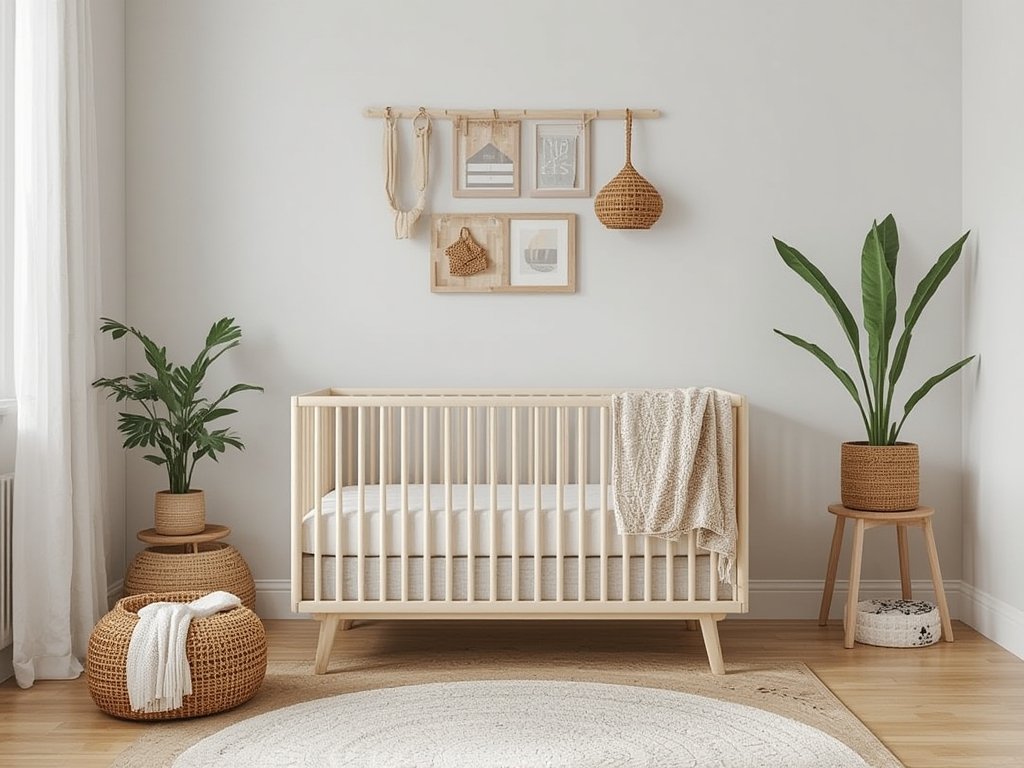
Sustainable nursery items are products designed and manufactured with environmental and health considerations at their core. These products typically feature:
- Materials sourced from renewable or recycled resources
- Non-toxic finishes and treatments
- Ethical manufacturing processes
- Reduced carbon footprint
- Biodegradable or recyclable components
Unlike conventional baby products that may contain harmful chemicals like formaldehyde, flame retardants, and volatile organic compounds (VOCs), green nursery items prioritize natural materials like solid wood, organic cotton, and water-based paints. Many sustainable options are also designed for longevity, either through convertible features (like cribs that become toddler beds) or durability that allows items to be passed down or resold.
Why Sustainable Nursery Items Matter for Your Baby’s Development
Babies are uniquely vulnerable to environmental toxins. Their developing systems—particularly neurological, respiratory, and immune—can be significantly affected by chemical exposure. Here’s why choosing sustainable nursery items matters:
Reduced Chemical Exposure: Babies spend 12-16 hours sleeping and considerable time in their nursery. Conventional furniture can off-gas harmful chemicals for years.
Improved Indoor Air Quality: Green products contribute to cleaner air in the nursery, potentially reducing risks of asthma and allergies.
Better Sleep Environment: Natural materials often provide better temperature regulation and comfort.
Early Environmental Stewardship: Your choices model values of sustainability that your child will grow up with.
Studies have shown that exposure to certain chemicals commonly found in conventional nursery products may be linked to developmental delays, respiratory issues, and even long-term health concerns.

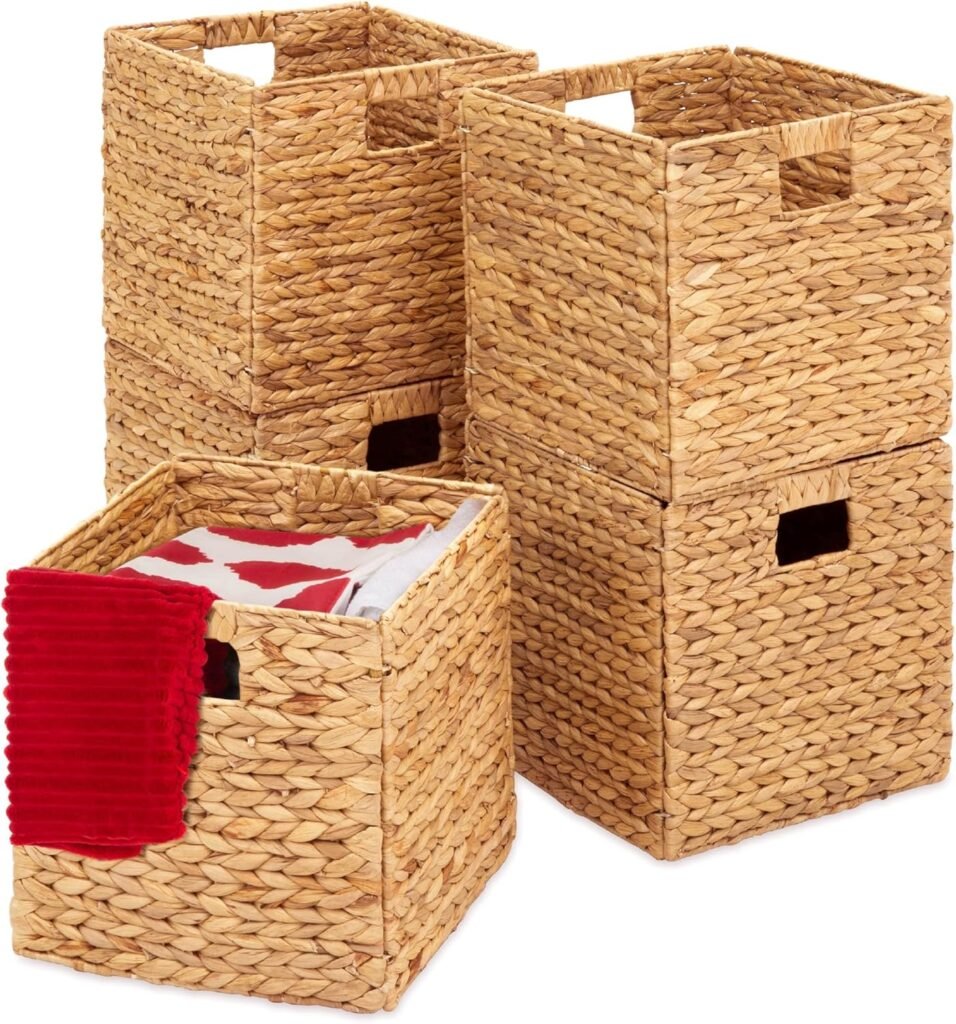
- COMPACT DESIGN: A lightweight design with cut out handles makes these baskets easy to carry from room to room, and its collapsible design makes them easy to store when not in use
- CONVENIENT AND ATTRACTIVE: This set of 5 multipurpose foldable hyacinth storage baskets is the perfect combination of style and convenience for your living space
- MULTIPURPOSE USE: These baskets add a practical and charming addition to any room, and serve well to organize laundry, beauty products, cleaning supplies, and more
- SUSTAINABLE MATERIAL: Handwoven with 100% natural hyacinth for a textured surface that adds an authentic feel to any room
- CUSTOMIZABLE DESIGN: Ideal for space optimization, these baskets can be stacked or aligned in various other setups for organization; OVERALL DIMENSIONS: 10.5″(L) x 10.5″(W) x 10.5″(H); WEIGHT CAPACITY: 20 lbs.
Common Myths About Sustainable Nursery Items
Myth 1: Green nursery products are prohibitively expensive.
Reality: While some premium eco-brands come with higher price tags, many affordable sustainable options exist. Additionally, the durability of these products often means better value over time.
Myth 2: Eco-friendly means sacrificing style.
Reality: Today’s eco friendly nursery decor comes in diverse styles from minimalist Scandinavian to warm bohemian designs. Sustainability no longer limits aesthetic options.
Myth 3: Natural materials aren’t as safe as synthetic ones.
Reality: When properly sourced and manufactured, natural materials often pose fewer health risks than their synthetic counterparts that contain potentially harmful chemicals.
Myth 4: Green products don’t perform as well.
Reality: Many sustainable products meet or exceed the quality and functionality of conventional alternatives.
Essential Items & Supplies for Sustainable Nursery Items
Must-Have Products for Sustainable Nursery Items
When building your eco-friendly nursery, prioritize these essential items:
Organic Crib Mattress: Since your baby will spend 10-14 hours daily on their mattress, invest in an organic option free from polyurethane foam, flame retardants, and vinyl. Look for GOTS (Global Organic Textile Standard) or GOLS (Global Organic Latex Standard) certification.
Solid Wood Crib: Choose a crib made from sustainably harvested solid wood with non-toxic finishes. Avoid particleboard or MDF, which may contain formaldehyde.
Organic Bedding: Select GOTS-certified organic cotton sheets, sleep sacks, and blankets free from synthetic dyes and treatments.
Non-Toxic Paint: Use zero-VOC paints for nursery walls to eliminate harmful off-gassing.
Natural Fiber Rug: Choose wool, cotton, or jute rugs instead of synthetic options that may contain plasticizers and stain-resistant chemicals.
Wooden Toys: Select toys made from sustainably harvested wood with non-toxic finishes rather than plastic alternatives.
Energy-Efficient Lighting: Install LED lighting with warm tones to reduce energy consumption.
Optional but Helpful Items
These additional sustainable nursery items enhance both functionality and eco-friendliness:
Air-Purifying Plants: Spider plants, peace lilies, and snake plants naturally filter indoor air (place out of baby’s reach).
Wooden Changing Table: A solid wood changing station with organic changing pad minimizes chemical exposure during diaper changes.
Wool Dryer Balls: Replace fabric softeners and dryer sheets with wool dryer balls when laundering baby clothes and bedding.
Glass Bottles: If bottle feeding, choose glass over plastic bottles.
Bamboo Furniture: Lightweight, renewable bamboo makes excellent sustainable furniture.
Solar-Powered Sound Machine: Soothe baby with a solar-rechargeable sound machine.
Budget-Friendly Alternatives
Creating a sustainable nursery doesn’t have to break the bank:
Second-hand Furniture: Vintage or used solid wood furniture often costs less than new pieces while extending product lifecycles.
DIY Natural Cleaners: Make your own nursery cleaners with vinegar, baking soda, and essential oils instead of buying commercial products.
Multi-purpose Items: Choose convertible furniture that grows with your child, like cribs that transform into toddler beds.
Borrow or Rent: Join local toy libraries or rent bigger items your baby will only use temporarily.
Handmade Decor: Craft your own nursery decorations using natural materials like driftwood, cotton rope, or recycled fabric.
| Conventional Item | Sustainable Alternative | Approximate Price Range | Benefits |
|---|---|---|---|
| Polyurethane Foam Mattress | Organic Cotton/Wool Mattress | $200-$400 | No off-gassing, biodegradable materials |
| Particleboard Crib | Solid Wood Crib | $300-$800 | Durability, no formaldehyde |
| Synthetic Fiber Rug | Wool or Cotton Rug | $100-$300 | Natural fibers, biodegradable |
| Plastic Toys | Wooden Toys | $15-$40 per toy | Non-toxic, biodegradable |
| Vinyl Wall Decals | Fabric Wall Hangings | $30-$100 | No PVC, reusable |
Guide to Sustainable Nursery Items
Preparation Steps
Before shopping for sustainable nursery items, follow these preparation steps:
Assess Your Space: Measure your nursery and create a floor plan to determine what will fit comfortably.
Research Certifications: Familiarize yourself with relevant eco-certifications like GOTS, GOLS, FSC (Forest Stewardship Council), and Greenguard Gold.
Set a Realistic Budget: Determine priorities—where to splurge (typically the mattress and crib) and where to save.
Create a Registry: Many retailers now offer sustainable baby registries where friends and family can contribute to higher-priced eco-items.
Check Secondhand Options: Explore Facebook Marketplace, local consignment shops, and neighborhood parents’ groups for gently used sustainable items.
Implementation Process
Follow this step-by-step process to create your sustainable nursery:
Start with the Basics: Begin with non-toxic paint and flooring if remodeling is needed.
Choose the Crib and Mattress First: Since these are the most important items for safety and health, prioritize these purchases.
Add Storage Solutions: Incorporate sustainable storage options like bamboo baskets or second-hand dressers refinished with non-toxic paint.
Layer in Textiles: Add organic bedding, curtains, and a natural fiber rug to soften the space.
Incorporate Lighting: Install energy-efficient lighting with dimmer capabilities for nighttime feedings.
Add Functional Furniture: Introduce a sustainable rocking chair or glider, changing table, and bookshelf as needed.
Finish with Décor: Complete the room with wall art, mobiles, and decorative elements made from natural materials.

- Lining 100% Organic Cotton, Shell 100% Recycled Polyester
- QUALITY PLUSH SUSTAINABLE FABRICS: Made with organic cotton and incredibly soft Sherpa made from recycled polyester, making our baby swaddle blanket the softest around! Designed in the USA
- GENTLE ON BABY’S SKIN: Your new swaddle blanket is made with 100% organic cotton lining. This is breathable and soft on skin to give your baby total cuddle comfort each time they’re wrapped up
- EASY TO USE: Our hooded baby swaddle blanket has adjustable Velcro fasteners to easily secure your baby with arms in or out
- VERSATILE USE ANYWHERE: Use it at home, in the park, on your travels, in the stroller, on a flight, or anywhere else you desire! This newborn receiving blanket can be used both in the crib and on the go
- BABY REGISTRY AND BABY SHOWER GIFT: Available in newborn 0-3m or 3-6m sizes and multiple ear colors suitable for a baby girl swaddle, baby boy swaddle or unisex baby gift
- ADORABLE BEAR DESIGN: Features charming bear ears on the hood, creating an enchanting look that adds cuteness and style to your baby’s swaddle experience
- ADJUSTABLE SECURE FIT: Velcro fasteners allow for customizable wrapping options, accommodating your baby’s preferred sleeping position with arms in or out for maximum comfort
Troubleshooting Common Issues
Even with careful planning, you may encounter challenges:
Problem: Limited availability of sustainable options locally.
Solution: Expand your search to online retailers specializing in eco-friendly baby products, or join parent groups that share leads on sustainable finds.
Problem: Significantly higher costs for certain items.
Solution: Prioritize where natural materials matter most (crib mattress, bedding) and compromise on less critical items. Consider second-hand for solid wood furniture.
Problem: Conflicting information about what’s truly “green.”
Solution: Rely on established certifications rather than marketing claims. Research the company’s sustainability practices and manufacturing processes.
Problem: Family gifting conventional items.
Solution: Create a specific registry highlighting your preferences, or suggest contributions toward larger sustainable purchases.
Top 5 Benefits of Sustainable Nursery Items for Baby & Parents
Developmental & Health Benefits for Baby
Reduced Chemical Exposure: Sustainable nursery items minimize your baby’s exposure to potentially harmful substances like formaldehyde, flame retardants, phthalates, and VOCs, supporting healthier development of their immune, respiratory, and neurological systems.
Better Sleep Quality: Natural materials regulate temperature and moisture better than synthetic alternatives, potentially improving your baby’s sleep quality. Organic mattresses and bedding breathe better, reducing overheating risks.
Lower Allergy Risks: Natural fibers and non-toxic materials can reduce triggers for developing allergies or asthma. Wool, for instance, naturally repels dust mites, a common allergen.
Sensory Development: Natural materials provide varied tactile experiences—the smoothness of finished wood, the softness of organic cotton, the warmth of wool—enriching your baby’s sensory development through diverse textures.
Reduced Indoor Air Pollution: Conventional furniture and décor can off-gas harmful chemicals for years. Sustainable alternatives contribute to cleaner indoor air, supporting your baby’s developing lungs and overall health.
Advantages for Parents
Beyond benefits for your baby, eco friendly nursery decor offers significant advantages for parents:
Peace of Mind: Knowing you’ve created the healthiest possible environment for your baby reduces anxiety about potential environmental hazards.
Durability and Longevity: Sustainable products are typically built to last, often saving money in the long run despite higher initial costs.
Versatility: Many eco-friendly items are designed with convertibility in mind—cribs that become toddler beds, changing tables that transform into dressers—extending their usefulness.
Better Resale Value: Quality sustainable items often retain value better than conventional alternatives when it’s time to pass them along.
Alignment with Values: For environmentally conscious parents, creating a sustainable nursery allows you to live your values while raising your child.
Long-Term Impact on Family Wellbeing
The benefits of choosing sustainable nursery items extend far beyond infancy:
Environmental Education: Your choices model environmental stewardship for your child from the beginning.
Healthier Home Environment: Many sustainable products improve overall home air quality, benefiting the entire family.
Cost Savings Over Time: While initial investments may be higher, the durability of sustainable items often means fewer replacements and better value.
Reduced Environmental Footprint: Sustainable choices reduce your family’s impact on deforestation, pollution, and resource depletion.
Contributing to Market Change: Every sustainable purchase signals to manufacturers that there’s demand for eco-friendly options, encouraging more companies to adopt greener practices.

- 70% Viscose Derived from Bamboo + 30% Cotton
- 4-Pack Organic Muslin Receiving Blankets – The KeaBabies Lumi Muslin Swaddle Blankets are made with LumiSoft muslin, a proprietary viscose derived from bamboo and cotton blend, which is gentle on baby’s skin.
- Breathable, Temperature-Regulating -The breathable and temperature-regulating properties of this organic baby receiving blanket provide your baby with a restful and comfortable environment, without heating them up while being swaddled.
- Buttery-Soft, Non-Wrinkly – Wrinkly and rough cotton muslin baby swaddling blankets are a thing of the past. The all-new Lumi Muslin Organic Baby Swaddle Blankets are buttery soft, non-wrinkly, anti-shrink, machine washable, and dryer friendly.
- Generously Sized – Designed large at 47″ by 47″, the Lumi Muslin Baby Blanket is made to grow with your baby. Suitable for premies, newborns, infants and toddlers up to age 5. The perfect lovey for home, preschool, and grandparent’s place.
- Beautiful Neutral Palettes – The Lumi Muslin Baby Swaddles are unisex and gender neutral for baby boys and girls. It is the perfect baby shower gift and baby registry gift for new parents. Comes with sustainable kraft gift box.
Expert Tips, Alternative Methods & Age-Specific Advice
Tips for Newborns (0-3 Months)
For the newborn stage, focus on creating a safe, toxin-free sleep environment:
Prioritize Organic Bedding: Newborns have highly permeable skin and spend 16-17 hours sleeping, making organic sheets and mattress protectors essential.
Avoid Waterproofing Chemicals: Instead of conventional waterproof mattress covers, opt for natural wool puddle pads or organic cotton covers with a thin natural rubber layer.
Consider Room-Sharing: The American Academy of Pediatrics recommends room-sharing for the first 6-12 months, which can reduce the number of sustainable nursery items needed initially.
Choose Multi-Functional Items: A sustainable bassinet that converts to a toy basket or a changing table that doubles as storage maximizes value during this brief stage.
Keep It Simple: Newborns don’t need elaborate decorations; focus your sustainable budget on essential items they directly contact.
Adjustments for Older Babies & Toddlers (3+ Months)
As your baby grows, adapt your sustainable approach:
Floor Play Areas: Create a non-toxic play space with organic cotton play mats or natural wool rugs as your baby begins to explore.
Accessible Storage: Implement low, open shelving made from sustainable materials to encourage independence as your baby becomes mobile.
Convertible Furniture: Transition cribs to toddler beds and changing tables to dressers to extend the life of your sustainable investments.
Natural Toy Rotation: Establish a system of rotating wooden, fabric, and other natural material toys to maintain interest with fewer resources.
Introduce Nature Elements: Bring child-safe plants into the nursery to improve air quality and connect your growing child with nature.

- Shelf + Lockable Swivel Casters
- 【Stuffed Animal Storage: 】This wooden oversized extra large toy storage on wheels measures 64 x 22.5 x 22.5 inches. Stuffed animal holder is wrapped by an elastic cord that not only simplifies storage but also makes it easy for kids to reach their toys. No more tripping over toys or stepping on stuffed animals. At the same time, this plushies storage rack can cultivate children’s organizational skills and sense of responsibility through tidying up
- 【Mobile & Fixed Toy Storage Organizer:】This organization and storage rack is equipped with 360° swivel wheels and a brake system, so you can easily push it to any corner of your home without being restricted by space, and it is also convenient for you to clean the dust in the corners covered by the toy storage shelf. The brake system ensures that toy organizers and storage can be firmly fixed when needed to prevent it from sliding. Ideal for active environments like bedrooms or playrooms.
- 【Sturdy Construction · Safe and Durable:】 Stuffed animal zoo is crafted from solid pine wood. Thick wood material, it will not deform after long-term use. Solid wood combined with steel screws provides exceptional strength to support large-sized stuffed animals. The high-stretch ropes can endure 20,000 cycles of bending, reducing wear and tear from regular use. Rounded corner design can prevent children from collision, providing all-round protection for you and your family
- 【Easy to Install:】 This versatile stuffed animal storage is effortless and straightforward. The pre-threaded bungee cords make assembly a breeze! Detailed installation instructions and all necessary hardware are conveniently included for a hassle-free setup. Detailed installation instructions are included
- 【The Perfect Gift】: This large toy box combines organization, tidying, and display into one, making it the ideal gift for children. Perfect for playrooms, bedrooms, nurseries, living rooms, and daycare centers, it seamlessly integrates into any space—guaranteed to delight both kids and families. Featuring a wooden nameplate, it lets children personalize their own stuffed animal zoo, adding fun and creativity.
Alternative Methods & Different Parenting Styles
Sustainable nursery items can complement various parenting philosophies:
Montessori Approach:
- Use floor beds instead of cribs
- Implement child-height mirrors and artwork
- Create accessible, organized spaces with natural material toys
- Choose open shelving over closed storage
Minimalist Parenting:
- Focus on quality over quantity
- Select multi-functional pieces
- Choose neutral colors for longer relevance
- Emphasize experiences over material possessions
Waldorf-Inspired:
- Incorporate natural fibers exclusively
- Choose simple toys that encourage imagination
- Use plant-based dyes for colorful elements
- Minimize electronic elements in the nursery
Conclusion
Creating a nursery with sustainable nursery items is one of the most meaningful gifts you can give your child and the planet. By prioritizing natural materials, non-toxic finishes, and ethically produced products, you’re creating a healthy foundation for your baby’s growth while modeling environmental responsibility from day one.
Remember that sustainability exists on a spectrum—you don’t need to achieve perfection. Even implementing some sustainable nursery items makes a positive difference. Start with the essentials that directly contact your baby (mattress, bedding, clothing), and expand your eco-friendly choices as budget allows.
The growing market for eco friendly nursery decor means more accessible options at various price points than ever before. By researching certifications, considering secondhand options, and focusing on versatile, durable pieces, you can create a beautiful, healthy space for your baby without overwhelming your budget.
What sustainable choices have you made for your baby’s nursery? Share your experience in the comments below! And for more eco-friendly parenting advice, explore our related articles on green baby care practices.
FAQs
What are the most important sustainable nursery items to invest in first?
If you’re building a sustainable nursery on a budget, prioritize items that directly affect your baby’s health. The organic crib mattress should be your top investment since babies spend 12-16 hours sleeping and conventional mattresses can contain numerous chemicals.
Next, focus on sustainable nursery items like organic bedding and a solid wood crib with non-toxic finishes. These three elements create the core sleep environment where your baby spends most of their time. You can gradually add other eco-friendly pieces as your budget allows, or seek second-hand solid wood furniture that you can refinish with zero-VOC paint.
Remember that imperfect sustainability is still progress—every non-toxic item you choose reduces your baby’s overall chemical exposure.
How can I verify if nursery items are truly sustainable and not just “greenwashed”?
To avoid greenwashing when shopping for sustainable nursery items, look for reputable third-party certifications rather than vague marketing terms like “natural” or “eco-friendly.” Reliable certifications include GOTS (Global Organic Textile Standard) for textiles, GOLS (Global Organic Latex Standard) for latex products, FSC (Forest Stewardship Council) for wood, GREENGUARD Gold for low chemical emissions, and MADE SAFE for non-toxic materials.
Additionally, research the company’s specific sustainability practices and manufacturing transparency. Truly sustainable brands typically provide detailed information about material sourcing, production methods, and even supply chain ethics. When in doubt, contact the company directly with specific questions about their environmental claims and ask for documentation to support their sustainability statements.
Are second-hand nursery items a good sustainable option, or should I buy new?
Second-hand sustainable nursery items are often excellent choices both environmentally and economically. Solid wood furniture, in particular, makes ideal second-hand purchases since older pieces frequently used higher quality wood and construction methods than modern counterparts.
However, exercise caution with certain items: always buy new crib mattresses for hygiene reasons, and verify that any used crib meets current safety standards (those manufactured before 2011 may not comply with updated regulations). When considering used upholstered items, be wary of potential allergen accumulation.
The ideal approach combines quality second-hand pieces (dressers, bookshelves, rocking chairs) with new items that directly contact your baby (mattress, bedding). This strategy extends the lifecycle of existing products while ensuring the most critical elements are non-toxic and meet current safety standards.
How do I balance the higher cost of sustainable nursery items with budget constraints?
Creating a sustainable nursery while managing budget constraints requires strategic prioritization. First, identify where natural materials matter most—typically items that your baby directly contacts for extended periods, like the crib mattress and bedding. For these essentials, invest in the highest quality sustainable options you can afford.
Second, explore cost-saving alternatives: shop second-hand for solid wood furniture, which often costs less than new conventional pieces while avoiding particleboard’s formaldehyde. Third, implement a registry strategy where friends and family can contribute toward bigger sustainable nursery items.
Fourth, consider timing your purchases to coincide with sales, especially for larger retailers with eco-friendly lines. Finally, remember that sustainability is a spectrum—making even some eco-friendly choices significantly reduces your baby’s overall chemical exposure compared to a completely conventional nursery. Focus on progress over perfection, upgrading items gradually as budget allows.
How can I make sustainable nursery items last through multiple children or retain resale value?
To maximize the longevity and value of your sustainable nursery items, start by choosing gender-neutral colors and timeless designs that won’t quickly feel dated. Invest in convertible furniture that adapts to your child’s growth, like cribs that transform into toddler beds or changing tables that convert to dressers. Properly maintain wooden items by keeping them away from direct sunlight, using appropriate natural cleaners, and promptly addressing any damage.
For textiles, follow care instructions precisely—many organic fabrics require gentler washing to maintain their quality. Keep original packaging, manuals, and receipts for higher-value items to increase their resale appeal. Consider protective measures like organic mattress covers to shield key investments from spills and accidents.
By focusing on quality over quantity and proper maintenance, your sustainable nursery investments can serve your family through multiple children and still retain significant resale value when your family outgrows them.