
Introduction
Is your baby catching every cold that comes around? You’re not alone. Up to 80% of parents report concerns about their child’s immune health during the first year of life. As a new parent, understanding how to protect your little one is a top priority. Your baby’s immune system is still developing, making them more susceptible to illnesses than adults. The good news? There are numerous natural approaches to help strengthen their natural defenses.
In this comprehensive guide, we’ll explore ten proven methods to boost baby immunity safely and naturally. From nutrition choices to sleep habits, you’ll discover practical strategies you can implement today to help your little one build robust health for years to come.
Understanding Your Baby’s Immune System – What Every Parent Should Know

- Organic Toddler Multivitamin: Our first liquid multivitamin formulated just for toddlers! Support healthy growth, immuni…
- Support Healthy Growth and Development: MaryRuth’s toddler multivitamin helps support bone health with Vitamin D, boosts…
- Easy-to-Take Liquid Drops for Toddlers: Formulated specifically for toddlers 1-3 years old, these MaryRuth’s multivitami…
- Vegan Formula: Vitamin A, Vitamin C, Vitamin D3, Vitamin E, Thiamin, Riboflavin, Niacin, Vitamin B6, Vitamin B12, Cholin…
- For Most Lifestyles: MaryRuth’s toddler multivitamin is dairy-free, nut-free, gluten-free, soy-free, sugar-free, and Non…
- Convenient 30-Day Supply: Each 2 Fl Oz bottle provides a full month supply of essential vitamins and minerals, offering …
What is a Baby’s Immune System?
The baby’s immune system is a complex network of cells, tissues, and organs that work together to defend against harmful germs. Unlike adults, newborns have immature immune responses that develop gradually over time. At birth, babies receive antibodies from their mothers through the placenta, providing some initial protection. However, this passive immunity decreases within the first six months, making the development of their own immune function crucial.
Key components of your infant’s immune defense include:
- White blood cells that identify and attack invading pathogens
- Antibodies that recognize specific threats
- The thymus gland which produces T-cells essential for immunity
- Bone marrow where immune cells originate
- Lymphatic system that filters out harmful organisms
Understanding these foundations helps parents make informed choices about supporting their child’s developing defenses.
Why Your Baby’s Immune System Matters for Development
A properly functioning baby’s immune system does more than just prevent sniffles. It plays a vital role in:
- Supporting healthy cognitive development
- Allowing energy to be directed toward growth rather than fighting illness
- Establishing balanced microbiome development in the gut
- Reducing inflammation that could impact organ development
- Promoting better sleep patterns and overall comfort
Research indicates that the first 1,000 days of life represent a critical window for immune development that may influence health outcomes throughout childhood and beyond. During this time, external factors like nutrition, environment, and exposure to appropriate microbes significantly shape how your child’s defenses will function long-term.
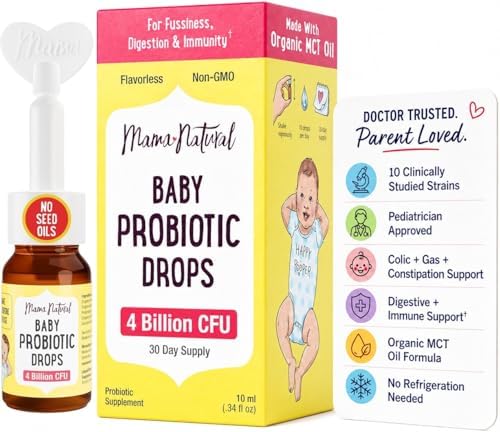
- Clinically Studied Strains for Happy Bellies – Each serving delivers 4 billion CFU from 10 research-backed probiotic str…
- Gentle Relief for Tummy Troubles – Whether it’s colic fussiness, gas, or occasional constipation, these pediatrician-app…
- No Seed Oils. Just Organic MCT Oil. – Our upgraded probiotic drops for infants are now made with organic MCT oil, a clea…
- Clean, Simple & Worry-Free – No artificial preservatives. No junk. This is a clean-label liquid probiotic made without g…
- Pediatrician-Formulated & Mom-Approved – These infant probiotic drops are specifically designed for children 0-48 months…
Common Myths About Baby Immunity
Many misconceptions circulate about infant immune health. Let’s clarify some common myths:
Myth 1: Babies need to be kept in ultra-clean environments.
Truth: Excessive cleaning may actually prevent important immune development. Moderate exposure to everyday germs helps train the immune system.
Myth 2: Formula-fed babies have weaker immunity.
Truth: While breastfeeding provides immune benefits, formula-fed babies develop strong immune systems too. The gap narrows significantly after the first year.
Myth 3: All illnesses indicate a weak immune system.
Truth: Occasional mild illnesses are normal and even beneficial as they help build immunity. Frequent or severe illnesses warrant medical attention.
Myth 4: Supplements are necessary for immune development.
Truth: Most healthy babies get sufficient nutrients from breast milk or formula, with few exceptions like vitamin D.
Essential Items & Supplies for Supporting Baby’s Immune System

Must-Have Products for Immune Support
Certain products can help parents in their quest to boost baby immunity naturally:
Humidifier – Maintains optimal humidity levels, preventing dry nasal passages that can crack and allow germs entry.
Baby-safe probiotics – Supports gut health, where approximately 70% of immune function originates.
Nasal aspirator – Helps clear congestion, preventing infections from worsening.
Air purifier with HEPA filter – Removes airborne allergens and pathogens from baby’s environment.
Vitamin D drops – Essential supplement recommended by pediatricians, especially for breastfed infants.
These items create a foundation for supporting your little one’s developing defenses against common illnesses.

- NATURAL IMMUNE SUPPORT FOR KIDS: Keep your little one feeling their best with the effective immune & recovery support th…
- KID’S PROPOLIS THROAT SPRAY: Meet your little one’s defender. This powerful, natural immune support combines bee propoli…
- NATURAL DAYTIME COUGH SYRUP FOR KIDS: Finally, a truly clean and non-toxic daytime cough syrup to help your little ones …
- THROAT-SOOTHING LOLLIPOPS: Each lollipop is formulated with propolis, vitamin D, zinc, and wildflower honey to soothe sc…
- POWERED BY PROPOLIS: Propolis is a bee product that delivers 300+ beneficial compounds—like antioxidant flavanoids & pol…
Optional but Helpful Items
While not essential, these items can provide additional support:
- Organic cotton bedding – Reduces exposure to chemicals and potential allergens
- Immune-supporting bath products – Gentle cleansers with natural ingredients like calendula
- Breastmilk storage bags – For working mothers who want to continue providing immune-boosting breast milk
- Baby food maker – Facilitates preparation of fresh, immune-supporting foods when starting solids
- Stainless steel or glass bottles – Reduces potential exposure to chemicals in some plastics
Budget-Friendly Alternatives
Supporting your baby’s immune system doesn’t have to break the bank:
| Premium Option | Budget Alternative | Immune Benefit |
|---|---|---|
| HEPA Air Purifier ($150+) | Open windows daily for 15 minutes | Fresh air circulation reduces indoor pathogens |
| Baby-specific probiotics ($25+) | Small amounts of plain yogurt (for babies over 6 months) | Supports beneficial gut bacteria |
| Electric humidifier ($40+) | Bowl of water near heat source | Maintains moisture in air to protect mucous membranes |
| Organic food delivery ($80+/week) | Homemade purees from conventional produce (well-washed) | Provides immune-boosting nutrients |
| Premium vitamin drops ($30+) | Generic vitamin D drops ($10) | Essential vitamin support for immunity |
Guide to Strengthening Your Baby’s Immune System

Preparation Steps
Before implementing immune-boosting strategies, prepare with these essential steps:
Consult your pediatrician – Discuss your plans to boost baby immunity and get personalized recommendations.
Assess your home environment – Look for potential sources of allergens or irritants like mold, dust, or strong cleaning chemicals.
Evaluate family habits – Consider how daily routines like handwashing and food preparation might impact your baby’s exposure to germs.Research age-appropriate foods – Understand which immune-supporting foods are safe at your baby’s developmental stage.
Create a sick-day plan – Prepare for inevitable illnesses with supplies, contact information, and knowledge about when to seek medical attention.
Taking these preparatory steps ensures you’re ready to implement immune-supporting strategies safely and effectively.
Implementation Process
Follow these ten key steps to strengthen your baby’s immune system:
Prioritize breastfeeding when possible – Breast milk contains antibodies and immune-boosting compounds that help protect babies from illness. Even partial breastfeeding provides benefits.
Ensure adequate sleep – Babies need 12-16 hours of sleep daily for immune function. Establish consistent sleep routines and create a sleep-friendly environment.
Introduce immune-boosting foods strategically – When starting solids, include:
- Colorful fruits and vegetables
- Yogurt with live cultures
- Iron-rich foods like pureed meats or fortified cereals
- Healthy fats from avocado and olive oil
Maintain vaccination schedules – Follow your pediatrician’s recommended vaccination timeline to protect against serious diseases.
Allow safe exposure to the outdoors – Regular outdoor time exposes babies to beneficial microbes while providing immune-boosting vitamin D from sunshine.
Limit antibiotic use when appropriate – Discuss with your doctor whether antibiotics are truly necessary for each illness, as overuse can disrupt gut flora.
Practice good hygiene without oversterilizing – Wash hands regularly but avoid antibacterial products for everyday use.
Reduce toxic exposures – Minimize household chemicals, opt for natural cleaning products, and ensure good ventilation.
Manage stress in the household – Babies sense family stress, which can impact their immune function. Maintain a calm environment when possible.
Encourage appropriate physical activity – Even infants benefit from tummy time and gentle movement that stimulates immune circulation.
Troubleshooting Common Issues
When implementing immune support strategies, you may encounter these challenges:
Problem: Baby refuses immune-boosting foods
Solution: Try different preparations, offer foods repeatedly (it may take 10-15 exposures), and model enjoyment of these foods yourself.
Problem: Difficulty maintaining breastfeeding
Solution: Seek support from lactation consultants, consider partial breastfeeding, or focus on other immune-supporting strategies if breastfeeding isn’t possible.
Problem: Baby seems to catch every illness despite your efforts
Solution: Remember that some illnesses are normal and actually help build immunity. Focus on reducing severity and duration rather than preventing all exposure.
Problem: Conflicting advice from family members
Solution: Respectfully acknowledge their input while explaining that you’re following current pediatric recommendations for your baby’s immune system support.
Top 5 Benefits of a Strong Baby Immune System for Baby & Parents
Developmental & Health Benefits for Baby
A well-supported baby’s immune system provides numerous advantages:
Reduced illness frequency and severity – Babies with robust immunity tend to experience fewer infections and recover more quickly when they do get sick.
Better cognitive development – When energy isn’t diverted to fighting illness, more resources are available for brain development and learning.
Improved growth patterns – Regular illness can impact weight gain and growth; healthier babies often show more consistent development.
Enhanced gut health – About 70% of immune tissue resides in the digestive system. A balanced gut microbiome supports not only immunity but also digestion and even mood regulation.
Lower risk of developing allergies and asthma – Research suggests that appropriate early immune development may reduce the likelihood of certain allergic conditions later in childhood.
Advantages for Parents
Parents also benefit when they successfully boost baby immunity:
- Fewer sleepless nights tending to sick infants
- Reduced need for urgent medical visits
- Less time missed from work due to caring for ill children
- Decreased anxiety about baby’s health
- More enjoyable family activities without illness interruptions
One study found that parents of children with stronger immune systems reported significantly higher quality of life scores and lower stress levels compared to those whose children frequently fell ill.
Long-Term Impact on Family Wellbeing
The benefits of early immune support extend far beyond infancy:
- Children with well-developed immune systems often experience fewer school absences later
- Families establish healthy routines that benefit everyone’s immunity
- Parents develop confidence in their ability to support their child’s health
- Reduced healthcare costs over time
- Established healthy habits often continue throughout childhood
Expert Tips for Age-Specific Immune Support
Tips for Newborns (0-3 Months)
During this period, your baby’s immune system is especially vulnerable:
- Limit visitors during the first few weeks, particularly during cold and flu season
- Practice skin-to-skin contact which transfers beneficial bacteria and regulates baby’s systems
- Keep up with pediatrician visits for monitoring and timely vaccinations
- Consider vitamin D supplementation (400 IU daily) as recommended by the American Academy of Pediatrics
- Breastfeed if possible to provide passive immunity through antibodies
- Ensure proper handwashing by anyone handling your newborn
During this stage, protection is more important than exposure, as your baby’s immune defenses are still very immature.
Adjustments for Older Babies & Toddlers (3+ Months)
As your baby grows, immunity strategies evolve:
- Introduce immune-supporting solid foods starting around 6 months
- Encourage safe exploration that exposes baby to beneficial environmental microbes
- Schedule regular outdoor time for natural light and fresh air
- Begin teaching simple hygiene habits like hand washing before meals
- Expand social interaction in controlled settings to build immunity to common childhood germs
- Ensure hydration becomes increasingly important as babies become more active
By 12 months, most babies can handle more exposure to everyday germs, which actually helps strengthen their developing immune responses.
Alternative Methods & Different Parenting Styles
Different approaches to supporting immunity can work within various parenting philosophies:
For Attachment Parenting:
- Extended breastfeeding provides continued immune support
- Co-sleeping may help regulate baby’s immune function through proximity
- Baby-wearing increases skin contact while limiting ground-level germ exposure
For Montessori-Inspired Parenting:
- Freedom of movement in clean, natural environments supports physical and immune development
- Natural materials reduce exposure to synthetic chemicals
- Self-feeding from an early age connects babies with immune-supporting whole foods
For Parents Following Traditional Practices:
- Many cultural remedies like certain teas, broths, and massage techniques have immune-supporting properties
- Traditional diets often naturally incorporate fermented foods beneficial for gut health
- Generational wisdom about seasonal care often aligns with modern immune research
Conclusion
Supporting your baby’s immune system is one of the most important gifts you can give them. Through a combination of natural approaches—from breastfeeding and nutrition to adequate sleep and appropriate exposure to the environment—you can help lay the foundation for lifelong health. Remember that occasional mild illnesses are normal and even beneficial as they help train your child’s developing immune responses.
The strategies we’ve covered work together synergistically to boost baby immunity naturally. You don’t need to implement every suggestion perfectly—even focusing on a few key areas can make a significant difference in your baby’s resilience to illness.
As your baby grows, continue adapting your approach to their changing needs. The immune support you provide now not only helps them through the vulnerable infant period but establishes patterns that will benefit their health for years to come. Trust your instincts, consult with healthcare providers when needed, and remember that building a strong baby’s immune system is a journey, not a destination.
Share your experiences with supporting your baby’s immune health in the comments below! What strategies have worked best for your family? And for more comprehensive guidance on infant care, explore our related article on baby sleep strategies.
FAQs
How do I know if my baby’s immune system is working properly?
A properly functioning baby’s immune system doesn’t mean your little one will never get sick. In fact, occasional mild illnesses are normal and help strengthen immunity. Signs of a healthy immune response include:
- Recovery from minor illnesses within a reasonable timeframe (5-7 days for most common colds)
- Appropriate responses to vaccines (mild fever or fussiness can actually indicate a good immune response)
- Consistent growth and development despite occasional illness
- Clear skin without persistent rashes or infections
- Good energy levels between illnesses
However, consult your pediatrician if your baby experiences frequent or severe infections, illnesses lasting longer than 10 days, recurrent high fevers, or persistent thrush. These could indicate that additional support for your baby’s immune system may be needed.
Can certain foods really boost my baby’s immune system?
Yes, nutrition plays a vital role in supporting your baby’s immune system once they start solids. Immune-supporting foods include:
- Colorful fruits and vegetables rich in vitamin C and antioxidants (berries, sweet potatoes, carrots)
- Foods containing zinc (pureed meats, beans)
- Sources of healthy fats like avocado and olive oil
- Iron-rich foods such as fortified cereals and pureed meats
- Yogurt with live cultures to support gut health
The timing of introduction matters too. Follow your pediatrician’s guidance, typically starting solids around 6 months. Introduce potential allergens early (between 6-12 months) under medical supervision, as research shows this may actually help prevent allergies. Remember that breast milk or formula remains the primary nutrition source until age one, with these immune-boosting foods complementing their diet.
Is it possible to over-strengthen a baby’s immune system?
While you can’t technically make your baby’s immune system “too strong,” you can create imbalances that lead to problems. The goal is a balanced immune response—one that responds appropriately to threats without overreacting to harmless substances.
Potential concerns include:
- Excessive sanitization can reduce beneficial microbial exposure, potentially contributing to allergies or asthma (known as the “hygiene hypothesis”)
- Overuse of immune supplements without medical guidance may cause imbalances
- Completely preventing exposure to common germs may delay immune development
The best approach is moderation. Focus on natural immune support through nutrition, adequate sleep, appropriate exposure to the environment, and good hygiene without obsessive sterilization. This balanced approach helps your baby’s immune system develop healthy responses that protect without overreacting.
How does breastfeeding impact my baby’s immune system?
Breastfeeding provides significant immune benefits for your baby’s immune system through multiple mechanisms:
- Transfer of maternal antibodies that provide immediate protection against pathogens
- Delivery of white blood cells that actively fight infections
- Supply of prebiotics (oligosaccharides) that feed beneficial gut bacteria
- Provision of lactoferrin, lysozymes, and other immune-protective proteins
- Customized immune protection—when a mother is exposed to germs, she produces specific antibodies in her milk
Research shows breastfed infants typically experience fewer respiratory infections, ear infections, and gastrointestinal illnesses. These benefits appear dose-dependent, with exclusive breastfeeding for six months offering optimal protection, though any amount provides value.
If breastfeeding isn’t possible, modern formulas contain prebiotics and probiotics that help support gut health, an important component of immunity. Focus on other immune-supporting practices while using formula to help boost baby immunity naturally.
When should I be concerned about my baby’s immune function?
While developing immunity means occasional mild illnesses are normal, certain signs warrant medical attention regarding your baby’s immune system:
- More than 8-10 colds or other infections in a year
- Infections that don’t respond to standard treatments
- Persistent thrush or diaper rash that doesn’t clear with treatment
- Recurrent high fevers without obvious cause
- Poor growth or weight gain (falling across percentile lines)
- Family history of immune disorders
- Delayed wound healing
- Recurrent pneumonia, sinusitis, or ear infections (more than 4-6 episodes yearly)
If you notice these patterns, your pediatrician may recommend additional evaluation. Most immune concerns in babies are temporary or manageable, but early identification of potential issues allows for appropriate intervention. Remember that building your baby’s immune system is a gradual process, and some children simply take longer to develop robust defenses.