This post may contain Affiliate links. If you buy anything via the link, I will earn a small commission without any effect on your payment. Thank you for your support.
Introduction
Have you ever considered what your baby’s clothing is actually made of and how it might affect their delicate skin? As parents, we carefully research car seats, strollers, and feeding options, but clothing choices often receive less scrutiny despite being in constant contact with our little one’s skin. organic baby clothing represents a thoughtful choice that prioritizes your child’s health while supporting environmental sustainability.
Made without harmful chemicals, pesticides, and synthetic processes, these garments offer peace of mind during a critical developmental stage. With rising concerns about chemical exposure and climate impact, understanding the importance of organic baby clothing has become essential knowledge for conscientious parents in 2025.
Essential Items & Supplies Needed
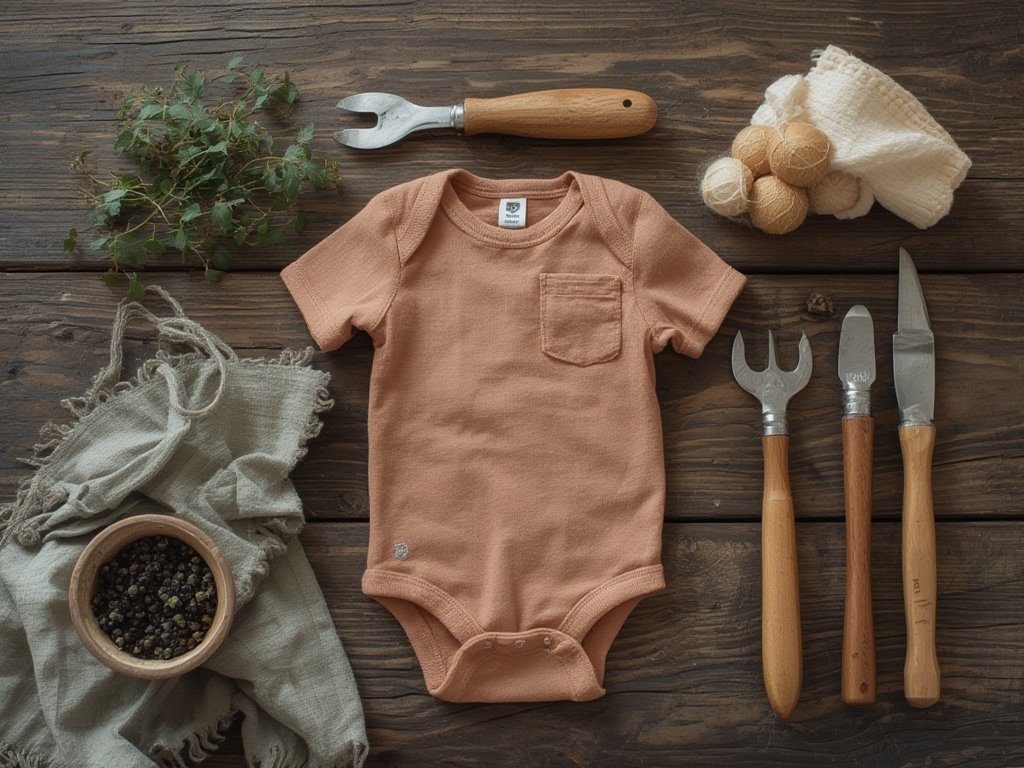
Creating a comprehensive organic baby clothing collection requires understanding the essential pieces that will form the foundation of your little one’s wardrobe. Here’s what you’ll need to get started:
Organic Cotton Bodysuits/Onesies (6-8): These form the backbone of any baby wardrobe, serving as standalone outfits in warm weather and layering pieces in cooler conditions. Look for options with envelope necklines that stretch for easy over-the-head dressing and snap closures at the bottom for quick diaper changes.
Organic Cotton Sleepers/Footies (4-6): Essential for bedtime and lounging, these one-piece garments keep babies warm without loose blankets. Choose options with zippers rather than snaps for middle-of-the-night diaper changes.
Organic Cotton Pants (4-5 pairs): Look for elastic waistbands and stretchy fabrics that accommodate diapers and growing bodies. Footed styles work well for younger babies, while separate pants and socks suit older infants.
Organic Swaddles and Sleep Sacks (2-3): These safer alternatives to blankets help regulate temperature and signal sleep time. Lightweight organic baby clothing options work for warmer months, while heavier ones suit cooler seasons.
Weather-Appropriate Outerwear: For colder climates, invest in an organic cotton sweater or jacket, mittens, and hat. In warmer areas, a lightweight organic sun hat and thin cotton cardigan suffice.
Organic Cotton Socks (5-6 pairs): Baby feet need protection even indoors. Choose socks with gentle elastics that stay on without constricting circulation.
Laundry Supplies: Eco-friendly, fragrance-free detergents specifically formulated for sensitive skin complement your organic baby clothing commitment. Look for products certified by Global Organic Textile Standard, Sustainable baby fashion organizations.
Organic Bibs and Burp Cloths: While not clothing per se, these accessories protect your investment in quality garments and are equally important to source in organic materials since they contact baby’s sensitive face and neck.
When selecting these items, prioritize certifications like Global Organic Textile Standard, Sustainable baby fashion (GOTS) to ensure the products meet rigorous organic and ethical manufacturing standards.

KEEPS BABY COMFORTABLY WARM – Convertible cuffs turn into mittens and booties. This baby fleece bunting suit adapts to every environment, ideal for daily wear, chilly stroller rides, or outdoor play.
ROOMY FIT FOR GROWING BABIES – Generous sizing of our baby fleece onesie allows for layering on colder days and extends wear as your baby grows, a smart, lasting choice through multiple stages.
DESIGNED FOR BUSY ROUTINES – The long zipper of this baby and toddler bunting suit makes dressing and diaper changes fast and easy, less disruptions during errands, daycare runs, or quick changes.
CAR SEAT FRIENDLY – Lightweight yet insulating design of this baby fleece jumpsuit keeps baby warm without bulk, making it compatible with car seat straps and comfortable enough for room lounging.
A GIFT THAT WRAPS THEM IN LOVE – Soft, snuggly fleece makes this baby bunting suit feel like a warm hug, making it the ideal present for baby showers, holidays, or a new arrival’s first winter season. Note: NOT intended for children’s sleepwear.
Timeline / Age Appropriateness
Understanding when and how to incorporate organic baby clothing throughout your child’s development helps maximize both comfort and value:
Pre-birth (Third Trimester): Begin researching and acquiring essential organic pieces for your newborn. This gives you time to wash everything before use and potentially request specific items as baby shower gifts. Focus on newborn and 0-3 month sizes initially.
Newborn to 3 Months: At this stage, babies have exceptionally sensitive skin and vulnerable immune systems, making organic baby clothing particularly beneficial. Prioritize bodysuits, sleep gowns, and swaddles that minimize contact with sensitive umbilical cord areas. Expect rapid growth during this period, so don’t overinvest in newborn sizes.
3-6 Months: As babies become more active, introducing organic stretch pants, shorts, or skirts makes sense. Their skin remains sensitive, but they’re developing more robust immune responses. This is when layering pieces become more practical as babies start regulating temperature better.
6-12 Months: With increased mobility and potentially beginning solid foods, more durable organic baby clothing becomes important. Look for reinforced knees in pants and more structured garments. Organic cotton still provides the breathability active babies need.
12-24 Months: Toddlers explore enthusiastically, requiring durable clothing that withstands crawling, walking, and playing. Organic materials maintain their value here as toddlers still have relatively sensitive skin and can react to chemical dyes and treatments.
Growth spurts typically occur around 3, 6, 9, and 12 months, so consider sizing up slightly when purchasing organic baby clothing to extend wear time. Seasonality also matters—adjust purchases to align with the size your baby will likely wear during different weather periods.
Step-by-Step Instructions
How to Build and Maintain an Organic Baby Wardrobe
Step 1: Assess Your Needs and Budget
- Determine your climate requirements and lifestyle factors (frequency of laundry, outings, etc.)
- Set a realistic budget, recognizing that organic baby clothing typically costs 20-30% more than conventional alternatives
- Consider starting with just skin-contact layers (onesies, pajamas) in organic materials if budget is tight
Step 2: Identify Reputable Organic Brands
- Look for proper certifications like Global Organic Textile Standard, Sustainable baby fashion (GOTS)
- Research brands’ additional ethical commitments (fair labor, carbon neutrality, etc.)
- Read parent reviews focusing on durability and how fabrics hold up after multiple washes
Step 3: Prioritize Versatile Basics
- Start with neutral-colored essentials that mix and match easily
- Choose convertible designs that adapt as baby grows (fold-over mittens, adjustable waistbands)
- Select designs allowing easy diaper access to make changes more convenient
Step 4: Properly Prepare New Clothing
- Pre-wash all new organic baby clothing before first wear using fragrance-free, eco-friendly detergent
- Wash organic items separate from conventional clothes initially to prevent chemical transfer
- Skip fabric softeners and dryer sheets, opting for wool dryer balls if needed
Step 5: Implement a Smart Organization System
- Arrange clothing by size rather than type to easily identify current and upcoming size needs
- Use drawer dividers or small bins to separate different categories
- Keep a small basket for items being currently outgrown to assess for storage or passing along
Step 6: Practice Proper Care and Maintenance
- Follow care instructions precisely—many organic fabrics perform best with line drying
- Treat stains promptly using natural stain removers compatible with organic fabrics
- Store out-of-season or outgrown organic baby clothing in breathable cotton storage bags rather than plastic
Step 7: Develop a Sustainable Rotation Plan
- Implement a “one in, one out” policy once your basic wardrobe is established
- Consider seasonal consignment sales for both buying and selling organic pieces
- Join parent swap groups specifically focused on natural and organic children’s items
With this systematic approach, you’ll build a functional, eco-friendly wardrobe that protects your baby’s health while minimizing environmental impact.

Soft & Comfort- Using 100% cotton material,our baby sleeper provides the softest experience for newborn babies. With highly breathable,these baby pajamas are suitable for sensetive-skin babies. The exquisite threading process ensures no extra threads to scratch your baby’s skin.
2-Way Zipper- Diagonal 2-way SBS zipper design, you can unzip from the bottom of the baby pajamas to change clothes for your baby. Use high-quality SBS zipper,this smooth zipper ranges from neck to ankle and will not wake your baby up when changing diapers.
Convertible Mittens & Footies Pajamas- No-scratch convertible mittens on the sleeves can prevent baby from scratching himself and keep warmth.Footies Pajamas to provide stability for early movers.
Safe & Long-Last – Yoofoss baby pajamas are extensive testing and CPSC-certified. Safe fabrics tested against 1,000+ substances for highest standards.The zipper protector can isolate baby’s chin from the zipper.These baby pajamas are machine washable and will stay soft through thousands of washes. We recommend washing at low temperatures for long-lasting durability.
Essential Baby Item – Designed with classic colour combinations and simple unisex prints, Our baby sleepers are good for everyday use.There are 4 different sizes of baby sleepers for babies: newborn,0-3months, 3-6months, 6-9months. you can choose the most suitable size for your baby. These fitted baby footie pajamas will wrap around your baby’s body comfortably for a cozy and sweet night for you and your baby.
Benefits for Baby & Parents
Choosing organic baby clothing offers substantial advantages that extend beyond simple fashion preferences:
Health Benefits for Babies:
- Reduced Skin Irritation and Allergic Reactions: Conventional cotton farming utilizes approximately 16% of the world’s insecticides. Organic baby clothing eliminates these potential irritants, reducing eczema flare-ups and general skin sensitivity.
- Decreased Chemical Exposure: Babies’ developing organs and systems process toxins less efficiently than adults. Organic fabrics eliminate exposure to formaldehyde, flame retardants, and AZO dyes that can disrupt hormonal development.
- Better Temperature Regulation: Natural organic fibers breathe more effectively than synthetic alternatives, helping babies maintain optimal body temperature and reducing overheating risks associated with SIDS.
- Enhanced Comfort: The softer texture of organic cotton, which hasn’t been stripped of its natural waxes through harsh chemical processing, provides superior comfort against delicate skin.
Environmental Benefits:
- Water Conservation: Organic cotton farming uses approximately 71% less water than conventional methods, preserving crucial resources.
- Soil Health Preservation: Sustainable growing practices maintain soil integrity rather than depleting it, ensuring future agricultural viability.
- Biodegradability: Unlike polyester and other synthetic fabrics that can take centuries to decompose, organic baby clothing made from natural fibers breaks down naturally at the end of its lifecycle.
Benefits for Parents:
- Superior Durability: Higher-quality organic fabrics typically withstand more wash cycles without degrading, allowing garments to be passed down to younger siblings or other families.
- Improved Resale Value: Organic baby clothing often retains up to 40% more value in resale markets compared to conventional alternatives.
- Peace of Mind: The knowledge that you’ve chosen the healthiest option for your baby eliminates worry about potentially harmful substances in direct contact with your child’s skin.
- Educational Opportunity: Choosing organic provides a foundation for teaching children about environmental responsibility as they grow.
Research published in Environmental Health Perspectives indicates that babies wearing organic baby clothing show measurably lower levels of pesticide metabolites in their systems compared to those in conventional clothing, underscoring the tangible health advantages of this choice.

[Softest Pajamas Ever] Made from buttery-soft custom-milled Lunaluxe fabric, our stretchy viscose derived from bamboo baby pajamas provide cozy snuggles and soothing comfort for sensitive skin; perfect baby clothes for girls and boys.
[Fold Over Features] Our sleepers feature fold-over mittens (Preemie to 12-18M) to prevent scratching and fold-over foot cuffs for an easy switch between a footless romper and a footed sleeper. Plus, the two-way zipper makes middle-of-the-night diaper changes a breeze!
[Designed to Fit for 3X Longer] Our high quality baby pajamas grow with your little one, lasting three times longer than standard baby sleepers!
[Cool in Summer, Cozy in Winter] Our buttery soft baby girl clothes and baby boy clothes keep little ones warm and cozy in the cold months and comfortably cool in the hot months, making them the perfect winter and summer baby pajamas.
[Designed & Loved by Moms] Unbelievable softness, adorable prints. Little Sleepies baby pajamas are loved by the whole family and are designed for long-lasting comfort and maximum cuteness. Our baby girl and baby boy pajamas are the perfect baby girl gift, baby boy gift, baby shower gift, and addition to the baby registry!
Tips, Alternative Methods, or Expert Advice
Expert Strategies for Maximizing Your Organic Baby Wardrobe
Budget-Friendly Approaches:
- Strategic Investment: Allocate organic fabric priority to items with maximum skin contact (underwear, pajamas, bodysuits) if budget constraints exist.
- Subscription Services: Several organic baby clothing brands offer subscription boxes delivering seasonally appropriate items as your baby grows, often at 15-25% discount compared to individual purchases.
- Second-Hand Sourcing: Organic children’s consignment stores, both physical and online, offer pre-loved Global Organic Textile Standard, Sustainable baby fashion certified items at 40-60% below retail prices.
- Capsule Wardrobe Approach: Pediatric fashion consultant Sarah Wilkinson recommends limiting each size range to 20-25 versatile pieces that coordinate interchangeably.
Specialized Circumstances:
- Sensitive Skin Considerations: For babies with eczema or extraordinary sensitivity, seek undyed organic cotton labeled “natural” or “unbleached” to eliminate any reaction to even natural dyes.
- Hot Climate Adaptations: In tropical environments, look for organic muslin or lightweight cotton gauze with UPF protection woven into the fabric rather than applied as a chemical treatment.
- Cold Weather Solutions: Layer organic baby clothing rather than selecting thick, bulky items. Begin with an organic cotton bodysuit, add organic wool mid-layers for insulation, and finish with outer protection appropriate to conditions.
Expert-Recommended Innovations:
- Growth-Friendly Designs: Pediatric occupational therapist Michelle Torres recommends convertible garments with extendable cuffs and adjustable waistbands that accommodate growth spurts, extending wear time by approximately 30%.
- Fabric Blends: For specific needs, consider strategic organic blends—organic cotton/hemp offers exceptional durability for active toddlers, while organic cotton/bamboo provides superior moisture-wicking for babies who overheat easily.
- Adaptive Features: Dr. James Lindberg, pediatric dermatologist, suggests seeking flat seams and tagless designs for babies with tactile sensitivity, features increasingly available in premium organic baby clothing lines.
By implementing these expert strategies, you can maximize both the value and benefits of your organic baby clothing investments while addressing your family’s unique needs and circumstances.
Common Mistakes to Avoid
When navigating the world of organic baby clothing, parents frequently encounter these pitfalls that can undermine their best intentions:
1. Falling for “Greenwashing” Claims
- The mistake: Assuming any product labeled “natural,” “eco-friendly,” or “green” meets organic standards.
- The solution: Look specifically for legitimate certifications like Global Organic Textile Standard, Sustainable baby fashion (GOTS), OEKO-TEX Standard 100, or Organic Content Standard (OCS). These verify the entire production process meets strict ecological and social criteria.
2. Overbuying in Newborn Sizes
- The mistake: Purchasing excessive quantities of tiny newborn organic baby clothing that babies quickly outgrow, sometimes within weeks.
- The solution: Limit newborn-sized items to 4-5 bodysuits and sleepers, focusing your organic budget on 0-3 month sizes and beyond for better value.
3. Improper Care Techniques
- The mistake: Using standard laundry detergents with optical brighteners and fragrances that deposit chemicals back onto organic fabrics.
- The solution: Choose specially formulated organic detergents and avoid fabric softeners, which coat fibers with chemicals and reduce the natural breathability of organic textiles.
4. Ignoring Comprehensive Toxicity
- The mistake: Focusing exclusively on fabric while overlooking potentially toxic accessories like plastic buttons, synthetic threads, or chemical dyes.
- The solution: Look for organic baby clothing with natural coconut, corozo nut, or wood buttons, organic cotton thread, and non-metallic, nickel-free snaps.
5. Prioritizing Style Over Function
- The mistake: Selecting adorable but impractical organic outfits that restrict movement or complicate diaper changes.
- The solution: Evaluate each purchase for accessibility features like envelope necklines, full-length zippers, and snap crotches that make baby care easier.
6. Neglecting Seasonal Alignment
- The mistake: Buying current-sized seasonal items that will be outgrown before the appropriate weather returns.
- The solution: Purchase seasonal organic baby clothing in sizes your baby will wear during that season, which often means sizing up significantly.
7. Missing Secondhand Opportunities
- The mistake: Assuming all organic baby clothing must be purchased new, overlooking significant savings available in the pre-loved market.
- The solution: Explore dedicated organic children’s consignment platforms where high-quality items often appear with tags still attached at 40-60% below retail prices.
Avoiding these common pitfalls ensures you maximize the health benefits, environmental impact, and financial value of your investment in organic baby clothing.
Maintenance / Ongoing Care Tips
Proper maintenance of organic baby clothing not only preserves its quality and extends its lifespan but also maintains the integrity of its non-toxic benefits:
Daily Care Practices
Optimal Washing Protocol:
- Use cold water (86°F/30°C maximum) for routine washing, which preserves fibers and reduces energy consumption
- Separate organic baby clothing from conventional garments for the first several washes to prevent chemical transfer
- Select a plant-based, fragrance-free detergent certified for use with organic textiles
- Avoid optical brighteners and fabric softeners which deposit synthetic chemicals back onto organic fabrics
Stain Management for Organics:
- Treat stains immediately by rinsing with cold water from the reverse side
- For protein-based stains (milk, formula, diaper accidents), use enzyme-based natural stain removers
- For food stains, create a paste of baking soda and water, applying it to the stain for 30 minutes before washing
- Sunning is particularly effective for organic fabrics—lay damp, clean items in direct sunlight to naturally bleach stains without chemicals
Drying Recommendations:
- Line-drying extends garment life by approximately 30-40% compared to machine drying
- If machine drying is necessary, use low heat settings and remove items while slightly damp
- Add wool dryer balls instead of synthetic dryer sheets to reduce static and wrinkles naturally
- Avoid over-drying, which can damage organic cotton’s natural fibers and elasticity
Seasonal Transition and Storage
Proper Storage Techniques:
- Clean thoroughly before storing to prevent stain setting or insect attraction
- Use acid-free tissue paper between folded garments for delicate organic baby clothing
- Store in cotton bags or containers rather than plastic to allow fabrics to breathe
- Place cedar blocks rather than mothballs to deter pests without introducing chemicals
Condition Assessment:
- Examine garments at each size transition for wear indicators
- Reinforce seams showing early signs of weakness to extend usability
- Document condition in a simple spreadsheet or app if planning to resell or save for future children
Sustainable Cycling:
- Establish a system for rotating outgrown organic baby clothing to other families or consignment
- Consider Global Organic Textile Standard, Sustainable baby fashion take-back programs offered by some manufacturers for items too worn for continued use
By following these specialized maintenance protocols, your investment in organic baby clothing will deliver maximum value through extended wear, preserved appearance, and maintained health benefits throughout your baby’s developmental stages and potentially for future children.
Conclusion
The choice to invest in organic baby clothing represents far more than a fashion statement—it’s a deliberate decision to prioritize your baby’s health, comfort, and future environment. Throughout this guide, we’ve explored how these specially-produced garments minimize exposure to harmful chemicals during a critical developmental period when babies are most vulnerable to environmental toxins.
We’ve learned that properly certified organic baby clothing offers tangible benefits including reduced skin irritation, decreased chemical exposure, better temperature regulation, and superior comfort. Additionally, these garments represent a more sustainable choice that conserves water, preserves soil health, and reduces the fashion industry’s overall environmental footprint.
The practical strategies outlined—from building a strategic organic wardrobe to properly maintaining these special textiles—provide a roadmap for integrating this healthier option into your parenting journey without overwhelming your budget or lifestyle. By focusing on key contact pieces, understanding certification standards like Global Organic Textile Standard, Sustainable baby fashion, and implementing proper care techniques, you can maximize the benefits of this investment.
As parents, we make countless decisions daily that impact our children’s wellbeing. Choosing organic baby clothing represents a simple yet meaningful step toward creating a healthier environment for your child both immediately and in the long term. We encourage you to start with just a few essential pieces and experience the difference firsthand in quality, comfort, and peace of mind.
Have you already incorporated organic baby clothing into your baby’s wardrobe? Share your experiences, favorite brands, or questions in the comments below. Your insights might help another parent make more informed choices for their little one’s health and comfort.
FAQs
1. How can I verify if baby clothing is truly organic and not just marketed as “natural”?
Genuine organic baby clothing carries specific certifications from recognized organizations. Look primarily for the Global Organic Textile Standard, Sustainable baby fashion (GOTS) certification, which verifies the entire production process from harvesting raw materials through environmentally and socially responsible manufacturing.
Other reliable certifications include OEKO-TEX Standard 100 (testing for harmful substances) and Organic Content Standard (OCS) for fabric composition verification. Without these specific certifications, terms like “natural,” “eco-friendly,” or “green” have no regulated meaning and may represent greenwashing rather than genuinely organic products.
2. Is organic baby clothing worth the higher price point compared to conventional options?
The value equation depends on your specific priorities. Organic baby clothing typically costs 20-30% more than conventional alternatives but offers several offsetting benefits: reduced exposure to potentially harmful chemicals for your baby’s developing systems, superior durability that often extends useful life by 30-40%, better resale value (typically recovering 25-40% of purchase price versus 10-15% for conventional items), and decreased environmental impact.
For families prioritizing health considerations, particularly for babies with sensitive skin or allergies, many parents report the premium is justified by reduced skin irritations and peace of mind.
3. How many pieces of organic clothing does my baby actually need in each size?
A functional minimalist organic baby clothing wardrobe typically includes: 6-8 bodysuits/onesies, 3-4 sleepers/footie pajamas, 3-4 pants/shorts, 1-2 sweaters or light jackets, 5-6 pairs of socks, and 2-3 swaddles or sleep sacks per size range. This quantity allows for laundry every 2-3 days. The “capsule wardrobe” approach is particularly well-suited for organic clothing, as fewer, higher-quality pieces that coordinate well together maximize your investment.
Consider your local climate, laundry routine, and how quickly your baby grows when adjusting these numbers. Many parents find investing in convertible designs with fold-over cuffs and adjustable features extends wear time significantly.
4. Can I mix organic and conventional clothing in my baby’s wardrobe?
Yes, many families adopt a strategic hybrid approach to organic baby clothing. Prioritize organic fabrics for items with maximum skin contact (underwear, pajamas, bodysuits) and those worn during extended periods (sleepwear). If budget constraints exist, conventional clothing can supplement for outerwear, special occasion outfits worn briefly, or accessories with minimal skin contact.
When laundering, wash new conventional garments several times separately before mixing with organics to reduce chemical transfer. This balanced approach allows families to gain the most important health benefits of organic textiles while managing budget considerations effectively.
5. How do I properly care for organic baby clothing to maintain its benefits and extend its lifespan?
To preserve both the integrity and non-toxic benefits of organic baby clothing: wash in cold water with plant-based, fragrance-free detergents specifically formulated for sensitive skin; avoid fabric softeners, dryer sheets, and optical brighteners which deposit chemicals back onto fabrics; line-dry when possible or use low heat settings and remove while slightly damp if machine drying; treat stains immediately using natural methods like sunning, baking soda paste, or enzyme-based removers rather than chemical stain treatments; and store in breathable cotton bags rather than plastic containers.
These practices maintain the chemical-free integrity of the garments while extending their useful life by approximately 30-40% compared to conventional care methods.