
Introduction
Are you at your wit’s end with a crying baby who just won’t settle? You’re not alone. The sound of your newborn’s cries can trigger an almost primal response, leaving you desperate to find effective baby soothing techniques that actually work. Studies show that newborns cry an average of 2-3 hours daily, with some “colicky” babies crying for much longer. Finding ways to calm a crying baby isn’t just about peace and quiet—it’s essential for your mental wellbeing and your baby’s healthy development.

In this comprehensive guide, we’ll explore 12 proven methods to soothe your little one, backed by pediatric research and real-world parenting experience. From ancient wisdom to modern science-based approaches, you’ll discover exactly what works and why, giving you a complete toolkit to handle even the fussiest moments with confidence.

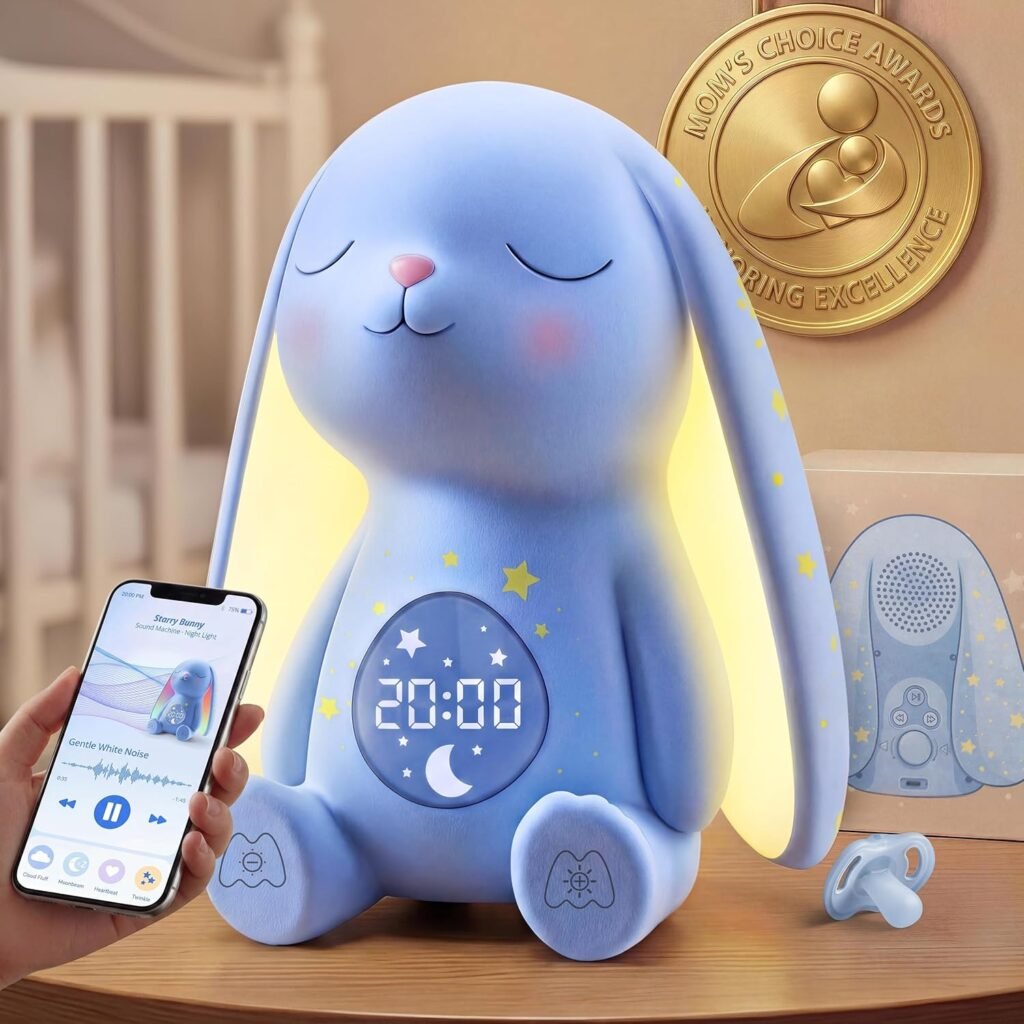
- [HIGH-RESOLUTION, 3.5-INCH COLOR LCD SCREEN] – Clearly see every little move right from the parent unit. When you check …
- [PAN, TILT AND ZOOM THE CAMERA FROM THE PARENT UNIT] – Watch as your little one moves about. The camera pans up to 270 d…
- [TOUCH ADAPTIVE NIGHT LIGHT] – The 7 color night lights automatically adjust brightness for ideal lighting. Touch the li…
- [SOOTHING SOUNDS AND LULLABIES] – Two calming melodies and two soft ambient sounds, including a trickling stream and whi…
- [TWO-WAY, TALK-BACK INTERCOM] – Sometimes all your baby needs is to hear the sound of your voice. Comfort your infant fr…
Understanding Baby Soothing Techniques – What Every Parent Should Know
What Are Baby Soothing Techniques?
Baby soothing techniques are specific methods and strategies designed to comfort distressed infants by mimicking aspects of their pre-birth environment or addressing their biological needs. These approaches work by triggering your baby’s calming reflexes—neurological responses that evolved to help babies transition from womb to world. Effective techniques engage multiple senses (touch, sound, movement) simultaneously, creating what pediatrician Dr. Harvey Karp calls the “calming reflex” response. Understanding your baby’s cues and needs is fundamental to applying these techniques successfully, as different babies respond to different approaches.
Why Baby Soothing Techniques Matter for Your Baby’s Development
The ability to soothe your baby goes far beyond momentary comfort—it significantly impacts neurological development. When babies experience prolonged distress without relief, their developing nervous systems are flooded with stress hormones like cortisol, which can affect brain development and emotional regulation pathways. Conversely, when you successfully implement baby soothing techniques, you’re helping your child develop:
- Healthy attachment bonds
- Better emotional regulation capabilities
- Improved sleep patterns
- Enhanced neural connections associated with security and trust
- Reduced risk of emotional and behavioral challenges later in childhood
Studies show that babies who receive consistent comforting develop greater resilience and adaptability as they grow.
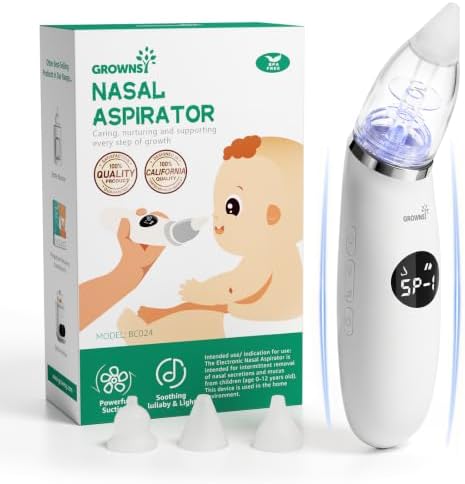
- 【3 Modes of Suction】The GROWNSY nasal aspirator for baby offers 3 modes of suction that can be adjusted. For stubborn bo…
- 【Ultimate Safety and Comfort】The GROWNSY Baby Nose Sucker features a unique anti-backflow design and comes with three so…
- 【Light & Music Function】The GROWNSY Nose Sucker for Baby is designed with your baby’s comfort in mind. With an LED displ…
- 【USB Rechargeable】The Booger Sucker for Baby is rechargeable and portable, providing 120 minutes of use after being full…
- 【Easy-to-Clean】The package comes with 3 reusable nasal suction tips of different sizes for babies of different ages and …
Common Myths About Baby Soothing Techniques
Several persistent misconceptions about soothing babies continue to circulate among parents:
Myth 1: Responding quickly to cries spoils babies.
Truth: Research conclusively shows that prompt response to infant cries builds security, not dependency. Babies whose needs are consistently met actually become more independent later.
Myth 2: Babies cry to manipulate parents.
Truth: Infants lack the cognitive development for manipulation. Crying is their only communication tool for expressing needs like hunger, discomfort, or overstimulation.
Myth 3: All babies respond to the same soothing methods.
Truth: Each baby has unique preferences. What works for one might not work for another, even within the same family.
Myth 4: Colicky babies can’t be soothed.
Truth: While challenging, even colicky babies respond to the right combination of soothing techniques tailored to their specific needs.
Essential Items & Supplies for Baby Soothing Techniques
Must-Have Products for Baby Soothing Techniques
These essential items form the foundation of an effective baby-soothing toolkit:
| Product | Purpose | Why It’s Essential |
|---|---|---|
| Swaddle Blankets | Recreates womb-like security | Prevents startle reflex, improves sleep quality |
| White Noise Machine | Masks environmental sounds | Mimics womb sounds, helps baby maintain sleep |
| Baby Carrier/Wrap | Enables hands-free soothing | Provides motion, closeness, and parental heartbeat sounds |
| Pacifiers | Satisfies non-nutritive sucking needs | Activates calming reflex through sucking motion |
| Rocking Chair | Facilitates gentle movement | Creates vestibular stimulation that calms nervous system |
The right combination of these tools allows parents to implement multiple baby soothing techniques simultaneously, often creating a more powerful calming effect than any single approach.
Optional but Helpful Items
While not essential, these additional products can significantly enhance your soothing capabilities:
- Baby swing or bouncer: Provides consistent, hands-free motion when you need a break
- Massage oils: Facilitates gentle infant massage, a powerful relaxation technique
- Blackout curtains: Creates an ideal sleep environment by eliminating disruptive light
- Yoga ball: Offers an effective way to provide rhythmic bouncing motion
- Infant bathtub: Enables calming warm baths, which many babies find soothing

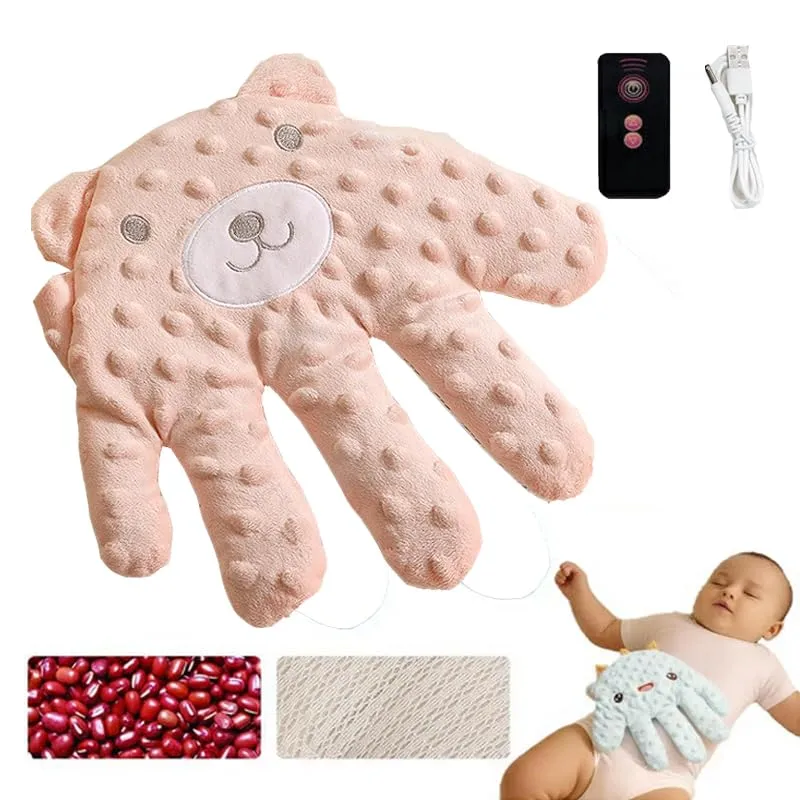
- ♦【Perfect Gift for Newborn Baby】:Looking for a unique Baby Essential? This Baby Vibrating Soother is gentle, portable, a…
Budget-Friendly Alternatives
Effective soothing doesn’t require expensive equipment. Consider these cost-effective options:
- DIY swaddles using regular blankets instead of specialized swaddle products
- Free white noise apps instead of dedicated machines
- Simple baby wraps made from fabric instead of structured carriers
- Hand-me-down rockers or used furniture rather than new items
- Homemade sensory toys using household materials
Remember that your presence, voice, and touch are the most powerful soothing tools—and they’re completely free.
Guide to Baby Soothing Techniques

Preparation Steps
Before implementing baby soothing techniques, set yourself up for success with these preparation steps:
Check basic needs first: Ensure baby isn’t hungry, wet, too hot/cold, or uncomfortable from gas or illness.
Create a calming environment: Dim lights, reduce noise, and eliminate overstimulating elements.
Regulate your own emotions: Babies sense parental anxiety. Take deep breaths to calm yourself first.
Have supplies ready: Keep swaddles, pacifiers, and other soothing tools within easy reach.
Learn baby’s early cues: Watch for signs of distress before full-blown crying begins (rubbing eyes, turning away, increased movement).
Implementation Process: 12 Proven Techniques
These research-backed methods form a comprehensive approach to calm a crying baby:
The 5 S’s Method (Developed by Dr. Harvey Karp)
- Swaddle: Wrap baby snugly with arms inside
- Side/Stomach position: Hold baby on side or stomach (for holding only, not sleeping)
- Shushing: Use loud, continuous shushing sounds
- Swinging: Provide gentle, rhythmic motion
- Sucking: Offer pacifier or clean finger
Baby-wearing
- Use a wrap, sling, or structured carrier
- Position baby securely against your chest
- Move naturally while wearing baby
White Noise
- Use consistent, non-variable sounds (fan, machine, app)
- Keep volume at conversation level (50-65 decibels)
- Place source near but not directly beside baby
Infant Massage
- Use gentle, firm strokes with warm hands
- Apply appropriate baby-safe oil
- Move from center outward on limbs
- Watch for cues of enjoyment or discomfort
Rhythmic Movement
- Rock in consistent, gentle pattern
- Try different directions (side-to-side, up-down)
- Maintain steady rhythm rather than random motion
Skin-to-Skin Contact
- Place undressed baby (diaper only) against parent’s bare chest
- Cover both with light blanket
- Sit reclined in comfortable position
Warm Bath
- Ensure proper temperature (98-100°F)
- Support baby securely
- Try gentle water pour over chest
Bicycle Legs
- Lay baby on back
- Move legs in cycling motion
- Apply gentle pressure to abdomen
- Particularly helpful for gas discomfort
Changing Environments
- Move to different room or outdoors
- Expose baby to new sensory input
- Try varied lighting conditions
Calming Holds
- Football hold: Baby’s stomach on forearm, head in hand
- Tiger in the tree: Baby’s stomach across forearm, head supported, legs straddling elbow
- Colic carry: Baby’s stomach on forearm, head toward elbow, legs straddling hand
Consistent Bedtime Routine
- Implement predictable sequence (bath, pajamas, story, feeding)
- Begin at same time nightly
- Keep stimulation progressively decreasing
Vocal Soothing
- Use low, rhythmic humming or singing
- Maintain consistent tempo
- Try different pitches to find preference
Troubleshooting Common Issues
When standard baby soothing techniques aren’t working:
For persistent crying: Try combinations of techniques simultaneously rather than one at a time.
When baby fights swaddling: Try alternative methods like sleep sacks or leaving one arm free.
For babies who resist carriers: Try different positions or carrier styles until you find one that works.
During growth spurts: Increase feeding frequency and duration for added comfort.
With overstimulation: Move to a quiet, dimly lit room and reduce all sensory input.
If reflux is suspected: Hold upright for 20-30 minutes after feeding and consider discussing with pediatrician.
Remember that some periods of crying are developmental and normal. If nothing works, ensure your baby is safe in their crib, take a short break to compose yourself, then try again with renewed patience.
Top 5 Benefits of Baby Soothing Techniques for Baby & Parents
Developmental & Health Benefits for Baby
Implementing effective baby soothing techniques provides these crucial advantages:
Enhanced Brain Development: Consistent soothing helps create neural pathways associated with emotional regulation. Babies who receive responsive care show more advanced brain development in areas controlling emotional responses.
Improved Sleep Quality: Well-soothed babies develop healthier sleep patterns, which directly impacts cognitive development and growth. During quality sleep, babies process learning and consolidate memories.
Reduced Stress Hormone Production: Effective soothing lowers cortisol levels, preventing potential negative impacts on developing brain structures. Chronic elevated cortisol has been linked to anxiety and stress regulation issues later in life.
Strengthened Immune Function: Babies who cry less and sleep better experience improved immune system function. Studies show sleep-deprived infants have reduced immune responses to vaccines and increased susceptibility to illness.
Better Digestive Health: Many soothing techniques like bicycling legs, tummy pressure, and upright holding help reduce gas, improve digestion, and minimize discomfort from conditions like reflux.
Advantages for Parents
When you master calm a crying baby techniques, you gain:
Reduced Parental Stress: The ability to soothe your baby effectively lowers your own cortisol levels and anxiety.
Increased Confidence: Successfully comforting your baby builds parenting self-efficacy and reduces feelings of helplessness.
Better Sleep: When baby sleeps better, parents sleep better, reducing the risk of postpartum depression and anxiety.
Enhanced Bonding: The close physical contact involved in many soothing techniques promotes oxytocin release, strengthening the parent-child attachment.
More Positive Parenting Experience: Feeling capable of meeting your baby’s needs creates more enjoyment and satisfaction in the parenting journey.
Long-Term Impact on Family Wellbeing
The effects of mastering baby soothing techniques extend far beyond infancy:
Secure Attachment: Consistently soothed babies typically develop secure attachment patterns that influence future relationships.
Emotional Intelligence: Children whose early distress was appropriately responded to develop better emotional regulation and empathy.
Family Harmony: Reduced crying and better sleep create a more peaceful household environment for siblings and partnerships.
Parental Mental Health Protection: Effective soothing reduces the risk of postpartum depression, anxiety, and parental burnout.
Confident Future Parenting: Success with these techniques builds skills that transfer to later developmental challenges.
Expert Tips for Baby Soothing Techniques at Different Ages
Tips for Newborns (0-3 Months)
Newborns require specific approaches due to their immature nervous systems:
Embrace the fourth trimester concept: Recreate womb conditions with snug swaddling, constant motion, and white noise at higher volumes.
Use vigorous motion: Younger babies often respond to more energetic rocking, bouncing, or swaying than older infants.
Prioritize swaddling: Correctly wrapping your newborn prevents the startle reflex that often disrupts sleep.
Combine multiple techniques simultaneously: Newborns typically respond best to several baby soothing techniques used together rather than in isolation.
Feed frequently: Newborns have tiny stomachs and may need feeding every 2-3 hours, which is often their primary soothing need.
Practice paced feeding: For bottle-fed babies, use paced feeding techniques to reduce gas and discomfort.
Adjustments for Older Babies & Toddlers (3+ Months)
As babies mature, their soothing needs evolve:
Transition from swaddling: Around 3-4 months, begin using sleep sacks or transitional swaddles as babies start rolling.
Introduce self-soothing objects: Offer comfort items like loveys or soft toys (for awake time only) that babies can begin associating with comfort.
Establish consistent routines: Older babies benefit from predictable schedules and clear sleep associations.
Provide sensory engagement: Offer appropriate stimulation through toys, textures, and interactive play to prevent boredom-related fussiness.
Begin gentle sleep training: After 4-6 months, consider age-appropriate sleep training methods if desired.
Address separation anxiety: Around 8-10 months, separation anxiety emerges—practice short separations during playtime to build confidence.
Alternative Methods & Different Parenting Styles
Baby soothing techniques can be adapted to various parenting philosophies:
For Attachment Parenting:
- Emphasize baby-wearing and co-sleeping
- Respond immediately to crying
- Focus on physical closeness and nursing for comfort
For Montessori Approaches:
- Create calming environments with natural materials
- Offer simple, focused activities for older babies
- Use floor beds and freedom of movement
For Schedule-Oriented Parenting:
- Implement consistent eat-play-sleep cycles
- Use structured nap and bedtime routines
- Balance soothing with predictability
For Special Circumstances:
- Twins/Multiples: Tandem wearing, synchronized schedules, and specialized twin-specific holds
- Premature Babies: Increased skin-to-skin time, gentle stimulation, and adjusted expectations
- Sensory-Sensitive Babies: Reduced environmental stimulation and pressure-based soothing rather than movement
Conclusion
Mastering baby soothing techniques transforms the early parenting experience from overwhelming to empowering. The 12 methods we’ve explored—from the science-backed 5 S’s to age-appropriate specialized approaches—provide a comprehensive toolkit for handling even the most challenging moments of infant care. Remember that effective soothing isn’t just about stopping tears; it’s about building neural pathways for emotional regulation, creating secure attachment, and establishing the foundation for your child’s future emotional health.
Every baby is unique, with individual preferences and responses to different techniques. The key is persistence, observation, and adaptation—noticing what works for your specific child and refining your approach accordingly. Through this process, you’ll develop an intuitive understanding of your baby’s needs that strengthens your bond and builds your parenting confidence.
As you implement these baby soothing techniques, be gentle with yourself too. Perfect parenting doesn’t exist, and some crying is developmentally normal and unavoidable. What matters most is your consistent, loving response—even when the specific technique isn’t immediately effective.
Ready to transform your approach to soothing? Start with the techniques that resonate most with your parenting style and your baby’s temperament. Share your experiences in the comments below, and remember to bookmark this guide for those challenging moments when you need reliable solutions fast. For more comprehensive parenting advice, explore our related articles on newborn care fundamentals.
FAQs
How long should I try a specific baby soothing technique before switching to another?
When implementing baby soothing techniques, give each method approximately 2-3 minutes before deciding it’s ineffective. Babies often need this adjustment period to respond to a new soothing approach. However, instead of trying methods in isolation, consider layering multiple techniques simultaneously—combining swaddling with white noise and movement, for example. This multi-sensory approach more effectively triggers the calming reflex.
If your baby becomes more agitated with a specific technique, discontinue it immediately and try something else. Remember that your baby’s preferences may change daily or even hourly, so a technique that didn’t work yesterday might be perfect today. Keep a soothing journal to track which combinations work best in different situations, creating a personalized reference guide for your unique baby’s needs.
Can baby soothing techniques help with colic, and how do I know if my baby has colic?
Baby soothing techniques can significantly help manage colic, though they may not eliminate it entirely. Colic is typically defined by the “Rule of Three”: crying for more than three hours per day, for more than three days per week, for at least three weeks, in an otherwise healthy baby. Signs include intense crying (often at the same time daily), clenched fists, drawn-up legs, arched back, and difficulty being consoled.
For colicky babies, the most effective approaches often include a combination of:
- Upright holding positions that relieve gas pressure
- Probiotics (discuss with your pediatrician first)
- White noise at slightly higher volumes
- Vigorous motion like a swing or vibrating seat
- Bicycle leg exercises and gentle tummy massage
Many parents of colicky babies report the most success with Dr. Karp’s 5 S’s method, particularly when all five elements are implemented simultaneously rather than sequentially.
At what age should I stop using baby soothing techniques?
There’s no specific age when all baby soothing techniques should end, as they naturally evolve with your child’s development. Certain methods have natural endpoints: swaddling typically stops when babies show signs of rolling (around 3-4 months); intensive rocking or bouncing usually decreases as babies develop self-soothing abilities (4-6 months); and pacifiers may be gradually phased out between 6 months and 2 years, depending on your pediatrician’s recommendation.
However, many soothing principles extend well into childhood in adapted forms. The rhythmic white noise that calmed your newborn can become gentle background sound for your toddler’s bedroom. Physical comfort evolves from swaddling to weighted blankets for older children. Even teenagers benefit from regulatory techniques rooted in infant soothing—deep breathing, rhythmic movement, and sensory regulation. Rather than stopping techniques abruptly, view them as evolving tools that grow with your child’s developmental needs.
How can I tell if my baby is crying from hunger versus needing soothing?
Distinguishing hunger cries from other needs requires observing both the sound of the cry and accompanying cues. Hunger cries typically:
- Start with a low-pitched tone that gradually increases in intensity
- Follow a rhythmic pattern with short wails and brief pauses
- Are accompanied by rooting (turning head toward touch on cheek)
- Include hand-to-mouth movements, lip-smacking, or sucking motions
- May include fidgeting or increasing agitation until fed
In contrast, when babies need baby soothing techniques for other reasons, their cries might be:
- Sudden and loud (pain or startle)
- Whiny and intermittent (tiredness)
- High-pitched and intense (overstimulation)
- Accompanied by gas symptoms like leg drawing or back arching
Timing also provides clues—if your baby ate within the past 1-2 hours (or 3 hours for older babies), their distress likely stems from something other than hunger. When in doubt, always offer feeding first, as hunger takes priority over other needs.
How can I soothe my baby while maintaining my own mental health during challenging periods?
Maintaining your mental health while implementing baby soothing techniques during difficult periods requires intentional self-care strategies:
Implement the “tap-out system”: Establish a rotation with your partner or support person where you take turns with soothing sessions. Even 20-minute breaks can significantly reset your patience and energy.
Create a calming space for yourself: Designate a specific chair, corner, or room with comfort items (headphones, stress ball, favorite scent) to use during soothing sessions.
Use breathing techniques: Practice 4-7-8 breathing (inhale for 4, hold for 7, exhale for 8) while soothing your baby to regulate your own nervous system.
Lower unrealistic expectations: Accept that some crying is normal and doesn’t reflect your parenting abilities. Remember that your calm presence, even if baby continues crying, is still beneficial.
Seek professional support: If you experience persistent feelings of overwhelm, anxiety, or depression, contact your healthcare provider about postpartum mental health resources.
Remember that taking care of yourself isn’t selfish—it’s essential for providing the regulated, patient presence your baby needs during soothing attempts.