Introduction
Welcoming a baby into your life means making countless decisions, but few are as important as choosing what touches their delicate skin. Did you know that conventional laundry detergents can contain up to 20 potentially harmful chemicals? When it comes to your little one’s sensitive skin, using natural baby detergent isn’t just a preference—it’s a necessity. These gentle formulas help prevent irritation, rashes, and allergic reactions while effectively cleaning those inevitable baby messes.
As parents, we all want what’s best for our children, especially when it comes to products that come into direct contact with their skin daily. This comprehensive guide will help you understand why natural detergents matter, what ingredients to look for (and avoid), and which products truly deliver clean clothes without compromising your baby’s health or the environment. Let’s explore everything you need to know about choosing the perfect natural baby detergent for your little one’s laundry needs.
Understanding Natural Baby Detergent – What Every Parent Should Know
What is Natural Baby Detergent?
Natural baby detergent refers to laundry cleaning products specifically formulated without harsh chemicals, synthetic fragrances, dyes, or optical brighteners that can irritate a baby’s sensitive skin. These gentle detergents use plant-based cleaning agents derived from sources like coconut oil or vegetable oils instead of petroleum-based ingredients. True natural detergents typically contain biodegradable surfactants, enzymes for stain removal, and essential oils (if scented at all) rather than artificial fragrances.
Unlike conventional detergents, natural baby detergent products omit ingredients like sodium lauryl sulfate (SLS), phosphates, phthalates, formaldehyde, and optical brighteners. They’re designed to be hypoallergenic while still effectively removing common baby stains like milk, spit-up, and diaper blowouts. Many natural detergents are also concentrated, requiring less product per load, which makes them more economical in the long run.

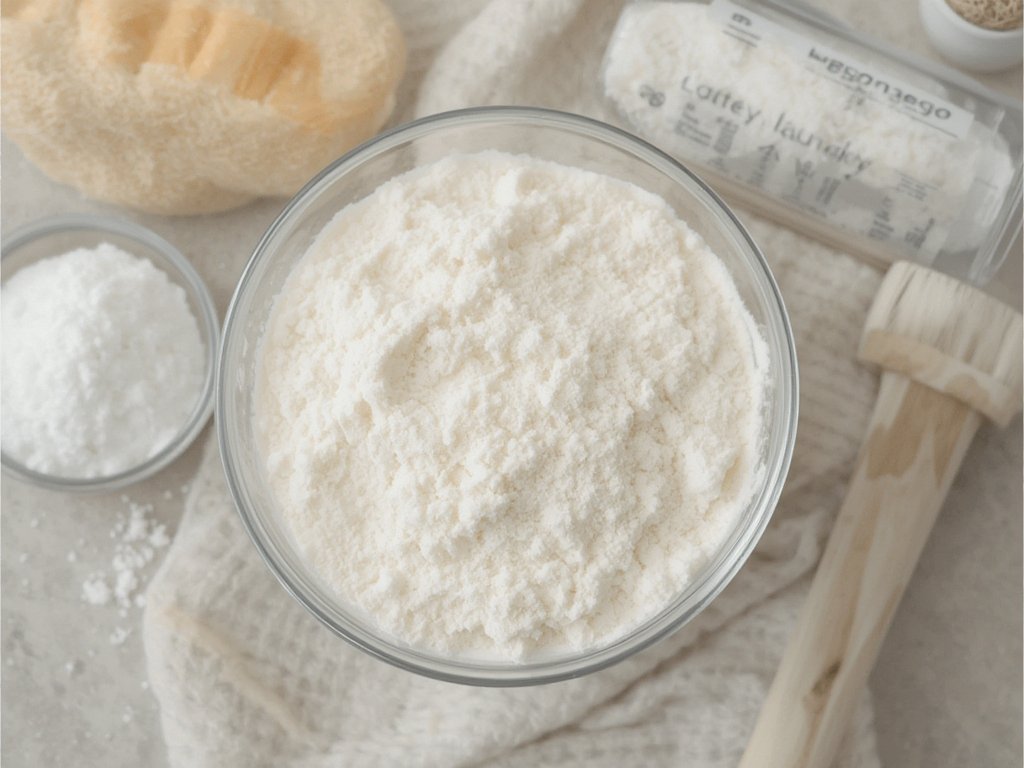
- GENTLE FOR BABY, TOUGH ON STAINS: Developed by a pediatric nurse and mom, our Baby Laundry Detergent Powder is extra gen…
- SMART STAIN REMOVAL: Dirty diaper blowouts have finally met their match! This ultra concentrated formula is packed with …
- TRUSTED BY MOMS: From Mother Earth to our family to your family. Made in the USA with domestic & imported clean ingredie…
- SUITABLE FOR ALL WASHERS: Standard, commercial, and HE washing machines clean clothes best with sustainable cleaning pro…
- WHAT’S INCLUDED: One 79 oz bag of Laundry Powder with one measuring scoop. Our earth-friendly detergent is capable of de…
Why Natural Baby Detergent Matters for Your Baby’s Development
A baby’s skin is approximately 20-30% thinner than adult skin and has a less developed protective barrier. This makes infants particularly vulnerable to irritants, allergens, and chemical absorption. Using natural baby detergent helps protect this developing skin barrier from unnecessary chemical exposure during crucial developmental stages.
Regular exposure to harsh chemicals found in conventional detergents may contribute to:
- Skin irritation and eczema flare-ups
- Respiratory sensitivities and allergic reactions
- Potential disruption of hormone development from endocrine disruptors
- Unnecessary chemical body burden during critical developmental phases
By choosing non-toxic laundry soap for your baby, you’re supporting their healthy development while reducing their overall exposure to synthetic chemicals. This is especially important because babies have immature detoxification systems and may be more susceptible to the cumulative effects of chemical exposures.
Common Myths About Natural Baby Detergent
Myth #1: Natural detergents don’t clean effectively
Truth: Modern natural baby detergent formulas contain powerful plant-based enzymes and surfactants that effectively tackle even stubborn baby stains. Many parents report equal or better cleaning performance compared to conventional options.
Myth #2: All “baby” labeled detergents are natural
Truth: Many mainstream “baby” detergents still contain synthetic fragrances and other potentially irritating ingredients. Always read ingredient lists rather than relying on front-label marketing claims.
Myth #3: Natural detergents are too expensive
Truth: While the upfront cost may be higher, natural baby detergent is often concentrated, requiring less product per load. Additionally, potential savings on skin treatments for irritation and allergic reactions should be considered in the overall value assessment.
Myth #4: “Fragrance-free” means natural
Truth: “Fragrance-free” products can still contain masking chemicals to neutralize odors. Look specifically for products labeled “unscented” or that disclose all fragrance components if scented.

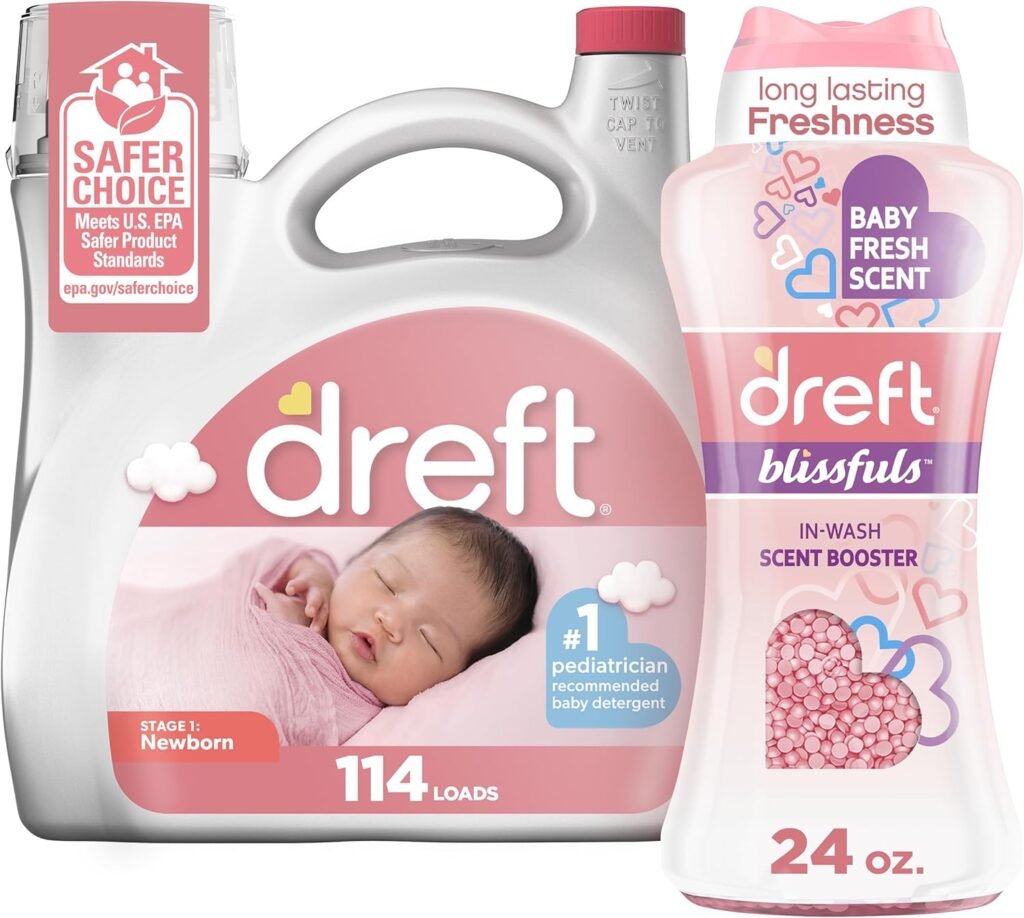
- #1 Choice of Pediatricians
- Long lasting baby fresh scent
- Specially formulated for newborn babies
- In-wash Scent Booster
- Hypoallergenic
Essential Items & Supplies for Natural Baby Detergent
Must-Have Products for Natural Baby Detergent
When building your baby laundry arsenal, these essentials will help you effectively use natural baby detergent:
Plant-Based Liquid Detergent: Liquid formulations tend to dissolve better in all water temperatures and rinse more completely, making them ideal for sensitive skin.
Stain Pre-Treatment Stick: Look for natural stain sticks containing enzymes and plant-based surfactants to tackle protein-based baby stains without harsh chemicals.
Wool Dryer Balls: These replace chemical-laden dryer sheets, reduce static, and cut drying time while helping clothes stay soft naturally.
Oxygen Bleach: A natural alternative to chlorine bleach, oxygen bleach (sodium percarbonate) helps brighten and sanitize clothes without toxic chemicals.
Mesh Laundry Bags: These protect delicate baby items like socks, mittens, and caps during washing while keeping them organized.
Using these products alongside your non-toxic laundry soap creates an effective and comprehensive natural laundry system for your baby’s needs.
Optional but Helpful Items
These additional products can enhance your natural baby detergent routine:
Natural Fabric Softener: Plant-based fabric softeners containing ingredients like vegetable-derived softening agents provide a gentler alternative to conventional options.
Laundry Booster: Natural boosters like baking soda or washing soda help maintain pH balance and boost cleaning power for particularly soiled items.
Essential Oil Blends: For parents who prefer a light scent, baby-safe essential oils like lavender or chamomile can be added (very sparingly) to unscented detergents.
White Vinegar: Acts as a natural fabric softener, odor eliminator, and helps remove detergent residue that might irritate sensitive skin.
Dedicated Baby Laundry Hamper: Keeps baby clothes separate, making it easier to wash them using specialized natural baby detergent.
Budget-Friendly Alternatives
Creating an effective natural laundry system doesn’t have to break the bank:
DIY Natural Detergent: Make your own using castile soap, washing soda, and baking soda for a fraction of commercial prices.
Bulk Purchasing: Buy larger containers of natural baby detergent when on sale, as most have long shelf lives.
Multi-Purpose Products: Choose non-toxic laundry soap that works for the entire family, not just baby clothes, to maximize value.
Concentrate on Stain Management: Address stains immediately with natural spot treatments like diluted dish soap or sunlight exposure to reduce the need for specialized products.
Vinegar and Baking Soda Combination: These pantry staples can boost cleaning power, remove odors, and soften clothes naturally when added to your detergent.
Guide to Natural Baby Detergent

Preparation Steps
Before washing your baby’s clothes with natural baby detergent, follow these preparation steps:
Pre-wash all new clothing: Always wash new baby clothes before first use to remove manufacturing chemicals, dust, and potential irritants.
Sort appropriately: Separate whites, colors, and heavily soiled items. Consider washing baby clothes separately from adult laundry, especially during the newborn phase.
Check for stains: Examine clothes for milk spots, diaper leaks, or spit-up and pre-treat these areas with a natural stain remover or diluted natural baby detergent.
Empty pockets and close fasteners: Button all buttons, zip all zippers, and secure velcro closures to prevent snagging and damage during washing.
Read care labels: Some baby items (especially flame-retardant sleepwear) may have special washing instructions that should be followed even when using natural detergents.
Implementation Process
Follow these steps for washing baby clothes with natural baby detergent:
Select the appropriate water temperature:
- Use hot water (130°F+) for diapers, soiled bedding, and whites that need sanitizing
- Use warm water for everyday baby clothes and moderately soiled items
- Use cold water for delicate items and clothes with minimal soiling
Measure detergent carefully: Use the recommended amount of natural baby detergent – too much can leave residue that irritates skin, while too little won’t clean effectively.
Consider a double rinse cycle: This helps ensure all detergent residue is removed, which is especially important for babies with sensitive skin.
Drying options:
- Line-dry when possible (sunlight naturally disinfects and brightens)
- Use dryer on low heat with wool dryer balls instead of chemical dryer sheets
- Air-dry delicate items flat to maintain their shape
Storage considerations: Store clean baby clothes in drawers or closets away from potential irritants like scented products, mothballs, or strong-smelling items.
Troubleshooting Common Issues
| Issue | Possible Cause | Solution |
|---|---|---|
| Persistent stains | Inadequate pre-treatment, waiting too long to wash | Apply natural stain remover directly and allow to sit for 30 minutes before washing; use sunshine for natural bleaching |
| Detergent residue | Too much detergent, insufficient rinsing | Use less natural baby detergent, add 1/2 cup white vinegar to rinse cycle, run an extra rinse |
| Lingering odors | Milk protein residue, insufficient cleaning | Pre-soak in baking soda solution before washing, ensure proper water temperature |
| Fabric stiffness | Hard water minerals, natural detergent without softening agents | Add 1/4 cup white vinegar to final rinse, use wool dryer balls |
| Dingy whites | Build-up over time, inadequate cleaning | Add oxygen bleach to whites load, line dry in direct sunlight occasionally |
Top 5 Benefits of Natural Baby Detergent for Baby & Parents
Developmental & Health Benefits for Baby
Reduced Skin Irritation Risk: Natural baby detergent eliminates harsh surfactants, synthetic fragrances, and optical brighteners that can trigger eczema, rashes, and allergic reactions. A study in the Journal of Allergy and Clinical Immunology found that babies exposed to fewer chemical irritants showed significantly lower rates of skin sensitivity development.
Protection of Developing Respiratory System: By avoiding volatile organic compounds (VOCs) found in conventional detergents, natural baby detergent helps protect your baby’s developing lungs and may reduce risk factors associated with respiratory issues like asthma.
Supports Natural Skin Microbiome Development: Natural formulations are less likely to disrupt the delicate microbial balance developing on your baby’s skin, which plays a critical role in immune function and protection against pathogens.
Reduced Chemical Absorption: A baby’s skin absorbs substances more readily than adult skin. Using non-toxic laundry soap minimizes potential chemical exposure during the crucial developmental window when detoxification systems are still maturing.
Better Sleep Quality: Some babies are sensitive to conventional detergent fragrances, which can disrupt sleep patterns. Fragrance-free natural baby detergent eliminates this potential sleep disruptor.
Advantages for Parents
Using natural baby detergent offers several key benefits for parents as well:
Peace of Mind: Knowing your baby’s clothes, bedding, and blankets are free from potentially harmful chemicals reduces parental anxiety about environmental exposures.
Less Skin-to-Skin Transfer: Parents who experience skin sensitivity themselves often find relief when handling baby clothes washed in natural detergents, as fewer irritating chemicals transfer from the fabric to their own skin.
Effective Stain Removal: Modern natural baby detergent formulas are specifically designed to tackle protein-based baby stains like milk, formula, and diaper accidents, often performing better than conventional alternatives.
Simplified Shopping: Once you find a trusted non-toxic laundry soap, you can use it for the entire family, streamlining your laundry routine and product purchases.
Reduced Environmental Impact: Natural detergents typically biodegrade more completely, creating a healthier environment for your child’s future while aligning with eco-conscious parenting values.
Long-Term Impact on Family Wellbeing
Choosing natural baby detergent creates lasting benefits:
Established Healthy Habits: Starting with natural products for your baby often leads to healthier household product choices overall, benefiting everyone’s long-term health.
Decreased Cumulative Chemical Exposure: By reducing exposure to endocrine disruptors and potential allergens from an early age, you may help decrease your child’s lifetime chemical body burden.
Financial Savings: While natural detergents may cost more initially, parents often save money by avoiding expensive dermatologist visits, prescription creams, and treatments for chemical-induced skin conditions.
Environmental Legacy: Using biodegradable, plant-based laundry products contributes to a healthier planet for your child’s future, reducing water pollution and chemical persistence in the environment.
Family Health Alignment: Many families find that switching to natural baby detergent reveals sensitivities in other family members who benefit from the gentler formulations as well.
Expert Tips, Alternative Methods & Age-Specific Advice
Tips for Newborns (0-3 Months)
Newborn skin is exceptionally delicate and requires special consideration when using natural baby detergent:
Pre-wash everything: Wash all new clothes, blankets, and bedding with natural baby detergent before your newborn arrives, even organic items.
Fragrance-free is best: Opt for completely unscented formulations during the first three months when skin sensitivity is highest and skin barriers are least developed.
Double rinse routine: Always use an extra rinse cycle for newborn laundry to ensure all detergent residue is removed.
Avoid fabric softeners entirely: Even natural varieties can leave residues that may irritate newborn skin.
Special handling for medical conditions: For babies with eczema, extremely sensitive skin, or premature infants, consider using natural baby detergent specifically formulated for medically sensitive skin.
Adjustments for Older Babies & Toddlers (3+ Months)
As your baby grows, you can adjust your natural baby detergent approach:
Stain treatment evolution: Older babies and toddlers create more challenging stains from food, outdoor play, and exploration. Use enzymatic non-toxic laundry soap formulated for these specific challenges.
Consider minimal natural scents: After 3-6 months, if your baby shows no signs of skin sensitivity, you might introduce very mildly scented natural detergents (essential oil-based rather than “fragrance”)
Temperature adjustments: Higher temperature washes become more important for heavily soiled toddler clothes, especially during potty training phases.
Separate sorting categories: Create a “heavily soiled” category for particularly dirty items that might need pre-soaking or oxygen bleach treatment.
Involvement opportunities: Toddlers can help sort laundry by color or place items in hampers, creating early responsibility while learning about using natural baby detergent.
Alternative Methods & Different Parenting Styles
Different parenting philosophies may influence natural baby detergent choices:
For Minimalist Parents:
- Choose multi-purpose, concentrated non-toxic laundry soap that works for the entire family
- Focus on stain prevention rather than treatment (using bibs, changing clothes promptly)
- Consider a capsule wardrobe approach with fewer, high-quality items
For Eco-Conscious Families:
- Look for natural baby detergent in plastic-free packaging or zero-waste options
- Use cold water washing whenever possible to save energy
- Line-dry clothing to reduce energy consumption and naturally disinfect with sunlight
For Families with Multiple Children:
- Consider non-toxic laundry soap bulk purchasing options
- Develop a color-coded system for sorting multiple children’s clothing
- Establish stain treatment stations in multiple household locations
For Families with Allergies or Sensitivities:
- Choose natural baby detergent certified by allergy organizations
- Keep a detailed log of any reactions to help identify specific ingredient sensitivities
- Consider dedicated machines or cleaning cycles for hypoallergenic washing
Conclusion
Choosing the right natural baby detergent is one of the most important decisions you’ll make for your baby’s daily comfort and long-term health. By selecting gentle, plant-based formulations free from harsh chemicals, synthetic fragrances, and optical brighteners, you’re creating a protective environment for your little one’s delicate skin while still effectively cleaning those inevitable baby messes.
Remember these key takeaways:
- Natural baby detergent reduces exposure to potential irritants and allergens during crucial developmental periods
- Plant-based enzymes and surfactants can clean effectively without harsh chemicals
- Proper washing techniques (like pre-treating stains and double rinsing) enhance the effectiveness of natural formulas
- Age-appropriate adjustments to your laundry routine help meet your growing child’s changing needs
- The benefits of using non-toxic laundry soap extend beyond your baby to the entire family and environment
Parenting involves countless decisions every day, but choosing natural baby detergent is one simple change that can have profound impacts on your child’s comfort and wellbeing. Your baby deserves the gentlest care possible, starting with the clothes that touch their skin every day.
Share your experience with natural baby detergent in the comments below! What brands have worked best for your family? Have you noticed improvements in your baby’s skin since making the switch? Your insights could help other parents make this important transition.
FAQs
How do I know if my baby is reacting to conventional laundry detergent?
Signs that your baby may be reacting to conventional detergent include red, irritated skin particularly in areas where clothing fits snugly (like waistbands, necklines, and leg openings), unusual fussiness after changing into clean clothes, development or worsening of eczema, and persistent diaper rash that doesn’t respond to typical treatments.
These reactions occur because conventional detergents contain synthetic fragrances, dyes, and harsh surfactants that can strip natural oils and disrupt your baby’s skin barrier. Switching to natural baby detergent typically resolves these issues within 1-2 weeks as the irritants are eliminated from your baby’s clothing and bedding. During the transition, washing everything twice with the new natural baby detergent can help remove residual conventional detergent more quickly.
What ingredients should I absolutely avoid in baby laundry products?
When selecting natural baby detergent, avoid products containing sodium lauryl sulfate (SLS) and sodium laureth sulfate (SLES), which can be harsh skin irritants. Steer clear of artificial fragrances (listed simply as “fragrance” or “parfum”), which can contain hundreds of undisclosed chemicals linked to allergies and hormone disruption. Avoid optical brighteners, which leave chemical residues on fabric to create the illusion of whiteness.
Chlorine bleach, phosphates, phthalates, and formaldehyde donors (like quaternium-15) should also be avoided as these can irritate skin, lungs, and have potential long-term health impacts. Additionally, avoid petroleum-based ingredients and synthetic dyes, which serve no cleaning purpose and may trigger sensitivities. Instead, look for natural baby detergent with plant-derived surfactants, enzymes for stain removal, and essential oil-based scents if any.
Can I use the same natural baby detergent for cloth diapers?
While many natural baby detergent products work well for regular baby laundry, cloth diapers have special requirements. Not all natural detergents are suitable for cloth diapers because they may not clean thoroughly enough or may leave residues that affect absorbency and cause odors. For cloth diapers, look for natural baby detergent specifically formulated for this purpose, which will provide stronger cleaning power while remaining gentle and residue-free.
These specialized formulations typically contain more effective enzymes for breaking down proteins and natural minerals to combat ammonia build-up. Many cloth diaper manufacturers recommend specific non-toxic laundry soap brands that have been tested with their products. Always follow the cloth diaper manufacturer’s washing instructions, which usually include a pre-rinse, hot main wash, and extra rinse cycles to ensure thorough cleaning and removal of all detergent residue.
How can I remove tough stains naturally without harsh chemicals?
Removing tough baby stains without harsh chemicals is absolutely possible with natural baby detergent and a few key techniques. For protein-based stains like breastmilk, formula, and spit-up, immediately rinse with cold water (hot water sets protein stains) and apply a paste of natural baby detergent directly to the stain. For diaper blowouts, scrape off solids, rinse thoroughly, and pre-soak in water with oxygen bleach before washing. Fruit and vegetable stains respond well to a mixture of equal parts water, non-toxic laundry soap, and white vinegar applied directly to the stain.
For stubborn stains, harness the power of natural sunlight by laying wet, clean items in direct sun for 1-2 hours—sunlight is a remarkable natural bleaching agent, especially for organic stains. Another effective technique is creating a paste of baking soda and water, applying it to stains, and letting it dry completely before washing with natural baby detergent.
Is it worth paying more for natural baby detergent?
Investing in quality natural baby detergent absolutely provides value that justifies the higher price point. While natural options typically cost more upfront than conventional detergents, they offer significant long-term benefits. First, many natural detergents are concentrated, requiring less product per load, which extends their useful life. Second, by reducing exposure to potential irritants, natural baby detergent can help prevent skin issues that might otherwise require expensive dermatologist visits, prescription creams, or treatments.
Parents frequently report fewer rashes, less eczema, and better overall skin health after switching to natural formulations. Additionally, non-toxic laundry soap typically works well for the entire family, eliminating the need for multiple specialized products. The environmental benefits—biodegradable ingredients and reduced water pollution—contribute to a healthier world for your child’s future. When calculating true value, consider these health benefits, potential medical savings, product concentration, and multi-use capabilities alongside the initial purchase price.