

This post may contain Affiliate links. If you buy anything via the link, I will earn a small commission without any effect on your payment. Thank you for your support.
Introduction
Are you feeling overwhelmed by the daily chaos of raising children? You’re not alone. In today’s fast-paced world, many parents struggle to be fully present with their children amidst endless distractions. mindful parenting tips offer a transformative approach to building deeper connections with your little ones while reducing parental stress and anxiety. This comprehensive guide will walk you through 15 practical ways to implement mindfulness in your parenting journey, helping you create a more harmonious home environment where both you and your child can thrive.
By embracing these techniques, you’ll discover how to respond rather than react to challenging situations, cultivate more meaningful moments with your children, and develop greater patience and understanding—all while nurturing your child’s emotional intelligence and well-being.
Understanding Mindful Parenting Tips – What Every Parent Should Know

What are the Mindful Parenting Tips?
mindful parenting tips involve bringing moment-to-moment awareness to the parent-child relationship. Unlike autopilot parenting—where we often react based on our own upbringing or emotions—mindful parenting encourages conscious responses to our children’s needs. It’s about being fully present during interactions, observing without judgment, and recognizing our own emotional triggers before they impact our parenting decisions.
This approach combines traditional mindfulness practices (focused awareness, breathing techniques, non-judgment) with specific parenting strategies. The foundation of mindful parenting rests on five key dimensions:
- Listening with full attention
- Non-judgmental acceptance of self and child
- Emotional awareness of yourself and your child
- Self-regulation in challenging parenting moments
- Compassion for yourself and your child

Written by a pediatrician and based in proven-effective mindfulness techniques, this book will help you and your child with attention deficit/hyperactivity disorder (ADHD) keep calm, flexible, and in control.
If you are a parent of a child with attention deficit/hyperactivity disorder (ADHD), you probably face many unique daily challenges. Kids with ADHD are often inattentive, hyperactive, and impulsive, since ADHD affects all of self-management and self-regulation. As a result, you might become chronically frustrated or stressed out, which makes caring for ADHD that much harder. In this book, a developmental pediatrician presents a proven-effective program for helping both you and your child with ADHD stay cool and collected while remaining flexible, resilient, and mindful.
Bertin addresses the various symptoms of ADHD using non-technical language and a user-friendly format. In addition, he offers guidelines to help you assess your child’s strengths and weaknesses, create plans for building skills and managing specific challenges, lower stress levels for both yourself and your child, communicate effectively, and cultivate balance and harmony at home and at school.
If you are a parent, caregiver, or mental health professional, this book provides a valuable guide.
Why Mindful Parenting Matters for Your Baby’s Development
Research shows that mindful parenting tips significantly impact children’s cognitive and emotional development. When parents practice mindfulness, they create a secure attachment that serves as the foundation for healthy development.
Children raised with mindful approaches typically demonstrate:
- Better emotional regulation skills
- Stronger executive functioning abilities
- Enhanced social skills and empathy
- Reduced anxiety and behavioral problems
- Greater resilience in facing challenges
These benefits stem from the consistent, attuned responses mindful parents provide. When children feel truly seen and heard, their developing brains form healthier neural connections associated with emotional regulation and social awareness.
Common Myths About Mindful Parenting
Despite its growing popularity, several misconceptions surround mindful parenting tips:
Myth 1: Mindful parenting means never getting upset
Reality: Mindful parents still experience frustration and anger. The difference is awareness of these emotions and choosing thoughtful responses rather than reactive outbursts.
Myth 2: It requires hours of meditation
Reality: While meditation can enhance mindfulness, brief moments of present-focused attention throughout the day are equally valuable and more practical for busy parents.
Myth 3: Mindful parenting leads to permissiveness
Reality: Setting clear, consistent boundaries is central to mindful parenting. The difference lies in how limits are communicated—with compassion rather than punishment.
Myth 4: It’s only for naturally patient people
Reality: mindful parenting tips are especially beneficial for parents who struggle with patience, providing practical tools to respond more calmly to triggers.
Essential Items & Supplies for Mindful Parenting
Must-Have Products for Mindful Parenting
While mindfulness itself doesn’t require special equipment, certain items can support your mindful parenting tips practice:
Mindful Parenting Books – Resources like “The Whole-Brain Child” by Daniel Siegel or “Everyday Blessings: The Inner Work of Mindful Parenting” by Jon and Myla Kabat-Zinn provide valuable guidance.
Meditation Cushion or Comfortable Space – Designate a quiet corner for brief mindfulness practices, even if it’s just 5 minutes before children wake up.
Emotion Cards/Charts – Visual aids help children identify and express emotions, facilitating mindful conversations about feelings.
Calm-Down Kit – Assemble sensory items (stress balls, breathing pinwheels, glitter jars) that help both parents and children regulate emotions during challenging moments.
Journal – Document your parenting journey, triggers, and successes to increase self-awareness and track growth.
Optional but Helpful Items
These additional resources can enhance your mindful parenting tips practice:
- Mindfulness Apps – Programs like Calm, Headspace, or Insight Timer offer guided meditations specifically for parents.
- White Noise Machine – Creates a peaceful environment for bedtime routines and quiet moments.
- Nature-Based Toys – Open-ended natural materials encourage present-moment play and reduce overstimulation.
- Family Gratitude Jar – A simple container where family members add notes about things they appreciate, fostering mindful appreciation.
- Timer or Chime – Gentle sounds can mark transitions between activities, creating mindful pauses throughout the day.

If you grew up with emotional wounds, you don’t have to pass them on to your children.
The cycle can end with you, no matter what you experienced growing up.
This book gives you 10 gentle, practical tools to heal yourself and raise emotionally secure kids.
Every parent carries invisible baggage: emotional wounds, reactive triggers and inherited patterns shaped by their own childhood. Even with the best intentions, we often find ourselves repeating the very behaviours we promised we’d never use.
It Stops With Me is a compassionate, evidence-based roadmap for parents ready to break generational cycles, heal past trauma and create lasting emotional change.
Inside, you’ll learn how to:
✔ understand how your childhood shaped your triggers and reactions
✔ stay calm and present during your child’s hardest moments
✔ rewrite old stories so you stop parenting from fear or overwhelm
✔ communicate consciously, even through conflict and emotional storms
✔ discipline without shame, threats or fear-based tactics
✔ heal your inner child while nurturing your actual children
✔ build a home rooted in emotional safety, respect and connection
This isn’t about becoming a perfect parent, t’s about becoming a conscious one. With practical exercises, real-life examples and gentle guidance, you’ll learn to parent from your values rather than your wounds.
The healing work you do today will shape your family for generations.
Your children can inherit emotional tools instead of emotional trauma.
And it truly can stop with you.
Budget-Friendly Alternatives
Mindful parenting doesn’t require expensive purchases. These no-cost or low-cost alternatives support mindful parenting tips:
| Commercial Item | Budget-Friendly Alternative |
|---|---|
| Meditation App (subscription) | Free YouTube guided meditations for parents |
| Emotion flashcards | Hand-drawn emotion faces on index cards |
| Mindfulness books | Library loans or free parenting podcasts |
| Sensory toys | Homemade playdough, rice bins, or water play |
| White noise machine | Free white noise apps or fan sound |
Remember, the most important elements of mindful parenting—attention, presence, and compassion—cost nothing but yield priceless benefits for your family.
Guide to Implementing Mindful Parenting Tips

Preparation Steps
Before diving into specific mindful parenting tips, prepare yourself with these foundational practices:
Set reasonable expectations – Understand that mindful parenting is a journey, not a destination. You’ll have both successes and setbacks.
Identify your triggers – Take time to reflect on situations that typically cause you to lose patience or react unconsciously. Common triggers include time pressure, sleep deprivation, and specific child behaviors.
Create environmental supports – Reduce unnecessary stressors in your home environment. This might mean decluttering spaces, establishing simple routines, or planning ahead for challenging transitions.
Build your support network – Connect with like-minded parents or join conscious parenting practices groups where you can share experiences and get encouragement.
Practice basic mindfulness – Begin with simple mindfulness exercises like focused breathing or body scans to build your awareness muscles.
Implementation Process
Now, let’s explore 15 practical mindful parenting tips to implement:
Start with mindful mornings – Begin the day with 3-5 deep breaths before getting out of bed. Set an intention for how you want to show up for your children today.
Create connection rituals – Establish daily moments dedicated to one-on-one connection, like special greetings, bedtime rituals, or “special time” where your child leads the play.
Practice active listening – When your child speaks, put down devices, make eye contact, and listen completely before responding. Ask clarifying questions to ensure understanding.
Use the STOP technique in challenging moments:
- S – Stop what you’re doing
- T – Take a breath
- O – Observe your thoughts, feelings and your child’s needs
- P – Proceed with a thoughtful response
Name and validate emotions – Help children identify feelings: “You seem frustrated that the block tower fell. That’s disappointing after working so hard.”
Embrace sensory awareness – Engage your senses fully during routine activities with your child, like really feeling the warmth during bath time or noticing the sounds during a nature walk.
Practice gratitude together – Share three things you’re grateful for during dinner or bedtime, encouraging children to notice positive experiences.
Respond rather than react – When triggered, pause and take a deep breath before responding. It’s okay to say, “I need a moment to think about this.”
Engage in mindful play – Follow your child’s lead during playtime without directing or correcting. Notice the details of how they engage with toys and activities.
Create mindful transitions – Use simple cues like a bell or song to signal transitions between activities, allowing everyone to mentally prepare for change.
Model self-compassion – When you make mistakes, demonstrate self-forgiveness: “I didn’t handle that well. I’m going to take a deep breath and try again.”
Practice mindful meal times – Turn off screens, sit together, and engage in conversation or mindful eating—noticing flavors, textures, and gratitude for the food.
Incorporate breathing exercises – Teach children simple techniques like “balloon breathing” (expanding the belly) or “five-finger breathing” (tracing fingers while breathing).
Cultivate curiosity over judgment – When your child behaves in challenging ways, get curious about the needs behind the behavior rather than labeling it as “bad.”
End the day with reflection – Take a few minutes after children are asleep to reflect on meaningful moments from the day and set intentions for tomorrow.

Troubleshooting Common Issues
Even with the best intentions, challenges arise when implementing mindful parenting tips:
Challenge: “I keep losing my temper despite trying to be mindful.”
Solution: Create a personal “reset plan” with specific steps to take when you feel overwhelmed. This might include a physical cue (touching your wrist), a phrase (“pause and breathe”), or temporarily stepping away if another adult is present.
Challenge: “I don’t have time for mindfulness practices.”
Solution: Integrate mindfulness into existing routines rather than adding new ones. Practice while brushing teeth, waiting at stoplights, or during daily chores. Even 30 seconds of intentional breathing several times daily makes a difference.
Challenge: “My child resists mindfulness activities.”
Solution: Make practices playful and brief. Try “bear breathing” (like hibernation) or “superhero poses” that incorporate movement. Follow your child’s natural interests rather than forcing structured activities.
Challenge: “My partner parents differently.”
Solution: Focus on your own practices first. Share relevant articles or research that resonate with you both. Discuss conscious parenting practices when you’re both calm, emphasizing benefits rather than criticizing current methods.
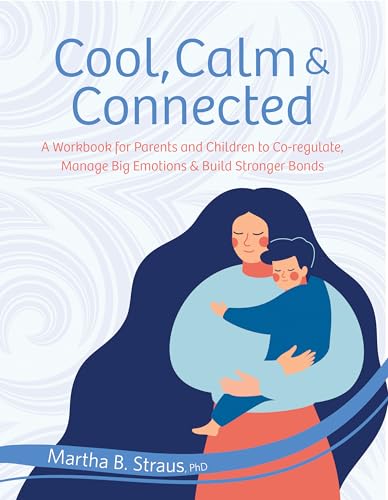
Decades of research on human development conclude that our kids learn how to self-soothe only after having plenty of experience with the supportive engagement of a caring adult. They can’t calm down unless we show them how it’s done.
When you learn to become a co-regulator for your child, you get to be the loving parent you aspire to be and have a child who feels better. It’s a win-win!
Over 50 worksheets and interventions will help you to:
Understand your triggers and how to manage them
Discover your role in escalating conflict
Respond more intentionally
Make use of “adult time out”
Build safe communities of support
Learn how to ask for help and apologize
Breathe, ground, and regulate together before and during a conflict
Top 5 Benefits of Mindful Parenting for Baby & Parents
Developmental & Health Benefits for Baby
Implementing mindful parenting tips yields significant advantages for your child’s development:
Enhanced Emotional Intelligence – Children learn to identify, express, and regulate their emotions when parents mindfully guide them through emotional experiences. This foundational skill predicts future success better than academic abilities.
Secure Attachment – Consistent, attuned responses strengthen the parent-child bond, creating the security children need to explore their world confidently.
Improved Self-Regulation – Children internalize the calm, thoughtful responses they witness, gradually developing their own ability to pause and choose appropriate responses.
Better Stress Management – The consistent co-regulation that mindful parents provide helps children develop resilient nervous systems with healthier stress responses.
Growth Mindset Development – When parents model self-compassion and learning from mistakes, children develop greater resilience and willingness to attempt challenging tasks.
Advantages for Parents
The benefits of mindful parenting tips extend equally to parents:
Reduced Parental Stress – Research shows that mindful parenting practices significantly lower parental stress and anxiety levels.
Greater Parenting Satisfaction – By being fully present during interactions, parents experience more joy and meaning in everyday moments.
Improved Emotional Regulation – Parents develop stronger abilities to manage their own difficult emotions, reducing reactive patterns.
Enhanced Partner Relationships – The same mindful communication skills benefit adult relationships, potentially reducing parental conflict.
Decreased Parental Burnout – Regular mindfulness practices help prevent compassion fatigue and exhaustion common in intensive parenting phases.
Long-Term Impact on Family Wellbeing
The cumulative effects of mindful parenting tips create lasting positive changes:
Improved Communication Patterns – Families develop healthier ways of expressing needs, resolving conflicts, and supporting each other.
Breaking Negative Intergenerational Patterns – Mindful awareness allows parents to identify and change unhelpful patterns inherited from their own upbringing.
Reduced Family Conflict – Studies show families practicing mindful communication experience fewer and less intense conflicts.
Stronger Sibling Relationships – When parents model mindful conflict resolution and emotional validation, siblings learn these same skills with each other.
Greater Family Resilience – Mindful families develop shared coping strategies that help them navigate life’s inevitable challenges with greater flexibility and cohesion.
Expert Tips, Alternative Methods & Age-Specific Advice
Tips for Newborns (0-3 Months)
mindful parenting tips for the newborn phase focus on attunement and self-care:
Practice mindful observation – Take time to really see your baby—their expressions, movements, and cues—without distraction or judgment.
Use feeding time as a mindfulness anchor – Whether breast or bottle feeding, focus fully on the sensations, your baby’s face, and the bond you’re creating.
Incorporate breath awareness during challenging moments – When baby is crying and you feel overwhelmed, focus on your breath before responding.
Lower expectations and practice acceptance – Mindfully acknowledge that newborn care is demanding and unpredictable. Release expectations of “doing it all.”
Create mindful sleep routines – Even when exhausted, take a moment to set an intention before sleep and practice gratitude for your baby.
Adjustments for Older Babies & Toddlers (3+ Months)
As children develop, mindful parenting tips evolve:
Respond mindfully to separation anxiety – Validate feelings while maintaining calm confidence during separations.
Create sensory exploration opportunities – Engage mindfully in sensory play, noticing textures, sounds, and your child’s reactions.
Practice mindful limit-setting – Set necessary boundaries with empathy, acknowledging feelings while maintaining appropriate limits.
Use natural pauses for connection – Transform routine transitions (diaper changes, car seat buckles) into brief moments of eye contact and connection.
Implement simple mindful movements – Introduce playful movements like gentle stretches, animal poses, or follow-the-leader games that develop body awareness.
Narrate emotions during tantrums – Stay present during emotional storms, offering calm language: “You’re having big feelings right now. I’m here with you.”
Alternative Methods & Different Parenting Styles
mindful parenting tips complement various approaches:
Integration with Attachment Parenting:
Attachment parenting’s emphasis on responsiveness pairs naturally with mindfulness. Add present-moment awareness to babywearing, co-sleeping, or feeding to enhance these practices.
Mindfulness in Montessori Approach:
The Montessori philosophy’s focus on observation aligns perfectly with mindfulness. Practice non-judgmental observation of your child’s natural learning process, resisting the urge to interrupt or assist unnecessarily.
RIE (Resources for Infant Educarers) and Mindfulness:
RIE’s emphasis on treating infants with respect complements conscious parenting practices. Both approaches value slowing down, communicating clearly, and trusting the child’s capabilities.
Mindfulness for Special Circumstances:
- For parents of multiple children: Practice “each child, each moment” by giving full attention to one child at a time, even if just for minutes.
- For neurodivergent children: Mindfulness can help parents respond with greater patience to sensory needs and communication differences.
- For parents working outside the home: Create mindful transitions between work and family time, perhaps using the commute as a reset period.
Conclusion
Incorporating mindful parenting tips into your daily life represents one of the most meaningful gifts you can give yourself and your child. By cultivating present-moment awareness, emotional regulation, and compassionate responses, you’re not only creating a more peaceful home environment but also equipping your child with essential life skills.
Remember that mindful parenting isn’t about perfection. It’s a moment-by-moment choice to return to awareness, especially after inevitable missteps. Each time you pause before reacting, listen fully to your child, or respond with compassion instead of criticism, you’re strengthening neural pathways that make mindfulness more accessible in future challenging moments.
The 15 mindful parenting tips outlined in this guide provide a comprehensive framework, but even implementing just a few techniques can significantly transform your parenting experience. Start with what resonates most, practice consistency, and extend the same compassion to yourself that you’re working to give your child.
As you continue your mindful parenting journey, connect with like-minded parents who understand the challenges and rewards of this approach. Share your experiences in the comments below, including which strategies have made the biggest difference in your family. And remember to explore our related articles for more guidance on creating a nurturing, mindful home environment for your children.
FAQs
How long does it take to see results from mindful parenting tips?
Many parents notice positive changes within weeks of implementing mindful parenting tips, though the timeline varies based on consistency and your family’s unique dynamics. You might first notice subtle shifts in your own reactions—a deeper breath before responding to a tantrum or greater awareness of your emotional triggers.
Children often demonstrate changes in their emotional regulation within 1-3 months of consistent mindful parenting, particularly if you’re practicing co-regulation during difficult moments. Remember that progress isn’t linear; you’ll experience both breakthroughs and setbacks. The key is persistence and self-compassion along the journey. Track small wins, like moments you responded mindfully instead of reactively, as these accumulate into significant changes over time.
Can mindful parenting tips help with my child’s behavioral issues?
Yes, mindful parenting tips can significantly reduce behavioral challenges by addressing their root causes. Rather than simply trying to eliminate unwanted behaviors, mindfulness helps parents understand the unmet needs, emotions, or developmental factors driving those behaviors. When children feel truly seen, heard, and validated, they’re less likely to use challenging behaviors to communicate their needs.
Additionally, mindful parents model emotional regulation, giving children the tools to manage difficult feelings appropriately. Research shows that consistent implementation of mindful parenting strategies reduces aggression, tantrums, and defiance while increasing cooperation and emotional resilience. For persistent behavioral concerns, combine mindful approaches with consultation from pediatric behavioral specialists who support conscious parenting practices.
How can I practice these Mindful Parenting Tips when I’m exhausted or stressed?
Practicing mindful parenting tips during exhaustion or stress is challenging but especially valuable. Start by acknowledging your condition: “I notice I’m exhausted right now.” This simple awareness creates a tiny but crucial space between your state and your reactions. Next, lower your expectations temporarily—mindfulness might look like three conscious breaths before responding rather than an elaborate practice.
Micro-practices are particularly effective during difficult periods: feel your feet on the floor for 10 seconds, notice three things you can see, or take one mindful sip of water. Prioritize small moments of self-care that replenish your resources, and remember that self-compassion is fundamental to mindful parenting. If you react unconsciously (which all parents do), practice repair with yourself and your child: “I wasn’t at my best just now. Can we try again?”
What’s the difference between mindful parenting and permissive parenting?
A common misconception is that mindful parenting tips promote permissiveness, but they’re fundamentally different approaches. Permissive parenting lacks clear boundaries and consistent expectations, often avoiding conflict at the expense of providing needed structure. In contrast, mindful parenting combines warm responsiveness with appropriate limits. Mindful parents validate emotions while still maintaining boundaries: “I understand you’re angry about leaving the playground, and it’s time to go home now.”
They set limits with empathy rather than punishment, explaining the reasoning behind rules and considering the child’s developmental stage. While permissive parents might ignore problematic behaviors, mindful parents address them compassionately. The Mindful Parenting Tips approach creates security through consistency and emotional attunement, helping children develop internal regulation rather than compliance based on fear or reward.
Can I combine mindful parenting with other parenting approaches?
Absolutely! mindful parenting tips complement many evidence-based parenting approaches. The core principles of present-moment awareness, non-judgment, and intentional responses enhance rather than contradict most positive parenting philosophies. Mindfulness pairs particularly well with attachment parenting, positive discipline, gentle parenting, and authoritative approaches.
When integrating mindfulness with other methods, focus on the compatible elements: emotional awareness, respectful communication, and understanding developmental appropriateness. If certain aspects of another approach feel inconsistent with mindfulness (like punishment-based discipline), adapt those elements to emphasize connection and learning over control.
Many parents successfully create a personalized approach that incorporates conscious parenting practices alongside strategies that work for their unique family situation, cultural values, and children’s needs.