
This post may contain Affiliate links. If you buy anything via the link, I will earn a small commission without any effect on your payment. Thank you for your support.
Introduction
Is your baby fussing and uncomfortable every time you change their diaper? That angry red rash on your little one’s bottom can be distressing for both baby and parent. Nearly 50% of infants will experience diaper rash at some point, making baby diaper rash treatment an essential skill for every caregiver. The good news? Most cases can be effectively managed at home with proper care and the right approach.
In this comprehensive guide, you’ll discover proven methods to soothe your baby’s irritated skin, prevent future breakouts, and know exactly when medical attention might be needed. From understanding the causes to implementing effective diaper rash home remedies, we’ve compiled everything you need to restore your little one’s comfort and your peace of mind.
Understanding Baby Diaper Rash Treatment – What Every Parent Should Know
What is Baby Diaper Rash Treatment?
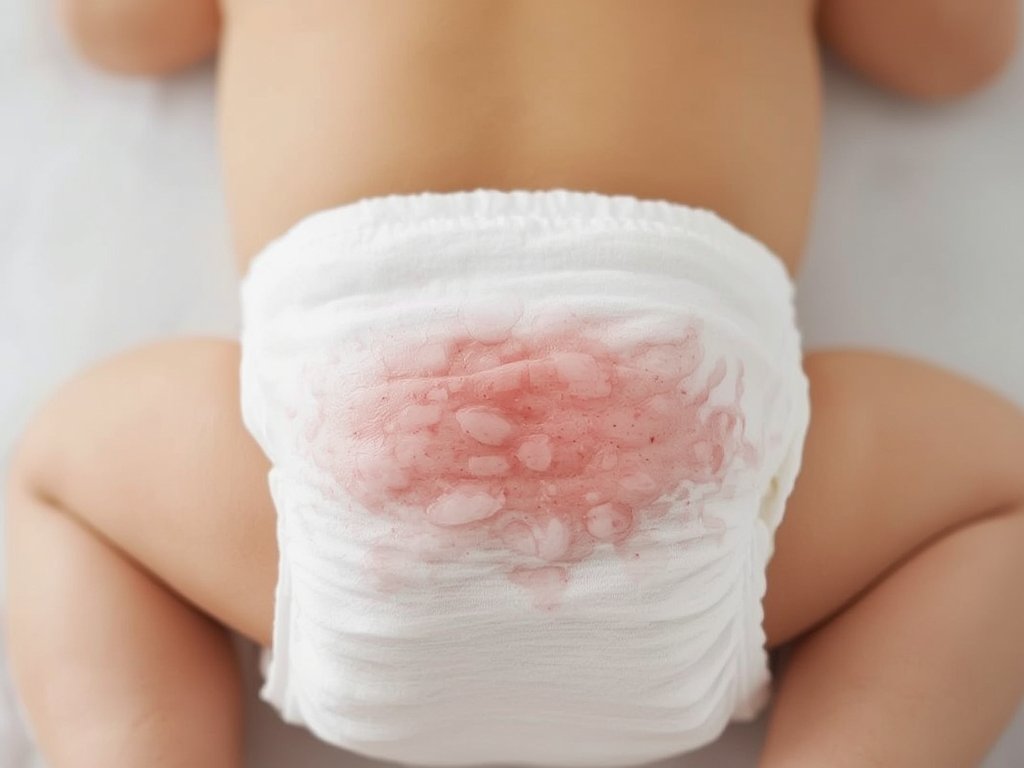
Baby diaper rash treatment encompasses the methods and products used to heal irritated skin in the diaper area. This condition appears as red, inflamed patches on your baby’s bottom, genitals, and skin folds. The treatment typically involves a multi-pronged approach:
- Keeping the affected area clean and dry
- Allowing air time without diapers
- Applying protective barriers or medicated creams
- Changing diaper practices to prevent recurrence
Effective treatment isn’t just about addressing active rash—it’s about creating an environment where healing can occur naturally while preventing further irritation. Most mild to moderate rashes respond well to consistent home care within 3-4 days.

- FOR SENSITIVE SKIN: Sweet Cheeks Diaper Paste is a smooth and gentle formula designed to protect and soothe your baby’s skin from irritation, leaving it soft and rash-free.
- 14% ZINC OXIDE PROTECTION: This hypoallergenic diaper rash cream forms a strong barrier with non-nano zinc oxide to seal out wetness and shield your baby’s skin from diaper rash while soothing sensitive skin.
- ORGANIC INGREDIENTS FOR SENSITIVE SKINCARE: Formulated with sunflower, coconut, and jojoba oils, shea butter, and beeswax, this baby diaper cream offers soothing care without harsh chemicals.
- GENTLE BABY BUTT CREAM FOR DAILY USE: Hypoallergenic and dermatologist tested, this baby diaper rash cream is ideal for everyday use during diaper changes to keep your baby’s delicate skin healthy and irritation-free.
- COMPATIBLE WITH CLOTH AND DISPOSABLE DIAPERS: This diaper cream is safe for cloth diapers, providing effective protection without causing damage or significant staining, ensuring versatility for all parents.
Why Baby Diaper Rash Treatment Matters for Your Baby’s Development
Proper baby diaper rash treatment is crucial for several developmental reasons:
- Comfort and Sleep: Irritated skin causes discomfort, affecting your baby’s sleep patterns and overall mood.
- Prevention of Infection: Untreated rashes can develop secondary infections, which may require medical intervention.
- Skin Health Foundation: Establishing good skin care practices early helps build the foundation for lifelong skin health.
- Emotional Well-being: Persistent discomfort can impact your baby’s emotional development and bonding experiences.
When babies are comfortable in their skin, they’re more able to focus on developmental milestones, exploration, and positive interactions rather than being distracted by pain or irritation.
Common Myths About Baby Diaper Rash Treatment
Several misconceptions about diaper rash can lead to ineffective treatment:
Myth 1: Diaper rash always indicates poor hygiene
Reality: Even the most attentive parents will likely deal with diaper rash. Factors like diet changes, antibiotics, and sensitive skin can trigger rashes regardless of hygiene practices.
Myth 2: All rashes require medical treatment
Reality: Most diaper rashes can be effectively treated at home with proper care and over-the-counter products.
Myth 3: Baby powder is essential for treating rash
Reality: Talc-based powders are no longer recommended due to inhalation risks. Cornstarch-based alternatives are safer but still secondary to keeping the area clean and dry.
Myth 4: Rashes are just a normal part of babyhood that can’t be prevented
Reality: While common, many cases can be prevented with proactive diapering practices.
Essential Items & Supplies for Baby Diaper Rash Treatment
Must-Have Products for Baby Diaper Rash Treatment
A well-stocked diaper changing station should include these essential items for effective baby diaper rash treatment:
- Barrier Creams/Ointments: Products containing zinc oxide or petroleum jelly create a protective barrier against moisture.
- Gentle Cleansers: Fragrance-free, alcohol-free wipes or plain warm water with a soft cloth for cleaning.
- Pat-Dry Cloths: Soft, clean cloths specifically for patting the diaper area dry (never rub irritated skin).
- Breathable Diapers: Diapers with good airflow help reduce moisture buildup.
- Diaper-Free Time Supplies: Waterproof mats or absorbent pads for safe diaper-free periods.
These items form the foundation of your diaper rash defense system, allowing you to both treat active rashes and prevent future occurrences.
Optional but Helpful Items
These supplementary products can enhance your baby diaper rash treatment routine:
- Spray Bottle: For gentle, no-touch cleansing with plain warm water.
- Hair Dryer: On cool setting only, for gently drying the diaper area without rubbing.
- Diaper Liners: Disposable sheets that keep moisture away from baby’s skin.
- Bath Additives: Colloidal oatmeal or baking soda for soothing baths (for moderate to severe rashes).
- Diaper Rash Stick: Convenient no-touch application for on-the-go treatment.
These extras can be particularly helpful for persistent or recurrent rashes, making treatment more efficient and comfortable for both parent and baby.
Budget-Friendly Alternatives
Effective diaper rash home remedies don’t have to break the bank:
| Commercial Product | Budget-Friendly Alternative |
|---|---|
| Specialty wipes | Warm water with soft washcloths |
| Premium barrier cream | Petroleum jelly or coconut oil (if no allergies) |
| Disposable changing pads | Washable, waterproof pads |
| Medicated creams | Corn starch paste (1:1 ratio with water) |
| Specialty bath products | Baking soda bath (2 tablespoons per tub) |
Remember that simplicity often works best—plain water cleansing and air time can be more effective than expensive products with unnecessary additives that might further irritate sensitive skin.
Guide to Baby Diaper Rash Treatment
Preparation Steps
Before implementing baby diaper rash treatment, gather your supplies and prepare your environment:
- Set up a clean changing area with all necessary supplies within reach.
- Wash your hands thoroughly to prevent introducing new bacteria.
- Ensure good lighting to properly assess the rash condition.
- Have a waterproof pad or towel ready if planning diaper-free time.
- Prepare warm water (if using instead of wipes) at a comfortable temperature.
Being prepared ensures the process goes smoothly, minimizing discomfort for your baby and making treatment more effective.
Implementation Process
Follow these steps for effective baby diaper rash treatment:
Gentle Cleansing:
- Remove soiled diaper carefully.
- Clean the area with warm water or alcohol-free, fragrance-free wipes.
- Use front-to-back motions for girls to prevent infection.
- Cleanse all skin folds thoroughly but gently.
Thorough Drying:
- Pat (never rub) the skin dry with a soft cloth.
- Allow 2-3 minutes of air drying when possible.
- For severe rashes, consider using a cool-setting hair dryer from a safe distance.
Apply Treatment:
- Spread a generous layer of barrier cream or ointment.
- Cover all affected areas plus surrounding skin that might become irritated.
- Apply like “icing a cake” rather than rubbing in completely.
Diaper Application:
- Fasten a clean diaper loosely to allow airflow.
- Consider sizing up temporarily for less friction.
- Avoid plastic-covered diapers if possible.
Scheduled Diaper-Free Time:
- Allow 10-15 minutes of diaper-free time 2-3 times daily.
- Place baby on waterproof pad in a warm, draft-free room.
For optimal results, change diapers frequently (every 2-3 hours when awake and at least once during the night), even if only slightly wet.
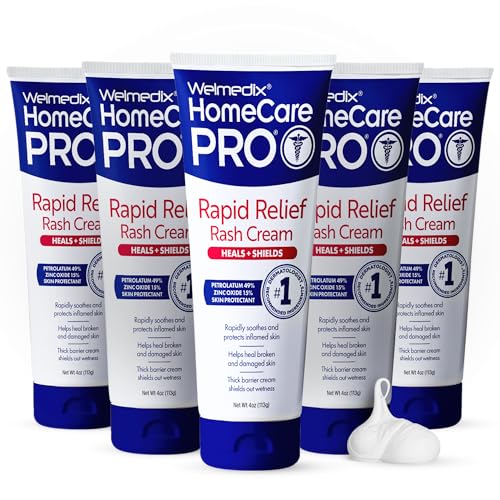
- DIAPER RASH CREAM FOR ADULTS provides maximum strength protection & treatment for irritated skin caused by sweat, friction, and incontinence
- HOSPITAL GRADE DUAL ACTION FORMULA with zinc oxide & petrolatum forms a protective barrier that helps shield Fragile Skin while supporting relief for redness and discomfort
- SKIN BARRIER CREAM helps soothe irritation associated with diaper rash, chafing, and moisture exposure without harming fragile or sensitive skin
- EXTRA THICK PROTECTIVE OINTMENT stays in place to provide durable coverage without excessive spreading
- DAILY & PROACTIVE USE to help prevent further skin breakdown
Troubleshooting Common Issues
Even with proper baby diaper rash treatment, challenges may arise:
Problem: Rash worsening despite treatment
Solution: Switch barrier creams (try zinc oxide if using petroleum jelly or vice versa). Consider potential allergies to diaper materials, wipes, or laundry detergents if using cloth diapers.
Problem: Baby resists treatment due to pain
Solution: Try cleansing with a squirt bottle of warm water instead of wiping. Consider a warm bath with baking soda (2 tablespoons) before applying treatment.
Problem: Rash persists longer than 3-4 days
Solution: Consult your pediatrician, as a prescription antifungal or anti-inflammatory may be needed, especially if the rash appears bright red with defined edges (possible yeast infection).
Problem: Treatment cream doesn’t stay in place
Solution: Apply more liberally, allow to set before diapering, or try a thicker product like zinc oxide paste rather than lotion.
Top 5 Benefits of Baby Diaper Rash Treatment for Baby & Parents
Developmental & Health Benefits for Baby
Effective baby diaper rash treatment provides numerous advantages for your little one:
Improved Sleep Quality: Babies with comfortable skin sleep more soundly, supporting cognitive development and growth.
Enhanced Mood and Engagement: Pain-free babies are more likely to engage in play and exploration, essential for developmental milestones.
Prevention of Secondary Infections: Proper treatment reduces the risk of bacterial or fungal infections that can complicate simple rashes.
Reduced Inflammation Response: Consistent care teaches the body to respond less aggressively to minor irritants, potentially reducing future sensitivity.
Maintained Skin Integrity: Healthy skin serves as the first defense against environmental pathogens, strengthening overall immunity.
These benefits extend beyond immediate comfort, contributing to your baby’s long-term physical and emotional wellbeing.
Advantages for Parents
Parents also benefit significantly from mastering baby diaper rash treatment:
- Increased Confidence: Effectively managing diaper rash builds parenting self-efficacy.
- Better Sleep: When baby sleeps better, so do parents.
- Reduced Stress: Knowing how to handle common issues decreases parental anxiety.
- Financial Savings: Preventing severe rashes avoids potential medical visits and prescription medications.
- Stronger Bonding: Gentle care during treatment reinforces trust and connection between parent and child.
The routines established through diaper rash care often become meaningful moments of connection and nurturing.
Long-Term Impact on Family Wellbeing
The ripple effects of proper diaper rash home remedies and prevention extend to the entire family:
- Creates a foundation for healthy skin care practices that last into childhood
- Establishes a pattern of proactive rather than reactive health management
- Develops parent confidence in addressing other minor health concerns
- Contributes to a calmer household when baby is comfortable and content
- Builds resilience and problem-solving skills in both parents and children
These positive patterns often transfer to other aspects of family health and wellbeing, creating lasting benefits beyond the diaper years.

- SOOTHES ECZEMA & SENSITIVE SKIN: Tubby Todd’s baby body cream is packed with 1% Colloidal Oatmeal to naturally relieve eczema, redness, and other skin irritations, making this soothing baby skin cream perfect for sensitive skin, rough patches, and dryness.
- PEDIATRICIAN & DERMATOLOGIST TESTED: Safe for even the most delicate skin, this baby ointment is gentle enough for newborns but effective enough for all ages, offering natural hydration and soothing benefits
- BOTANICAL-RICH FORMULA: Infused with plant-based ingredients like Jojoba Esters, Camellia Leaf Extract, and Avocado Fruit Extract, our creamy rash relief ointment deeply moisturizes without being greasy.
- SAFE FOR DAILY USE: Made without harsh chemicals, steroids, or gluten, Tubby Todd’s baby eczema ointment is ideal for consistent, everyday use to help keep your baby’s skin calm, moisturized, and irritation-free.
- THICK, SMOOTH, & NON-GREASY: Our rich, creamy baby skin relief formula absorbs easily into the skin, providing long-lasting moisture without leaving a greasy residue, so your little one can enjoy soft, healthy skin all day long.
Expert Tips, Alternative Methods & Age-Specific Advice
Tips for Newborns (0-3 Months)
Newborn skin requires especially gentle baby diaper rash treatment:
- Meconium Awareness: First stools can be sticky and irritating—clean thoroughly but gently.
- Umbilical Area Care: Keep diaper folded down until cord stump falls off to prevent irritation.
- Minimal Products: Use the simplest formulations with fewest ingredients.
- Frequent Changes: Change every 2 hours while awake and once during the night.
- Barrier Application: Begin using preventative barrier cream at the first sign of redness.
Newborns’ immature skin barrier makes prevention particularly important in this age group.
Adjustments for Older Babies & Toddlers (3+ Months)
As babies grow, baby diaper rash treatment needs adjustment:
- Diet-Related Rashes: Monitor for reactions to new foods, especially acidic ones like tomatoes and citrus.
- Activity Level: More active babies generate more heat and sweat, requiring more frequent changes.
- Communication Cues: Older babies may tug at diapers or cry when wet—respond promptly to these signals.
- Potty Training Transition: Partial potty training can create inconsistent wetness patterns; be vigilant during this phase.
- Resistance Management: Make treatment playful for resistant toddlers with songs or special toys only used during diaper changes.
Adapting your approach as your child develops ensures continued effectiveness of your diaper rash prevention strategy.
Alternative Methods & Different Parenting Styles
Different approaches to baby diaper rash treatment can align with various parenting philosophies:
For Natural/Holistic Approaches:
- Calendula-based creams instead of petroleum products
- Breastmilk applied to affected areas (contains natural antibodies)
- Coconut oil as a natural barrier (if no allergies exist)
- Clay-based powders instead of cornstarch
For Elimination Communication/Diaper-Free Approach:
- Focused observation of elimination cues to reduce diaper use
- Cotton training pants that allow air circulation while catching accidents
- Targeted diaper-free time after observed elimination patterns
For Cloth Diaper Users:
- Special cloth-safe barrier creams that won’t affect absorbency
- Diaper liners to protect cloth from cream
- More frequent changes (every 1.5-2 hours)
- Special washing protocols to remove rash-causing bacteria
Conclusion
Mastering baby diaper rash treatment is an essential skill that directly impacts your little one’s comfort and happiness. By understanding the causes, implementing effective prevention strategies, and responding quickly to early signs of irritation, you can significantly reduce your baby’s discomfort and potential complications.
Remember these key takeaways:
- Prevention through frequent changes and barrier creams is easier than treating established rashes
- Air time is one of the most effective diaper rash home remedies
- Most rashes respond to simple interventions within 3 days
- Diet, both your baby’s and a breastfeeding mother’s, can influence rash development
- Know when to seek medical attention for persistent or severe cases
Parenting comes with many challenges, but with these practical strategies, baby diaper rash treatment doesn’t have to be one of them. Your confident, informed approach will help your baby stay comfortable and happy while building the foundation for healthy skin care practices throughout childhood.
Have you found a particular technique or product that worked wonders for your baby’s diaper rash? Share your experience in the comments below! And for more comprehensive parenting advice, explore our related articles on infant skin care and baby health essentials.
FAQs
How can I tell if my baby’s diaper rash needs medical attention?
While most cases respond well to home baby diaper rash treatment, certain signs warrant professional evaluation. Contact your pediatrician if the rash:
- Persists or worsens after 3-4 days of home treatment
- Features blisters, pus-filled sores, or weeping discharge
- Has well-defined borders and bright redness (possible yeast infection)
- Spreads beyond the diaper area to the abdomen, back, or thighs
- Is accompanied by fever or significant behavior changes
- Causes bleeding or severe pain during diaper changes
Severe rashes may require prescription-strength antifungal or anti-inflammatory creams. Your doctor might also investigate underlying causes such as allergic reactions or rare skin conditions. Never hesitate to seek medical advice if you’re concerned—early intervention prevents complications and relieves your baby’s discomfort faster.
What are the most effective diaper rash home remedies that actually work?
The most reliable baby diaper rash treatment options you can implement at home include:
- Frequent diaper changes (every 2 hours while awake) to minimize skin contact with moisture and irritants
- Air time (10-15 minutes, 3-4 times daily) to dry the skin naturally
- Warm water cleansing instead of commercial wipes, which may contain irritating ingredients
- Baking soda baths (2 tablespoons in warm bath water) for soothing irritated skin
- Properly applied barrier cream containing zinc oxide (at least 10%) or petroleum jelly
For persistent but mild rashes, alternating between different types of barriers (zinc oxide during day, petroleum jelly at night) can be effective. Breastfeeding mothers can also apply a few drops of breast milk to the affected area, as it contains natural antibodies and healing properties. Remember that simpler is often better—avoid products with fragrances, preservatives, or unnecessary additives that might further irritate sensitive skin.
Can certain foods cause or worsen diaper rash in breastfed or formula-fed babies?
Yes, diet can significantly impact baby diaper rash treatment effectiveness. For breastfed babies, what mom eats matters:
- Acidic foods in maternal diet (tomatoes, citrus, strawberries) may create more acidic stool
- Dairy products consumed by mother can trigger sensitivities in some infants
- High-sugar foods in maternal diet may alter stool pH
For formula-fed babies or those eating solids:
- Citrus fruits and juices can increase stool acidity
- Tomato-based products often trigger rash flare-ups
- New foods in general may cause temporary digestive changes and resulting rash
If you notice a pattern between certain foods and rash occurrences, consider an elimination trial. Remove suspected triggers for 3-5 days while maintaining thorough diaper rash home remedies, then reintroduce one food at a time. Consult your pediatrician before making significant dietary changes, especially for breastfeeding mothers or for formula changes, as proper nutrition remains the priority.
How do I treat diaper rash if my baby has very sensitive skin or eczema?
Babies with sensitive skin or eczema require specialized baby diaper rash treatment approaches:
Consult a dermatologist for a customized care plan that addresses both conditions simultaneously.
Use hypoallergenic products:
- Fragrance-free, dye-free diapers
- Water-only cleansing when possible
- Barrier products specifically formulated for sensitive skin
Consider fabric sensitivity:
- 100% cotton cloth diapers washed in fragrance-free detergent
- Avoid diaper covers with elastic that can trap heat
- Change more frequently (every 1-2 hours)
Monitor environmental factors:
- Maintain moderate humidity in baby’s room
- Use breathable cotton clothing
- Avoid plastic pants or covers
Integrate prescribed eczema treatments with your diaper change routine, following doctor’s instructions for application order and timing.
For these babies, prevention is crucial—implement a strict preventative routine even when no rash is present. Keep detailed notes about products, environmental conditions, and foods that seem to trigger reactions, as this information is invaluable for healthcare providers in developing an effective treatment plan.
What’s the difference between regular diaper rash and yeast diaper rash, and how does treatment differ?
Distinguishing between these rash types is essential for proper baby diaper rash treatment:
Regular diaper rash (contact dermatitis):
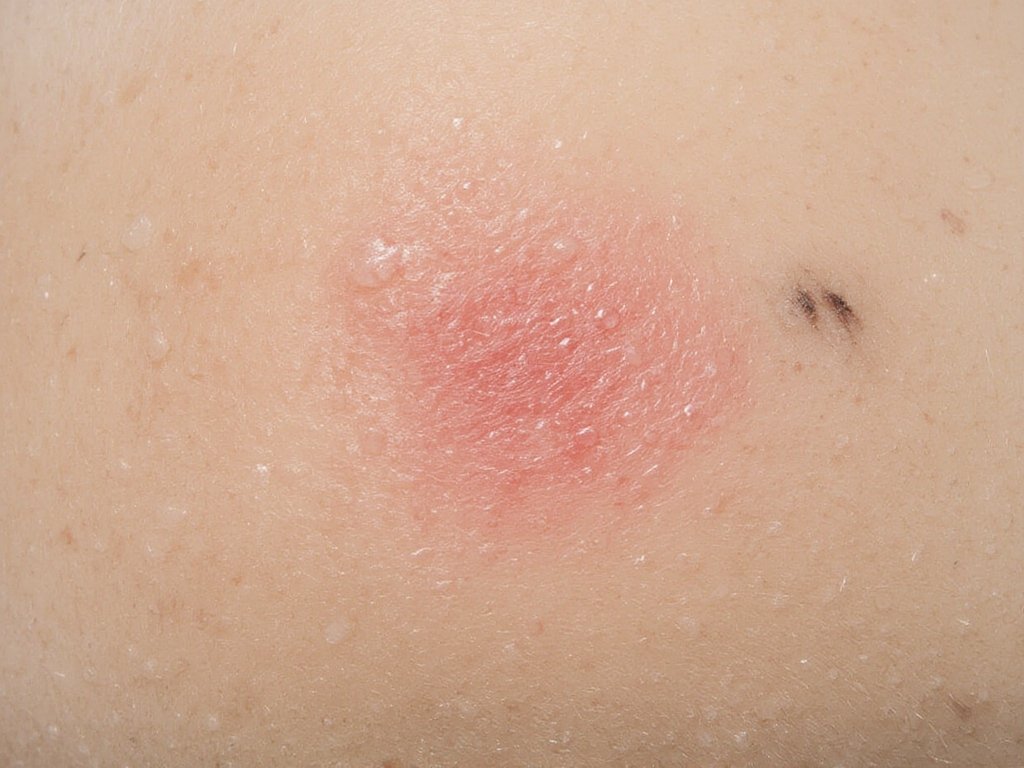
- Appears as general redness, possibly with small bumps
- Affects areas that contact wet diaper directly
- May look worse in skin creases but doesn’t necessarily concentrate there
- Responds to standard barrier creams and air time within 2-3 days
Yeast diaper rash (candida):
- Features bright red, shiny appearance with well-defined borders
- Often has satellite lesions (tiny red spots beyond the main rash area)
- Concentrates in skin folds and creases
- Persists despite standard treatment
- Often appears after antibiotic use or during thrush infections
Treatment differences:
Regular rash responds to standard diaper rash home remedies like zinc oxide and petroleum jelly. Yeast rashes require antifungal treatment—over-the-counter clotrimazole (Lotrimin) or miconazole (Monistat) creams can be effective, but persistent cases need prescription-strength medications. Continue treatment for 2-3 days after the rash appears to clear to prevent recurrence, as yeast can remain active even when symptoms improve.
Always consult your pediatrician if you suspect a yeast infection, particularly if your baby has received antibiotics recently or if standard treatments aren’t working after 2-3 days.