
This post may contain Affiliate links. If you buy anything via the link, I will earn a small commission without any effect on your payment. Thank you for your support.
Introduction
Have you noticed your baby’s skin becoming dry, irritated, or red after bath time? You’re not alone. A staggering 60% of infants experience some form of skin sensitivity in their first year of life, often triggered by harsh ingredients in conventional baby soaps. As parents, we want only the gentlest products touching our baby’s delicate skin. That’s why finding gentle baby soap alternatives has become a priority for health-conscious parents worldwide.
In this comprehensive guide, we’ll explore safe, effective natural baby cleansers that protect your little one’s sensitive skin barrier. You’ll discover which ingredients to avoid, which natural options work best, and how to create a nurturing bath routine that keeps your baby’s skin healthy and happy. Whether you’re dealing with eczema, diaper rash, or simply want to prevent potential skin issues, this article provides everything you need to make informed choices.
Understanding Gentle Baby Soap Alternatives – What Every Parent Should Know

What Are Gentle Baby Soap Alternatives?
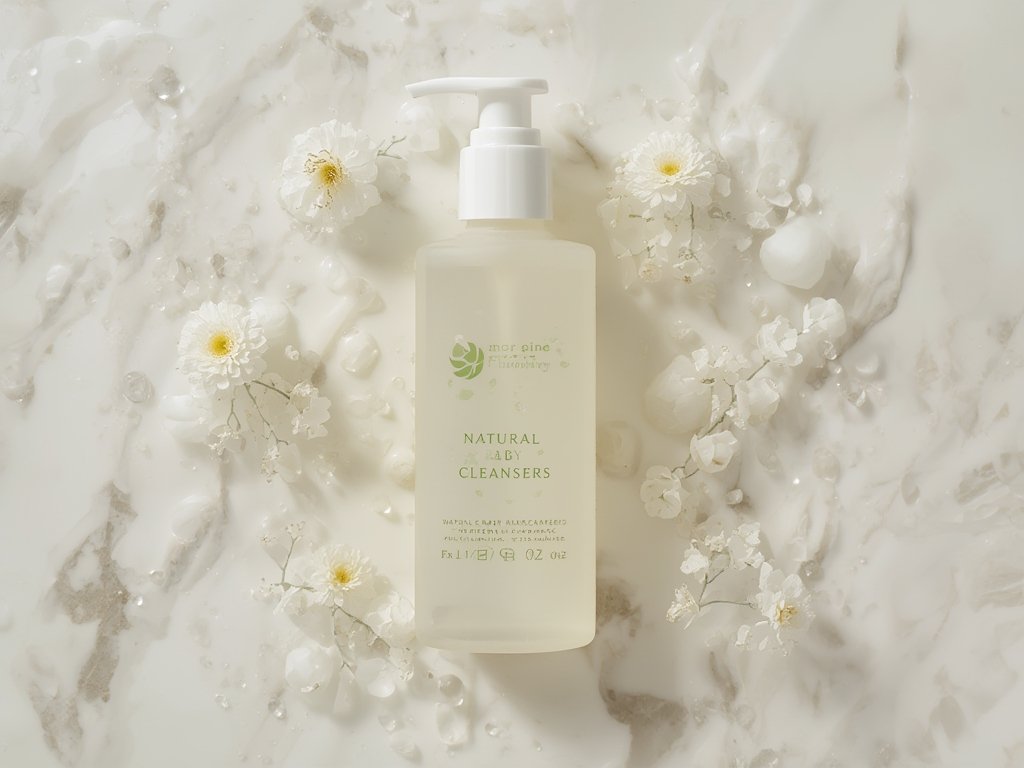
Gentle baby soap alternatives are cleansing products specifically formulated without harsh chemicals, synthetic fragrances, dyes, and other potential irritants found in conventional soaps. These alternatives prioritize mild, plant-based ingredients that cleanse without stripping away natural oils essential for your baby’s skin health. They typically fall into several categories:
- Oil-based cleansers (like almond or jojoba)
- Plant-based soap-free washes
- Traditional soap bars made with minimal, natural ingredients
- DIY cleansing solutions using kitchen ingredients
- Water-only cleansing methods
These alternatives maintain your baby’s skin pH (around 5.5) and preserve the protective acid mantle that defends against bacteria and environmental stressors.

- Safe & Gentle Tear-Free Care for Babies – Mild, plant-based formulas designed for delicate and sensitive skin
- 2-in-1 Baby Shampoo & Bath – A gentle, plant-based cleanser for hair, face, and body. Clinically shown to boost shine by 24.2% while offering a tear-free, calming bath experience—safe for newborns.
- 2-in-1 Baby Cream & Lotion – Deeply hydrating formula that boosts skin moisture by 135% and relieves flaky, rough skin instantly. Soothes irritation and redness, ideal for sensitive baby skin.
- 100% Plant-Based & Non-Toxic (Korean Skincare Excellence) – Made from plant-derived ingredients, free from preservatives and harsh chemicals. Dermatologist-tested with 0.00 irritation score, reflecting the purity and excellence of Korean skincare.
- Certified Vegan and Globally Recognized – EVE Vegan, Kosher, Halal, and European CPNP certified, reflecting its commitment to ethical standards and suitability for diverse lifestyles.
Why Gentle Baby Soap Alternatives Matter for Your Baby’s Development
Your baby’s skin is approximately 30% thinner than adult skin, with a developing barrier function that makes it more vulnerable to irritation, dryness, and absorption of potentially harmful substances. Conventional baby soaps often contain sulfates, parabens, and artificial fragrances that can:
- Disrupt natural skin microbiome development
- Increase transepidermal water loss, leading to dryness
- Trigger inflammatory responses in sensitive skin
- Potentially contribute to future skin conditions like eczema
By choosing gentle baby soap alternatives, you’re supporting your child’s skin barrier development, which plays a crucial role in overall immune function and comfort.
Common Myths About Gentle Baby Soap Alternatives
Myth 1: Babies need soap for proper cleaning
Truth: Newborns and young babies produce very little dirt or oil. Water alone can often clean effectively, particularly between skin folds where residue might collect.
Myth 2: Natural alternatives don’t clean effectively
Truth: Natural baby cleansers clean gently but thoroughly, removing what needs to be removed while preserving natural oils.
Myth 3: All “baby” labeled products are gentle
Truth: Many products marketed for babies still contain potential irritants. Reading ingredient lists is more reliable than trusting packaging claims.
Myth 4: Fragrance-free means safer
Truth: “Fragrance-free” products may still contain masking agents. Look for “unscented” or products that disclose all ingredients.
Essential Items & Supplies for Gentle Baby Soap Alternatives
Must-Have Products for Gentle Baby Soap Alternatives
When transitioning to gentle baby soap alternatives, these core products will create an effective, skin-friendly bathing routine:
- Castile soap base – A versatile, olive oil-based soap that can be diluted for ultra-gentle cleansing
- Plant-based oil cleanser – Sweet almond, jojoba, or avocado oil for oil-cleansing method
- Organic oatmeal – For creating colloidal oatmeal baths for irritated skin
- Soft, organic washcloths – Gentle fabric that won’t irritate sensitive skin
- Glass spray bottles – For creating and storing homemade cleansing solutions
- Unscented shea butter or coconut oil – For post-bath moisturizing
- Silicone brush – For gentle cradle cap treatment with oil cleansers
Optional but Helpful Items

- THE TUBBY TODD 3-STEP SOLUTION: The Regulars Bundle includes baby Hair and Body Wash, Everyday Lotion for babies, and the All Over Ointment for a gentle, effective solution to keep sensitive or eczema-prone skin hydrated and healthy.
- PERFECT FOR SENSITIVE SKIN: Formulated with natural ingredients like chamomile, echinacea, avocado oil, and cocoa seed butter, these baby skin products are safe for newborns, toddlers, and anyone with delicate or sensitive skin.
- HYDRATES & PROTECTS: The Hair + Body Wash for babies adds moisture during bath time, the baby lotion provides deep hydration, and the All Over Ointment locks in moisture while treating dry, irritated skin.
- GENTLE ENOUGH FOR DAILY USE: Each product in the Regulars Bundle is designed for everyday care, offering a consistent, gentle solution that helps nourish and soothe skin without irritation, making it perfect for your baby’s daily skincare routine.
- FREE FROM HARSH INGREDIENTS: No gluten, dairy, SLS/SLES, synthetic fragrances, parabens, or steroids, making this baby skincare bundle safe and gentle for daily use on even the most sensitive skin.
These supplementary products can enhance your natural bathing routine:
- Konjac sponge – A plant-based, biodegradable sponge that gently exfoliates
- Calendula-infused oil – Adds anti-inflammatory properties to cleansing routines
- Small mason jars – For mixing and storing DIY bath blends
- Cheesecloth – For straining homemade oatmeal baths
- Bath temperature gauge – Maintains ideal water temperature (97-100°F)
- Baby bath sling or cushion – Provides support while using minimal products
Budget-Friendly Alternatives
Creating effective gentle baby soap alternatives doesn’t have to be expensive:
| Commercial Product | Budget-Friendly Alternative | Approximate Savings |
|---|---|---|
| Specialized baby wash ($15-25) | Diluted castile soap ($10 for months of use) | $5-15 per bottle |
| Branded baby oil ($8-12) | Organic sunflower oil from grocery ($4-6) | $4-6 per bottle |
| Commercial baby balm ($12-18) | Homemade shea/coconut oil blend ($8 for 3x amount) | $4-10 per container |
| Branded oatmeal bath ($15) | DIY colloidal oatmeal packets ($2 for multiple baths) | $13 per use |
Using kitchen staples like baking soda (for cradle cap), breast milk (for skin irritations), or plain water for newborn cleaning can further reduce costs while providing gentle, effective care.
Guide to Gentle Baby Soap Alternatives

Preparation Steps
Before implementing gentle baby soap alternatives, take these important preparatory steps:
Assess your baby’s skin type and needs
- Observe dry patches, redness, or existing skin conditions
- Note any previous reactions to products
- Consider family history of skin sensitivities or allergies
Gather supplies based on your chosen method
- Purchase high-quality base ingredients
- Prepare storage containers for DIY solutions
- Set up a dedicated area for bath preparations
Create a calm bathing environment
- Maintain room temperature between 75-80°F
- Prepare warm (not hot) water before bringing baby to bath area
- Have towels and post-bath items within easy reach
Perform a patch test with new alternatives
- Apply a small amount to baby’s inner forearm
- Wait 24 hours to check for reactions
- Proceed only if no irritation occurs
Implementation Process
Follow these step-by-step instructions for introducing gentle baby soap alternatives:
Oil-Cleansing Method
- Pour 1 teaspoon of chosen oil (almond, jojoba, coconut) into your palm
- Warm between hands and gently massage onto baby’s skin
- Focus on creases and areas with milk residue
- Wipe away excess with warm, damp organic cloth
Diluted Castile Soap
- Mix 1/2 teaspoon liquid castile soap with 1 cup warm water
- Apply with soft washcloth to areas needing cleansing
- Avoid eyes and ears
- Rinse thoroughly with clean water
Colloidal Oatmeal Bath
- Grind 1/3 cup organic oats to fine powder in blender
- Add to warm (not hot) bathwater while stirring
- Soak baby for 5-10 minutes
- Pat skin dry without rubbing
Water-Only Method
- For newborns and between regular baths
- Use warm water and soft cloth
- Focus on neck folds, diaper area, and hands
- Follow with light moisturizer if needed
Troubleshooting Common Issues

- EXTRA GENTLE FOR BABY: Dermatologist tested and formulated for newborn and baby clothes — designed to minimize ingredients that may cause irritation. HE and standard machines, 80 loads.
- EWG VERIFIED CLEAN INGREDIENTS: Independently reviewed against the Environmental Working Group’s strict health standards — the assurance conscious parents look for in a baby laundry soap.
- REMOVES BABY-LIFE STAINS: Made with 98% naturally derived ingredients (per ISO 16128), it cleans and removes everyday stains like grass and food. Safe for whites, colors, and delicates — including blankets and cloth diapers.
- UNSCENTED: This baby laundry detergent newborn is unscented, ideal for sensitive noses. Its gentle formula is great for baby and suitable for the whole family.
- VEGAN FORMULA & RECYCLABLE PACKAGING: 100% vegan and cruelty-free, packaged in a recyclable HDPE #2 bottle — the easiest plastic to recycle.
Even with gentle baby soap alternatives, you may encounter challenges:
Persistent Dryness
- Reduce bathing frequency to 2-3 times weekly
- Apply organic moisturizer while skin is still damp
- Consider adding 2-3 drops of vitamin E oil to your cleansing oil
Cradle Cap Despite Oil Cleansing
- Increase frequency of oil application to affected areas
- Apply oil 15 minutes before bathing to soften flakes
- Gently brush with soft silicone brush after oil application
Resistance to Oil Cleansers
- Try different oil bases – some babies prefer lighter oils
- Warm oil slightly for more comfortable application
- Use in smaller amounts with more frequent application
Irritation from Natural Ingredients
- Even natural ingredients can cause reactions
- Discontinue any product causing redness or discomfort
- Return to water-only method until skin calms, then try an alternative
Top 5 Benefits of Gentle Baby Soap Alternatives for Baby & Parents
Developmental & Health Benefits for Baby
Preserved Skin Microbiome
Gentle baby soap alternatives maintain the delicate balance of beneficial bacteria on your baby’s skin. This microbiome acts as the first line of defense against pathogens and environmental irritants, supporting overall immune development.Reduced Risk of Skin Conditions
Studies show that babies cleansed with minimal, natural products have a lower incidence of eczema, dermatitis, and other inflammatory skin conditions. The preservation of natural oils prevents the dry-irritate-inflame cycle common with conventional soaps.Better Temperature Regulation
Healthy, well-moisturized skin helps babies regulate their body temperature more effectively. By avoiding the drying effects of harsh cleansers, your baby can maintain optimal thermal regulation, which is especially important for newborns.Enhanced Sensory Development
Oil-based cleansers and gentle massage during application provide positive tactile stimulation, supporting healthy sensory development and body awareness. This touch-based care creates neural connections that benefit cognitive development.Improved Sleep Quality
Babies whose skin is comfortable and not irritated typically sleep better. By eliminating the discomfort of dry, itchy skin through natural baby cleansers, you may notice improved sleep patterns and less nighttime fussiness.
Advantages for Parents
Using gentle baby soap alternatives offers significant benefits for parents as well:
- Cost-effectiveness – Many natural alternatives cost less per use than commercial products
- Simplified shopping – Basic, multi-purpose ingredients replace multiple specialized products
- Peace of mind – Knowing exactly what touches your baby’s skin reduces worry about chemical exposure
- Environmental benefits – Fewer plastic containers and reduced chemical waste
- Enhanced bonding – Oil cleansing and gentle application methods encourage nurturing touch and connection
The ritual of preparing and applying natural cleansers can also become a mindful parenting practice, creating moments of presence and connection in busy days.
Long-Term Impact on Family Wellbeing
Choosing gentle baby soap alternatives creates positive ripple effects for your family:
- Children develop awareness of natural body care from an early age
- Parents often extend natural product choices to themselves and other family members
- Reduced chemical exposure benefits the entire household’s health
- Families typically become more ingredient-conscious in other product categories
- The value of simplicity in self-care becomes an enduring family philosophy
Many parents report that starting with natural baby care leads to broader lifestyle changes that prioritize health and sustainability across all aspects of family life.
Expert Tips, Alternative Methods & Age-Specific Advice
Tips for Newborns (0-3 Months)
Newborn skin requires the gentlest approach to cleansing:
- Focus on water-only cleaning for the first month, except for diaper area
- Delay first full bath until umbilical stump falls off completely
- Clean sponge-bath style by keeping baby wrapped and washing small areas at a time
- Consider breast milk as a natural cleanser for minor irritations and rashes
- Use very diluted solutions if using any gentle baby soap alternatives
For vernix (the white coating present at birth), remember that it serves as a natural moisturizer and antimicrobial protection. Allow it to absorb naturally rather than scrubbing it away.
Adjustments for Older Babies & Toddlers (3+ Months)
As your baby grows, their cleansing needs evolve:
- Gradually introduce very diluted castile soap for visibly dirty areas
- Begin targeted cleaning after starting solids (hands, face, hair)
- Incorporate mild cleansing herbs like chamomile or calendula for toddlers
- Create foam for hair washing by diluting castile soap in a foaming dispenser
- Involve older babies in the process with safe, natural bath toys
For mobile babies exploring outdoors, focus cleansing on exposed areas like hands, knees, and feet while maintaining gentler approaches for the rest of the body.
Alternative Methods & Different Parenting Styles
Gentle baby soap alternatives can align with various parenting philosophies:
Attachment Parenting
- Emphasize skin-to-skin contact during oil cleansing
- Create bathing rituals that maintain physical connection
- Consider family bathing with shared natural baby cleansers
Montessori Approach
- Set up low bathing stations for toddler independence
- Provide small containers of pre-diluted cleansers
- Create pictorial bath sequence cards for self-directed bathing
Minimalist Parenting
- Focus on single-ingredient solutions
- Establish simplified bathing routines
- Choose multi-purpose products that serve several needs
Traditional Practices
- Incorporate cultural bathing traditions using natural ingredients
- Adopt time-tested cleansing methods from family heritage
- Include gentle massage techniques from various cultural traditions
Conclusion
Finding the right gentle baby soap alternatives is more than just a skincare choice—it’s a commitment to your baby’s long-term health and comfort. By choosing natural, minimally processed cleansers, you’re protecting your little one’s delicate skin barrier during its critical development stage. Remember that each baby’s skin is unique, and what works perfectly for one may need adjustment for another.
The journey to finding ideal gentle baby soap alternatives may involve some trial and error, but the benefits—reduced irritation, healthier skin microbiome, and peace of mind—make it well worth the effort. Start with the simplest options, like water-only cleaning for newborns, and gradually introduce diluted natural baby cleansers as needed.
As you implement these gentle approaches, you’ll likely notice improvements in your baby’s skin condition and overall comfort. Many parents report that skin issues like cradle cap, baby acne, and even mild eczema improve significantly when harsh soaps are eliminated. Beyond the physical benefits, these nurturing bathing routines become precious bonding opportunities that both you and your baby will cherish.
Have you tried gentle baby soap alternatives with your little one? Share your experience in the comments below! For more natural parenting tips and baby care advice, explore our related article on baby care tips at NurBaby.
FAQs
How often should I bathe my baby when using gentle baby soap alternatives?
When using gentle baby soap alternatives, most pediatric dermatologists recommend bathing infants only 2-3 times per week. Newborns and young babies don’t get very dirty (except in the diaper area), and frequent bathing—even with natural products—can disrupt the skin’s developing moisture barrier. On non-bath days, a quick cleaning of the face, neck folds, hands, and diaper area with warm water is usually sufficient.
This “less is more” approach preserves your baby’s natural skin oils and developing microbiome. If you live in a hot climate or your baby has been particularly messy (think first birthday cake experience!), you might bathe more frequently, but consider using water-only cleaning for some of these baths rather than using cleansers every time. Remember that many gentle baby soap alternatives like oil cleansing can be used on targeted areas without a full bath, giving you flexibility based on your baby’s needs.
What ingredients should I absolutely avoid in baby cleansers, even in products marketed as “natural”?
When selecting gentle baby soap alternatives, be vigilant about avoiding several problematic ingredients that can appear even in “natural” products. Sodium Lauryl Sulfate (SLS) and Sodium Laureth Sulfate (SLES) are harsh surfactants that can strip skin oils and irritate sensitive skin. Parabens (methylparaben, propylparaben) are preservatives linked to hormone disruption. Synthetic fragrances, often listed simply as “fragrance” or “parfum,” can contain hundreds of undisclosed chemicals and are among the top allergens for babies.
Cocamidopropyl betaine, while plant-derived, can cause irritation in sensitive individuals. Other red flags include formaldehyde-releasing preservatives (quaternium-15, DMDM hydantoin), phenoxyethanol, and artificial dyes listed as FD&C or D&C colors. Even “natural” products sometimes contain essential oils that can be too potent for baby skin—particularly mint, eucalyptus, and citrus oils. When considering gentle baby soap alternatives, look for short ingredient lists with recognizable components and transparent labeling of all ingredients.
Can I make effective gentle baby soap alternatives at home, and what are the safest recipes?
Yes, you can create safe and effective gentle baby soap alternatives at home with just a few high-quality ingredients. One of the simplest and most versatile recipes is a diluted castile soap solution: mix 1 tablespoon of unscented liquid castile soap with 1 cup of distilled or boiled (then cooled) water in a foaming dispenser bottle. For dry or sensitive skin, an oil cleanser can be made by combining 2 ounces of organic sunflower oil with 1 ounce of coconut oil (fractionated coconut oil stays liquid).
For irritated skin, colloidal oatmeal bath is excellent: blend ½ cup of organic rolled oats into a fine powder and add to warm bathwater. A gentle baby wipe solution can be made with 1 cup distilled water, 1 tablespoon aloe vera gel, and 1 teaspoon organic vegetable glycerin. When making gentle baby soap alternatives at home, always use clean, sterilized containers, store preparations in the refrigerator if they contain no preservatives (use within a week), and perform patch tests before full application. Avoid adding essential oils to homemade baby products, as they’re generally too potent for infant skin.
How do I know if my baby is reacting poorly to a gentle baby soap alternative?
Identifying negative reactions to gentle baby soap alternatives requires careful observation of your baby’s skin before and after use. The most common signs of an adverse reaction include new or increased redness that doesn’t fade within an hour after bathing, the appearance of raised bumps or a rash, unusual dryness or flaking, and any indication of discomfort like increased fussiness or scratching during or after bath time. More serious reactions might include swelling, especially around the eyes or mouth, persistent itchiness, or warm-to-touch skin that might indicate inflammation.
If your baby has existing eczema, watch for flare-ups following the use of new gentle baby soap alternatives. Remember that reactions can sometimes be delayed, appearing up to 48 hours after exposure. If you notice any concerning symptoms, discontinue the product immediately and revert to water-only cleansing until the skin calms. For mild reactions, this is often sufficient, but persistent or severe reactions warrant consultation with a pediatrician or dermatologist. Always introduce new gentle baby soap alternatives one at a time with several days between them to clearly identify any problematic products.
What are the best gentle baby soap alternatives for specific conditions like eczema or cradle cap?
For babies with specific skin conditions, choosing the right gentle baby soap alternatives can make a significant difference in managing symptoms. For eczema-prone babies, colloidal oatmeal baths (using finely ground organic oats) help soothe inflammation and itching while providing gentle cleansing. Follow with pure, cold-pressed sunflower oil, which studies show helps repair the skin barrier in eczematous skin. Avoid all foaming products, including diluted castile soap. For cradle cap, an effective approach uses gentle baby soap alternatives like virgin coconut oil or olive oil applied to the scalp 20 minutes before bath time, followed by gentle massage with a silicone brush to lift flakes.
For diaper rash, plain water cleaning followed by allowing the area to fully air-dry works best, avoiding all soaps in the affected area. For baby acne, the simplest gentle baby soap alternatives are best—just warm water on a soft cloth, as most cleansers can irritate these temporary breakouts. For general dry skin, consider oil cleansing with jojoba oil, which most closely resembles human sebum. Remember that less is more when dealing with sensitive conditions, and always consult a pediatric dermatologist if skin conditions persist or worsen despite using appropriate gentle baby soap alternatives.