This post may contain Affiliate links. If you buy anything via the link, I will earn a small commission without any effect on your payment. Thank you for your support.
Introduction
Are you worried about the environmental impact your baby’s essentials might have on our planet? You’re not alone. The average baby uses about 6,000 disposable diapers before potty training, which can take up to 500 years to decompose in landfills. Today’s environmentally conscious parents are increasingly seeking eco friendly baby products that reduce their carbon footprint while keeping their little ones safe and comfortable. The good market for sustainable items has exploded, offering greener alternatives for everything from diapers to toys.
In this comprehensive guide, we’ll explore the world of eco friendly baby products, helping you make informed choices that benefit both your baby and the environment. You’ll discover essential sustainable items, understand their environmental impact, and learn how to incorporate green parenting practices into your daily routine.
Understanding Eco Friendly Baby Products – What Every Parent Should Know
What Are Eco Friendly Baby Products?
Eco friendly baby products are items designed and manufactured with minimal environmental impact throughout their lifecycle. These products typically feature:
- Biodegradable or recyclable materials
- Non-toxic, organic ingredients
- Sustainable production methods
- Minimal packaging
- Longer lifespan (reusable vs. disposable)
Unlike conventional baby items that often contain plastic, harmful chemicals, and synthetic materials, eco-friendly alternatives prioritize natural, renewable resources like organic cotton, bamboo, silicone, and untreated wood. Many sustainable baby alternatives are also produced under fair trade conditions, ensuring ethical manufacturing practices.

- 🐣TWO LAYER:Woven of thick cotton velour and terry for softness and absorption.The latest textile technology, double-layer materials.Ultra thick & absorbent baby towels.
- 🐣GREAT SIZE:32″*24″ great size for newborn to 12 month, the best shape practical hood helps baby keeping the towel in place when moves around.
- 🐣WARM WRAP: Here your baby rests, snuggly wrapped from head to toe by cute designs made of sustainably sourced 450 GSM doulble layers cotton. Not only dry also keep warm immediately .
- 🐣ECO FRIENDLY: Natural long staple cotton has a faster growth cycle and requires less water and nutrients than other fiber.Higher usage rate, renewable and recyclable sustainability for your baby’s better future world .
- 🐣BEST GIFT:This is an essential item for new parents, best choice for newborn and the coming little one. Chic and colorful designs will give the little one unique.
Why Eco Friendly Baby Products Matter for Your Baby’s Development
The benefits of choosing eco friendly baby products extend beyond environmental conservation. These items also:
- Reduce exposure to harmful chemicals like phthalates, BPA, and artificial fragrances
- Decrease risk of skin irritation and allergic reactions
- Create a healthier home environment with fewer airborne toxins
- Support your baby’s natural development without chemical interference
Babies’ developing systems are particularly vulnerable to environmental toxins. Their skin is thinner and more permeable than adults’, allowing chemicals to be more readily absorbed. By choosing natural, organic products, you’re creating a safer developmental environment for your little one.
Common Myths About Eco Friendly Baby Products
Myth 1: They’re prohibitively expensive
While some sustainable products have higher upfront costs, many save money over time. Cloth diapers, for example, can save $1,000-$2,000 per child compared to disposables.
Myth 2: They don’t perform as well
Today’s eco-friendly products undergo rigorous testing and development. Many perform equally or better than conventional alternatives.
Myth 3: They’re inconvenient
While some products require slight adjustments to routine, manufacturers have focused on making green alternatives increasingly convenient for busy parents.
Myth 4: “Natural” always means eco-friendly
Terms like “natural” are unregulated. Look for specific certifications like GOTS (Global Organic Textile Standard), MADE SAFE, or EWG Verified.
Essential Items & Supplies for Eco Friendly Baby Products
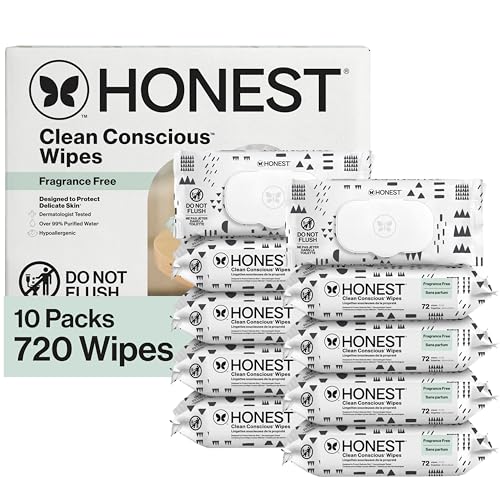
- Clean up all of life’s messes. Compostable, plant-based multi-use Wipes are made with over 99% water and only 7 transparent ingredients, making them gentle and safe for baby’s sensitive skin but great for the whole family
- Hypoallergenic, fragrance free, dermatologist tested, and recognized with the National Eczema seal of acceptance, which means you can trust that this product is safe and suitable for people with sensitive skin
- Diaper duty and beyond: these wipes are ultra durable and extra thick with a convenient flip-top dispenser – use on all household surfaces, for a post-workout refresh, to clean your pet’s paws, and wipe down gunked-up toys, messy fingers, and dusty plants
- Hypoallergenic; Dermatologist Tested; EWG Verified; Cruelty Free; NEA Recognized; Compostable and disintegrates in 8 weeks
- Made without: Plastic Cloth/Fabric, Fragrances, Parabens, Alcohol, Chlorine Processing
Must-Have Products for Eco Friendly Baby Care
Sustainable Diapers
- Cloth diapers with organic cotton inserts
- Biodegradable disposable options
- Diaper covers made from wool or PUL (polyurethane laminate)
Natural Feeding Essentials
- Glass or silicone bottles
- Bamboo or wooden feeding utensils
- Organic cotton nursing pads
- Silicone or stainless steel sippy cups
Non-Toxic Skincare
- Organic, fragrance-free baby wash
- Plant-based baby lotions
- Mineral sunscreen (zinc oxide-based)
- Natural diaper cream with beeswax or zinc oxide
Sustainable Clothing
- Organic cotton onesies and sleepwear
- Hemp or bamboo fabrics
- Undyed or naturally dyed options
- Wool for natural temperature regulation
Eco-Friendly Nursery Items
- Solid wood crib with non-toxic finish
- Organic mattress (cotton, wool, or natural latex)
- VOC-free paints for nursery walls
- Energy-efficient lighting
Optional but Helpful Items
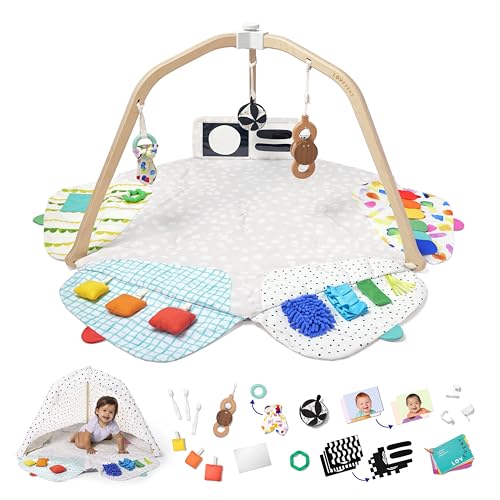
- Silicone teething toys instead of plastic
- Wooden or fabric toys with non-toxic dyes
- Organic cotton swaddles and sleep sacks
- Bamboo washcloths and towels
- Natural rubber pacifiers
- Stainless steel food storage containers
- Biodegradable baby wipes or reusable cloth wipes
- Wool dryer balls (replace fabric softener)
Budget-Friendly Alternatives
| Conventional Item | Eco-Friendly Alternative | Budget-Friendly Option |
|---|---|---|
| Disposable diapers | Cloth diaper system | Pre-loved cloth diapers or diaper service |
| Plastic toys | Wooden or fabric toys | DIY sensory toys from household items |
| Baby food pouches | Homemade baby food | Batch cooking and freezing in silicone trays |
| Synthetic clothing | Organic cotton | Second-hand organic items |
| Plastic bottles | Glass bottles | Silicone bottles (more durable) |
| Disposable wipes | Cloth wipes | Repurposed flannel sheets as wipes |
Guide to Implementing Eco Friendly Baby Products
Preparation Steps
Before transitioning to eco friendly baby products, consider these preparation steps:
Research and prioritize: Not all eco products are created equal. Research certifications and prioritize items that touch your baby’s skin or mouth.
Start small: Begin with 1-2 categories (perhaps diapers or skincare) rather than overhauling everything at once.
Assess your budget: Determine which sustainable items offer the best value for your family’s financial situation.
Create storage systems: Some reusable items require different storage solutions than disposables (e.g., diaper pail for cloth diapers).
Find local resources: Look for local shops, parent groups, or online marketplaces where you can find sustainable baby alternatives, potentially second-hand.
Implementation Process
Phase in products gradually: Start using eco-friendly items as your conventional products run out.
Establish new routines: Create systems for washing cloth diapers, preparing homemade wipes solution, or other maintenance tasks.
Label and organize: Keep natural products clearly labeled, especially if multiple caregivers are involved.
Track reactions: Monitor your baby for any skin reactions to new products, even natural ones.
Join communities: Connect with other eco-conscious parents online or locally for support and product recommendations.
Share with caregivers: Ensure anyone caring for your baby understands how to use your sustainable products correctly.

- Huggies Size Newborn Diapers: 180 Huggies Skin Essentials Baby Diapers (3 Packs of 60), Size Newborn (6-9 lbs)
- Clinically Proven Liner: Each baby diaper is made with a clinically proven liner that helps to reduce irritation on baby’s skin* (*from mess. Not for therapeutic use.)
- Zinc Oxide Enrichment: The liner of these fragrance-free diapers is enriched with zinc oxide to help neutralize irritants* (*from mess. Not for therapeutic use.)
- Dermatologist Approved: Our diapers are approved by dermatologists for everyday use and to help maintain healthy looking skin
- Hypoallergenic and Safe: These baby diapers are made without fragrances, phthalates, parabens, elemental chlorine, lotion, and latex (natural rubber)
- Leak and Blowout Protection: Skin Essentials infant diapers provide up to 100% leak and blowout protection to help protect against unwanted messes
- Quick Absorption: Each diaper quickly absorbs moisture and locks away runny mess from skin
- Breathable Outer Cover: A 100% breathable outer cover helps to keep baby’s skin dry and healthy
- Huggies Skin Essentials baby diaper product and packaging may vary
Troubleshooting Common Issues
Problem: Cloth diapers leaking
Solution: Check for proper fit, adequate absorbency, and correct washing procedures. Experiment with different folding techniques.
Problem: Natural skincare not addressing eczema
Solution: Consult your pediatrician. Some babies may need specific ingredients that balance efficacy with minimal environmental impact.
Problem: Higher costs straining budget
Solution: Prioritize items with direct health benefits (skincare, food) and look for second-hand options for others (clothing, toys).
Problem: Partner or family resistance
Solution: Start with changes that are most convenient, share educational resources, and emphasize health benefits alongside environmental ones.
Top 5 Benefits of Eco Friendly Baby Products for Baby & Parents
Developmental & Health Benefits for Baby
Reduced Chemical Exposure: Eco friendly baby products typically avoid harmful chemicals like phthalates, parabens, and synthetic fragrances that can disrupt hormonal development.
Fewer Allergens: Natural materials like organic cotton are less likely to trigger allergic reactions or sensitivities in babies with delicate skin.
Better Temperature Regulation: Natural fabrics like wool, hemp, and organic cotton breathe better than synthetic alternatives, helping maintain comfortable body temperature.
Enhanced Sensory Experience: Natural materials offer varied textures, weights, and sensations that can support sensory development more effectively than uniform plastics.
Reduced Respiratory Irritants: Eco-friendly furniture, paints, and bedding release fewer volatile organic compounds (VOCs), creating healthier air quality in your baby’s environment.


Advantages for Parents
Peace of mind: Knowing your choices protect both your baby and the planet reduces parental anxiety.
Future-focused parenting: Creating sustainable habits now establishes values that benefit your family long-term.
Community connection: The eco-friendly parenting community offers support, advice, and resource-sharing opportunities.
Reduced waste management: Reusable products mean fewer trips to the trash and less garbage accumulation.
Financial savings: Though initial investments may be higher, many sustainable products (particularly reusables) generate significant long-term savings.
Long-Term Impact on Family Wellbeing
Choosing eco friendly baby products often leads families to examine other aspects of their consumption and lifestyle. This ripple effect can lead to:
- More mindful purchasing across all categories
- Reduced household waste and simplified home organization
- Greater awareness of ingredients and materials in all products
- Family values centered around environmental stewardship
- Children who naturally understand sustainability principles
- Healthier home environment with fewer toxins for everyone
Expert Tips, Alternative Methods & Age-Specific Advice
Tips for Newborns (0-3 Months)
Simplified wardrobe: Newborns need fewer clothes than you might think. Invest in 7-10 high-quality organic items rather than dozens of conventional pieces.
Gentle laundering: Wash baby clothes in fragrance-free, plant-based detergents before first use and between wearings.
Natural diapering system: For newborns, consider organic cotton prefolds with breathable covers as an economical cloth option.
Minimal skincare: Newborns need very little product. Plain water is often sufficient for cleaning, with occasional use of organic oil for dry spots.
Chemical-free environment: Prioritize natural materials for items your newborn spends most time touching—bedding, clothing, and carrying wraps.
Adjustments for Older Babies & Toddlers (3+ Months)
Sustainable solid feeding: Introduce foods with wooden or bamboo utensils and silicone or stainless steel dishes.
Eco-friendly mobility items: Look for walkers, push toys, and activity centers made from sustainable wood rather than plastic.
Natural teething remedies: Offer wooden teethers, frozen organic washcloths, or silicone teethers instead of plastic ones.
Potty training transitions: Consider small cloth training pants or biodegradable disposable training pants.
Toxin-free play spaces: As babies become more mobile, ensure floor and play surfaces are free from chemical cleaners and treatments.
Alternative Methods & Different Parenting Styles
Minimalist Approach:
Focus on multi-functional sustainable baby alternatives that serve multiple purposes and grow with your child, reducing overall consumption.
Montessori Method:
Emphasize natural materials, child-sized tools, and practical life activities using sustainable materials that connect children to nature.
Zero-Waste Parenting:
Prioritize package-free products, buying in bulk, making your own baby food, and repurposing items creatively to eliminate waste.
Secondhand First:
Commit to sourcing the majority of baby items pre-loved before buying new, even for eco-products, to maximize environmental benefits.
Conclusion
Making the switch to eco friendly baby products is a journey that benefits your baby’s health, your family’s wellbeing, and our planet’s future. By carefully selecting sustainable materials, avoiding harmful chemicals, and embracing reusable alternatives, you’re creating not just a healthier environment for your child, but also teaching values that will last a lifetime.
Remember that perfect sustainability isn’t the goal—every eco-friendly choice makes a positive difference. Start with items that directly touch your baby’s skin or have the largest environmental impact, then gradually expand your sustainable choices as you become more comfortable with this approach.
The market for eco friendly baby products continues to grow, making green parenting more accessible and convenient than ever before. Whether you’re committed to a fully sustainable nursery or simply incorporating a few key sustainable baby alternatives, your efforts contribute to a healthier world for the next generation.
What eco-friendly baby products have worked best for your family? Share your experience in the comments below! And for more sustainable parenting tips, explore our related articles on natural baby care practices.
FAQs About Eco Friendly Baby Products
Are eco friendly baby products really worth the higher cost?
Yes, eco friendly baby products typically offer value that justifies their higher initial price point. While the upfront cost may be greater, many sustainable items—especially reusables like cloth diapers, silicone feeding products, and high-quality wooden toys—last significantly longer than their disposable counterparts. A complete cloth diaper system might cost $300-500 initially but saves $1,000-2,000 over the diapering years compared to disposables.
Additionally, many eco-friendly products serve multiple children, can be resold when outgrown, and avoid hidden environmental costs. Beyond financial considerations, the reduced chemical exposure for your baby and decreased environmental impact create value that conventional products simply can’t match. For budget-conscious families, consider implementing eco friendly baby products gradually, prioritizing items that touch your baby directly, and exploring second-hand sustainable options to maximize both environmental and financial benefits.
How can I verify if baby products are truly eco-friendly rather than “greenwashed”?
With “greenwashing” increasingly common, verifying authentic eco friendly baby products requires looking beyond marketing claims. Start by checking for recognized third-party certifications such as GOTS (Global Organic Textile Standard), OEKO-TEX, GREENGUARD, EWG Verified, or FSC (Forest Stewardship Council). These certifications have specific standards manufacturers must meet. Next, examine ingredient and material lists completely—truly eco-friendly products disclose all components transparently. Research the company’s overall sustainability practices beyond individual products:
Do they use renewable energy? Minimize packaging? Support fair labor practices? Consider the entire lifecycle of products, including manufacturing, distribution, use, and disposal. Smaller companies often provide detailed information about their sustainability journey directly on their websites. Lastly, consult independent review sources and green parenting communities for authentic recommendations of eco friendly baby products that have been verified by experienced parents.
What are the most important baby items to swap for eco-friendly versions first?
When transitioning to eco friendly baby products, prioritize items that directly contact your baby’s skin or have the largest environmental footprint. Start with diapers, which constitute approximately 30% of household waste for families with babies—cloth diapers or biodegradable disposables make a significant impact. Next, focus on skincare products (lotions, shampoos, wipes) since conventional versions often contain potential irritants and harmful chemicals that are directly absorbed through your baby’s skin.
Feeding items that touch food and your baby’s mouth should follow; replace plastic bottles and dishware with glass, silicone, or stainless steel alternatives. Bedding and clothing rank next, as babies spend 12-16 hours daily in direct contact with these fabrics—organic cotton, bamboo, and hemp offer chemical-free alternatives to conventional textiles. Finally, consider toys, especially teethers and mouthed items, replacing plastic versions with natural wood, organic cotton, or silicone. By prioritizing these high-impact eco friendly baby products, you’ll address the most significant health and environmental concerns first.
How do I make eco-friendly baby care work with a busy lifestyle?
Incorporating eco friendly baby products into a busy lifestyle requires strategic planning and systems that work for your family’s specific needs. Start by selecting sustainable options that minimize additional work—for example, all-in-one cloth diapers rather than prefolds, silicone bibs that wipe clean instead of fabric ones requiring laundering, or multi-use products that serve several purposes. Establish simple routines, such as running cloth diaper laundry every 2-3 days while you sleep or batch-preparing homemade baby food during weekend downtime.
Organize eco-friendly supplies for grab-and-go accessibility—pre-filled wet bags with cloth diapers, ready-to-use cloth wipes in a travel container, or packed reusable feeding supplies for outings. Consider compromise areas where convenience matters most; perhaps you use cloth diapers at home but eco-friendly disposables while traveling. Involve partners, family members, or caregivers in your sustainable routines, ensuring everyone understands how to use your eco friendly baby products. Many parents find that sustainable systems actually simplify life over time—you’ll have fewer emergency store runs for disposable supplies and develop streamlined routines that eventually become second nature.
What are the safest eco-friendly materials for baby toys and teethers?
The safest materials for eco friendly baby products like toys and teethers include untreated hardwoods (maple, beech, or cherry) that are naturally antibacterial and splinter-resistant. Look for toys finished with food-grade mineral oil, beeswax, or water-based sealants rather than chemical varnishes. Food-grade silicone offers a flexible, dishwasher-safe alternative that’s free from BPA, PVC, and phthalates—verify it’s platinum-cured medical grade silicone for highest safety. Natural rubber derived from the Hevea tree provides a sustainable option for teethers with excellent texture for soothing gums; ensure it’s free from synthetic additives and chemical accelerators.
Organic cotton, hemp, and wool toys should use GOTS-certified fabrics with non-toxic, water-based dyes or natural pigments. For wooden toys, certification from FSC ensures sustainable forestry practices. Stainless steel offers a durable option for rattles and exploratory toys that won’t leach chemicals. When selecting these eco friendly baby products, verify they meet safety standards like ASTM F963 (toy safety) or EN71 (European safety standard), ensuring they’re both eco-friendly and appropriately tested for infant use.