

This post may contain Affiliate links. If you buy anything via the link, I will earn a small commission without any effect on your payment. Thank you for your support.
Understanding Baby Brain Stimulation – What Every Parent Should Know
Are you wondering if those funny faces you make at your baby are actually beneficial? The answer is a resounding yes! baby brain stimulation is not just a trending parenting topic – it’s a crucial aspect of your child’s development during their first years of life. Every coo, smile, and interaction is literally shaping your baby’s brain, creating neural connections that will last a lifetime.
In this comprehensive guide, we’ll explore simple yet effective activities that promote healthy brain development in babies. You’ll discover age-appropriate stimulation techniques, understand the science behind early brain development, and learn practical ways to incorporate early learning into your daily routines. Whether you’re a first-time parent or experienced caregiver, these actionable tips will empower you to support your little one’s cognitive growth with confidence.

“Inside Kid’s Brain” takes you on a captivating exploration of children’s psychology, offering valuable insights into the complex and fascinating world of young minds.
This insightful eBook delves into various aspects of child development, cognitive processes, emotions, and social interactions, shedding light on the factors that shape their behaviors and attitudes.
Drawing from the latest research and real-life examples, this book provides practical tips and strategies for parents, educators, and anyone interested in understanding and nurturing the growth of children.
Gain a deeper understanding of how children think, learn, and perceive the world around them with “Inside Kid’s Brain.”
105 Easy reading pages.
What is Baby Brain Stimulation?
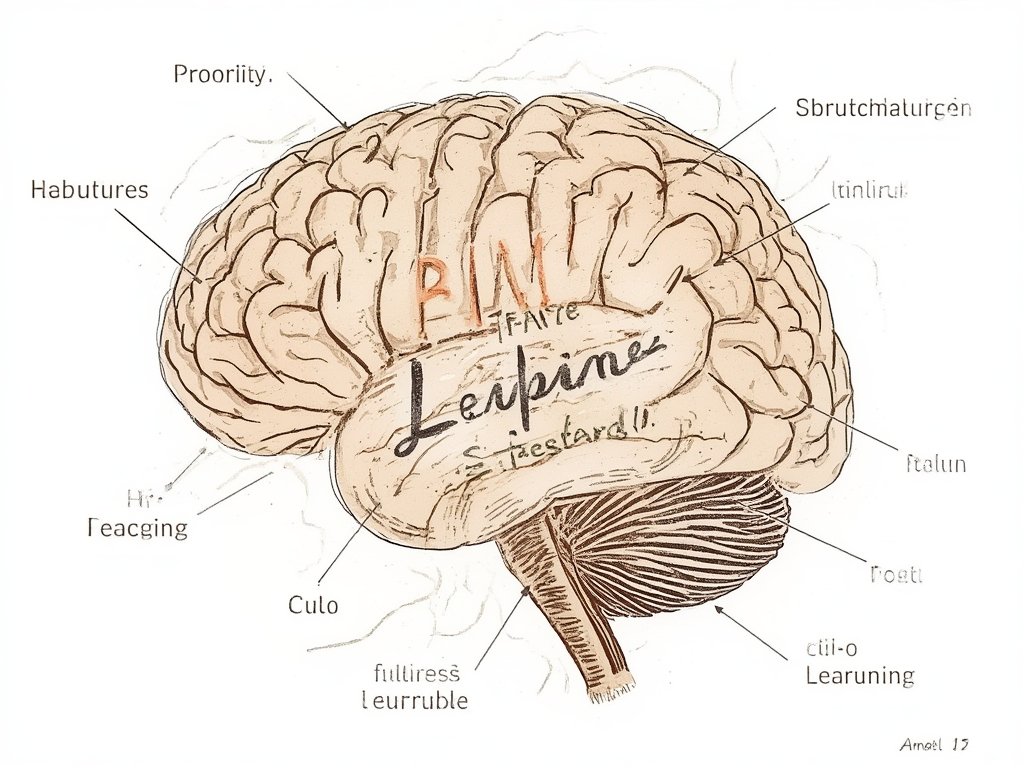
Baby brain stimulation refers to age-appropriate activities and interactions that support and enhance neural connections in an infant’s rapidly developing brain. During the first three years of life, your baby’s brain forms more than one million new neural connections every second – an astounding pace never repeated in life! These connections form the foundation for all future learning, behavior, and health.
Brain stimulation isn’t about flashcards or formal education for babies. Instead, it involves:
- Engaging your baby’s senses through everyday activities
- Creating responsive interactions that follow your baby’s cues
- Providing varied experiences that expose babies to different sights, sounds, textures, and movements
- Establishing secure attachment through consistent, loving care
The beauty of effective baby brain stimulation is that it happens naturally through playful, loving interactions – no special equipment or expertise required!
Why Baby Brain Stimulation Matters for Your Baby’s Development
The first years of life represent a critical window of opportunity for brain development. Research shows that babies who receive appropriate stimulation during this period show benefits including:
- Enhanced cognitive abilities and problem-solving skills
- Better language acquisition and communication
- Improved emotional regulation and social development
- Stronger memory formation
- Greater curiosity and enthusiasm for learning
These advantages don’t just boost academic readiness – they contribute to overall well-being throughout childhood and beyond. Baby brain stimulation builds the neural architecture that supports everything from emotional intelligence to mathematical reasoning.
Perhaps most importantly, positive stimulation helps establish secure attachment between you and your baby, creating a foundation of trust that enables confident exploration of the world.

Embark on an exciting journey through the jungle with our ” Monkeys Coloring Book” designed especially for kids aged 6 to 8 years! Bursting with hilariously entertaining scenes, this captivating coloring book features 50 delightful pages of mischievous monkeys in action.
Each page is expertly illustrated to captivate young imaginations and provide hours of coloring enjoyment. From swinging through the treetops to playing pranks on their jungle friends, these lovable monkeys will bring laughter and joy to every coloring session.
With large print and spacious 8.5 by 11-inch pages, this coloring book is perfect for little hands and ensures easy coloring and maximum fun. Let your child’s creativity run wild as they bring these charming monkey scenes to life with their favorite colors.
Common Myths About Baby Brain Stimulation
Despite growing awareness about early brain development, several misconceptions persist:
Myth #1: More stimulation is always better
Reality: Babies need balance. Overstimulation can cause stress and overwhelm your baby. Follow your child’s cues – if they turn away, get fussy, or seem tired, they need a break.
Myth #2: You need expensive toys or specialized programs
Reality: The best brain-building tools are free: your voice, face, and loving attention. Simple household items often make the best “toys” for exploration.
Myth #3: Early academics create smarter babies
Reality: Pushing academic concepts too early can actually backfire. Young children learn best through play, not formal instruction. Early learning should be joyful, not pressured.
Myth #4: If you miss the early window, it’s too late
Reality: While early experiences are important, the brain remains malleable throughout life. It’s never too late to provide positive, enriching experiences for children.
Essential Items & Supplies for Baby Brain Stimulation
Must-Have Products for Baby Brain Stimulation
The good news is that you don’t need a playroom full of expensive toys to effectively stimulate your baby’s developing brain. These simple items provide rich opportunities for sensory exploration and cognitive growth:
High-contrast black and white books or cards – Newborn vision is still developing, and high-contrast patterns are easier for them to see, helping stimulate visual pathways.
Unbreakable mirror – Babies are fascinated by faces, especially their own! Mirrors promote self-awareness and visual tracking skills.
Rattles and other cause-and-effect toys – Simple toys that make noise when shaken help babies understand that their actions have consequences, a foundational cognitive concept.
Varied texture toys – Items with different textures (smooth, bumpy, soft, crinkly) provide tactile stimulation that develops sensory processing pathways.
Musical instruments or sound makers – Exposure to different sounds and rhythms supports auditory development and may lay groundwork for later music appreciation and language skills.
Remember that the best “tool” for baby brain stimulation is you – your voice, face, and responsive interactions are more valuable than any purchased item.
Optional but Helpful Items
These additional items can enhance your baby brain stimulation toolkit:
- Baby-safe art supplies – Large, non-toxic crayons or finger paints (for older babies) introduce creative expression
- Stackable cups or blocks – Promote spatial awareness and early mathematical concepts
- Baby-friendly music player – Allows exposure to various musical styles and rhythms
- Sensory balls – Different sizes, textures, and weights provide varied tactile experiences
- Simple puzzle boards – Introduce problem-solving concepts for older babies
- Picture books with real photographs – Help babies connect images to real-world objects
These items support early learning by offering diverse sensory experiences while encouraging exploration and discovery.
Budget-Friendly Alternatives
Stimulating your baby’s brain doesn’t require spending money. Consider these free or low-cost alternatives:
- Household percussion – Pots, pans, and wooden spoons make excellent drums and noise-makers
- Homemade sensory bottles – Fill clear plastic bottles with water and safe objects for visual tracking
- DIY texture boards – Glue different fabrics to cardboard for tactile exploration
- Repurposed containers – Clean yogurt cups or food containers work as stacking toys
- Nature items – Pinecones, large leaves (supervised), and smooth stones offer natural textures
- Cardboard boxes – From peek-a-boo games to crawling tunnels, boxes offer endless possibilities
Everyday routines also provide rich opportunities for brain development. Narrate as you fold laundry, count stairs as you climb them, or sing during diaper changes. These moments of connection are powerful brain-builders that cost nothing.
Guide to Baby Brain Stimulation
Preparation Steps
Before diving into specific activities, set yourself up for successful baby brain stimulation with these preparation steps:
Observe your baby’s temperament and cues
Understanding your unique baby helps you tailor activities to their preferences and needs. Some babies enjoy active play with lots of movement, while others prefer quieter interactions.Create a distraction-free environment
Turn off the TV and put away your phone to ensure quality interaction time. Babies learn best through direct human engagement, not screens.Prepare a safe play space
Remove choking hazards and ensure the area is baby-proofed so you can focus on enjoyment rather than constant vigilance.Schedule stimulation during alert periods
Learn your baby’s natural rhythm and plan activities for when they’re naturally alert and receptive to interaction.Gather age-appropriate materials
Have a few simple items ready but avoid overwhelming choices. For young babies, 1-2 items at a time is often sufficient.
Most importantly, prepare yourself mentally. Approach stimulation activities with patience, flexibility, and playfulness rather than treating them as tasks to accomplish.
Implementation Process
Follow these steps to implement effective brain-building activities with your baby:
Start with connection
Begin each activity by making eye contact and speaking warmly to your baby. This establishes the social foundation that makes all learning more effective.Follow your baby’s lead
Watch for signs of interest or disinterest. If your baby turns toward a toy or sound, build on that curiosity. If they look away or fuss, they may need a break or different activity.Narrate what’s happening
Talk to your baby about what you’re doing together. Even young infants benefit from hearing varied vocabulary in context.Introduce novelty gradually
While babies thrive on new experiences, too much novelty can be overwhelming. Balance familiar activities with small new elements.Engage multiple senses when possible
Activities that combine seeing, hearing, and touching create stronger neural connections than single-sense experiences.Allow for exploration
Resist the urge to constantly direct your baby’s interaction with objects. Babies learn through self-directed discovery.End before fatigue sets in
It’s better to finish while your baby is still engaged than to push until they’re fussy. Short, positive interactions build more brain connections than extended, frustrating ones.
Remember that baby brain stimulation isn’t about achievement but about the process of discovery and connection.
Troubleshooting Common Issues
Even the best-planned stimulation activities sometimes encounter challenges:
Problem: Baby seems uninterested or looks away
Solution: Respect this communication. Your baby may need a break, lower intensity, or a different type of interaction. Try again later or modify your approach.
Problem: Baby gets overstimulated and cries
Solution: Reduce stimulation immediately. Dim lights, speak softly, and hold baby close until they calm. Learn to recognize early signs of overstimulation like hiccups, yawning, or frantic movements.
Problem: Hard to fit stimulation activities into busy days
Solution: Incorporate brain-building into existing routines. Sing during diaper changes, describe colors while folding laundry, or count toes during bath time.
Problem: Older siblings want to “help” but are too rough
Solution: Create special “helper” roles for siblings that match their abilities. Even toddlers can fetch soft toys or join in gentle songs.
Problem: Uncertainty about age-appropriate activities
Solution: When in doubt, simpler is usually better. A calm, loving interaction will always be more beneficial than a complex activity that creates stress for either of you.
Top 5 Benefits of Baby Brain Stimulation for Baby & Parents
Developmental & Health Benefits for Baby
Baby brain stimulation offers numerous evidence-backed benefits that support whole-child development:
Enhanced Neural Connectivity
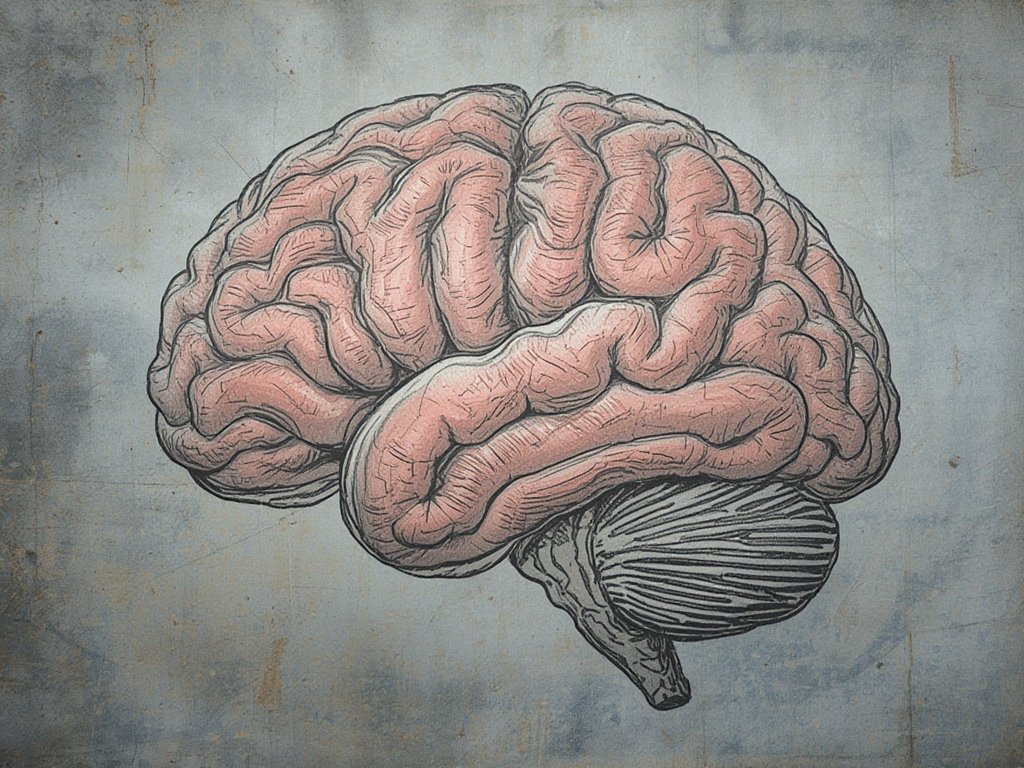
Appropriate stimulation strengthens neural pathways, creating a denser network of connections in the brain. This foundation supports all future learning and cognitive function.Accelerated Language Development
Babies who experience rich verbal interaction—speaking, singing, and reading—typically develop larger vocabularies and more complex language skills earlier than peers.Improved Motor Skill Development
Activities that encourage reaching, grasping, and exploring different textures help refine both gross and fine motor skills, supporting physical development alongside cognitive growth.Stronger Emotional Regulation
Through responsive interactions, babies learn to identify and manage emotions. This early emotional intelligence forms the foundation for mental health and social relationships throughout life.Enhanced Memory Formation
Repeated, positive experiences strengthen memory pathways. When babies can anticipate what comes next in familiar games or routines, they’re exercising crucial memory skills.
These benefits don’t just enhance early learning—they build resilience and adaptive capacity that serve children throughout their lives.
Advantages for Parents
The benefits of intentional baby brain stimulation extend to parents as well:
- Deeper bonding experiences create stronger attachment and emotional connection between parent and child
- Increased parenting confidence develops as you become more attuned to your baby’s cues and preferences
- Reduction in parental stress often occurs when focused play provides a break from other responsibilities
- Greater enjoyment of parenthood results from meaningful interactions that highlight your baby’s developing personality
- Community building opportunities arise when joining parent-baby classes or activities centered around developmental play
Parents who engage in regular stimulation activities often report feeling more competent and satisfied in their parenting role, creating a positive cycle that benefits the entire family.
Long-Term Impact on Family Wellbeing
The effects of early baby brain stimulation ripple throughout family life and into the future:
- Established learning routines that begin in infancy can evolve naturally into family reading time and homework habits as children grow
- Communication patterns developed during early interactions form the foundation for healthy family dialogue in later years
- Problem-solving approaches modeled during simple baby activities influence how children approach challenges throughout life
- Family values around curiosity and growth are implicitly taught through parents’ engagement with their baby’s learning
- Sibling relationships benefit when older children are appropriately included in baby stimulation activities
The investment in brain-building activities during infancy pays dividends in family cohesion and child development for many years to come.
Expert Tips, Alternative Methods & Age-Specific Advice
Tips for Newborns (0-3 Months)
Newborns may seem limited in their interactions, but this period is crucial for baby brain stimulation:
- Face time is prime time: Hold your baby 8-12 inches from your face (their optimal focus distance) and make expressive faces
- Contrast is key: Use black and white patterns or high-contrast images to stimulate developing vision
- Varied positions: Even before tummy time, gently varying your baby’s position helps develop neck strength and spatial awareness
- Skin-to-skin contact: Beyond emotional bonding, touch activates important sensory pathways
- Talk constantly: Narrate what you’re doing, describe what you see, and respond to your baby’s coos to build language foundations
Remember that for newborns, stimulation periods should be brief—often just 5-10 minutes before they need rest or different care.
Adjustments for Older Babies & Toddlers (3+ Months)
As babies grow, their capacity for engagement and early learning expands dramatically:
4-6 Months:
- Introduce simple cause-and-effect toys (buttons that make sounds)
- Begin reading short, colorful board books daily
- Provide safe objects with different textures to grasp
- Incorporate music and gentle movement games
7-9 Months:
- Play peek-a-boo and other object permanence games
- Create safe spaces for crawling exploration
- Name objects and body parts repeatedly
- Demonstrate simple stacking or container play
10-12 Months:
- Encourage imitation of sounds and simple gestures
- Provide opportunities for “help” with simple tasks
- Introduce basic problem-solving toys like shape sorters
- Establish routines that include regular reading time
12+ Months:
- Engage in simple pretend play (pretending to eat, drink, sleep)
- Offer opportunities for safe climbing and larger movement
- Begin simple categorization (big/small, colors, animals)
- Encourage self-feeding as fine motor practice
The key is adjusting complexity while maintaining the core principles of responsiveness, connection, and following your child’s lead.
Alternative Methods & Different Parenting Styles
Various parenting philosophies offer unique approaches to baby brain stimulation:
Montessori Approach:
- Emphasizes prepared environments with simple, natural materials
- Focuses on independence and child-led exploration
- Utilizes low shelves with limited, carefully selected options
- Incorporates practical life activities even for young babies
RIE (Resources for Infant Educarers):
- Stresses respectful communication and uninterrupted play
- Minimizes intervention during baby’s self-directed activities
- Avoids containers (swings, exersaucers) in favor of floor freedom
- Values quality observation over constant interaction
Waldorf Method:
- Prioritizes rhythmic routines and natural materials
- Limits technology in favor of imaginative play
- Incorporates music, movement, and practical activities
- Emphasizes emotional development alongside cognitive growth
These approaches can be adapted and combined to suit your family’s values and your baby’s unique temperament. The common thread among all effective methods is respect for the child’s developmental process and recognition of learning through relationship.
Conclusion
The journey of baby brain stimulation is perhaps one of the most rewarding aspects of early parenting. Through simple, everyday interactions, you’re literally shaping your child’s brain architecture and setting the stage for a lifetime of learning and connection. Remember these key takeaways as you engage in this important work:
First, the most powerful brain-building tools aren’t found in stores—they’re your loving attention, responsive care, and joyful interaction. When you follow your baby’s cues and engage authentically, you’re providing exactly the stimulation their developing brain needs.
Second, effective baby brain stimulation doesn’t require special expertise or complicated activities. Reading a book, singing a song, describing what you see on a walk, or simply making silly faces all contribute to your baby’s cognitive development.
Third, consistency matters more than complexity. Regular, repeated positive interactions build stronger neural pathways than occasional elaborate experiences. Incorporate brain-building into your daily routines rather than treating it as a separate task.
Finally, remember that baby brain stimulation is a two-way street that benefits both of you. The connection you build through these activities strengthens your bond and makes parenting more rewarding.
Trust your instincts, embrace the joy of discovery alongside your child, and give yourself grace in the process. You don’t need to be perfect—you just need to be present and engaged. Your baby’s brain is wired to learn through relationship with you, exactly as you are.
Have you found a simple activity that particularly engages your baby? Share your experience with baby brain stimulation in the comments below! And don’t forget to explore our related articles for more parenting tips to support your early learning journey together.
FAQs
When should I start brain stimulation activities with my newborn?
You can begin appropriate baby brain stimulation from day one! Newborns are already learning through all their senses, particularly through face-to-face interaction, touch, and hearing. In the earliest weeks, focus on gentle stimulation like skin-to-skin contact, soft talking or singing, and holding your baby where they can see your face (about 8-12 inches away is their optimal focus distance).
Keep sessions brief—just a few minutes at a time—and watch for cues that your baby is becoming overstimulated, like looking away, becoming fussy, or hiccupping. Remember that for newborns, even routine care like diaper changes can be valuable stimulation opportunities when you make eye contact and talk through what you’re doing. The foundation of all effective baby brain stimulation is responsive interaction, so simply being attentive to your newborn’s needs and responding consistently is building crucial neural pathways.
How can I tell if I’m overstimulating my baby during brain activities?
Babies communicate clearly when baby brain stimulation becomes overwhelming, though parents often miss these early signals. Watch for these signs of overstimulation: turning the head away, arching the back, closing eyes or avoiding eye contact, increased fussiness or crying, hiccups, yawning, sneezing, or sudden color changes like flushing. More subtle cues include rapid breathing, finger splaying, or frantic movements. If you notice these signals, immediately reduce stimulation by dimming lights, lowering your voice, moving to a quieter environment, or simply holding your baby calmly against your chest.
Different babies have different thresholds for stimulation—some enjoy lively interaction while others prefer gentler approaches. Part of effective baby brain stimulation is learning your unique child’s preferences and limits. Remember that babies need balance between stimulation and processing time, so build in regular periods of calm after more active play to allow their developing nervous systems to integrate new information.
Do baby brain stimulation toys and products really work?
When it comes to baby brain stimulation, specialized products can be helpful but are rarely necessary. Research shows that babies learn most effectively through human interaction rather than from objects alone. That said, certain well-designed toys can support development when used as part of interactive play with caregivers. Look for open-ended items that grow with your child rather than single-purpose electronic toys.
Simple objects like blocks, balls of different textures, stacking cups, and board books typically provide more developmental value than elaborate “educational” products. The effectiveness of any toy depends largely on how it’s used—a simple household item with an engaged parent offers more baby brain stimulation than an expensive electronic toy used as a babysitter.
If you do purchase specialized products, choose those that encourage exploration, problem-solving, and parent-child interaction. Be particularly cautious about screen-based products marketed for infants, as the American Academy of Pediatrics recommends avoiding screen time (except video chatting) for children under 18-24 months.
How many brain stimulation activities should I do with my baby each day?
Quality trumps quantity when it comes to baby brain stimulation. Rather than scheduling a specific number of “activities,” aim to incorporate brain-building interactions naturally throughout your day. Short, frequent periods of engaged interaction (5-15 minutes) spaced throughout the day typically benefit babies more than longer sessions. Young infants especially need balance between stimulation and rest to process new information.
The most effective approach is to transform everyday routines—diaper changes, feeding, bathing, dressing—into opportunities for connection and learning by making eye contact, talking, singing, or introducing gentle play elements. This integrated approach makes baby brain stimulation sustainable for parents while providing the consistency babies need.
Pay attention to your baby’s cues; when they’re alert and engaged, they’re ready to learn, but when they show signs of tiredness or overstimulation, it’s time for a break. Remember that sleep is also crucial for brain development, so balanced days with adequate rest support cognitive growth as much as active stimulation.
Can baby brain stimulation activities help with developmental delays?
Baby brain stimulation can indeed play a significant role in supporting babies with developmental concerns, though it’s important to maintain realistic expectations. For babies with identified delays or at-risk conditions, appropriate stimulation activities may help strengthen neural pathways and maximize developmental potential. Early intervention is particularly effective because of the brain’s heightened plasticity during the first three years.
If you have concerns about your baby’s development, consult with healthcare providers who can recommend targeted stimulation approaches that address specific areas of need. Many early intervention programs teach parents specialized baby brain stimulation techniques tailored to their child’s unique profile. These activities often follow the same principles as typical brain stimulation—responsiveness, multisensory engagement, and following the child’s lead—but with modifications addressing particular challenges.
While stimulation cannot “cure” underlying conditions, it can significantly improve outcomes by building compensatory skills and strengthening areas of challenge. Remember that developmental timelines vary widely among babies, and minor delays often resolve naturally with appropriate support. The most important factor is providing a loving, responsive environment where your baby feels secure enough to explore and learn at their own pace.