This post may contain Affiliate links. If you buy anything via the link, I will earn a small commission without any effect on your payment. Thank you for your support.
Introduction
Have you ever considered how many times your baby’s delicate skin comes in contact with towels? From daily baths to messy mealtimes, towels are essential companions in your parenting journey. But what if these everyday items could be better for both your baby and the planet? As parents become more environmentally conscious, Eco-Friendly Baby Towels are gaining popularity for good reason. These sustainable options offer gentler care for sensitive skin while reducing environmental impact.
In this comprehensive guide, we’ll explore everything you need to know about selecting and using organic baby towels that are safe, sustainable, and perfect for your little one’s needs. Whether you’re a first-time parent or looking to make more environmentally conscious choices, this article will help you navigate the world of sustainable baby care with confidence.

- 80% Cotton and 20% Polyester
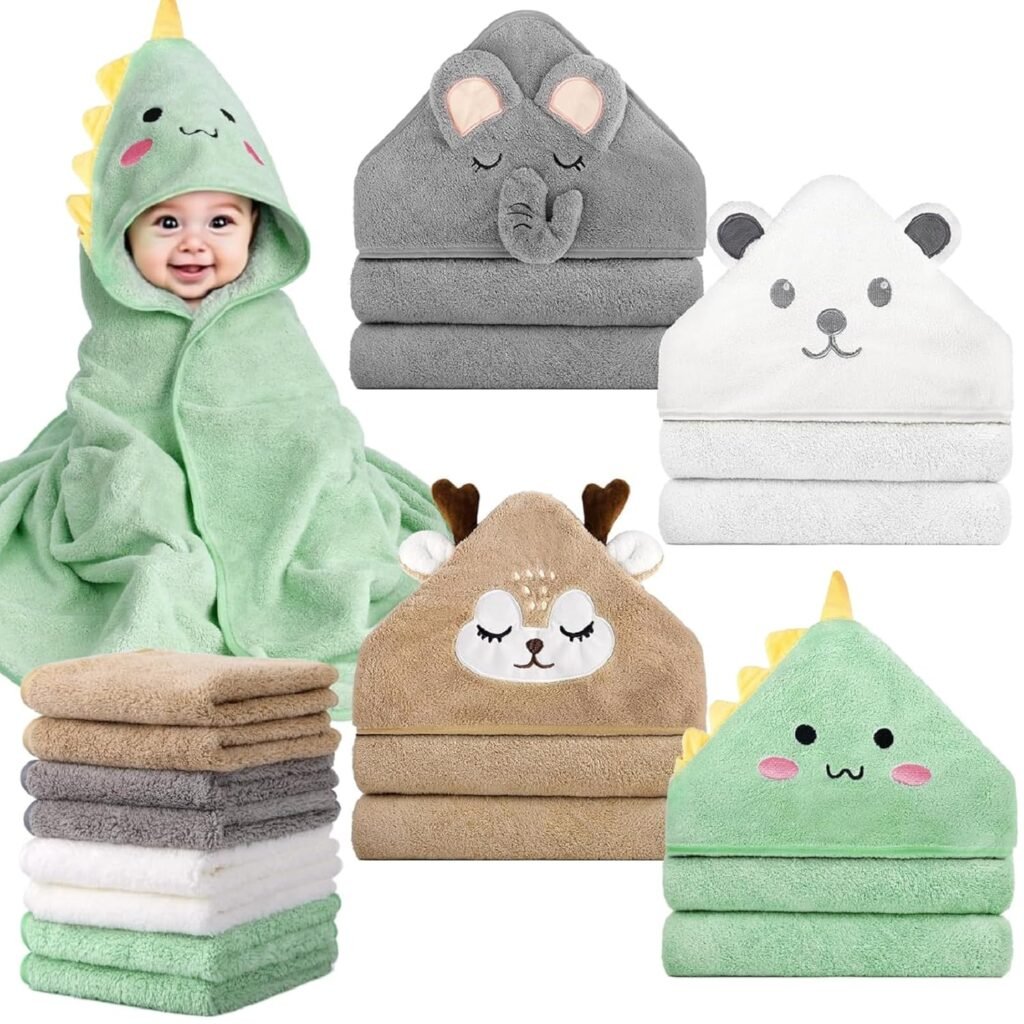
- 【What you will get】8-piece hooded towel baby & washcloth set including baby bath accessories: 6 baby cleaning cloths (24…
- 【Premium material】Our kids bath towels is made of 80% cotton + 20% polyester, lightweight, durable and extremely gentle …
- 【Super absorbent】Our hooded bath towels helps to remove water from your precious ones skin quickly and avoid unnecessary…
- 【Generous size】76 x 76 cm baby towel and 24 x 24 cm baby organic washcloth for boys and girls, suitable for newborns, to…
- 【Machine washable baby towels with hood】Our baby hooded towel uses superb warp knitting technology to make the lines muc…
Understanding Eco-Friendly Baby Towels – What Every Parent Should Know
What Are Eco-Friendly Baby Towels?
Eco-friendly baby towels are bath linens specifically designed for infants and toddlers, manufactured using sustainable materials and processes that minimize environmental impact. Unlike conventional towels, these products are typically made from organic cotton, bamboo, hemp, or other natural fibers grown without synthetic pesticides or fertilizers. The production process avoids harsh chemicals, bleaches, and dyes that can irritate a baby’s sensitive skin and harm ecosystems.
True Eco-Friendly Baby Towels feature:
- Certified organic materials (GOTS, OEKO-TEX, etc.)
- Sustainable farming and harvesting practices
- Low-impact manufacturing processes
- Non-toxic dyes and finishes
- Biodegradable or recyclable packaging
- Fair trade and ethical labor practices
These towels are designed to be both functional for parents and gentle for babies while leaving a smaller carbon footprint throughout their lifecycle.
Why Eco-Friendly Baby Towels Matter for Your Baby’s Development
Babies have skin that’s approximately 20-30% thinner than adult skin, making them far more vulnerable to irritants and toxins. Eco-friendly baby towels support healthy development in several important ways:
Reduced chemical exposure: Conventional towels may contain residual chemicals from farming and manufacturing that can be absorbed through a baby’s skin, potentially contributing to allergies, eczema, or other sensitivities. Organic options eliminate this risk.
Enhanced comfort: Natural fibers tend to be softer and more breathable, providing gentle contact with delicate skin during daily routines.
Temperature regulation: Organic materials like bamboo and cotton have natural temperature-regulating properties that help prevent overheating while keeping baby comfortably warm after bath time.
Absorbency without harshness: Natural fibers can achieve excellent absorbency without the harsh chemicals used in conventional manufacturing, effectively drying baby while respecting their skin barrier.
By choosing organic baby towels, you’re supporting not just environmental health but your baby’s physical development and comfort during a critical period of growth.
Common Myths About Eco-Friendly Baby Towels
Myth 1: They’re not as absorbent as conventional towels
Reality: High-quality eco-friendly baby towels are often more absorbent than their conventional counterparts. Organic cotton and bamboo fibers naturally excel at moisture absorption without chemical treatments.
Myth 2: They’re prohibitively expensive
Reality: While the initial investment may be slightly higher, sustainable towels typically last longer, saving money over time. Additionally, many affordable options now exist as eco-friendly manufacturing becomes more mainstream.
Myth 3: “Natural” and “eco-friendly” mean the same thing
Reality: Not all natural products are eco-friendly. True sustainable towels consider the entire lifecycle impact, from farming to disposal, not just the raw material source.
Myth 4: They require special care
Reality: Most eco-friendly baby towels can be machine washed and dried like conventional towels, though gentler detergents help preserve their benefits and extend their lifespan.
Essential Items & Supplies for Eco-Friendly Baby Towels
Must-Have Products for Eco-Friendly Baby Towels
When building your sustainable baby towel collection, these essentials provide comprehensive coverage for all your baby’s needs:
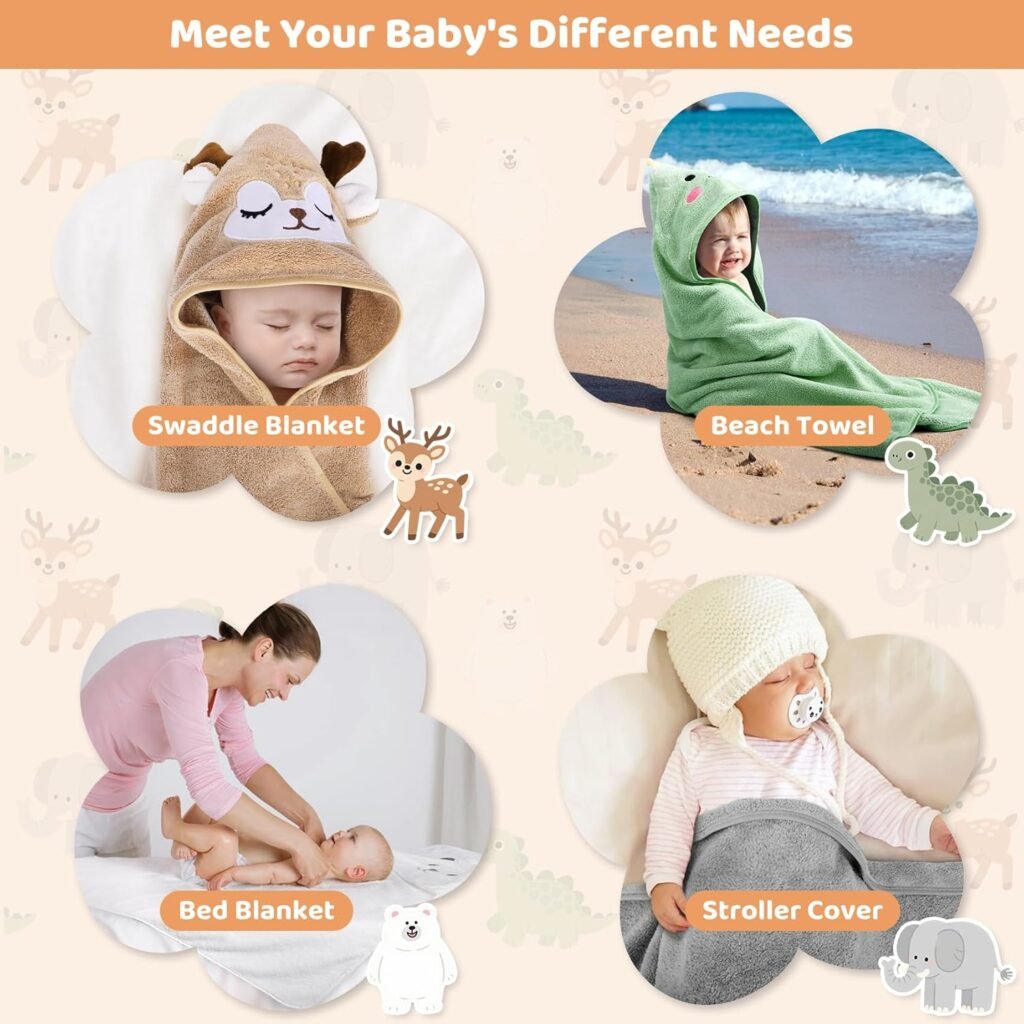
Hooded bath towels: These provide extra warmth for the head and neck after bath time. Look for GOTS-certified organic cotton with generous sizing that will last beyond the infant stage.
Washcloths multipacks: Small, soft cloths designed for gentle cleansing during bathing. Bamboo blends are particularly soft and naturally antibacterial.
Full-size bath sheets: Larger towels that provide full coverage as your baby grows. Hemp-cotton blends offer exceptional durability and absorbency.
Quick-dry hand towels: Smaller towels perfect for diaper changes, spit-ups, and other quick cleanups. Look for fast-drying organic terry cloth options.
Multipurpose burp cloths: These serve double-duty as feeding accessories and mini-towels. Lightweight organic muslin is ideal for this purpose.
When selecting these items, prioritize GOTS (Global Organic Textile Standard) or OEKO-TEX certifications to ensure the products meet rigorous environmental and safety standards.
Optional but Helpful Items
Enhance your eco-friendly baby towels collection with these specialty items:
- Bamboo bath ponchos: Wearable towels that make post-bath transitions easier while keeping baby warm.
- Muslin swaddle towels: Ultra-soft, lightweight options perfect for summer bathing and travel.
- Organic terry cloth mitts: Designed specifically for gently washing baby’s face and body.
- Natural loofah or sea sponge: Sustainable alternatives to synthetic bath sponges.
- Hemp bath mats: Non-slip options for beside the tub that resist mildew naturally.
These items complement your core collection while maintaining your commitment to sustainable materials and manufacturing practices.

- Coral Fleece ( Specific: 87% Polyester, 13% Polyamide )
- [The First to Pioneer Health Concept, Protecting Your Baby’s Growth] Momcozy baby towel for newborn comes with an innova…
- [Luxuriously Thick and Plush, Baby’s Bath Time Buddy] Made of premium coral fleece (specific: 87% polyester, 13% polyami…
- [6X Super Absorbency, Keep Baby Dry and Comfortable] The baby hooded towel (plush coral fleece material) is 6 times more…
- [Generous Wrap for Baby’s Adventurous Play] The large size of 28*55 inches (L x W) can easily wrap around newborn, toddl…
- [A Perfect Gift for Little One ] At the special moment of baby’s birth, hooded baby towel is ideal gift for new parents …
Budget-Friendly Alternatives
Creating an eco-friendly bath routine doesn’t have to break the bank:
- Multi-use items: Choose towels that can serve multiple purposes rather than specialized products for every situation.
- Smaller quantities: Start with 3-4 high-quality organic baby towels rather than a large collection of lesser quality.
- DIY options: Convert old organic cotton sheets or t-shirts into washcloths and burp cloths.
- Second-hand marketplaces: Look for gently used eco-friendly baby towels from family members or specialized online marketplaces.
- Subscription services: Some companies offer rental programs for high-quality organic baby products.
Remember that durability often justifies a slightly higher initial investment, as quality sustainable towels typically outlast conventional options by years.
Guide to Eco-Friendly Baby Towels

Preparation Steps
Before incorporating eco-friendly baby towels into your routine:
Pre-wash all new towels: Wash all new items before first use to remove any manufacturing residues and increase absorbency. Use a mild, eco-friendly detergent free from fragrances and optical brighteners.
Establish a washing routine: Designate a specific laundry basket for baby towels to keep them separate from household linens that might be washed with harsher chemicals.
Choose the right storage: Select a well-ventilated storage area to prevent mildew growth between uses. Consider hanging hooks at a convenient height for wet towels to dry properly.
Stock strategic locations: Place towels not just in the bathroom, but also near feeding areas, changing stations, and in your diaper bag for on-the-go needs.
Learn proper care techniques: Review manufacturer instructions for specific care recommendations to maintain both the towels’ absorbency and their environmental benefits over time.
This preparation ensures your sustainable towels will perform optimally while maintaining their eco-friendly properties.

- Coral Fleece ( Specific: 87% Polyester, 13% Polyamide )
- [The First to Pioneer Health Concept, Protecting Your Baby’s Growth] Momcozy baby towel for newborn comes with an innova…
- [Luxuriously Thick and Plush, Baby’s Bath Time Buddy] Made of premium coral fleece (specific: 87% polyester, 13% polyami…
- [6X Super Absorbency, Keeps Baby Dry and Comfortable] The baby hooded towel (plush coral fleece material) is 6 times mor…
- [Generous Wrap for Baby’s Adventurous Play] The large size of 28*55 inches (L x W) can easily wrap around newborn, toddl…
- [A Perfect Gift for Little One ] At the special moment of baby’s birth, hooded baby towel is ideal gift for new parents …
Implementation Process
Follow these steps to maximize the benefits of eco-friendly baby towels in your daily routine:
Bath time use:
- Have towels ready and within reach before bathing begins
- Pat rather than rub when drying to protect delicate skin
- Focus on drying creases and folds thoroughly to prevent irritation
Daily care rotation:
- Designate specific towels for different uses (bath, feeding, general cleanup)
- Allow towels to fully dry between uses when possible
- Rotate through your collection to extend lifespan
Washing protocol:
- Wash organic baby towels with similar items in warm (not hot) water
- Avoid fabric softeners which can reduce absorbency and add chemicals
- Line-dry when possible to reduce energy consumption and extend towel life
Sustainable disposal:
- Repurpose old baby towels as cleaning rags when they’ve outlived their primary use
- Consider composting 100% natural fiber towels at the end of their lifecycle
- Donate gently used towels to shelters or recycling programs
Following these implementation steps ensures you’ll get the most benefit from your sustainable investment while maintaining your environmental commitment.
Troubleshooting Common Issues
Even with high-quality eco-friendly baby towels, you might encounter these challenges:
Problem: Reduced absorbency over time
Solution: Soak towels in a mixture of white vinegar and water (1:4 ratio) for 30 minutes before washing to remove buildup. Avoid fabric softeners which leave a coating that repels water.
Problem: Stiffness after air-drying
Solution: Add 1/2 cup of white vinegar to the rinse cycle or give towels a quick 5-minute tumble in the dryer after line-drying to soften fibers.
Problem: Persistent odors
Solution: Wash with 1/2 cup of baking soda added to your regular detergent, and ensure towels dry completely between uses. For stubborn odors, sunlight exposure during drying works as a natural disinfectant and deodorizer.
Problem: Fading colors in organic dyed towels
Solution: Wash in cold water, turn towels inside out during washing, and avoid direct sunlight when drying colored organic baby towels.
Problem: Fraying edges
Solution: Repair small tears immediately to prevent spreading, and consider reinforcing edges with a simple stitch if the manufacturer’s warranty doesn’t cover fraying.
Top 5 Benefits of Eco-Friendly Baby Towels for Baby & Parents
Developmental & Health Benefits for Baby
Reduced Allergen Exposure
Eco-friendly baby towels minimize contact with potential irritants like pesticide residues, chemical dyes, and formaldehyde-based finishes commonly found in conventional towels. This reduction helps prevent skin irritation, rashes, and potential respiratory sensitization during a critical developmental period when immune systems are still maturing.Enhanced Skin Barrier Protection
The natural fibers in organic towels work with rather than against your baby’s developing skin barrier. By avoiding harsh chemicals that strip natural oils, these towels help maintain the slightly acidic pH balance that protects against bacterial infections and excessive dryness.Thermoregulation Support
Natural fibers in eco-friendly baby towels adapt to body temperature needs, providing effective warming after baths without overheating. This supports a baby’s developing ability to regulate their own temperature, a critical physiological skill in the first years of life.Gentler Sensory Development
The varied textures and natural feel of organic fibers provide appropriate sensory input during routine care, supporting tactile development without overwhelming sensitive systems. This balanced sensory experience contributes to healthy neurological development.Reduced Toxic Load
By eliminating exposure to potentially harmful substances during daily routines, organic baby towels contribute to a lower overall toxic load during crucial developmental windows when detoxification systems are still maturing.
Advantages for Parents
Using eco-friendly baby towels creates multiple benefits for parents beyond just caring for your baby:
Peace of Mind
Parents can feel confident that routine care activities aren’t exposing their baby to unnecessary chemicals or environmental toxins. This peace of mind reduces anxiety and supports more present, enjoyable caregiving moments.
Durability and Long-Term Value
High-quality organic towels typically outlast conventional alternatives by 2-3 times, meaning fewer replacements, less shopping time, and better long-term value despite a potentially higher initial investment.
Simplification of Routines
When towels are truly multifunctional and durable, parents can streamline their baby care supplies and routines. This reduction in “stuff” translates to less laundry, less storage space needed, and less decision fatigue.
Alignment with Values
For environmentally conscious parents, using eco-friendly baby towels allows daily actions to align with core values, reducing the cognitive dissonance that can occur when practical needs seem to conflict with environmental concerns.
Long-Term Impact on Family Wellbeing
The choice to use eco-friendly baby towels contributes to family wellbeing far beyond infancy:
Environmental Health Connection: Families who make sustainable choices in baby care often extend those choices to other aspects of family life, creating healthier home environments with fewer toxins and chemical exposures.
Financial Wisdom: The buy-less-but-better approach that sustainable products encourage often translates to wiser financial decisions in other family purchases, emphasizing quality and longevity over quantity.
Educational Opportunity: As children grow, these early parental choices become teaching moments about environmental stewardship and conscious consumption, fostering values that can last a lifetime.
Reduced Future Healthcare Concerns: Minimizing early chemical exposures may contribute to reduced allergies, sensitivities, and related health issues as children grow, potentially supporting better long-term family health outcomes.
Expert Tips, Alternative Methods & Age-Specific Advice
Tips for Newborns (0-3 Months)
Newborns require special consideration when using eco-friendly baby towels:
Umbilical cord care: Use only the softest washcloths around the umbilical stump, ensuring they’re clean and completely dry before each use to prevent infection.
Temperature management: Keep two hooded towels ready during bath time—one for immediate wrapping and one for additional drying if needed. Newborns lose heat rapidly when wet.
Minimal friction technique: Pat rather than rub a newborn’s delicate skin. Organic baby towels with higher thread counts provide effective absorption without abrasion.
Frequency considerations: While towels for older babies can be reused a few times before washing, newborn towels should be washed after each use due to their immature immune systems.
Skin condition monitoring: The natural fibers in eco-friendly towels make it easier to notice any changes in your newborn’s skin condition, which can be early indicators of allergies or sensitivities.
Size selection: Opt for smaller, lighter towels that won’t overwhelm a newborn’s tiny frame while still providing adequate coverage and warmth.
Adjustments for Older Babies & Toddlers (3+ Months)
As your baby grows, adapt your eco-friendly baby towels approach:
Increased durability needs: Choose towels with reinforced stitching and edges as babies become more active and may pull or chew on towel corners.
Transition from hooded to regular: Around 12-18 months, many toddlers resist hooded towels, making it a good time to introduce regular bath sheets in playful organic patterns.
Self-drying skills: Select towels with simple designs that encourage toddlers to participate in drying themselves, supporting developing independence.
Activity-specific options: Consider specialized organic baby towels for new activities like swimming lessons or beach outings that require different absorbency levels.
Potty training considerations: Have designated smaller towels specifically for hand washing during toilet learning to reinforce hygiene routines.
Sensory preferences: Be attentive to changing texture preferences as some toddlers develop sensitivities to certain fabrics or weaves during sensory development phases.
Alternative Methods & Different Parenting Styles
Eco-friendly baby towels can adapt to various parenting philosophies:
For Minimalist Parents:
Focus on 2-3 high-quality, multipurpose organic towels rather than specialized items for every scenario. Look for neutral colors and simple designs that grow with your child and complement any bathroom decor.
For Montessori-Inspired Approaches:
Select child-sized towels with simple hanging loops placed at the child’s height to encourage independence and self-care. Create a designated low shelf where toddlers can select and return their own towels.
For Attachment Parenting:
Consider bamboo or extra-soft organic cotton options large enough for parent-child co-bathing. These materials maintain warmth during extended skin-to-skin contact after baths.
For Families Practicing Elimination Communication:
Choose smaller, highly absorbent hemp-cotton blend towels that can be quickly grabbed with one hand while holding baby. These support quick transitions during natural elimination practices.
For Travel-Focused Families:
Invest in quick-drying, compact organic baby towels made from lightweight materials like thin muslin that pack small but perform well in varied environments.
Conclusion
In our journey through the world of eco-friendly baby towels, we’ve discovered how these sustainable options offer far more than just a way to dry your baby after bath time. They represent a thoughtful choice that benefits your baby’s delicate skin, supports their healthy development, and contributes to the environmental legacy we’ll leave for the next generation.
The key takeaways from our exploration include:
Eco-friendly baby towels minimize exposure to harmful chemicals while providing superior comfort and absorbency for your baby’s sensitive skin.
Quality sustainable towels offer better durability and versatility, making them a wise investment despite potentially higher initial costs.
From newborns to toddlers, these towels can adapt to your child’s changing needs while maintaining their environmental benefits.
Different certifications like GOTS and OEKO-TEX help you identify truly sustainable options in a marketplace filled with “greenwashed” products.
Proper care and maintenance of organic baby towels not only extends their lifespan but also preserves their eco-friendly qualities.
As you implement these insights into your daily routines, remember that each small choice adds up to significant impact—both for your baby’s immediate comfort and for the world they’ll inherit. The gentle touch of an eco-friendly baby towel against your child’s skin represents care that extends far beyond the moment.
We encourage you to share your experiences with eco-friendly baby towels in the comments below! What brands have worked best for your family? How have you adapted these sustainable options to your unique parenting journey? Your insights might be exactly what another parent needs to make this positive change.
FAQs
What makes a baby towel truly eco-friendly?
A truly eco-friendly baby towel considers environmental impact at every stage of its lifecycle. This starts with raw materials—organic cotton, bamboo, or hemp grown without synthetic pesticides or fertilizers—and extends to manufacturing processes that minimize water usage, energy consumption, and chemical treatments. Look for recognized certifications like GOTS (Global Organic Textile Standard) or OEKO-TEX, which verify stringent environmental and safety standards. Additionally, sustainable packaging, fair labor practices, and biodegradability at end-of-life complete the eco-friendly profile.
The best eco-friendly baby towels achieve their performance through thoughtful design rather than chemical treatments, offering absorbency and softness through natural fiber properties and weaving techniques rather than synthetic additives. Remember that transparency matters—companies making legitimate sustainability claims typically provide detailed information about their materials sourcing and manufacturing processes.
How do I properly care for organic baby towels to maintain their eco-friendly properties?
To preserve the benefits of your eco-friendly baby towels, wash them before first use to remove any manufacturing residues and increase absorbency. Use biodegradable, plant-based detergents free from optical brighteners, synthetic fragrances, and harsh surfactants. Wash in cold or warm water rather than hot to conserve energy and protect fibers. Skip fabric softeners and dryer sheets, which coat fibers with chemicals that reduce absorbency and add unnecessary substances. Instead, add 1/2 cup of white vinegar to the rinse cycle for softness and odor removal.
Line-dry when possible to extend towel life and save energy; if using a dryer, choose low heat settings. Avoid bleach even with white towels—hydrogen peroxide or sunlight exposure works effectively for stain removal while preserving the integrity of organic fibers. Store towels in well-ventilated areas between uses, and repair small tears immediately to prevent them from expanding. With proper care, quality eco-friendly baby towels should last through multiple children or years of use.
Are eco-friendly baby towels worth the higher price compared to conventional options?
While eco-friendly baby towels often come with a higher initial price tag, their value proposition becomes clear when considering total cost of ownership and broader benefits. Quality sustainable towels typically last 2-3 times longer than conventional alternatives due to stronger fibers and better manufacturing, meaning fewer replacements over time. This durability alone often offsets the higher purchase price. Beyond economics, these towels provide significant health benefits by eliminating your baby’s exposure to residual pesticides, formaldehyde, azo dyes, and other potentially harmful substances found in conventional textiles.
The environmental benefits are equally compelling—organic farming practices build soil health rather than depleting it, use 71% less water on average, and eliminate watershed contamination from synthetic fertilizers and pesticides. Additionally, many parents report that eco-friendly baby towels perform better, offering superior absorbency without chemical treatments and maintaining softness through countless washings. When viewed holistically—considering performance, health benefits, environmental impact, and longevity—sustainable towels represent a worthwhile investment for most families.
How many eco-friendly baby towels do I really need?
The ideal number of eco-friendly baby towels balances convenience with minimizing unnecessary consumption. For most families, a core collection includes: 2-3 hooded bath towels, 6-8 washcloths, 1-2 standard bath towels, and 2-3 hand towels dedicated to baby care. This quantity allows for regular rotation while accounting for laundry schedules and occasional accidents. Newborns typically need more frequent changes due to their sensitive skin and immature immune systems, while older babies and toddlers may require fewer towel changes but larger towel sizes.
Consider your specific circumstances when determining your ideal quantity: laundry accessibility (in-home vs. laundromat), local climate (humid environments require more frequent changes), baby’s skin sensitivity, and your bathing routine frequency. Rather than purchasing everything at once, start with the basics and add specialty items as specific needs arise. Quality eco-friendly baby towels that serve multiple purposes can further reduce the total number needed. Remember that the most sustainable choice is always using what you have fully before purchasing more.
Can eco-friendly baby towels help with my baby’s sensitive skin conditions like eczema?
Many parents report significant improvements in skin conditions when switching to eco-friendly baby towels, particularly for babies with eczema, dermatitis, or general sensitivity. Conventional towels often contain residual chemicals from farming (pesticides, herbicides), manufacturing (formaldehyde, azo dyes, optical brighteners), and finishing treatments that can trigger or exacerbate skin reactions in sensitive individuals. Organic baby towels eliminate these potential irritants while providing gentler physical contact with affected skin.
The natural fibers in sustainable towels—particularly bamboo and organic cotton—offer inherent properties beneficial for sensitive conditions: they’re more breathable (reducing sweat-induced irritation), naturally moisture-wicking (preventing dampness that can worsen eczema), and typically softer without chemical softeners. For maximum benefit with sensitive skin conditions, select undyed eco-friendly baby towels or those colored with plant-based dyes, wash them in fragrance-free detergents formulated for sensitive skin, and pat rather than rub when drying your baby.
While towels alone cannot cure underlying skin conditions, removing potential irritants from daily routines often provides noticeable relief and can be an important component of a comprehensive management approach, alongside appropriate medical care.