This post may contain Affiliate links. If you buy anything via the link, I will earn a small commission without any effect on your payment. Thank you for your support
Introduction
Are you worried about what your baby comes in contact with during playtime? As your little one explores the world through touch and taste, the surfaces they play on matter tremendously. Finding a Non-Toxic Playmat has become a priority for health-conscious parents who want to create a safe environment for their developing babies. With infants spending hours on their play surfaces—rolling, crawling, and sometimes even taking their first steps—ensuring these mats are free from harmful chemicals is essential.
In this comprehensive guide, we’ll explore everything you need to know about selecting, using, and maintaining safe play surfaces for your baby. From understanding what makes a non-toxic playmat truly non-toxic to comparing the best options on the market, you’ll gain the confidence to make the right choice for your little one.
Understanding Non-Toxic Playmat – What Every Parent Should Know
What is a Non-Toxic Playmat?
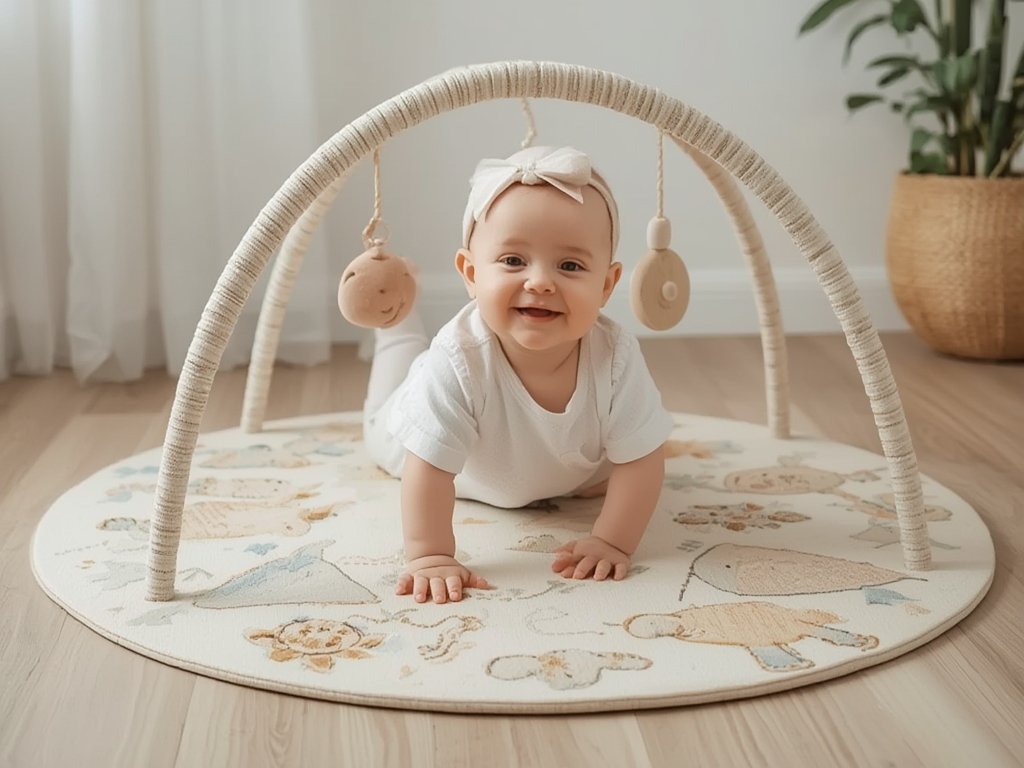
A non-toxic playmat is specifically designed to be free from harmful chemicals like phthalates, BPA, formaldehyde, lead, and flame retardants that are commonly found in conventional foam mats. These safer alternatives are typically made from natural materials like organic cotton, natural rubber, wool, or EVA foam that has been tested and certified free of toxins. Unlike standard play mats that may off-gas volatile organic compounds (VOCs), properly certified non-toxic options prioritize baby’s health by eliminating exposure to potentially harmful substances.
The key characteristics of a true non-toxic playmat include:
- Third-party certifications (OEKO-TEX, GREENGUARD, or Global Organic Textile Standard)
- Transparency about all materials used in manufacturing
- Free from PVC, BPA, phthalates, formaldehyde, and heavy metals
- Low or no VOC emissions
- Naturally antibacterial or easy to sanitize without harsh chemicals

- LARGE & ONE-PIECE – Comparable to a queen mattress in size. No hassle with puzzle pieces. Ideal as a baby mat for floor …
- INNOVATIVE CUSHIONING – An egg dropped from 10ft wouldn’t break. A safe and soft infant play mat for growing babies.
- NONTOXIC & SAFE – Free from phthalate, BPA, lead, latex, formaldehyde, and EVA. Complies with EN71 European Toy Standard…
- WATERPROOF & REVERSIBLE – Wipes clean in seconds. This play mat for babies 6-12 months features a dual-sided design for …
- FREE 2-YEAR WARRANTY – Buy with confidence. Customer satisfaction guaranteed. A premium mat baby floor choice for parent…
Why Non-Toxic Playmats Matter for Your Baby’s Development
Babies spend a significant amount of time on their play surfaces during crucial developmental stages. Research shows that infants are particularly vulnerable to toxins because their bodies are still developing and they have faster metabolic rates, which means they absorb more toxins relative to their body weight than adults.
A non-toxic playmat supports healthy development by:
- Reducing exposure to endocrine-disrupting chemicals that can affect hormonal development
- Eliminating respiratory irritants that might trigger asthma or allergies
- Providing a clean, safe surface for important tummy time activities
- Creating a worry-free environment for babies who constantly touch and mouth surfaces
- Supporting neurological development without interference from neurotoxins
Common Myths About Non-Toxic Playmats
Myth 1: All foam play mats are toxic
While many foam mats contain concerning chemicals, not all foam is created equal. High-quality EVA foam that’s properly tested and certified can be a safe option.
Myth 2: Natural always means non-toxic
Some natural materials may still contain pesticides or be processed with harmful chemicals. Always look for proper certifications rather than just “natural” claims.
Myth 3: Expensive mats are automatically safer
Price doesn’t always correlate with safety. Some affordable options meet strict safety standards while some premium brands may still contain questionable materials.
Myth 4: A small amount of toxins won’t hurt
Babies’ developing systems are especially vulnerable to even low levels of toxins, and effects may be cumulative over time.

- SCANDINAVIAN DESIGN: Inspired by Swedish minimalism and a neutral palette, the Lillefolk playmat blends with your home a…
- PVC, BPA FREE: Made with certified premium quality EVA foam, our playmats are rigorously tested to exceed US Safety stan…
- SOFT AND EASY TO CLEAN: Measuring ½ inch thick, our soft and cozy playmats are perfect for tummy time exercise and learn…
- PREMIUM SAFETY: Comes with large two x two foot interlocking floor tiles. We are the ONLY foam puzzle brand that does no…
- PARENT TO PARENT PROMISE: For Kids, Not Pets – Our playmats are crafted for children’s spaces with safety, durability, a…
Essential Items & Supplies for Non-Toxic Playmats
Must-Have Products for Non-Toxic Playmats
When creating a safe play area, these essential items will help you maximize the benefits of your non-toxic playmat:
- Waterproof cover or liner – Protects the mat from spills and allows for easy cleaning without compromising the non-toxic materials
- Natural cleaning solution – Gentle cleaners made from plant-based ingredients keep the surface sanitary without introducing harmful chemicals
- Storage solution – Proper storage when not in use extends the life of your mat and prevents dust accumulation
- Non-slip rug pad – If using on hardwood or tile floors, this prevents sliding and adds extra cushioning
- Organic cotton play blanket – Provides an additional layer between baby and mat for newborns or for quick clean-up during messy play
An organic baby playmat made from certified materials often comes with its own cover, which simplifies your setup while ensuring everything that touches your baby’s skin is safe.
Optional but Helpful Items
These supplementary products enhance your non-toxic playmat experience:
- Play mat toys with non-toxic finishes – Wooden or organic cotton toys that complement your safe play space
- Play gym attachment – Many organic baby playmat options can be paired with matching wooden play gyms
- Sensory borders – Add texture and interest to mat edges with organic fabric attachments
- Play mat carrying case – For easy transport when traveling or visiting family
- Mat extension pieces – Some modular systems allow you to expand your play area as your baby grows
Budget-Friendly Alternatives
Creating a safe play space doesn’t have to break the bank. Consider these economical options:
- DIY organic cotton play quilt – Make your own with certified organic materials
- Natural wool blanket on carpet – Provides a clean, natural surface at a fraction of the cost
- Cork play tiles – Affordable, sustainable, and naturally antimicrobial
- Second-hand premium non-toxic mats – Quality brands maintain their safety features even when gently used
- Shared purchases – Split the cost of higher-end mats with other parents and rotate usage
Guide to Non-Toxic Playmats
Preparation Steps
Before purchasing a non-toxic playmat, take these important preparation steps:
- Measure your space – Determine the ideal dimensions for your play area
- Assess flooring underneath – Different flooring types may require different mat thicknesses
- Consider your baby’s age – Newborns need different features than mobile infants or toddlers
- Research certifications – Familiarize yourself with key safety certifications (GREENGUARD, OEKO-TEX, etc.)
- Set a realistic budget – Balance safety priorities with financial constraints
Implementation Process
Follow these steps to set up your non-toxic playmat:
- Air out new products – Even non-toxic materials benefit from airing out for 24-48 hours before use
- Clean the floor surface – Ensure the area beneath the mat is free of dust and debris
- Install according to manufacturer instructions – Some mats require specific assembly steps
- Secure edges if needed – For crawling babies, ensure there are no tripping hazards
- Add appropriate toys – Complete the space with age-appropriate, non-toxic toys
- Create a regular cleaning schedule – Establish a routine for maintaining cleanliness

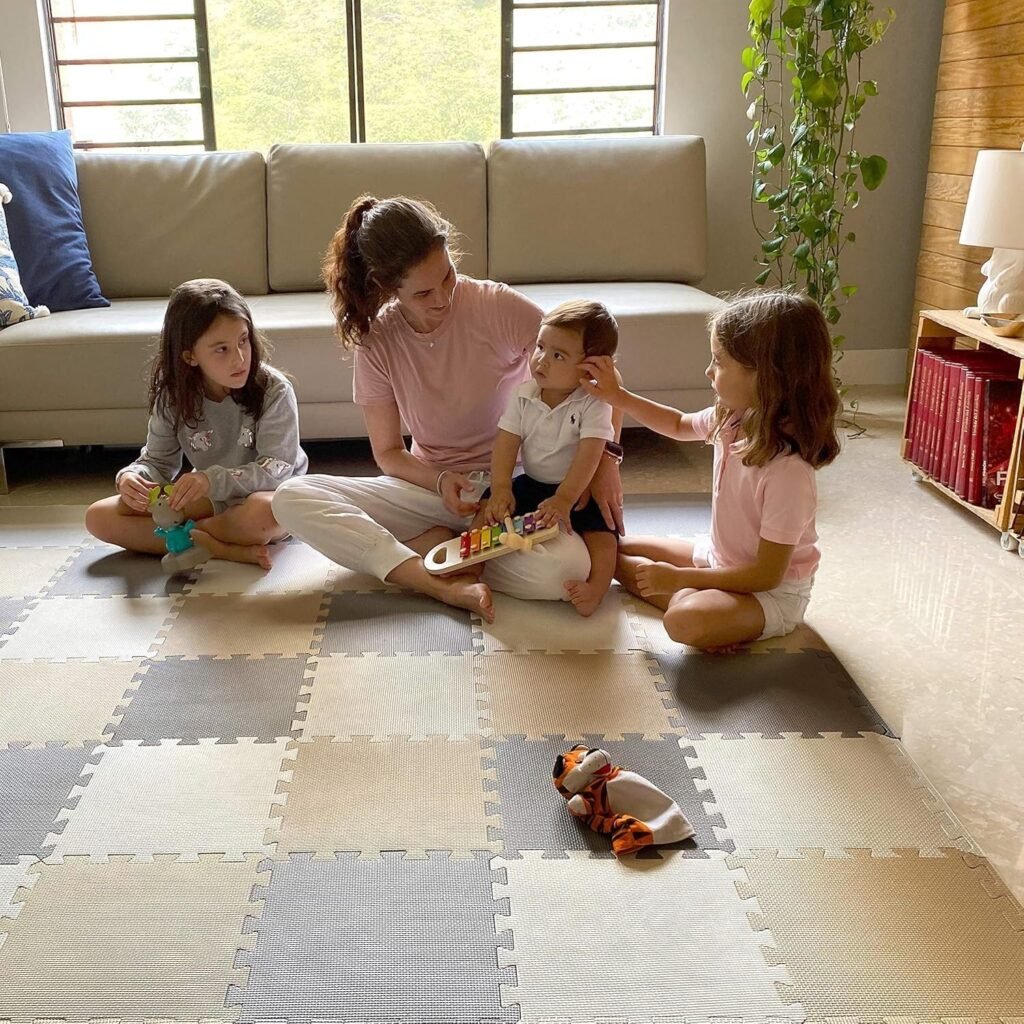
- 🤗 DESIGNED FOR BABIES & KIDS – SAFE PUZZLE PLAY MAT & CRAWLING FLOOR TILES: MioTetto baby play mat creates an ANTI-SLIP …
- 😴 EASY-TO-ASSEMBLE AND STORE: Our 12.4 x 12.4-inch interlocking foam tiles fit securely together, creating a customized …
- 🧐 NON-TOXIC, SOFT & WATERPROOF PLAY MAT: Made from certified and durable EVA foam, this floor mat is 0.4 inches thick fo…
- 😊 STYLISH & ADJUSTABLE PUZZLE MAT – With chic, modern colors, the MioTetto foam floor tiles blend seamlessly into nurser…
- 🎨 BEAUTIFUL COLORS TO MATCH ANY SPACE – This Play mat for babies 0–6 months is a versatile baby mat for floor and foam p…
Troubleshooting Common Issues
Problem: Mat sections separating
Solution: Use connecting tape specifically designed for play mats, or place a large rug underneath to keep sections together.
Problem: Slippery surface
Solution: Some natural materials can be slick; add a thin cotton layer on top or look for mats with textured surfaces.
Problem: Difficult to clean
Solution: Use a mixture of mild soap and water for spot cleaning, or a 1:1 vinegar and water solution for natural disinfecting.
Problem: Mat showing wear too quickly
Solution: Rotate sections regularly to distribute wear evenly and keep the mat out of direct sunlight, which can degrade materials.
Top 5 Benefits of Non-Toxic Playmats for Baby & Parents
Developmental & Health Benefits for Baby
Safe exploration environment – A non-toxic playmat provides a clean, cushioned space for babies to practice important motor skills without exposure to harmful chemicals.
Reduced respiratory irritation – Unlike conventional mats that may off-gas VOCs, non-toxic options minimize indoor air pollution, which is especially important for babies’ developing respiratory systems.
Sensory development support – Many organic baby playmat designs incorporate different textures and colors that stimulate sensory development naturally.
Temperature regulation – Natural materials like wool and organic cotton help regulate temperature, keeping babies comfortable during play.
Allergy prevention – Hypoallergenic materials reduce the risk of developing sensitivities during a critical period when the immune system is still developing.
Advantages for Parents
Parents also benefit significantly from choosing non-toxic playmats:
- Peace of mind – Knowing your baby is playing on a safe surface alleviates worry about chemical exposure
- Durability – Quality non-toxic mats often last longer and maintain their appearance better than conventional alternatives
- Versatility – Many non-toxic options work in multiple rooms and transition well as your child grows
- Aesthetic appeal – Eco-friendly mats typically offer more stylish designs that blend with home decor
- Environmental responsibility – Sustainable materials reduce environmental impact and model responsible choices
Long-Term Impact on Family Wellbeing
The benefits of choosing a non-toxic playmat extend beyond infancy:
- Establishes healthy habits – Beginning with safe play surfaces sets the stage for other healthy choices
- Reduces cumulative chemical exposure – Minimizing toxins early in life may have long-term health benefits
- Creates a healthier home environment – Non-toxic products contribute to better overall indoor air quality for the entire family
- Supports sustainable practices – Many non-toxic products are also environmentally responsible, contributing to a healthier planet for future generations
Expert Tips, Alternative Methods & Age-Specific Advice
Tips for Newborns (0-3 Months)
For the youngest babies, consider these non-toxic playmat recommendations:
- Prioritize softness – Newborns need extra cushioning during tummy time
- Choose organic fabrics – An organic baby playmat with cotton or wool surface is gentle on sensitive newborn skin
- Consider smaller sizes – A modest mat is sufficient since newborns aren’t mobile
- Look for visual contrast – Black and white patterns or high-contrast designs support visual development
- Ensure easy cleaning – Frequent spit-ups mean washability is essential
Adjustments for Older Babies & Toddlers (3+ Months)
As your baby grows, their play mat needs evolve:
- Increase size – Mobile babies need more space to explore
- Add thickness – More cushioning protects during tumbles when learning to sit and stand
- Consider reversible designs – Mats with different patterns on each side can be flipped to stimulate new interest
- Look for interactive features – Textured sections, attachable toys, or activity centers extend playtime
- Transition to modular systems – Puzzle-piece designs can grow with your space requirements
Alternative Methods & Different Parenting Styles
Different approaches to creating safe play spaces include:
Montessori Approach:
- Movement mats that are thin but soft
- Natural materials only
- Simple, uncluttered design without overwhelming patterns
Waldorf Style:
- Wool or cotton mats in muted, natural colors
- Seasonal rotation of textures and materials
- Emphasis on natural fibers and simple design
Minimalist Parenting:
- Multi-purpose mats that work for play and sleep
- Foldable designs that can be stored easily
- Neutral colors that blend with home decor
Conclusion
Choosing a non-toxic playmat is one of the most important safety decisions you’ll make for your baby’s early development. With infants spending countless hours in close contact with their play surfaces—touching, crawling, and sometimes mouthing them—ensuring these materials are free from harmful chemicals provides essential peace of mind.
The key takeaways from our guide include:
- Look for third-party certifications that verify a non-toxic playmat‘s safety claims.
- Consider your baby’s developmental stage when selecting mat features and materials.
- Natural materials like organic cotton, wool, and properly certified EVA foam offer safer alternatives to conventional play mats.
- Regular maintenance and proper cleaning preserve both the safety and longevity of your mat.
- The benefits of non-toxic play surfaces extend beyond baby to the entire family’s wellbeing.
Remember that creating a safe play environment doesn’t have to be overwhelming or prohibitively expensive. Start with the basics—a properly certified non-toxic playmat—and build from there as your baby grows and your needs evolve.
What has been your experience with baby play mats? Share your thoughts and questions in the comments below! And for more comprehensive baby safety guides, explore our related article on baby-proofing essentials.
FAQs
How do I know if a playmat is truly non-toxic?
To ensure you’re getting a genuine non-toxic playmat, look for trusted third-party certifications rather than relying solely on manufacturer claims. The most reliable certifications include GREENGUARD Gold (which tests for over 10,000 chemicals and ensures low VOC emissions), OEKO-TEX Standard 100 (which tests for harmful substances in textiles), and Global Organic Textile Standard (GOTS) for organic materials.
Additionally, reputable companies will transparently list all materials used and explicitly state what harmful substances are absent (BPA, PVC, phthalates, flame retardants, etc.). When researching a non-toxic playmat, also check for any safety recalls or customer reviews reporting strong chemical smells, which can indicate off-gassing. Remember that terms like “eco-friendly” and “natural” are not regulated, so specific certifications and material disclosures are more trustworthy indicators of true safety.
What materials should I avoid when choosing a non-toxic playmat?
When selecting a non-toxic playmat, avoid materials containing PVC (vinyl), which often contains phthalates that can disrupt hormonal development. Steer clear of polyurethane foam, which typically contains flame retardants linked to developmental issues. Avoid mats with antimicrobial treatments containing triclosan or other biocides. Be wary of untested EVA foam, which may contain formamide (a reproductive toxin).
Other concerning materials include synthetic rubber containing styrene-butadiene (SBR), fabrics treated with PFAS water-repellents, and any products with added fragrance, which can contain undisclosed chemicals. Instead, opt for non-toxic playmat options made from 100% organic cotton, natural latex rubber (not synthetic), wool without chemical treatments, cork, or properly certified EVA foam explicitly tested for harmful chemicals. When possible, choose mats manufactured in countries with stricter chemical safety regulations.
How do I properly clean and maintain a non-toxic playmat without compromising its safety?
Maintaining your non-toxic playmat properly preserves both its safety features and longevity. For routine cleaning, use a solution of mild, fragrance-free soap and warm water rather than harsh chemical cleaners that can leave residue. For disinfection, a mixture of equal parts white vinegar and water works well for most mats without introducing toxic chemicals. Always check manufacturer instructions first, as cleaning methods vary by material—cotton covers are typically machine washable, while foam or rubber mats usually require spot cleaning only.
For non-toxic playmat maintenance, rotate the mat or its sections periodically to ensure even wear, keep it out of direct sunlight which can degrade materials over time, and allow it to air dry completely after cleaning to prevent mold growth. For storage, roll rather than fold foam mats to prevent creasing, and store in a breathable bag rather than airtight plastic containers which can trap moisture and promote mildew.
What’s the difference between a regular playmat and an organic baby playmat?
The distinction between conventional playmats and organic baby playmats lies primarily in materials and manufacturing processes. Standard playmats typically contain synthetic foams, plastics, and fabrics that may include PVC, phthalates, formaldehyde, flame retardants, and other chemicals of concern. These conventional mats often prioritize bright colors, low cost, and water resistance over material safety. In contrast, a true non-toxic playmat or organic baby playmat is made from materials grown without pesticides or processed without harmful chemicals.
Organic options typically feature GOTS-certified cotton, OEKO-TEX certified wool, FSC-certified wood, or natural rubber from sustainably harvested sources. While conventional mats may off-gas VOCs, proper organic baby playmats are free from these emissions. The price difference reflects these material distinctions, with organic options generally costing more but providing greater safety assurance during a critical developmental period when babies have extensive direct contact with their play surfaces.
At what age should I invest in a non-toxic playmat, and how long will my baby use it?
A non-toxic playmat is a worthwhile investment from birth through approximately 3 years of age, making it one of the longer-lasting baby items you’ll purchase. The earliest use begins during newborn tummy time sessions (around 2-4 weeks), when babies benefit from a clean, cushioned surface for their limited floor play. The mat becomes increasingly important once babies reach 3-4 months and spend significant time on the floor developing rolling and pre-crawling skills.
Peak usage occurs during the crawling and early walking stages (6-18 months), when a non-toxic playmat provides essential cushioning for falls and a safe boundary for exploration. Even as toddlers become more mobile, they continue using play mats for activities, imaginative play, and as designated safe zones.
Many parents find that quality organic baby playmats transition well to preschool years as homework spaces or reading nooks. When selecting a mat, consider adjustable or modular options that can expand as your child grows, maximizing the value of your investment over these crucial developmental years.