
This post may contain Affiliate links. If you buy anything via the link, I will earn a small commission without any effect on your payment. Thank you for your support.
Introduction
Are you tired of contributing to landfill waste with every diaper change? As parents become more environmentally conscious, biodegradable baby diapers are rapidly gaining popularity among families seeking sustainable alternatives to conventional disposables. These eco-friendly options reduce your carbon footprint while still providing the absorbency and comfort your little one needs.
With the average baby using 6-8 diapers daily – that’s up to 3,000 diapers in their first year alone! – switching to compostable diaper options can make a significant environmental impact. But which brands truly deliver on their eco-promises while keeping your baby dry and comfortable?
This comprehensive guide compares the top 10 biodegradable diaper brands of 2025, exploring materials, performance, price points, and environmental credentials to help you make the best choice for your baby and the planet.
Understanding Biodegradable Baby Diapers – What Every Parent Should Know
What Are Biodegradable Baby Diapers?
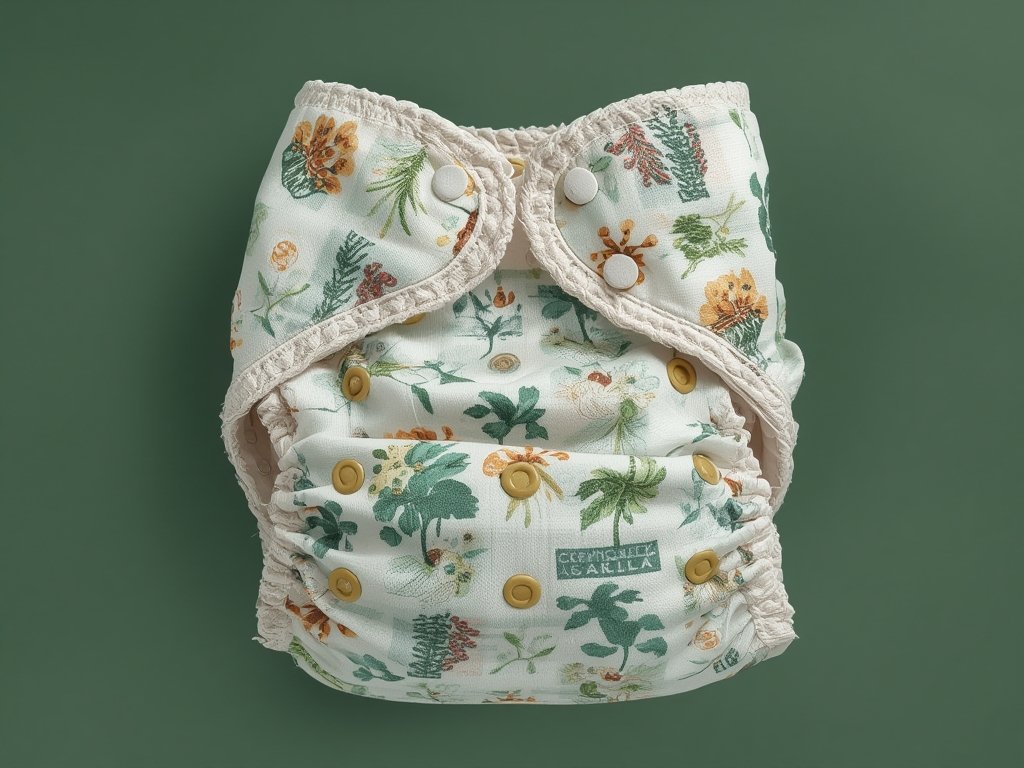
Biodegradable baby diapers are designed to break down naturally in the environment, unlike traditional disposable diapers that can take 500+ years to decompose. These eco-friendly alternatives are typically made from plant-based materials such as bamboo, cotton, wood pulp, and cornstarch-derived plastics. The core distinction is that they contain significantly fewer petroleum-based plastics and harmful chemicals.
Key components usually include:
- Absorbent core made from sustainably-sourced wood pulp
- Plant-based inner and outer layers
- Bioplastic tabs and elastic made from corn or other renewable resources
- Reduced or eliminated chlorine, fragrances, and latex
While standard disposables are about 90% petroleum-based plastic, biodegradable options typically contain 30-70% biodegradable materials, with the most eco-friendly brands reaching 85-95% biodegradable content.

- THE BABY DIAPERS: Minimize leaks, blowouts, and the cause of moisture-related diaper rash. Coterie Diapers can absorb over 16 oz of liquid (based on lab testing of Size 4 Diapers) and provide up to 12 hour leak protection. Ultra-soft, apparel-grade materials offer day and night comfort and protection for baby’s delicate skin.
- THE BABY WIPES: Coterie unscented baby wipes are made with 99% water and 100% plant-based fibers. Each wipe is up to 30% larger than other brands, ultra-soft, and gentle on sensitive skin. Coterie wipes are EWG Verified and have received the National Eczema Association’s Seal of Acceptance.
- DESIGNED FOR NEWBORN + SENSITIVE SKIN: Our sensitive baby wipes and diapers are dermatologist tested, hypoallergenic, and cruelty free; with no added parabens or fragrance.
- MADE WITH CRUELTY FREE, PLANT BASED MATERIALS: Coterie Diapers are made with 25% plant-based materials, while Coterie Wipes are made with 100% plant-based, plastic-free, fibers that are responsibly sourced from sustainably managed forests (with FSC Certification).
- BABY ESSENTIALS: This baby must haves bundle contains 291 diapers and 224 wipes. Included are 198 Diapers Size 1 (8-12 lbs) and 93 Diapers Size N (<10 lbs), plus 224 baby wipes (4 packs of 56 wipes each). Diaper packaging may vary, product is the same.
Why Biodegradable Baby Diapers Matter for Your Baby’s Development
The benefits of biodegradable baby diapers extend beyond environmental considerations. These plant-based alternatives often contain fewer potential irritants and allergens, making them gentler on your baby’s sensitive skin.
Traditional disposable diapers frequently contain:
- Sodium polyacrylate (absorbent gel that can cause irritation)
- Dioxins (chemical byproducts from bleaching processes)
- Phthalates (endocrine-disrupting chemicals)
- Artificial fragrances (common allergens)
By choosing biodegradable options, you’re reducing your baby’s exposure to these chemicals during a critical developmental period when their skin and organs are especially vulnerable. Many parents report fewer diaper rashes and skin irritations after switching to plant-based diapers.
Common Myths About Biodegradable Baby Diapers
Myth 1: They don’t work as well as regular diapers
Reality: Today’s premium biodegradable baby diapers offer comparable absorbency and leak protection to conventional brands. The technology has improved dramatically in recent years.
Myth 2: All biodegradable diapers are compostable
Reality: Not all biodegradable diapers can be home-composted. Many require industrial composting facilities, and some brands are biodegradable only under specific conditions. Always check the manufacturer’s disposal instructions.
Myth 3: They’re significantly more expensive
Reality: While eco-friendly diapers typically cost 15-30% more than conventional brands, the price gap has narrowed considerably. Many brands now offer subscriptions that bring the cost difference down to pennies per diaper.
Myth 4: “Biodegradable” means 100% eco-friendly
Reality: Terms like “eco-friendly,” “green,” and even “biodegradable” aren’t strictly regulated. Some brands make misleading claims while their products still contain significant amounts of non-biodegradable materials.
Essential Items & Supplies for Biodegradable Baby Diapers
Must-Have Products for Biodegradable Baby Diapers
To successfully transition to biodegradable baby diapers, you’ll need several essential items:
Biodegradable Wipes: Complete your eco-friendly diapering routine with plant-based wipes free from synthetic preservatives and fragrances.
Diaper Pail Liners: Choose compostable liners that break down alongside your diapers.
Natural Diaper Cream: Look for zinc oxide-based creams with organic ingredients that won’t interfere with the biodegradability of your diapers.
Wet Bags: For on-the-go diaper changes, a reusable wet bag keeps soiled diapers contained until you get home.
Compostable Disposal Bags: When trash is your only option, use certified compostable bags to contain dirty diapers.
Optional but Helpful Items
These additional products can enhance your eco-friendly diapering experience:
Diaper Sprayer: Though typically used for cloth diapers, a sprayer can help remove solid waste from biodegradable diapers before disposal, improving their ability to break down.
Bamboo Changing Pad: Complete your sustainable setup with a bamboo changing pad featuring organic cotton covers.
Subscription Service: Many compostable diaper options are available through subscription services that deliver regularly, ensuring you never run out.
Diaper Pail with Carbon Filter: Reduces odors naturally without requiring special plastic bags.

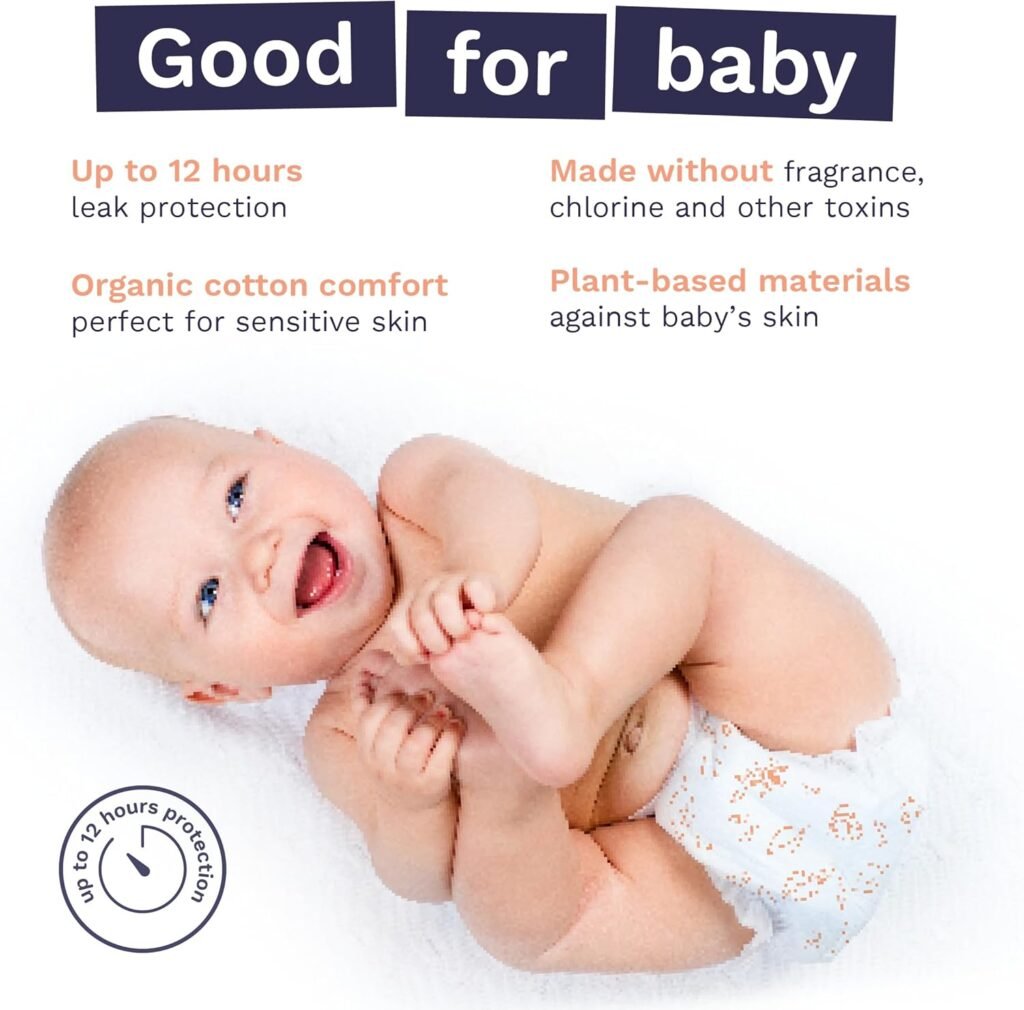
- GOOD FOR BABIES: Totally Chlorine Free (TCF) Super soft & comfy, our diapers are enhanced with organic cotton, perfect for delicate newborn skin. With only plant-based materials against your baby’s bottom, our dermatologically tested, allergy-certified diapers are made without fragrance, chlorine bleaching, lotion, parabens, natural rubber latex & phthalates.
- LEAK FREE: Keeping your little one comfy and dry, our diapers offer up to 12 hours protection from leaks & feature a plant-based waterproof layer with micropores to let your baby’s skin breathe.
- GOOD FOR THE PLANET: Pura’s diapers are manufactured in a carbon neutral plant, powered by green electricity. Where possible, we’ve replaced non-sustainable materials with lower impact materials such as wood pulp from sustainably managed forests in the absorbent core of our diapers. Our packaging is made from paper, so it’s easier to recycle!
- TRUSTED BY PARENTS: Made in the EU to the highest standards, Pura diapers have won multiple awards, voted for by real parents.
- USING BUSINESS FOR GOOD: Pura is a certified B-Corp and a Carbon Neutral business.
Budget-Friendly Alternatives
Making the switch to biodegradable diapers doesn’t have to break the bank:
Hybrid Systems: Some brands offer reusable outer covers with biodegradable inserts, reducing overall costs.
Selective Usage: Use biodegradable baby diapers during the day and more affordable options at night when absorbency is most critical.
Bulk Purchasing: Buy in larger quantities to reduce per-diaper costs, especially through subscription services that offer additional discounts.
Store Brands: Some major retailers now offer their own biodegradable diaper lines at lower price points than premium brands.
Guide to Biodegradable Baby Diapers
Preparation Steps
Before fully transitioning to biodegradable baby diapers, take these preparatory steps:
Research disposal options in your area: Determine whether you have access to industrial composting facilities that accept human waste, as this affects your brand choice.
Start with a small pack: Purchase a small quantity first to test for fit, absorbency, and skin sensitivity before committing to a larger supply.
Evaluate your budget: Calculate the monthly cost difference compared to your current diapers and adjust your budget accordingly.
Create a disposal system: Designate specific bins or containers for your biodegradable diapers based on your disposal method (trash, composting, etc.).
Consider a trial subscription: Many brands offer trial packages or satisfaction guarantees to ensure you find the right fit.
Implementation Process
Follow these steps to successfully implement compostable diaper options into your routine:
Size correctly: Measure your baby’s weight and consult the brand’s sizing chart, as eco-friendly diapers sometimes fit differently than conventional ones.
Check the fit: Ensure a snug fit around the legs and waist to prevent leaks, adjusting tabs as needed.
Monitor changing frequency: Biodegradable diapers may require more frequent changes (every 2-3 hours) than super-absorbent conventional diapers.
Remove solid waste: When possible, flush solid waste down the toilet before disposing of diapers to improve biodegradation and reduce odor.
Follow proper disposal guidelines: Adhere to the manufacturer’s specific instructions for optimal decomposition.
Troubleshooting Common Issues
Even the best biodegradable baby diapers can present challenges. Here’s how to address them:
Leakage Problems:
- Size up if you’re experiencing consistent leaks
- Check that the leg cuffs are properly positioned in the creases of baby’s legs
- Consider using a more absorbent option for overnight or long outings
Skin Irritation:
- Try a different brand with alternative materials
- Ensure complete dryness before applying a new diaper
- Use a natural diaper cream as a protective barrier
Decomposition Issues:
- Separate diaper components (if possible) before composting
- Verify whether your chosen brand requires industrial composting
- Expose diapers to proper conditions (moisture, air, warmth) if home composting
Top 5 Benefits of Biodegradable Baby Diapers for Baby & Parents
Developmental & Health Benefits for Baby
Reduced Chemical Exposure: Biodegradable baby diapers typically contain fewer harsh chemicals, dyes, and fragrances, minimizing the risk of skin irritation and potential long-term health concerns from persistent chemical exposure.
Better Breathability: Natural materials like bamboo and cotton allow for improved air circulation, reducing moisture buildup against baby’s skin and lowering the risk of diaper rash.
Temperature Regulation: Plant-based fibers often provide better temperature regulation than petroleum-based materials, keeping your baby more comfortable in various weather conditions.
Hypoallergenic Properties: Many biodegradable options are naturally hypoallergenic, making them ideal for babies with sensitive skin or allergy predispositions.
Early Environmental Awareness: While your baby won’t notice now, using eco-friendly products from the start helps establish values that may influence their future choices and awareness.
Advantages for Parents
Using biodegradable baby diapers offers several benefits for parents beyond environmental considerations:
Reduced Guilt: Many parents experience “eco-anxiety” about their environmental impact after having children. Sustainable diapering helps alleviate this psychological burden.
Fewer Diaper Rashes: With better breathability and fewer irritants, many parents report dealing with fewer diaper rashes, meaning less discomfort for baby and less stress for you.
Simplified Decision-Making: Once you’ve found your preferred eco-friendly brand, you can feel confident in your choice rather than constantly questioning the health and environmental impacts of conventional options.
Community Connection: The sustainable parenting community offers support, advice, and camaraderie for those making eco-conscious choices.
Long-Term Impact on Family Wellbeing
The choice to use compostable diaper options can have lasting positive effects:
Environmental Legacy: By choosing biodegradable diapers, you’re reducing your family’s carbon footprint and contributing to a healthier planet for your child’s future.
Value Alignment: Living in accordance with your environmental values promotes psychological wellbeing and models consistency for your children.
Financial Planning: While initially more expensive, the disciplined budget management required for premium diapers can improve overall financial habits.
Health Consciousness: Families who choose natural diapers often extend this awareness to other product choices, gradually creating a healthier home environment.
Expert Tips, Alternative Methods & Age-Specific Advice
Tips for Newborns (0-3 Months)
Newborns require special consideration when using biodegradable baby diapers:
Umbilical Cord Consideration: Look for biodegradable options with umbilical cord cutouts or fold down the top until the cord stump falls off.
Frequency: Newborns may need up to 12 diaper changes daily. Have plenty on hand and change promptly to prevent leaks and irritation.
Nighttime Strategy: Newborns often wake for feedings, providing natural opportunities for diaper changes. For longer sleep stretches, consider sizing up or using an overnight-specific biodegradable diaper.
Meconium Management: The first sticky black stools can be challenging to clean. Use plenty of natural wipes or warm water, and consider a liner for the first few days.
Adjustments for Older Babies & Toddlers (3+ Months)
As your baby grows, adapt your approach to biodegradable baby diapers:
Increased Mobility: Look for biodegradable diapers with strong tabs and good elastic to accommodate crawling and walking babies.
Solid Foods Impact: When your baby starts solids, stool becomes more formed and odorous. Some biodegradable brands offer enhanced odor control for this stage.
Potty Training Transition: Several brands now offer biodegradable training pants for toddlers starting potty training.
Overnight Absorbency: As sleep stretches lengthen, you may need to upgrade to more absorbent options or add a biodegradable booster pad.
Alternative Methods & Different Parenting Styles
Biodegradable baby diapers can complement various parenting approaches:
For Montessori/Child-Led Parenting:
- Choose diapers with easy-open tabs that toddlers can eventually manage themselves
- Incorporate diaper changes into learning opportunities about body awareness
- Consider early potty learning with biodegradable diapers as backup
For Minimalist Parenting:
- Opt for subscription services to eliminate shopping time
- Choose brands with simple, sustainable packaging
- Consider hybrid systems that reduce overall waste
For Travel and Outdoors Families:
- Look for compact biodegradable options for on-the-go changes
- Pack compostable diaper options that work well in varying climates and conditions
- Choose brands with individually wrapped diapers for cleanliness during travel
Conclusion
Making the switch to biodegradable baby diapers represents a meaningful step toward reducing your family’s environmental impact while potentially offering health benefits for your little one. The landscape of eco-friendly diapering has evolved dramatically, with today’s options rivaling conventional diapers in performance while significantly reducing plastic waste and chemical exposure.
As we’ve explored, not all biodegradable diapers are created equal. The top brands balance true environmental credentials with absorbency, comfort, and practical considerations like secure fastening and proper fit. Whether you choose to use biodegradable baby diapers exclusively or incorporate them into a flexible routine alongside cloth diapers or conventional options, every sustainable choice makes a difference.
Remember that the perfect diapering solution varies by family, and finding the right compostable diaper options may require some trial and error. Be patient with yourself as you navigate this aspect of eco-friendly parenting, and celebrate the positive impact of each biodegradable diaper that doesn’t end up persisting in a landfill for centuries.
Ready to make a change? Start with a small pack of one of our recommended brands to test fit and performance, then consider a subscription to make sustainable diapering convenient and economical. Your baby’s bottom—and the planet—will thank you!
Pin this comprehensive guide for future reference, and explore our related article on Baby Care Tips: Proven Advice for New Parents (2025) for more eco-friendly parenting insights!
FAQs
How do biodegradable baby diapers compare to cloth diapers for environmental impact?
Both biodegradable baby diapers and cloth diapers offer environmental advantages over conventional disposables, but in different ways. Cloth diapers create less landfill waste overall and can be used for multiple children, maximizing their lifecycle. However, they require significant water and energy for washing, plus detergent use that impacts water systems.
Biodegradable diapers still create waste but break down much faster than conventional diapers—months or years versus centuries. Their production typically involves fewer chemicals and petroleum products. The environmental winner depends largely on specific factors: how you wash cloth diapers (temperature, frequency, dryer use), whether biodegradable diapers are actually composted or just sent to landfill, and the specific brands in question.
Many environmentally conscious parents opt for a hybrid approach, using biodegradable baby diapers when traveling or during busy periods, and cloth diapers when at home. This balanced approach often proves most sustainable and practical for modern families.
Are biodegradable baby diapers actually compostable, and how should they be disposed of?
Not all biodegradable baby diapers are compostable, and disposal methods vary by brand and composition. True compostable diapers can break down completely in industrial composting facilities, but very few are suitable for home composting systems, especially when containing human waste.
For proper disposal:
- Always remove solid waste and flush it down the toilet when possible
- Check if your local industrial composting facility accepts human waste diapers (most don’t)
- If composting isn’t available, biodegradable diapers should still go to regular trash where they’ll break down faster than conventional diapers
- Some specialized diaper composting services now exist in major cities
- Certain brands offer mail-back composting programs for their diapers
Even when biodegradable baby diapers end up in landfill, they typically contain fewer petroleum-based plastics and chemicals than conventional options, making them a better environmental choice. However, biodegradable materials may not break down properly in the oxygen-poor environment of tightly packed landfills.
What materials should I look for in truly biodegradable baby diapers?
The most environmentally sound biodegradable baby diapers contain primarily plant-based materials that can return to nature. Key materials to look for include:
- Bamboo: Highly renewable, naturally antibacterial, and super-absorbent
- Organic Cotton: Free from pesticides and gentle on baby’s skin
- FSC-Certified Wood Pulp: Sustainably harvested wood fiber for the absorbent core
- PLA (Polylactic Acid): Plant-based bioplastic derived from corn, sugarcane, or cassava
- TCF (Totally Chlorine Free) Pulp: Processed without harmful chlorine bleach
- Natural Latex: For elastic components rather than synthetic elastics
Avoid brands that claim to be eco-friendly but still contain:
- SAP (Super Absorbent Polymer) from petroleum sources
- Conventional plastics in the waterproof outer layer
- Synthetic fragrances and lotions
- Petroleum-based adhesives
The most transparent biodegradable baby diapers manufacturers will provide a complete breakdown of materials and their sourcing. Look for third-party certifications like FSC, OEKO-TEX, and biodegradability certifications that verify environmental claims.
How can I tell if biodegradable baby diapers will work for my baby with sensitive skin?
Babies with sensitive skin often do better with biodegradable baby diapers since they typically contain fewer potential irritants than conventional diapers. However, not all natural materials work for every baby. To find the right option:
- Look for diapers labeled “hypoallergenic” with minimal ingredients.
- Check for specific allergen-free claims (no latex, fragrance, or common irritants).
- Start with a small pack before committing to a subscription.
- Consider brands specifically designed for sensitive skin that still maintain biodegradable properties.
- Watch for reactions—redness, rashes, or unusual discomfort—after introducing a new diaper.
If your baby has diagnosed skin conditions like eczema, consult your pediatrician before switching to biodegradable baby diapers. Some babies might react to certain plant-based materials, even natural ones. Bamboo tends to be the least allergenic natural fiber and is often a good starting point.
Keep a diaper journal when testing new brands, noting any skin changes, leak issues, or comfort concerns to identify patterns. Most biodegradable diaper companies offer excellent customer service to help troubleshoot sensitivity issues.
How do I handle biodegradable baby diapers when traveling or sending my child to daycare?
Maintaining your commitment to biodegradable baby diapers during travel or daycare requires some planning:
For Travel:
- Pack slightly more diapers than you think you’ll need as eco-friendly options might be harder to find at your destination
- Bring compostable disposal bags for dirty diapers when proper disposal facilities aren’t available
- Consider brands that offer individually wrapped diapers for cleaner packing
- Research if your destination has composting facilities or eco-friendly diaper services
- For long trips, look into local availability or shipping options for your preferred brand
For Daycare:
- Discuss your preference for biodegradable baby diapers with providers in advance
- Supply clearly labeled diapers and disposal instructions
- Provide a small wetbag or biodegradable bags for dirty diapers to be sent home if the facility can’t dispose of them properly
- Consider sending a small supply of biodegradable wipes that complement your diapering system
- Be flexible—some daycares have specific policies about diaper brands or disposal methods
In both situations, remember that using compostable diaper options even part-time still makes a positive environmental impact. If occasional use of conventional diapers is necessary due to circumstances beyond your control, don’t be discouraged—every sustainable choice counts!