This post may contain Affiliate links. If you buy anything via the link, I will earn a small commission without any effect on your payment. Thank you for your support.
Introduction
Did you know that approximately 3,500 infants die annually from sleep-related causes in the United States? For new parents, creating a safe sleep environment is not just important—it’s critical. baby sleep safety tips can literally save your baby’s life, yet many parents remain uncertain about the latest recommendations.
The first few months of parenthood bring overwhelming joy, but also countless worries, with sleep safety topping the list. Whether you’re expecting, caring for a newborn, or simply wanting to ensure you’re following the most current safe infant sleep guidelines, this comprehensive guide will equip you with everything you need to know.
In this article, you’ll discover expert-backed recommendations, common misconceptions, essential products, and practical strategies to create the safest possible sleep environment for your little one—all based on the latest American Academy of Pediatrics guidelines.
Understanding Baby Sleep Safety Tips – What Every Parent Should Know

What Are Baby Sleep Safety Tips?
Baby sleep safety tips are evidence-based practices designed to reduce the risk of Sudden Infant Death Syndrome (SIDS) and other sleep-related infant deaths. These guidelines, primarily established by the American Academy of Pediatrics (AAP), provide a comprehensive framework for creating the safest possible sleep environment for infants under 12 months of age.
The core principles focus on proper sleep positioning, appropriate sleep surfaces, environmental factors, and monitoring practices. These recommendations have evolved significantly over the past three decades as research has improved our understanding of infant sleep risks. Today’s safe infant sleep guidelines represent the collective expertise of pediatricians, researchers, and public health experts who specialize in infant safety and development.
Why Baby Sleep Safety Tips Matter for Your Baby’s Development
Following proper baby sleep safety tips impacts more than just reducing SIDS risk—they also support healthy development:
- Breathing regulation: Back sleeping positions help babies maintain open airways during sleep.
- Temperature regulation: Proper bedding and room temperature prevent overheating, which is linked to SIDS.
- Brain development: Safe, quality sleep is essential for cognitive development and memory consolidation.
- Physiological growth: During sleep, babies release growth hormones essential for physical development.
- Stress reduction: Safe sleep environments promote better sleep quality, reducing stress hormones that can affect development.
The first year is particularly critical as infant physiology continues to develop rapidly. The protective reflexes and arousal mechanisms that help older children and adults respond to breathing challenges during sleep are still developing in infants, making them especially vulnerable to sleep-related dangers.
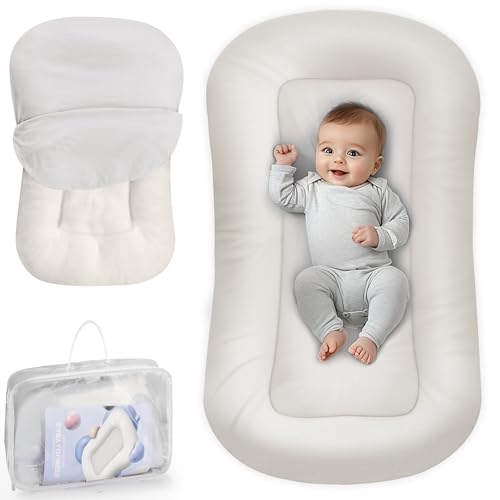
- Certified for Safety and Peace of Mind: Feel confident knowing your baby is safe and secure. This baby lounger is CPC, AAP, and CPSC certified, ensuring that it meets rigorous safety standards. With its thoughtful design, it helps prevent injury during active playtime and supervised use, providing a reliable space for your little one to explore, play, or interact with family
- Gentle on Baby’s Sensitive Skin: Crafted from soft, breathable materials, this baby lounger features a pure cotton cover that promotes airflow and prevents overheating. It creates a comfortable space for your baby, so they can stay comfortable whether they’re playing at home, enjoying family time in the living room, or lounging on the go
- Supporting Your Baby’s Growth and Comfort: This infant lounger features a soft, supportive bumper and 3D polyester fiber filling that gently supports your baby’s back, promoting healthy spinal growth. Whether your little one is tummy time playing, lounging, or learning to sit, the lounger provides gentle, comforting support
- Durable and Easy to Clean for Busy Parents: Designed to stand the test of time, this baby lounger is made with high-quality, durable materials that can handle all of your baby’s movements. Machine washable! Cleanup is a breeze, making it the perfect solution for busy parents looking for a low-maintenance product that lasts
- Perfect Gift for New Parents: A thoughtful and practical gift for any new parent, this baby lounger is ideal for use at home or while traveling. Its lightweight design makes it easy to carry from room to room, or even on trips to the grandparents’ house. Give the gift of comfort, safety, and convenience – a must-have for every new baby
- Just a Friendly Reminder: Create precious moments with your awake little one during playtime, bonding, or story time—this baby nest lounger is designed for supervised awake time, ensuring comfort and safety while keeping your baby close
Common Myths About Baby Sleep Safety Tips
Despite clear safe infant sleep guidelines, numerous misconceptions persist:
Myth 1: Side sleeping is a safe alternative to back sleeping.
Reality: Only back sleeping (supine position) has been proven safe. Side-sleeping increases SIDS risk as babies can roll onto their stomachs.
Myth 2: Soft bedding makes babies more comfortable and sleep better.
Reality: Soft bedding, pillows, and bumpers increase suffocation risk and should never be in the crib.
Myth 3: Babies will choke if they spit up while sleeping on their backs.
Reality: Healthy babies naturally protect their airways. Research shows back-sleeping actually reduces choking risk.
Myth 4: Sleep positioners and wedges prevent SIDS.
Reality: These products are not recommended and may increase suffocation risk.
Myth 5: Bed-sharing is safe if parents don’t smoke or drink.
Reality: The AAP recommends room-sharing but not bed-sharing, as adult beds pose multiple hazards to infants.
Essential Items & Supplies for Baby Sleep Safety Tips
Must-Have Products for Baby Sleep Safety Tips
Creating a safe sleep environment requires specific essential products that align with current baby sleep safety tips:
Firm, flat sleep surface: Select a crib, bassinet, or play yard that meets current safety standards with a tight-fitting mattress designed for that specific product.
Fitted sheet: Use only the manufacturer’s recommended sheet that fits snugly without bunching or pulling away from mattress corners.
Sleep sack or wearable blanket: These eliminate the need for loose blankets while keeping baby warm.
Room thermometer: Helps maintain the optimal sleep temperature (68-72°F/20-22.5°C).
Baby monitor: Audio or video monitors allow parents to check on baby without disturbing sleep.
Each of these items plays a crucial role in maintaining a safe sleep environment, working together to reduce suffocation, overheating, and entrapment risks.
- 100% Polyester
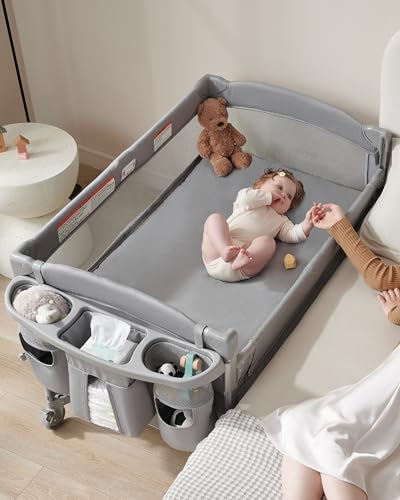
- 【RETRACTABLE SIDE|ZIPPER SCURED BEDSIDE SLEEPE】 AirClub baby 4 in 1 bedside sleeper has a retractable side that can be UP/DOWN to provide direct access to your baby for middle-of-the-night feeding, comforting, and diaper changing, ideal for mum has C-section. The second layer crib is secured by a zipper, making sure the second layer won’t collapse to one side. It provides more comfortable and safer sleeping experience for baby.
- 【UPGRADE 4 IN 1 |BEDSIDE SLEEPER+CHANGING TABLE+BASSINET+PLAYARD】AirClub baby 4 in 1 bassinet bedside sleeper boasts all-in-one genius features. Bedside crib function can provide baby with the needed comfort and comfortable sleep; Portable changing table make changing diapers become more comfortable and easier for new born family; Bassinet and playard function can provide a safe place for baby to sleep and play.
- By lowering the retractable side of AirClub baby bassinets bedside sleeper, it can be switched from a baby crib to a bedside sleeper. It can be used as a baby bassinet or bedside sleeper attached to the adult bed. In the bassinet mode, your baby is safe and surrounded by breathable mesh fabric, you can do something else at ease. With the zipper design on the side, you can change to bedside sleeper mode freely and easily nurse or feed your baby during the night, comforting and bonding.
- AirClub baby bassinets bedside sleeper comes with a foldable pad of medium hardness, which is ideal for the baby’s back and keep them safe. Newborn baby lack the motor control needed to turn over, and sleeping on a too soft pad might result in suffocation. MATTRESS NOT INCLUDED.
- AirClub bedside bassinet for baby provides a portable changing table for baby w/safety belt (babies <25in/<15lb). Portable changing table provide a soft surface to change diapers, also make diaper changes more comfortable. Diaper changing station is of a good height for parents to stand at without having to hunch down or twist to do so. Diaper changing table with safety belt provide an extra layer of security because it prevent baby to roll away.
Optional but Helpful Items
While not essential, these items can enhance safety and convenience:
- Breathable crib mattress: Provides additional airflow if baby rolls onto stomach.
- Smart baby monitors: Track breathing and movement patterns, offering extra reassurance.
- Room-darkening curtains: Help establish healthy sleep cycles.
- White noise machine: Masks household sounds that might disturb sleep.
- Pacifier: Studies show pacifier use at sleep time may reduce SIDS risk (introduce after breastfeeding is established).
These supplementary products don’t replace core safe infant sleep guidelines but can add convenience and peace of mind for many parents.
Budget-Friendly Alternatives
Safe sleep doesn’t have to break the bank. Consider these cost-effective options:
| Premium Option | Budget-Friendly Alternative |
|---|---|
| Designer crib ($300-1,000) | Simple JPMA-certified crib ($100-200) |
| Organic crib mattress ($200-400) | Basic firm crib mattress ($50-100) |
| High-tech baby monitor ($150-300) | Basic audio monitor ($20-50) |
| Merino wool sleep sacks ($70-100) | Cotton sleep sacks ($15-30) |
| Smart thermometer ($50-80) | Basic room thermometer ($10-20) |
Remember: Safety is about following proper guidelines, not purchasing the most expensive products. Many safety-certified budget options provide the same protection as premium alternatives.
Guide to Baby Sleep Safety Tips

- SAFER SLEEP WITH SMARTER TECH: Advanced AI detects covered faces and rollovers, alerting parents instantly. Plus, track your baby’s growth and height automatically—no extra accessories needed!
- MONITOR BABY DAY & NIGHT: Enjoy ultra-sharp 2.5K QHD video and crystal-clear night vision to see your baby in all conditions. The built-in night light lets parents check on baby without disruption.
- IMPROVE BABY’S SLEEP QUALITY: Get detailed sleep reports on duration, wake times, and caregiver interactions. Automatically play scheduled lullabies and white noise when baby is detected in the crib.
- KNOW BABY IS ALWAYS DOING WELL: Track your baby’s growth and daily activities, review sleep patterns with key moment tagging using the 72-hour video playback, and share special moments with up to 8 family members on the Moments Wall.
- YOUR DATA SECURED, PSTI CERTIFIED: Connects to your secure home Wi-Fi network (WPA/WPA2) for stable streaming. We recommend a modern router with at least 5 Mbps for optimal performance.
- WHAT’S INCLUDED: CuboAi Monitor 3, floor stand and mobile stand. 1-Year Warranty and in-app customer support service in multiple languages.
Preparation Steps
Before implementing baby sleep safety tips, take these important preparation steps:
Select an appropriate sleep space: Choose a crib, bassinet, or play yard that meets current safety standards (look for JPMA certification).
Prepare the sleep surface properly:
- Install a firm, flat mattress specifically designed for your chosen sleep space
- Ensure the mattress fits snugly with no gaps exceeding two fingers’ width between mattress and sides
- Cover only with a fitted sheet designed for that specific product
Remove all hazards from the sleep area:
- No pillows, quilts, comforters, sheepskins, or blankets
- No toys, stuffed animals, or decorative items
- No crib bumpers (even “breathable” ones)
- No positioning devices or wedges
Set up the room environment:
- Position crib away from windows, blinds, cords, and heaters
- Maintain room temperature between 68-72°F (20-22.5°C)
- Ensure smoke detectors are working properly
Educate all caregivers: Make sure anyone who may put your baby down for sleep (grandparents, babysitters, daycare providers) understands and will follow these safe infant sleep guidelines.
Implementation Process
Follow these steps to implement baby sleep safety tips consistently:
Always place baby on back to sleep: For every sleep period, including naps and nighttime:
- Place baby fully on back, not propped on side
- Ensure head and face remain uncovered
- Position feet near foot of crib (“feet to foot” position)
Dress baby appropriately:
- Use sleep sacks/wearable blankets instead of loose blankets
- Dress in one more layer than you would wear for that room temperature
- Avoid overheating—check for sweating, flushed cheeks, or rapid breathing
Share room but not bed:
- Place baby’s crib, bassinet or play yard in parents’ room for at least first 6 months, ideally 12 months
- Never place baby to sleep on soft surfaces like couches, armchairs, or adult beds
- If feeling drowsy while feeding, move baby to separate sleep surface before you might fall asleep
Offer pacifier at sleep times (if desired):
- Wait until breastfeeding is well-established (usually 3-4 weeks)
- Don’t force if baby refuses
- No need to reinsert if it falls out during sleep
Monitor baby during sleep:
- Use baby monitors if needed
- Check on baby periodically without disrupting sleep
- Be alert to any changes in breathing patterns
Troubleshooting Common Issues
Even when following baby sleep safety tips, parents may encounter these common challenges:
Problem: Baby rolls onto stomach during sleep
Solution: Once babies can roll both ways (typically around 4-6 months), you don’t need to reposition them. Continue placing them on their back to start sleep, but allow them to find their preferred position. Ensure the sleep environment remains clear of all hazards.
Problem: Baby seems cold without blankets
Solution: Use sleep sacks or wearable blankets instead of loose blankets. Layer appropriately with footed pajamas underneath if needed. Remember, cool rooms (68-72°F) actually promote better sleep.
Problem: Baby only falls asleep while being held
Solution: Place baby in crib when drowsy but not fully asleep to help them learn to fall asleep in their safe space. Establish consistent bedtime routines that end with baby in their crib. Consider consulting a pediatric sleep specialist if difficulties persist.
Problem: Baby startles easily and wakes up
Solution: Swaddling can help younger babies who haven’t started rolling (typically under 2 months). Transition to a sleep sack once rolling begins. White noise machines can also reduce startle responses to environmental sounds.
Top 5 Benefits of Baby Sleep Safety Tips for Baby & Parents
Developmental & Health Benefits for Baby
Following baby sleep safety tips provides these critical benefits:
Reduced SIDS risk: Following AAP guidelines has decreased SIDS rates by over 50% since the “Back to Sleep” campaign began in 1994.
Improved respiratory health: Back sleeping promotes better breathing patterns and reduces risks of airway obstruction during critical developmental periods.
Better temperature regulation: Appropriate sleep clothing and room temperature prevent dangerous overheating, helping babies maintain optimal body temperature.
Enhanced neurological development: Safe, quality sleep supports brain development, memory consolidation, and cognitive processing—all critical during the rapid brain growth of the first year.
Healthier sleep patterns: Consistent safe sleep practices help establish predictable sleep cycles, which contribute to better overall health and developmental outcomes.
Advantages for Parents
Parents also benefit significantly from implementing proper safe infant sleep guidelines:
Peace of mind: Knowing you’ve created the safest possible sleep environment reduces anxiety and stress about sleep-related risks.
Better parental sleep quality: Room-sharing (without bed-sharing) allows for easier monitoring and feeding while still maintaining safety, often resulting in more restful sleep for parents.
Reduced decision fatigue: Having clear guidelines eliminates the stress of constantly questioning sleep decisions or researching contradictory advice.
Consistent caregiving: When all caregivers follow the same safety standards, parents can relax knowing their baby is sleeping safely even when they’re not present.
Financial efficiency: Understanding what’s truly necessary for safe sleep helps parents avoid wasting money on unnecessary or even potentially dangerous products marketed as “sleep solutions.”
Long-Term Impact on Family Wellbeing
The benefits of implementing baby sleep safety tips extend far beyond infancy:
Established sleep foundations: Safe sleep practices often lead to healthier sleep habits throughout childhood, benefiting the entire family’s sleep quality long-term.
Reduced parental anxiety: The confidence gained from successfully implementing safety practices often transfers to other parenting domains.
Prevention of sleep-related developmental issues: By ensuring safe, quality sleep during infancy, parents help prevent cognitive and behavioral issues associated with poor sleep.
Family resilience: The shared commitment to baby’s safety strengthens family bonds and establishes patterns of prioritizing health and safety in family decision-making.
Conclusion
Creating a safe sleep environment is one of the most important responsibilities of caring for an infant. The baby sleep safety tips outlined in this guide represent the collective wisdom of pediatric experts who have studied infant sleep patterns and risks extensively. By following these evidence-based recommendations, you’re taking concrete steps to protect your baby during their most vulnerable period.
Remember these key takeaways:
- Always place babies on their backs to sleep on a firm, flat surface
- Keep the sleep area free of blankets, pillows, toys, and other soft items
- Share your room (not your bed) with your baby for at least the first six months
- Maintain appropriate room temperature and dress baby safely for sleep
- Educate all caregivers about proper baby sleep safety tips
The peace of mind that comes from knowing you’ve created the safest possible sleep environment is invaluable. While the first year of parenthood brings countless worries, implementing these safe infant sleep guidelines allows you to rest easier knowing you’re providing the best protection possible for your precious little one.
Have you implemented these baby sleep safety tips in your home? Share your experience in the comments below! And for more comprehensive parenting guidance, explore our related article on baby care tips for new parents.
FAQs About Baby Sleep Safety Tips
When can I start using a blanket in my baby’s crib?
The AAP recommends waiting until your child is at least 12 months old before introducing blankets or other loose bedding. During the first year, baby sleep safety tips emphasize using sleep sacks or wearable blankets instead of loose blankets to reduce suffocation and overheating risks. After 12 months, when babies have developed better motor skills and can move more freely, the risk of SIDS and suffocation decreases significantly.
When introducing a blanket, choose a small, lightweight, breathable option, and ensure it stays below chest level. Continue monitoring your toddler’s sleep environment even after their first birthday, as some children may still get tangled in or covered by blankets. Remember, each developmental milestone happens at different times for different children, so always prioritize safety over strict age guidelines.
Is it safe to let my baby sleep in a swing, car seat, or bouncer?
No, these devices are not safe for routine or unsupervised sleep according to current baby sleep safety tips. While car seats are essential for travel safety, swings, bouncers, and even car seats can pose serious risks when used for sleep outside of their intended purpose. The semi-reclined position can cause a baby’s head to fall forward, potentially restricting their airway.
This “positional asphyxiation” risk is particularly concerning as babies don’t have the neck strength to reposition themselves. Additionally, the soft padding and inclined surface of these devices don’t meet the firm, flat surface requirement of safe infant sleep guidelines. If your baby falls asleep in a car seat during travel, monitor them closely. Upon reaching your destination, transfer them to a proper sleep surface as soon as possible, even if it means waking them.
How can I safely keep my baby warm at night without using blankets?
Following baby sleep safety tips means avoiding loose blankets, but there are several safe alternatives to keep your baby comfortably warm. Sleep sacks or wearable blankets provide warmth without the suffocation risks of loose bedding. Layer appropriately based on room temperature—typically, babies need just one more layer than adults would wear in the same environment. Footed pajamas under a sleep sack work well in cooler rooms.
Maintain the nursery temperature between 68-72°F (20-22.5°C), which is optimal for infant sleep. Check for overheating signs: sweating, flushed cheeks, rapid breathing, or feeling hot to the touch. Remember, cooler temperatures actually promote better sleep, and overheating is a SIDS risk factor. For premature babies or those with medical conditions, consult your pediatrician for specific temperature recommendations that align with safe infant sleep guidelines.
What should I do if my baby will only sleep on their stomach?
This is a common concern for many parents implementing baby sleep safety tips. Always start by placing your baby on their back to sleep, regardless of their preferences. For babies who haven’t yet learned to roll (typically under 4-5 months), continue repositioning them onto their backs if they roll over. Try these strategies to encourage back sleeping: use a pacifier, which has been shown to reduce SIDS risk; establish a consistent bedtime routine ending with back placement; ensure the mattress is firm and comfortable with a well-fitted sheet; try white noise to help soothe without position changes.
If your baby is consistently rolling to their stomach and can roll in both directions (usually around 4-6 months), you don’t need to constantly reposition them. At this stage, their risk decreases as they have developed the strength to reposition themselves if needed. Always maintain a clear crib following safe infant sleep guidelines, especially when babies start rolling.
How long should my baby sleep in my room?
The AAP’s baby sleep safety tips recommend room-sharing (not bed-sharing) for at least the first 6 months, and ideally the first 12 months of life. This practice has been shown to reduce the risk of SIDS by up to 50%. Room-sharing allows you to monitor your baby’s breathing, regulate room temperature appropriately, and respond quickly to their needs, while still maintaining a separate, safe sleep surface.
Place the crib, bassinet, or play yard near your bed but on a separate surface that meets current safety standards. Some families find extended room-sharing challenging for various reasons, including parental sleep quality or space limitations. If you’re considering transitioning your baby to their own room before 12 months, discuss this with your pediatrician who can help evaluate your specific situation while still prioritizing safe infant sleep guidelines. Always maintain other safety practices regardless of where your baby sleeps: back positioning, firm sleep surface, keeping the crib clear of hazards, and appropriate temperature control.