
This post may contain Affiliate links. If you buy anything via the link, I will earn a small commission without any effect on your payment. Thank you for your support.
Introduction
Are you worried about what’s actually in those baby products you’re using on your newborn? You’re not alone. With over 80% of conventional baby products containing potentially harmful chemicals, more parents are turning to natural alternatives for peace of mind. Choosing natural baby care items isn’t just a trend—it’s a thoughtful approach to protecting your baby’s delicate skin and developing systems from harsh ingredients.
In this comprehensive guide, we’ll explore everything you need to know about natural baby care items, from understanding what makes a product truly natural to creating a complete non-toxic nursery. You’ll discover the essential products worth investing in, how to identify truly safe options, and practical tips for implementing a natural care routine that works for your family.
Understanding Natural Baby Care Items – What Every Parent Should Know
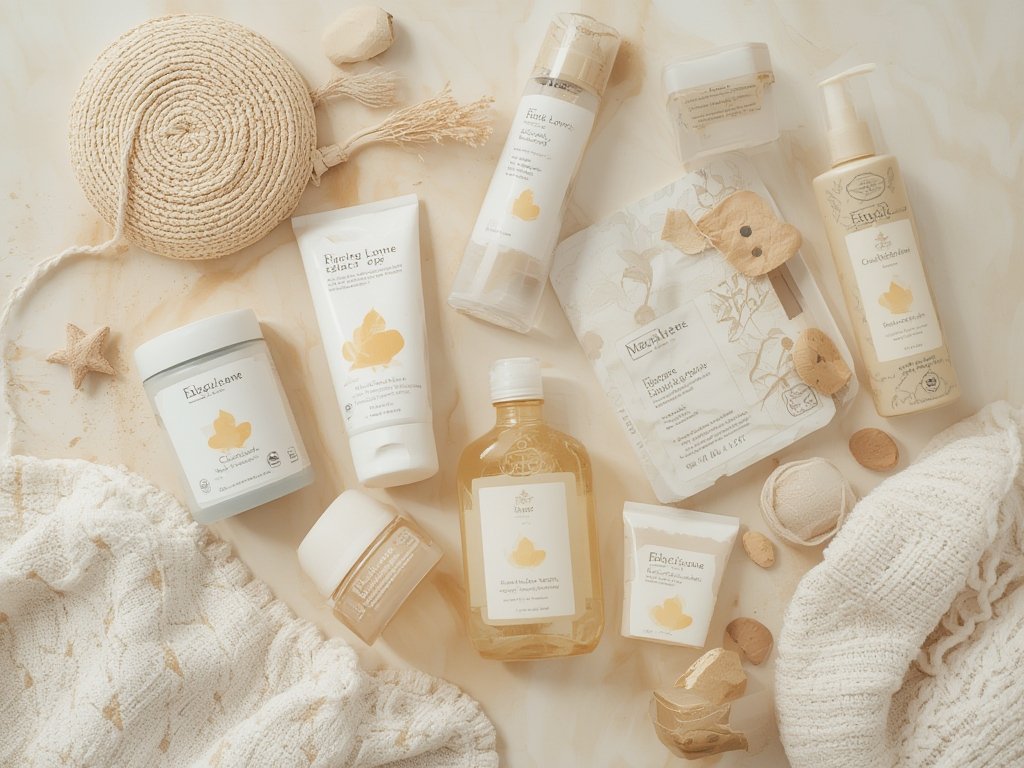
What Are Natural Baby Care Items?
Natural baby care items are products formulated without synthetic chemicals, artificial fragrances, preservatives, or other potentially harmful ingredients. Instead, they contain plant-based, organic, or minimally processed ingredients that are gentle on a baby’s delicate skin and developing systems. These products typically avoid parabens, phthalates, synthetic dyes, petroleum derivatives, and other chemicals of concern that are commonly found in conventional baby products.
The distinction goes beyond just ingredients—truly natural products often embrace sustainable packaging, ethical manufacturing, and environmentally friendly practices. For parents concerned about both their baby’s health and environmental impact, natural baby care items represent a holistic approach to infant care.
Why Natural Baby Care Items Matter for Your Baby’s Development
A newborn’s skin is approximately 30% thinner than adult skin, making it far more permeable and sensitive to everything that touches it. This increased permeability means that ingredients in baby products can more easily be absorbed into the bloodstream. When you choose natural baby care items, you’re reducing your baby’s exposure to potentially harmful chemicals during this crucial developmental period.

- INNOVATIVE SPRING DESIGN: Momcozy baby wipe warmer innovatively adopts a built-in spring design, heating quickly and maintaining the appropriate temperature even if the wipe capacity is small; The spring is removable and you can place it or not as needed
- THREE-LEVEL LIGHT ADJUSTMENT: Diaper wipe warmer built-in night light, you can adjust the brightness according to your needs and illuminate the changing table during late-night diaper changes; Avoid indoor light from shining into sleeping baby’s eyes
- KEEP MOISTURE: Features a top heat design, the baby wipe warmer keeps the wipes at the warmest temperature at the top of the box, and the high-quality silicone seal effectively locks in moisture and heat, preventing the wipes from drying and turning brown
- FOUR-LEVEL TEMPERATURE ADJUSTMENT: The baby wipes warmer is designed with 4 temperature options (104℉,113℉,122℉,131℉) for different usages and requirements; Choosing the most suitable temperature, allows the baby to feel comfortable during the wiping
- Easy to Use: Baby wipe warmer dispenser can put a whole pack of wet wipes in, no need to unpack, no need for water and sponges; the extra large size meets 90% of the wet wipes on the market, and is compatible with Momcozy extra large water wipes
- 𝐖𝐀𝐑𝐍𝐈𝐍𝐆—Regular Cleaning Needed: Wipe the interior and exterior of the wipe warmer at least once weekly with alcohol or wipes, preventing prolonged accumulation of steam generated during heating, which can contaminate the wipes or table.
- 𝐓𝐢𝐩𝐬—① Moisture: To prevent wipes from drying out, add a moderate amount of purified water to the wipe warmer(below the bottom edge of the visual window). Regularly check the water level to avoid leaking from overfilling. ② Heating: As the wipe warmer adopts top-heating design, unplug it when leaving home or during extended periods of non-use to prevent prolonged heating of top wipes causing dryness.
- Note: ①This device is DC powered and must be plugged into a power source for operation. ②This wipe warmer ONLY supports 120V. Please ensure your local voltage matches this requirement. ③If the product does not heat(H), please unplug the power, let it cool down for 30 minutes, and then plug it back in to try again.
The benefits extend beyond skin health:
- Reduced irritation and allergic reactions: Natural products minimize the risk of skin irritation, eczema flare-ups, and allergic responses
- Support for developing systems: A baby’s respiratory, immune, and endocrine systems are still developing and can be vulnerable to chemical exposure
- Long-term health considerations: Research suggests early chemical exposure may have connections to health issues later in life
Common Myths About Natural Baby Care Items
Myth 1: “Natural” on the label means the product is truly natural
Reality: The term “natural” isn’t strictly regulated. Companies can use this label even if their products contain some synthetic ingredients. Always check ingredient lists rather than relying on front-label claims.
Myth 2: Natural products don’t work as effectively
Reality: High-quality natural baby care items are formulated to be both gentle and effective. Plant-based cleansers can clean thoroughly, natural oils moisturize effectively, and botanical ingredients provide numerous benefits without harsh chemicals.
Myth 3: All synthetic ingredients are harmful
Reality: Not all synthetic ingredients pose risks. Some may be perfectly safe and necessary for product stability or function. The key is identifying which synthetic ingredients have safety concerns and avoiding those specifically.
Essential Items & Supplies for Natural Baby Care Items

- 14 in 1 Baby Grooming Kit: The package comes with the baby grooming kit, including baby nail file, Newborn hair brush, Babies comb, finger toothbrush, tweezer, nasal aspirator, baby scissors, medicine dropper,portable blue EVA bag, and measuring spoons(ml).This 14 in 1 grooming kit can be used for our newborn baby’s daily needs.
- Baby Hair Brush And Hair Comb : You can softly brush your baby’s hair and massage his scalp both for grooming and relaxation. Baby stuff: Press and hold the “power “button for 3 seconds to switch between ℃ and ℉.
- Safe Baby Grooming Kit: In order to make every baby always get good grooming and health, we designed this grooming kit. The baby care kit are made of high quality stainless steel and BPA-free plastic, and it is safe to use to reassure parents.
- Compact and Portable: It is lightweight and comes with a small eva bag to organizer well. Convenient carrying and especially suitable for using at home or outgoing and traveling.
- Baby Essential Gift Set: Our baby newborn gift set is the ideal present for expecting mums or first-time parents. Practical and Creative gifts!
Must-Have Products for Natural Baby Care Items
Creating a non-toxic nursery starts with these essential natural baby care items:
1. Natural Baby Cleanser/Wash
Look for gentle, tear-free formulas with plant-based cleansing agents instead of sulfates. Calendula, chamomile, and aloe vera provide soothing properties without irritation.
2. Organic Diaper Cream
Zinc oxide combined with plant oils like coconut, sunflower, or shea butter creates an effective barrier against moisture without petroleum derivatives.
3. Pure Plant Oils
Cold-pressed oils like coconut, sunflower, or jojoba make excellent multipurpose moisturizers and massage oils—with just one ingredient.
4. Chemical-free baby essentials for Diapering
Whether you choose cloth diapers or eco-friendly disposables, look for chlorine-free, fragrance-free options made without plastic softeners.
5. Natural Baby Wipes
Water-based wipes with minimal, plant-derived ingredients are gentlest for frequent diaper changes.
6. Non-Toxic Laundry Detergent
Free from optical brighteners, synthetic fragrances, and harsh surfactants—critical since babies spend so much time in contact with their clothes and bedding.
Optional but Helpful Items
Enhance your natural baby care routine with these supportive products:
1. Organic Cotton Bath Products
Towels, washcloths, and bath accessories made from organic cotton avoid pesticide residues and harsh processing chemicals.
2. Silicone or Natural Rubber Teethers
Safer alternatives to plastic teething toys, especially when free from BPA, PVC, and phthalates.
3. Natural Wooden Toys
Finished with food-grade oils or beeswax rather than chemical varnishes or paints.
4. Organic Bedding and Sleep Sacks
Provide a natural sleep environment free from flame retardants and formaldehyde-releasing finishes.
5. Air-Purifying Plants
Natural air cleaners that help reduce indoor air pollutants in the nursery.
Budget-Friendly Alternatives
Creating a natural nursery doesn’t have to break the bank:
- DIY baby wash: Diluted castile soap with a drop of calendula oil
- Homemade diaper cream: Combine coconut oil with a small amount of zinc oxide powder
- Multi-purpose products: Use one plant oil (like sunflower) as a moisturizer, massage oil, and bath oil
- Bulk buying: Purchase natural baby care items in larger sizes or concentrate forms
- Reusable alternatives: Cloth wipes (from cut-up old t-shirts) instead of disposable wipes
Guide to Natural Baby Care Items

Preparation Steps
Before implementing a natural baby care routine:
Audit current products: Check ingredients of existing products using resources like the Environmental Working Group’s Skin Deep database.
Identify priorities: Determine which products to replace first—typically those with the most skin contact (wash, lotion, wipes).
Research brands: Look for companies with transparent ingredient policies and third-party certifications (USDA Organic, EWG Verified, MADE SAFE).
Test sensitivities: Before fully switching, patch test new products on a small area of baby’s skin to check for reactions.
Create a transition plan: Replace products gradually as they run out, or implement a complete overhaul—whichever works for your family.
Implementation Process
Follow these steps to implement a natural baby care routine:
Bathing routine:
- Use water alone for the first few weeks for newborns
- Introduce a gentle natural cleanser sparingly (2-3 times weekly)
- Focus on creases and diaper area
- Maintain water temperature at 98-100°F
Skin care approach:
- Apply natural oil or butter to slightly damp skin
- Use minimal products—babies rarely need multiple skin care steps
- Focus on dry areas (elbows, knees, cheeks)
Diapering protocol:
- Clean with water or natural wipes
- Allow air drying when possible
- Apply thin layer of natural diaper cream preventatively
- Change frequently to prevent irritation
Laundry system:
- Pre-wash new clothing and bedding
- Use minimal detergent with extra rinse cycles
- Skip fabric softeners and dryer sheets entirely

Troubleshooting Common Issues
Problem: Skin irritation after switching products
Solution: Scale back to just water for cleansing, then gradually reintroduce products one at a time to identify potential sensitivities. Consider products specifically formulated for sensitive skin.
Problem: Natural diaper cream not preventing rash
Solution: Increase frequency of diaper changes, provide more air time, and consider a stronger barrier cream with a higher percentage of zinc oxide for active rashes.
Problem: Natural products not removing cradle cap
Solution: Apply warm olive oil before bathing, gently massage with a soft brush, then shampoo with a mild natural cleanser. Consistency is key.
Problem: Natural laundry detergent not cleaning effectively
Solution: Pre-treat stains with natural soap and use slightly warmer water. Consider an extra rinse cycle to ensure all detergent is removed.
Top 5 Benefits of Natural Baby Care Items for Baby & Parents
Developmental & Health Benefits for Baby
Reduced chemical exposure: Natural baby care items minimize the cumulative exposure to potentially harmful chemicals during critical developmental windows.
Skin barrier protection: Natural ingredients work with baby’s developing skin barrier rather than disrupting it with harsh surfactants and detergents.
Respiratory health support: Products without synthetic fragrances and volatile organic compounds (VOCs) reduce irritation to sensitive respiratory systems.
Allergy risk reduction: Fewer synthetic ingredients and fragrances may lower the risk of developing sensitivities or allergic reactions.
Endocrine system protection: Avoiding endocrine-disrupting chemicals like parabens, phthalates, and certain preservatives supports healthy hormonal development.
Advantages for Parents
Using natural baby care items offers significant benefits for parents too:
- Peace of mind: Confidence in product safety eliminates worry about long-term effects of chemical exposure
- Simplified routines: Natural care often means fewer products and simpler routines
- Shared benefits: Products safe enough for baby are typically gentle enough for adult sensitive skin too
- Value alignment: Parents can feel good about supporting companies with ethical and environmental commitments
- Education opportunity: Researching ingredients builds valuable consumer knowledge that extends beyond baby products
Long-Term Impact on Family Wellbeing
The choice to use natural baby care items often creates ripple effects:
- Environmental consciousness: Many families extend natural choices to household cleaners, personal care, and food
- Health-centered decision making: Parents become more proactive about researching ingredients in all products
- Reduced household toxin load: Fewer chemicals in baby products means fewer chemicals in the home environment overall
- Sustainable habits: Natural product choices often align with more sustainable lifestyle choices
- Advocacy development: Parents frequently become advocates for safer product standards and ingredient transparency
Expert Tips, Alternative Methods & Age-Specific Advice
Tips for Newborns (0-3 Months)
During these first delicate months:
- Minimal intervention: Use water alone for cleansing when possible
- Vernix preservation: Avoid removing natural vernix as it provides skin protection
- Delayed bathing: Consider waiting 24+ hours after birth for the first bath
- Strategic product introduction: Introduce natural baby care items one at a time, with days between, to identify any sensitivities
- Temperature awareness: Keep bathwater warm (not hot) and rooms draft-free during care routines
Adjustments for Older Babies & Toddlers (3+ Months)
As your baby grows:
- Frequency adjustments: Increase bath frequency as babies become more active and messy
- Product evolution: Introduce slightly more cleansing power for crawlers and toddlers who get dirtier
- Tooth and gum care: Begin with a soft silicone finger brush and water, eventually transitioning to natural toothpaste without fluoride (until they can spit)
- Hair care adaptation: Natural baby shampoo may be needed more frequently as hair grows
- Sun protection: Add natural mineral sunscreens (zinc oxide based) for outdoor time
Alternative Methods & Different Parenting Styles
Natural baby care adapts well to various parenting approaches:
For Attachment Parenting:
- Emphasize skin-to-skin contact with natural oils for massage
- Choose chemical-free baby essentials for babywearing (organic cotton carriers, natural fiber wraps)
For Montessori Approach:
- Create accessible self-care stations with natural products
- Choose wooden combs, natural fiber washcloths, and other natural materials
For Minimalist Parenting:
- Focus on multi-purpose products (one oil for multiple uses)
- Embrace the “less is more” philosophy with just 3-4 essential products
Conclusion
Choosing natural baby care items represents more than just a purchasing decision—it’s a thoughtful approach to protecting your baby during their most vulnerable developmental stages. By minimizing exposure to potentially harmful chemicals and embracing gentler alternatives, you’re supporting your baby’s delicate systems while they develop and mature.
Remember these key takeaways:
- Read ingredients rather than relying on front-label claims
- Start with products that have the most direct and prolonged skin contact
- Consider both immediate skin reactions and longer-term health impacts
- Begin with the essentials and expand your natural baby care items collection gradually
- Trust your instincts about what works best for your unique baby
The journey to creating a more natural nursery may seem overwhelming at first, but even small changes make a meaningful difference. Whether you’re transitioning one product at a time or completely overhauling your baby care routine, each step reduces your baby’s chemical burden and supports their natural development.
Share your experience with natural baby care items in the comments below! What natural products have worked best for your family? What challenges have you faced in finding truly natural options?
Frequently Asked Questions
How do I know if baby care items are truly natural and not just “greenwashed”?
To identify genuine natural baby care items versus “greenwashed” products, look beyond marketing claims and focus on substance. First, examine the complete ingredient list—truly natural products have recognizable plant-based ingredients rather than long chemical names. Second, look for credible third-party certifications like USDA Organic, EWG Verified, or MADE SAFE, which have rigorous standards products must meet. Third, research the company’s transparency practices—brands committed to natural formulations typically provide detailed information about sourcing and manufacturing processes.
Be wary of vague terms like “naturally derived” or “plant-based” without supporting details. Products claiming to be natural while listing ingredients like fragrance (which can contain undisclosed chemicals), parabens, phthalates, or synthetic preservatives are engaging in greenwashing. When shopping for natural baby care items, use resources like the Think Dirty app or EWG’s Skin Deep database to quickly check product safety ratings while shopping.
What ingredients should I absolutely avoid in baby care products?
When selecting natural baby care items, prioritize avoiding these concerning ingredients: Parabens (methylparaben, propylparaben), which are preservatives with potential hormonal effects; Phthalates, often hidden in “fragrance” and linked to developmental issues; Sodium Lauryl Sulfate (SLS) and Sodium Laureth Sulfate (SLES), harsh cleansing agents that can irritate skin; Formaldehyde and formaldehyde-releasing preservatives (quaternium-15, DMDM hydantoin, imidazolidinyl urea); Synthetic fragrances, which can contain hundreds of undisclosed chemicals; Petroleum derivatives like mineral oil and petrolatum; Talc, which may be contaminated with asbestos; and Artificial colors (FD&C or D&C followed by a number).
Additionally, be cautious with ethoxylated ingredients (those containing PEG, polysorbate, ceteareth, or ingredients ending in “-eth”) as these may contain 1,4-dioxane as a manufacturing byproduct. While shopping for natural baby care items, remember that even some natural ingredients can cause reactions in sensitive babies, so always patch test new products.
Are natural baby products worth the higher cost?
The value of natural baby care items extends beyond their price tag. While they often cost more upfront, several factors justify the investment. First, natural products typically contain higher-quality ingredients without cheap fillers, meaning you often use less product per application. Second, potential health benefits—reducing exposure to endocrine disruptors, carcinogens, and irritants—represent valuable long-term protection during crucial developmental periods. Third, many natural brands embrace sustainable and ethical practices, so your purchase supports broader environmental and social benefits.
To maximize value when buying natural baby care items, consider: focusing on the most essential products that contact baby’s skin frequently; looking for multipurpose products (like oils that work for massage, moisturizing, and cradle cap); buying in larger sizes when available; subscribing to scheduled deliveries for discounts; and exploring budget-friendly DIY alternatives using basic ingredients like organic coconut oil. Remember that reducing potential health impacts may also mean fewer doctor visits for skin irritations and allergic reactions.
How can I transition to natural baby care products on a tight budget?
Transitioning to natural baby care items on a budget is absolutely achievable with strategic planning. Start by prioritizing products with the most frequent use and longest skin contact time—typically diaper wipes, lotion, and wash. Replace these first, then gradually transition other products as budget allows. Look for sales, subscribe-and-save options, and join loyalty programs for natural brands to reduce costs.
Embrace multipurpose products to stretch your dollar further. For example, organic coconut oil can serve as moisturizer, massage oil, and cradle cap treatment. Consider DIY alternatives: make baby wipes by cutting up old cotton t-shirts and wetting with water and a drop of castile soap, or create a simple diaper cream from coconut oil and zinc oxide powder. For natural baby care items you use frequently, buying in bulk or concentrate form significantly reduces the per-use cost. Finally, join local parent groups where you might exchange products that didn’t work for your baby or find gently used cloth diapers and natural care items at a fraction of retail price.
What’s the difference between organic and natural baby care products?
While often used interchangeably, “organic” and “natural” have distinct meanings when it comes to natural baby care items. Natural generally means ingredients derived from plants, minerals, or animals rather than synthesized in laboratories, but the term isn’t regulated and offers no guarantees about growing or processing methods. Organic, however, refers specifically to ingredients grown without synthetic pesticides, fertilizers, or GMOs, and certified organic products must meet strict USDA or equivalent international standards.
A product labeled “natural” might contain naturally-derived ingredients grown with pesticides or processed with chemicals, while organic ingredients must adhere to specific agricultural and processing standards. Importantly, natural baby care items can contain both natural and synthetic ingredients, while products labeled “USDA Organic” must contain at least 95% organic ingredients.
For the highest level of purity in natural baby care items, look for both natural formulations (free from synthetic chemicals of concern) and organic certification (ensuring ingredients are grown without pesticides). If budget constraints prevent choosing all organic products, prioritize organic certification for leave-on products like lotions and balms over wash-off products like shampoo.