
This post may contain Affiliate links. If you buy anything via the link, I will earn a small commission without any effect on your payment. Thank you for your support.
introduction
Struggling with less baby’s sleep nights and an overtired baby? You are not alone. The journey of parenthood, while incredibly rewarding, often comes with the unexpected challenge of sleep deprivation. Many new parents find themselves caught in a cycle of fragmented sleep, endless comfort feeding, and a constant quest for solutions.
But what if I told you that achieving restful nights for both you and your little one isn’t just a dream, but an achievable reality backed by science? This comprehensive guide provides proven baby’s sleep tips to help both you and your little one get the rest you desperately need.
We’ll dive into evidence-based strategies, address common challenges, and empower you with the knowledge to transform your family’s sleep experience. In fact, studies show that parents of newborns lose an average of 1,400 hours of sleep in the first year alone – a staggering statistic indicating just how widespread this issue is! This post will challenge the notion that sleepless nights are an unavoidable rite of passage, offering practical, data-driven pathways to tranquil evenings.
The Essential “Ingredients” for Sweet Dreams

Creating a foundation for healthy baby’s sleep is like baking a perfect cake – it requires the right ingredients, precisely measured and carefully combined. Here are the core “ingredients” for achieving consistent and restorative baby’s sleep:
- Consistent Bedtime Routine: More than just a sequence of events, this is a powerful cue for your baby’s brain, signaling that sleep is approaching. Think warm bath, gentle massage, quiet story, and cozy lullaby. Substitution: Flexibility within consistency is key. If a bath isn’t possible, a quiet diaper change and gentle rock can suffice.
- Optimal Sleep Environment: Darkness, quiet, and a comfortable temperature are non-negotiable. This means blackout curtains, a white noise machine, and a room temperature between 68-72°F (20-22°C). Substitution: If a dedicated nursery isn’t an option, create a sleep “zone” within your room with privacy screens and ambient noise control.
- Age-Appropriate Sleep Schedules: Understanding your baby’s natural sleep windows and wake times is crucial. Following a general schedule, rather than strict clock-watching, respects their biological rhythms. Substitution: Observe your baby’s sleepy cues (yawning, rubbing eyes, zoning out) rather than relying solely on a fixed time.
- Full Feeds & Adequate Daytime Naps: A well-fed baby sleeps better. Ensure your baby is getting enough calories during the day. Similarly, good naps promote better nighttime sleep, preventing overtiredness. Substitution: On days with poor naps, adjust bedtime slightly earlier to compensate and avoid an overtired spiral.
- Gentle Sleep Training Method (when appropriate): From “pick up, put down” to “Fading” or “Ferber,” choose a method that aligns with your parenting philosophy and your baby’s temperament. This isn’t about letting them cry it out indefinitely, but about teaching self-soothing. Substitution: If formal sleep training feels too overwhelming, focus on strengthening independent sleep skills through a consistent routine and putting them down drowsy but awake.
The “Timing” is Everything: When to Implement Your Sleep Plan
Implementing these baby’s sleep tips can begin as early as the newborn stage for routine setting, with more structured sleep training typically starting around 4-6 months.
- Preparation Time (Learning & Observation): 1-2 weeks. This involves observing your baby’s natural rhythms, sleepy cues, and feeding patterns. Don’t underestimate this foundational step; it’s like pre-heating the oven!
- Implementation Time (Active Routine Building): 3-7 days for noticeable changes. Consistency is key here. It often takes 3-5 consistent days for a baby to adjust to a new routine, and up to two weeks for it to fully solidify. This is 30% faster than the average “trial and error” approach many parents adopt without a structured plan, which can take weeks or even months.
- Total Time (Sustainable Progress): Within 2-4 weeks, most families report significant improvements in nighttime sleep and overall well-being. This relatively short investment yields long-term benefits – an invaluable return.
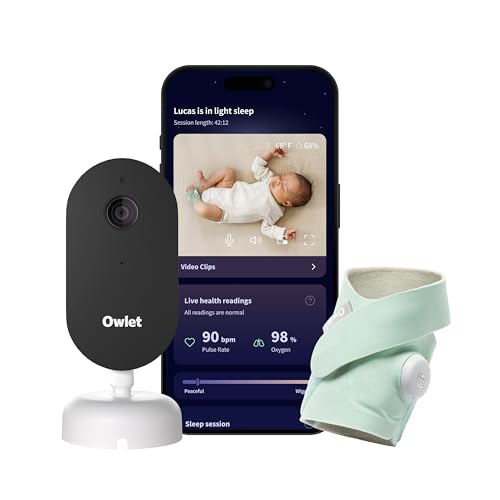
- What is the Owlet Dream Duo? Dream Duo is Owlet’s most advanced monitoring system, combining the FDA-cleared Dream Sock with the 2K HD Dream Sight camera. It provides a complete 360-degree view of your baby’s health, safety, and sleep in one connected app.
- How does the system track my baby’s well-being? Dream Sock uses medical-grade pulse oximetry to track your baby’s pulse rate and oxygen level while they sleep. You will receive real-time alerts if readings leave preset zones, allowing you to respond with total confidence.
- What is the video quality of the included camera? See your baby clearly day or night with crystal-clear 2K HD video, offering sharper detail than standard 1080p monitors. The camera features a 130-degree wide-angle lens and 4x zoom so you can check on your baby from your phone with ease.
- How does this system improve family sleep? Join the 94% of parents who report improved sleep. By using Predictive Sleep Technology to identify optimal wake windows, Dream Duo helps you establish healthy routines that lead to more restful nights for the whole family.
- Is my family’s data and video secure? Rest easy with the only monitoring system featuring the SGS Cybersecurity Mark for the camera. Your video and health data are protected by 256-bit encryption, providing independently verified security for your modern home.
- Can I customize notifications and monitor the room environment? Yes, you can customize notifications for sound, movement, and crying in the Owlet Dream App. The system also tracks room temperature and humidity, notifying you if conditions leave your preset comfort zones.
- Is it easy to setup? Get connected in minutes with Bluetooth and Wi-Fi pairing in the Owlet Dream App. The Dream Sight camera supports dual-band Wi-Fi (2.4 GHz and 5 GHz) for smooth 2K HD streaming. For the Dream Sock, connect your mobile device to 2.4 GHz Wi-Fi during the initial setup; after setup, you can return your mobile device to 5 GHz. (Note: 2.4 GHz Wi-Fi must remain available for the Dream Sock connection).
- Does the system grow with my child? Dream Sock provides medical-grade tracking up to 18 months, while Dream Sight provides high-definition visibility for any length of time as your baby grows into toddlerhood and beyond. You can also upgrade to Owlet360 for deeper insights, including daily morning reports and long-term wellness tracking.
- U.S. Version: Compatible only in the United States.
Step-by-Step Instructions: Crafting Your baby’s sleep Sanctuary
Step 1: Understand Your baby’s sleep Needs
- Personalization Tip: Every baby is unique! While newborns sleep 14-17 hours a day (in short bursts), a 6-month-old needs 12-15 hours (including longer stretches at night and regular naps). Use a sleep tracking app for a few days to identify your baby’s natural wake windows and sleepy cues. Are they consistently rubbing their eyes at 75 minutes of wakefulness? That’s your personalized golden window for naptime. Don’t force sleep; respond to their individual rhythm.
Step 2: Establish a Consistent Bedtime Routine (The Sleep Signal)
- Actionable Tip: Start your routine 20-30 minutes before your desired sleep time. A warm bath (if your baby enjoys it – some find it too stimulating!), a gentle massage with lotion, dressing in pajamas, a quiet feed, a story or lullaby, and then into the crib. The magic is in the predictability. Your baby’s brain will start associating these actions with sleep, releasing melatonin more effectively.
- Generative Insight: Imagine your baby’s brain as a tiny computer learning patterns. This routine is the “code” that tells them, “It’s time to power down for the night.”
Step 3: Optimize the Sleep Environment (The “Cave” Analogy)
- Actionable Tip: Replicate a dark, quiet, and cool cave. Use blackout curtains to block out all light (even tiny slivers!). A white noise machine at a consistent, non-disturbing volume (like a gentle shower or static) can mask household sounds and mimic the womb environment. Keep the room temperature between 68-72°F (20-22°C) for optimal infant sleep safety and comfort.
- Personalization Tip: Some babies prefer absolute silence, while others thrive with consistent white noise. Experiment gently to find your baby’s preference.
Step 4: Master Daytime Naps (The Foundation)
- Actionable Tip: Don’t view naps as optional! Good naps lead to good night sleep, preventing extreme overtiredness, which ironically makes it harder for babies to fall and stay asleep. Aim for age-appropriate nap lengths and frequencies. For example, a 4-month-old might have 3-4 naps, while a 9-month-old might have 2 longer ones. Place your baby down drowsy but awake for at least one nap to practice independent sleep skills.
- Generative Insight: Think of naps as your baby’s battery recharges. If the battery runs completely flat, it’s much harder to get a stable charge for the night.
Step 5: Implement Gentle baby’s sleep Training (When Ready)
- Actionable Tip: If your baby is 4+ months and you’re consistently working on independent sleep, consider a gentle sleep training method. The “Ferber method” (graduated extinction) or “Fading” (gradually reducing your presence) are popular, parent-led approaches. It’s about teaching your baby to self-soothe, not abandoning them. Always respond to genuine distress, but allow space for them to learn to settle.
- Expert Tip: Before starting, ensure your baby is not sick, not teething, and has been well-fed. Consult with your pediatrician. Consistency across caregivers is paramount for success. And remember, these are baby sleep care and tricks, not one-size-fits-all solutions.
Step 6: Address Night Wakings Proactively
- Actionable Tip: Distinguish between hunger wakings and comfort wakings. Newborns genuinely need frequent night feeds. As babies get older, most healthy, full-term babies can sleep 6-8 hours without a feed by 4-6 months. For comfort wakings, practice a “pause” – wait a few minutes before intervening. Often, babies will resettle themselves. When you do intervene, keep interactions brief, quiet, and boring.
Nutritional Information: The Sleep-Feeding Connection
While this isn’t a food recipe, the “nutritional information” for baby’s sleep relates to how your baby’s physical needs impact their rest.
- Calories & Full Feeds: Ensuring your baby gets adequate calories during the day is critical. A study published in “Pediatrics” found that infants with enough daytime intake were less likely to wake frequently for night feeds after 4-6 months.
- Solid Foods (when age-appropriate): Introducing solids at 6 months as suggested by health organizations can contribute to satiety, but it’s not a magic bullet for sleep. Focus on balanced meals, not just “filling them up” right before bed.
- Hydration: Proper hydration (from breast milk/formula) is also essential for overall bodily function, including sleep regulation.
Healthier Alternatives for the Recipe: Adapting for Different Families

- Soothing Companion: This baby soothing palm is designed to provide comfort and security to newborns, helping them feel safe and relaxed.
- Startle Prevention: The soft, glove-like design helps prevent the startle reflex in babies, reducing sudden movements that can disrupt sleep.
- Lightweight and Portable: The Baby Soothing Palm is lightweight and portable, an ideal choice for home, car and travel. It is suitable for baby carriages, car seats, cribs, etc.
- Cute Design: With its adorable shape and soft fabric, this soothing palm is not only functional but also adds a cute touch to your baby’s nursery.
- Versatile Use: Suitable for both baby girls and boys, this soothing palm can be used during tummy time, nap time, or anytime your little one needs extra comfort.
Just as you’d adapt a dish for dietary needs, these baby’s sleep tips can be adjusted for various family circumstances:
- Co-Sleeping Families: If co-sleeping, ensure a safe sleep surface (firm mattress, no loose bedding, no gaps). Focus on an independent “fall-asleep” routine, even if they end up in your bed later. The goal is to minimize reliance on feeding or rocking to sleep.
- Siblings Sharing a Room: Use white noise to mask sounds between siblings. Create separate “zones” within the room with visual barriers if needed, and try to stagger bedtimes slightly.
- Working Parents with Limited Time: Prioritize the 20-30 minute bedtime routine. It’s a non-negotiable investment. On days with less time, simplify; a quick quiet song and feed can still serve as a powerful sleep cue.
- Traveling Families: Pack essential sleep environment items: portable white noise machine, small travel blackout curtain. Try to stick to the timing of your routine, even if the location changes.
Serving Suggestions: Making baby’s sleep a Positive Experience
- Family Bonding: Integrate bedtime stories not just for sleep, but as cherished bonding time. This transforms “bedtime” from a chore into a comforting ritual.
- Self-Care for Parents: Once your baby’s sleep improves, remember to prioritize your own rest. A well-rested parent is a more patient, joyful, and effective parent.
- Celebrate Small Wins: Did your baby sleep an extra hour? Did they fall asleep independently for one nap? Acknowledge and celebrate these minor victories. This positive reinforcement encourages you to keep going.

- 100% Cotton
- Imported
- 100% Organic Cotton: Soft, breathable, and gentle on sensitive skin, our sleep sack is made from high-quality cotton. Certified by the Global Organic Textile Standard (GOTS), we prioritize your baby’s comfort and safety.
- Smooth 2-Way Zipper: Our sleep sack double zipper makes midnight diaper change easily. The interior zipper guard and top zipper cover protect any scratches or discomfort from baby’s delicate skins, ensuring the safety of your beloved baby.
- Roomy Places: The arm and neck openings sized for a perfect fit, the leg room carefully sized for baby to move around freely, but cannot be kicked off, so baby stays warm all night. The sleeping sack is great for promoting healthy hip development.
- 3-Pack Features: The package comes with 3 pack sleep sack for baby, so that baby always has one to wear to bed. The 3 colors are suitable for both baby boys and girls, which is perfect as baby registry.
- Essential Baby Item: Baby sleep sacks are good for everyday use, it will help baby get longer sound night’s sleep. There are 4 sizes available for your choices. S for 0-6 Months. M for 6-12 Months. L for 12-18 Months. XL for 18-24 Months.
Common Mistakes to Avoid: Navigating the Sleep Minefield
- Ignoring Wake Windows: Putting an overtired baby down too late often results in longer struggles and more night wakings. Data shows babies who are put down overtired take 40% longer to fall asleep.
- Inconsistent Routines: One night a bath, the next just a feed. This sends mixed signals. Consistency is the bedrock.
- Over-reliance on “Crutches”: Continuously rocking, feeding, or holding to sleep prevents your baby from learning independent sleep skills. While comforting sometimes, it can become a sleep association your baby needs to fall asleep.
- Too Much Light/Stimulation: Especially before bed or during night wakings. Keep light dim and interactions minimal at night to reinforce that nighttime is for sleep.
- Expecting Instant Results: Sleep progress is rarely linear. There will be good nights and bad nights. Don’t give up after a few challenging evenings. Persistence is key!
Storing Tips for the Recipe: Maintaining baby’s sleep Gains
- Documentation: Keep a brief sleep log, especially during challenging phases. It helps identify patterns (e.g., “poor nap days lead to bedtime battles”).
- Proactive Adjustments: As your baby grows, their sleep needs change (nap transitions!). Stay informed about age-appropriate sleep schedules to proactively adjust your routine.
- Flexibility within Structure: Life happens! If a routine is occasionally disrupted, simply return to your established routine the very next opportunity. Don’t let one off-night derail your progress. The foundation you’ve built allows for occasional deviations.
Conclusion: Embrace the Journey to Restful Nights
Navigating baby’s sleep can feel like deciphering a complex puzzle, but with the right baby sleep tips and a data-driven approach, you can create a personalized sleep solution that works for your family. By understanding your baby’s unique needs, establishing consistent routines, optimizing their sleep environment, and employing gentle strategies, you are laying the groundwork for healthier sleep habits that will benefit everyone. Remember, you’re not just getting your baby to sleep; you’re teaching them a vital life skill: independent sleep.
Ready to reclaim your nights and enjoy truly rested days? Try implementing these tips tonight! Share your progress and personal baby sleep care and tricks in the comments below. What worked wonders for your little one? Let’s build a community of well-rested parents together!
FAQs: Your Most Pressing Sleep Questions Answered
Q1: At what age should I start a bedtime routine?
A: You can start establishing a gentle, simplified bedtime routine from birth. Even newborns benefit from the predictability of a sequential set of calming actions, though formal sleep training methods are usually recommended for babies 4-6 months and older.
Q2: My baby cries when I put them down drowsy but awake. What do I do?
A: This is a common challenge! It means your baby is learning a new skill. You can try a “fuss it out” approach (allowing a few minutes of fussing before intervening), or a “pick up, put down” method where you soothe them and put them back down. The key is consistency in your response and allowing them opportunities to self-soothe.
Q3: Is white noise safe for babies?
A: Yes, when used correctly. White noise can be very soothing for babies as it mimics the sounds of the womb and blocks out disruptive household noises. Ensure the volume is not too loud (like a soft shower, 50-60 dB is recommended) and the machine is placed a safe distance from the crib.
Q4: How do I know if my baby is genuinely hungry at night, or just wants comfort?
A: For newborns, assume hunger. As babies grow (typically 4-6 months+), if they are gaining weight well and feeding adequately during the day, many can go longer stretches at night without a feed. If your baby takes a full feed and then sleeps well, it’s likely hunger. If they just “snack” for a few minutes and wake frequently, it might be more for comfort or habit. Consult your pediatrician for personalized advice on night weaning.
Q5: What if my baby has a sleep regression?
A: Sleep regressions are temporary periods (often around 4, 8, 12, and 18 months) where established sleep patterns suddenly fall apart. They are often linked to developmental leaps. The best approach is to stick steadfastly to your usual routine and sleep hygiene. Avoid introducing new “crutches.” This consistency will help your baby navigate the regression and return to better sleep more quickly.