
This post may contain Affiliate links. If you buy anything via the link, I will earn a small commission without any effect on your payment. Thank you for your support.
Introduction
Is your baby’s delicate skin experiencing dryness, redness, or irritation? You’re not alone. Up to 70% of newborns develop some form of skin sensitivity in their first year. Creating a natural baby skincare routine isn’t just about addressing these concerns—it’s about nurturing your little one’s largest organ with the gentlest care possible.
As parents, we want only the best for our babies, especially when it comes to the products that touch their sensitive skin. With countless options claiming to be “baby-friendly,” navigating the world of infant skincare can feel overwhelming. This comprehensive guide will walk you through establishing an effective natural baby skincare routine using safe, gentle ingredients that nourish and protect without harsh chemicals or irritants.
From understanding your baby’s unique skin needs to selecting the right products and implementing daily practices, you’ll gain confidence in caring for your little one’s delicate skin naturally.
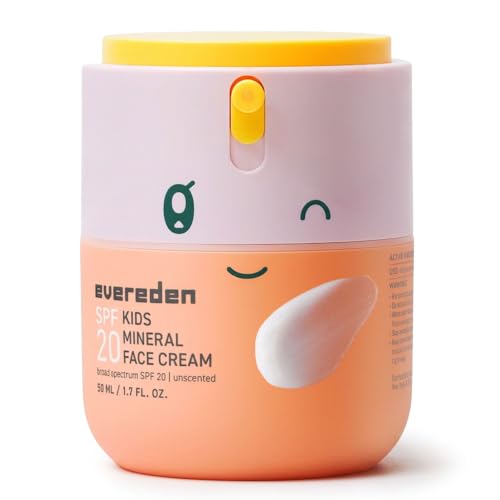
- YEAR-ROUND 2-IN-1 PROTECTION FOR KIDS: Our skin care kids mineral face cream is a gentle one-step moisturizer that effectively defends the skin from dryness, and UVA/UVB.
- DEEP SKIN HYDRATION: Made with Provitamin B5, sunflower seed oil, & other ingredients, Evereden kids moisturizer for face provides lasting hydration & replenishes the skin’s moisture barrier.
- LIGHT TEXTURE DOESN’T CLOG PORES: Our 100% mineral, non-nano and non-comedogenic kid skin care lotion gives children 3+ (and their families) what their skin needs, while letting their pores breathe!
Understanding Natural Baby Skincare Routine – What Every Parent Should Know
What is a Natural Baby Skincare Routine?
A natural baby skincare routine is a systematic approach to caring for your infant’s delicate skin using products and methods that prioritize gentle, non-toxic ingredients sourced from nature. Unlike conventional baby products that might contain synthetic fragrances, parabens, sulfates, and other potentially irritating chemicals, a natural approach focuses on minimal, clean formulations that work with your baby’s sensitive skin rather than against it.
The essence of an organic baby skin regimen includes:
- Regular cleansing with mild, pH-balanced washes
- Gentle moisturization using natural emollients
- Protection from environmental factors
- Addressing specific concerns like cradle cap or diaper rash with natural remedies
- Consistency in application and timing
These practices help maintain your baby’s delicate skin barrier while supporting its natural development during these crucial early months.

Why Natural Baby Skincare Routine Matters for Your Baby’s Development
Implementing a consistent natural baby skincare routine isn’t just about keeping your little one clean—it plays a vital role in their overall development and wellbeing.
Newborn skin is 30% thinner than adult skin, with an underdeveloped barrier function that makes it more vulnerable to irritants, moisture loss, and environmental stressors. This delicate organ serves as your baby’s first line of defense against bacteria, allergens, and other potential threats, making proper care essential.
Research shows that the ingredients in skincare products can be absorbed into your baby’s bloodstream at higher rates than in adults due to this thinner barrier. By choosing natural products, you’re reducing exposure to synthetic chemicals during a critical developmental period when organ systems are still maturing.
Additionally, the gentle massage that accompanies a natural baby skincare routine promotes:
- Enhanced circulation
- Improved sleep patterns
- Strengthened parent-child bonding
- Potential cognitive benefits through sensory stimulation
Common Myths About Natural Baby Skincare Routine
Despite growing interest in natural baby care, several misconceptions persist that may confuse parents:
Myth 1: Babies need daily bathing
Truth: Most pediatricians recommend bathing infants only 2-3 times weekly to avoid drying out their sensitive skin. Spot cleaning is sufficient between baths.
Myth 2: All “natural” products are safe for babies
Truth: Even natural ingredients can cause reactions in sensitive babies. Always patch-test new products and be wary of products that claim to be “natural” but contain hidden synthetic ingredients.
Myth 3: Natural products aren’t effective for serious skin conditions
Truth: While severe medical conditions should be evaluated by a pediatrician, many natural remedies effectively address common baby skin issues like mild eczema, diaper rash, and dry skin.
Myth 4: Babies need powder after diaper changes
Truth: Baby powder can be a respiratory hazard and isn’t necessary in a natural baby skincare routine. Natural diaper creams provide better protection without risks.
Essential Items & Supplies for Natural Baby Skincare Routine

Must-Have Products for Natural Baby Skincare Routine
Creating an effective natural baby skincare routine requires carefully selected products that prioritize purity, gentleness, and efficacy. These essentials form the foundation of your daily practice:
Gentle Cleanser: Look for a sulfate-free, tear-free wash with minimal ingredients. Ideal natural cleansing agents include coconut-derived surfactants, aloe vera, and glycerin.
Natural Moisturizer: Plant-based oils and butters provide excellent hydration. Shea butter, coconut oil, and jojoba oil penetrate without clogging pores or leaving a greasy residue.
Protective Balm: A multipurpose balm containing beeswax, calendula, and zinc oxide creates a protective barrier for diaper areas and dry patches.
Soft Washcloths: Organic cotton or bamboo cloths provide gentle cleansing without irritating delicate skin.
Natural Baby Wipes: For on-the-go cleaning, choose alcohol-free, unscented wipes made from plant-based materials with minimal preservatives.
Soft-Bristled Brush: A natural fiber brush helps manage cradle cap and stimulates the scalp without scratching.
Optional but Helpful Items
Enhance your organic baby skin regimen with these beneficial additions:
Baby Oil: Pure, cold-pressed oils like sweet almond or apricot kernel oil work wonderfully for infant massage and extra dry areas.
Herbal Bath Sachets: Calming herbs like chamomile and lavender in a muslin bag can be added to bathwater for their soothing properties.
Natural Baby Powder: If desired, cornstarch-based powders with kaolin clay provide a safer alternative to talc-based products.
Humidifier: Particularly beneficial in dry climates or winter months, a humidifier helps maintain optimal skin hydration.
Organic Cotton Face Cloths: Dedicated to wiping milk residue from facial creases where irritation commonly develops.

- Glow On-The-Go – Our Fruit Babies skincare gift set includes travel sizes of some of our fruit-forward bestsellers. Each product harnesses the power of clinically effective actives such as PHA, BHA, ceramides, vitamin C & hyaluronic acid. Made with gentle yet effective formulas to deliver clinically proven results and glowing skin.
- Unlock Your Inner Glow – Strengthen your skin barrier, combat dullness & dryness or gently smooth uneven texture. From Guava to Watermelon, our travel skincare set has all the products you need to achieve a more healthy, radiant complexion.
- What’s Your Glow Recipe? – Curate your own glow recipe with this all-in-one mini skincare set, conveniently packaged so you never run low on your skincare or makeup prep essentials. From facial serums to a gentle exfoliating toner, we guarantee one thing; beautiful skin.
- Travel & TSA Friendly – Heading on vacation? Take our carefully curated skincare set along for the ride and glow-on-the-go. This skincare bundle is suitable for those with dry, combination or oily skin types.
- Formulated Differently – We strive in creating a sensorial, enjoyable self-care experience, taking it day by day, skin by skin. Made without Parabens, Mineral Oil, Sulfates, Pthalates, Dry Alcohols and Synthetic Dyes. Our skincare kits, amongst all other products, are Vegan & Cruelty-Free.
Budget-Friendly Alternatives
An effective natural baby skincare routine doesn’t have to break the bank:
| Premium Option | Budget-Friendly Alternative | Benefits |
|---|---|---|
| Specialty organic baby wash ($15-25) | Castile soap diluted with water ($10) | Equally gentle, versatile for whole family |
| Commercial organic baby balm ($12-20) | Homemade balm with coconut oil and shea butter ($5-8) | Customizable, multi-purpose |
| Organic baby wipes ($6-9/pack) | Reusable cloth wipes with homemade solution ($15 initial investment) | Eco-friendly, cost-effective long-term |
| Branded baby oil ($10-15) | Food-grade coconut or olive oil ($5-10) | Similar benefits, multi-purpose for household |
| Commercial baby brush set ($15-25) | Soft adult toothbrush ($2-3) | Equally effective for cradle cap |
Remember that consistency in your natural baby skincare routine matters more than using expensive products.
Guide to Natural Baby Skincare Routine

Preparation Steps
Before implementing your natural baby skincare routine, proper preparation ensures a smooth, stress-free experience:
Gather all supplies within arm’s reach before beginning any skincare procedure.
Test water temperature using your inner wrist or a bath thermometer (ideal range: 98-100°F or 36.5-37.8°C).
Create a calm environment by dimming lights, minimizing noise, and maintaining a comfortable room temperature.
Wash your hands thoroughly to prevent introducing new bacteria to your baby’s sensitive skin.
Perform patch tests with new products by applying a small amount behind your baby’s ear or on their inner arm and waiting 24 hours to check for reactions.
Time skincare sessions strategically between feedings when your baby is content but not immediately after eating.
Implementation Process
Follow this step-by-step process for your daily natural baby skincare routine:
Daily Cleansing (Morning):
- Begin with a gentle facial cleanse using a warm, damp cloth, paying special attention to neck folds and behind ears.
- Apply a dab of natural moisturizer to dry areas, especially cheeks and forehead.
- For drool-prone babies, apply a thin layer of protective balm to the chin area.
Bathing (2-3 times weekly):
- Fill the bath with 2-3 inches of warm water.
- Support your baby’s head and neck throughout the bath.
- Use a quarter-sized amount of gentle cleanser, focusing on creases and diaper area.
- Rinse thoroughly with clean water, ensuring no product remains.
- Pat (don’t rub) skin dry with a soft towel, paying special attention to folds.
- Apply moisturizer immediately after bathing while skin is still slightly damp.
Diaper Changes:
- Clean thoroughly with water-based wipes or warm water and cloth.
- Allow skin to air-dry completely before applying diaper cream.
- Apply a thin layer of protective balm to prevent moisture-related irritation.
Bedtime Routine:
- Give a gentle full-body massage with natural oil to promote relaxation.
- Pay special attention to dry spots or problem areas.
- Allow oil to absorb for 10-15 minutes before dressing for bed.
Troubleshooting Common Issues
Even with a consistent natural baby skincare routine, challenges may arise:
Dry, Flaky Skin:
- Reduce bathing frequency
- Switch to an oil-based cleanser
- Apply moisturizer more frequently, focusing on affected areas
- Consider adding a humidifier to your baby’s room
Diaper Rash:
- Increase diaper changing frequency
- Allow more “air time” without a diaper
- Apply a thicker layer of zinc oxide-based cream
- Switch diaper brands if sensitivity is suspected
Cradle Cap:
- Apply warm olive oil to the scalp and let sit for 15 minutes
- Gently brush with a soft-bristled brush in circular motions
- Wash with mild shampoo
- Repeat 2-3 times weekly until resolved
Minor Irritations/Redness:
- Identify potential triggers (laundry detergent, new products, environmental factors)
- Simplify your organic baby skin regimen temporarily
- Apply calendula-based balm to affected areas
- Consult your pediatrician if symptoms persist or worsen
Top 5 Benefits of Natural Baby Skincare Routine for Baby & Parents
Developmental & Health Benefits for Baby
A consistent natural baby skincare routine offers numerous advantages for your little one’s health and development:
Enhanced Skin Barrier Function
Natural products support your baby’s developing skin barrier rather than stripping it. This improved barrier function helps defend against environmental irritants, allergens, and pathogens. Research shows babies with intact skin barriers have fewer incidences of dermatitis and related skin conditions.Reduced Exposure to Harmful Chemicals
By choosing natural products, you minimize your baby’s exposure to potentially harmful ingredients like parabens, phthalates, and synthetic fragrances. This is particularly important given that a baby’s immature metabolic system processes toxins differently than adults.Better Temperature Regulation
Well-moisturized skin plays a crucial role in helping babies regulate their body temperature more effectively. Natural oils and butter-based moisturizers help create an insulating layer that prevents excessive heat loss while allowing the skin to breathe.Improved Sleep Quality
The sensory stimulation and relaxation promoted by evening massage as part of your natural baby skincare routine has been shown to improve infant sleep patterns. Studies indicate babies receiving regular massage fall asleep faster and experience deeper sleep cycles.Enhanced Sensory Development
The different textures, gentle pressures, and skin-to-skin contact involved in natural skincare routines provide valuable sensory input that supports neurological development. This tactile stimulation helps babies develop body awareness and sensory processing skills.
Advantages for Parents
Parents also reap significant benefits from establishing a natural baby skincare routine:
Strengthened Bonding: The dedicated one-on-one time during skincare rituals promotes secure attachment and deepens the parent-child bond. The eye contact, gentle touch, and undivided attention are powerful connectors.
Increased Confidence: Having a structured approach to skincare builds parental confidence in handling and caring for their baby. This assurance often extends to other aspects of childcare.
Stress Reduction: The rhythmic, methodical nature of skincare routines can be as calming for parents as it is for babies. Many parents report these quiet moments become cherished opportunities to slow down amid the whirlwind of new parenthood.
Early Problem Detection: Regular, close observation of your baby’s skin during care routines allows for early detection of potential issues like eczema, unusual rashes, or other concerns requiring attention.
Long-Term Impact on Family Wellbeing
The benefits of a organic baby skin regimen extend far beyond infancy:
Established Healthy Habits: Early introduction to skincare routines sets the foundation for lifelong hygiene and self-care habits.
Environmental Consciousness: Using natural, often more sustainable products helps families reduce their environmental footprint and raises children with awareness of eco-friendly choices.
Financial Savings: Preventing skin issues through proper care often reduces future medical expenses related to dermatological treatments.
Family Rhythms and Rituals: The consistent practice of skincare routines helps establish important family rhythms that create security and predictability for children as they grow.
Expert Tips, Alternative Methods & Age-Specific Advice
Tips for Newborns (0-3 Months)
Newborn skin requires especially gentle care as it adapts to life outside the womb:
Vernix Protection: If your newborn still has vernix (the white, waxy substance) on their skin after birth, allow it to absorb naturally rather than washing it off. This natural substance has protective antimicrobial properties.
Minimal Bathing: Limit full baths to 1-2 times weekly for the first month, using only water or extremely gentle cleansers. Spot cleaning with warm water is sufficient between baths.
Umbilical Care: Keep the umbilical stump clean and dry until it falls off (typically 7-21 days after birth). Avoid submerging in water until fully healed.
Monitor Temperature Sensitivity: Newborns are particularly susceptible to temperature changes during skincare routines. Maintain a warm environment and work quickly to prevent chilling.
Simplify Your Approach: For the youngest babies, a natural baby skincare routine should focus on minimal products—often just a gentle cleanser and simple moisturizer are sufficient.
Adjustments for Older Babies & Toddlers (3+ Months)
As your baby grows, their skincare needs evolve:
Increased Bathing Frequency: By 3-6 months, bathing can increase to 3-4 times weekly as babies become more active and exposed to more environmental elements.
More Targeted Care: Address specific areas prone to dryness or irritation with appropriate products, such as extra moisturizer for cheeks during teething or specialized balms for active crawlers with knee irritation.
Introducing Sunscreen: Around 6 months, begin incorporating mineral-based (zinc oxide or titanium dioxide) sunscreen into your natural baby skincare routine for outdoor activities.
Teething Considerations: During teething phases, apply protective balm to the chin and cheek area to prevent irritation from increased drooling.
Involving Your Baby: As your little one becomes more aware and active, turn skincare routines into interactive experiences by naming body parts, singing songs, or introducing simple water play during bath time.
Alternative Methods & Different Parenting Styles
Various approaches to infant skincare accommodate different parenting philosophies and baby needs:
Minimalist Approach
- Focus on water-only cleansing except for the diaper area
- Rely on single-ingredient products like pure coconut oil for moisturizing
- Emphasize environmental factors (humidity, clothing choices) over product application
Ayurvedic Tradition
- Incorporate massage with warm sesame or coconut oil before bathing
- Consider body type (dosha) in product selection
- Include gentle circular massage techniques to stimulate energy points
Attachment Parenting Integration
- Extend skin-to-skin contact during care routines
- Practice infant massage as a central component of the organic baby skin regimen
- Follow baby’s cues for timing and duration rather than strict schedules
Montessori-Inspired Care
- Create a prepared environment with accessible care items
- Allow baby to participate increasingly as they develop (holding washcloth, helping apply lotion)
- Use natural materials and simple, clear language to explain each step
Conclusion
Establishing a consistent natural baby skincare routine is one of the most nurturing gifts you can give your little one. By choosing gentle, non-toxic products and implementing mindful practices, you’re not only protecting your baby’s delicate skin but also creating meaningful moments of connection that benefit both of you.
Remember these key principles as you care for your baby’s skin:
- Simplicity is paramount—fewer ingredients and products generally mean less potential for irritation.
- Consistency in your natural baby skincare routine helps establish healthy patterns and expectations.
- Natural doesn’t always mean safe—always patch test and research ingredients carefully.
- Adapt your approach as your baby grows and their skin needs evolve.
- Trust your instincts—you know your baby best and can tailor their organic baby skin regimen accordingly.
The tender care you provide through these daily rituals does more than maintain healthy skin—it builds trust, security, and connection that will serve as building blocks for your relationship for years to come. With patience and attention to your baby’s unique needs, you’ll develop confidence in providing the gentle care their sensitive skin deserves.
Have you discovered a natural ingredient or technique that works wonders in your natural baby skincare routine? Share your experience in the comments below and help other parents on their natural parenting journey!
FAQs
How often should I bathe my baby as part of a natural baby skincare routine?
For newborns and young infants, bathing 2-3 times per week is typically sufficient as part of a natural baby skincare routine. More frequent bathing can strip natural oils and lead to dryness or irritation. Between baths, spot cleaning with a warm, damp cloth effectively addresses specific areas like the face, neck folds, and diaper area. As babies become more active and begin eating solid foods (around 6 months), you may gradually increase bathing frequency to 3-4 times weekly.
Always use lukewarm water (98-100°F) and limit bath time to 5-10 minutes to prevent skin from drying out. After bathing, apply natural moisturizer while the skin is still slightly damp to lock in hydration. Remember that cultural preferences and climate conditions might influence bathing frequency—babies in hot, humid environments may benefit from more frequent quick rinses, while those in dry climates might need fewer baths and more moisturizing.
What natural ingredients should I look for in products for my baby’s natural baby skincare routine?
When selecting products for your natural baby skincare routine, prioritize these beneficial ingredients: shea butter and coconut oil (for excellent moisture without clogging pores), aloe vera (for its soothing, anti-inflammatory properties), calendula (known for calming irritated skin), chamomile (gentle anti-inflammatory that reduces redness), oatmeal (relieves itching and irritation), jojoba oil (closely resembles skin’s natural sebum), and vegetable-derived glycerin (attracts moisture to the skin).
For preservative needs, look for naturally-derived options like radish root ferment filtrate or sodium anisate instead of parabens. Equally important is what to avoid: synthetic fragrances, dyes, sodium lauryl sulfate, formaldehyde-releasing preservatives, mineral oil, talc, and propylene glycol. Always check ingredient lists thoroughly, as terms like “natural” and “pure” aren’t strictly regulated. Products with shorter ingredient lists generally present fewer potential irritants. Remember that even natural ingredients can cause reactions in some babies, so always patch test new products before full application.
How can I address common skin issues like cradle cap and diaper rash naturally in my baby’s skincare routine?
Addressing cradle cap through a natural baby skincare routine involves applying warm olive oil or coconut oil to your baby’s scalp, letting it sit for 15 minutes to soften scales, then gently brushing with a soft-bristled brush in circular motions before shampooing with a mild cleanser. For persistent cases, add a few drops of chamomile or calendula tincture to the oil. For diaper rash prevention, ensure thorough cleaning, allow complete drying before re-diapering, and apply a protective barrier cream containing zinc oxide and natural oils.
For treatment, increase diaper changes, provide longer periods without a diaper (10-15 minutes several times daily), and apply a thick layer of natural diaper cream containing zinc oxide plus soothing ingredients like calendula or chamomile. A paste made from bentonite clay and water can draw out inflammation when applied to irritated areas for 10 minutes before gently rinsing. For both conditions, avoiding harsh soaps and synthetic fragrances as part of your organic baby skin regimen is essential. Consult your pediatrician if conditions worsen or don’t improve within a week.
Can I make my own natural products for my baby’s skincare routine at home?
Creating homemade products can be a wonderful addition to your natural baby skincare routine when done safely. For a simple moisturizer, blend equal parts organic shea butter and coconut oil, melted together and cooled. A gentle cleanser can be made by diluting castile soap (1 tablespoon per cup of distilled water) with a few drops of chamomile or calendula extract. For diaper cream, combine 1/4 cup shea butter, 2 tablespoons coconut oil, 2 tablespoons zinc oxide powder, and 1 tablespoon beeswax (melted together and cooled).
However, homemade products require proper preparation: use dedicated, sterilized containers; store appropriately (refrigeration for water-based products); make small batches to use within 1-2 weeks; and always patch test. While DIY options can be cost-effective and eliminate preservatives, they lack the stability and microbial testing of commercial products. Certain ingredients (essential oils, some herbs) should never be used on babies despite being “natural.” For compromised skin or babies with medical conditions, commercially tested products specifically formulated for infants may be safer. Balance your organic baby skin regimen between trusted commercial products and simple DIY options.
How should I adapt my baby’s natural skincare routine for different seasons or climates?
Adapting your natural baby skincare routine for seasonal changes is essential for maintaining healthy skin. During winter or in dry climates, reduce bathing frequency to 1-2 times weekly using lukewarm (not hot) water with oil-based cleansers. Apply richer moisturizers containing shea butter or coconut oil immediately after bathing, and reapply throughout the day to combat heating-induced dryness. A room humidifier helps maintain optimal 40-60% humidity. Dress baby in breathable, non-irritating layers, avoiding wool directly against skin. For summer or humid environments, slightly increase bathing frequency with quick, tepid baths to remove sweat and environmental residues.
Switch to lighter moisturizers like aloe-based lotions, and focus on body folds where heat rash commonly develops. Apply mineral-based sunscreen 15-30 minutes before sun exposure and reapply every 2 hours. Choose loose-fitting cotton clothing and keep baby hydrated. When traveling between climate zones, gradually transition your organic baby skin regimen over several days rather than making abrupt changes. Always observe your baby’s skin response and adjust accordingly, as individual skin needs vary regardless of external conditions.