
This post may contain Affiliate links. If you buy anything via the link, I will earn a small commission without any effect on your payment. Thank you for your support.
Introduction
Are you overwhelmed by the endless stream of baby products while also concerned about your environmental footprint? You’re not alone. As parents, we want the best for our children and the planet they’ll inherit. According to recent studies, a single baby can use over 6,000 disposable diapers before potty training, contributing significantly to landfill waste. sustainable baby products offer a solution that benefits both your little one and the environment.
This comprehensive guide will walk you through everything you need to know about eco-friendly baby essentials—from understanding what makes products truly sustainable to selecting the right items for your family’s needs. Whether you’re preparing for a new arrival or looking to make more environmentally conscious choices for your growing child, this resource has you covered.
Understanding Sustainable Baby Products – What Every Parent Should Know
What is Sustainable Baby Products?
sustainable baby products are items designed and manufactured with minimal environmental impact throughout their lifecycle. These products typically feature:
- Renewable, recyclable, or biodegradable materials
- Non-toxic, chemical-free ingredients and components
- Ethical manufacturing processes with fair labor practices
- Minimal or plastic-free packaging
- Durability and longevity to reduce replacement frequency
Unlike conventional baby items that often contain harmful chemicals and create significant waste, sustainable alternatives prioritize both environmental health and your baby’s wellbeing. These products form the foundation of zero waste baby living, a lifestyle approach that minimizes a family’s ecological footprint.

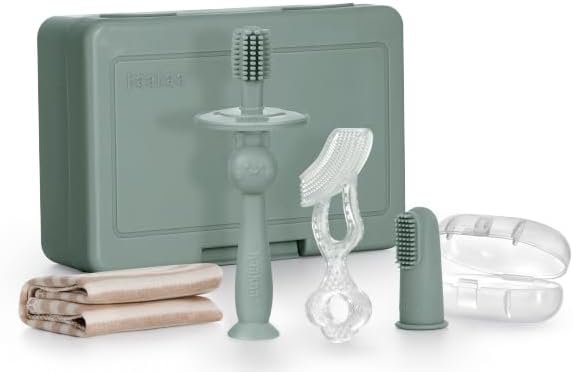
- 𝐓𝐡𝐞 𝐔𝐥𝐭𝐢𝐦𝐚𝐭𝐞 𝐃𝐞𝐧𝐭𝐚𝐥 𝐊𝐢𝐭 𝐟𝐨𝐫 𝐄𝐯𝐞𝐫𝐲 𝐒𝐭𝐚𝐠𝐞:Designed to grow with your baby, this infant toothbrush kit includes three silicone brushes tailored to each stage of development, promoting healthy oral care habits.
- 𝐒𝐭𝐚𝐠𝐞 𝟏: 𝐅𝐢𝐧𝐠𝐞𝐫 𝐛𝐚𝐛𝐲 𝐓𝐨𝐨𝐭𝐡𝐛𝐫𝐮𝐬𝐡 (𝟎-𝟔 𝐌𝐨𝐧𝐭𝐡𝐬):Soft and flexible, this baby toothbrush massages gums and cleans emerging teeth while fitting comfortably on parents’ fingers.
- 𝐒𝐭𝐚𝐠𝐞 𝟐: 𝐂𝐨𝐧𝐭𝐨𝐮𝐫𝐞𝐝 𝐛𝐚𝐛𝐲 𝐓𝐨𝐨𝐭𝐡𝐛𝐫𝐮𝐬𝐡 (𝟑-𝟏𝟐 𝐌𝐨𝐧𝐭𝐡𝐬):Contoured for a baby’s gum line, this infant toothbrush effectively reaches every corner, is easy for little hands to hold, and encourages independent brushing
- 𝐒𝐭𝐚𝐠𝐞 𝟑: 𝟑𝟔𝟎° 𝐒𝐢𝐥𝐢𝐜𝐨𝐧𝐞 𝐛𝐚𝐛𝐲 𝐓𝐨𝐨𝐭𝐡𝐛𝐫𝐮𝐬𝐡 (𝟔 𝐦𝐨𝐧𝐭𝐡𝐬 𝐚𝐧𝐝 𝐮𝐩):Equipped with 360° bristles for an effective cleaning, a safety guard to prevent choking, and a suction base for upright storage.
- 𝐒𝐚𝐟𝐞, 𝐆𝐞𝐧𝐭𝐥𝐞, 𝐚𝐧𝐝 𝐃𝐮𝐫𝐚𝐛𝐥𝐞:Made from 100% food-grade silicone, the brushes are ultra-soft, flexible, and safe for daily chewing, brushing, and teething relief.
- 𝐂𝐨𝐧𝐯𝐞𝐧𝐢𝐞𝐧𝐭 𝐂𝐚𝐫𝐞 𝐚𝐧𝐝 𝐒𝐭𝐨𝐫𝐚𝐠𝐞:Easy to clean and sterilize—safe for boiling water, microwaves, and sterilizers. the kit comes with a ventilated storage box to keep everything organized and ready for use at home or on the go.
Why Sustainable Baby Products Matter for Your Baby’s Development
The first years of life are critical for development, and the products surrounding your baby can impact their health in several ways:
- Reduced chemical exposure: Conventional baby products often contain phthalates, formaldehyde, and flame retardants linked to developmental issues, allergies, and other health concerns.
- Better air quality: Organic, natural materials in sustainable products contribute to cleaner indoor air, supporting healthy respiratory development.
- Natural sensory experience: Natural fibers and materials provide diverse tactile experiences that support sensory development.
By choosing sustainable baby products, you’re creating a healthier environment for your child to grow and thrive.
Common Myths About Sustainable Baby Products
Myth #1: Eco-friendly products aren’t effective.
Reality: Modern sustainable products undergo rigorous testing and often perform equally or better than conventional alternatives.
Myth #2: Green products are always more expensive.
Reality: While initial costs may be higher, many sustainable items are designed to last longer, saving money over time. Plus, reusable options (like cloth diapers) offer significant long-term savings.
Myth #3: Sustainable baby care is complicated and time-consuming.
Reality: Many eco-friendly alternatives are designed with convenience in mind, requiring minimal additional effort compared to conventional products.
Essential Items & Supplies for Sustainable Baby Products
Must-Have Products for Sustainable Baby Products
When building your eco-friendly baby registry, these essentials form the core of sustainable baby products:
1. Organic Cotton Clothing
- Free from pesticides and harmful chemicals
- Softer and gentler on sensitive skin
- Look for GOTS (Global Organic Textile Standard) certification
2. Cloth Diapering System
- Modern options feature easy-to-use snaps or velcro closures
- Significantly reduces landfill waste
- Saves $1,500-$2,000 per child compared to disposables
3. Non-Toxic Feeding Supplies
- Silicone or glass bottles
- Wooden or bamboo utensils
- Stainless steel sippy cups
4. Natural Wooden Toys
- Free from BPA, phthalates, and other chemicals
- Durable enough to be passed down
- Promote open-ended, imaginative play
5. Organic Baby Care Products
- Fragrance-free, natural ingredients
- Biodegradable formulations
- Minimal, recyclable packaging

- 100% Cotton Baby Washcloths – Our Crane Baby Washcloth Sets Are Made from 100% Cotton, Allowing for a Luxurious Bath Time Routine. These Newborn Washcloths Also Feature a Hook for Easy Dry Hanging
- Woodland Animal Design – Our baby wash cloths have a woodland animal print, a great addition to woodland or forest nursery decor. Pair with Crane Baby Hooded Towels for a coordinated look
- Gender Neutral Baby Washcloth – Whether looking for baby boy washcloths or baby girl washcloths, our gender neutral baby washcloth options will give you many choices to choose from
- Handmade Quality – Our cotton baby washcloths are handmade with our-world techniques, using sustainably and ethically sourced materials, ensuring these baby bath time essentials are built to last
- Perfect Newborn Gifts – If you’re looking for unique baby gifts, cotton muslin baby wash cloths will be sure to stand out above the rest. Perfect as a baby registry gift or baby shower gift
Optional but Helpful Items
These additional items enhance your zero waste baby living journey:
- Silicone food storage – Replaces plastic bags and containers
- Wool dryer balls – Natural alternative to dryer sheets
- Bamboo baby wipes – Washable, reusable alternative to disposables
- Beeswax wraps – Replaces plastic wrap for food storage
- Second-hand baby gear – Strollers, high chairs, and play equipment
Budget-Friendly Alternatives
Implementing sustainable baby products doesn’t have to break the bank:
| Conventional Item | Sustainable Alternative | Cost-Saving Tip |
|---|---|---|
| Disposable diapers | Cloth diaper starter set | Buy second-hand or join a diaper service |
| Baby wipes | Reusable cloth wipes | Make your own from old t-shirts or flannel |
| Plastic bottles | Glass bottles with silicone sleeves | Purchase slowly as needed rather than in sets |
| Store-bought baby food | Homemade purees | Make in batches and freeze in silicone trays |
| New baby clothes | Second-hand organic clothing | Join local swap groups or shop consignment |
Guide to Sustainable Baby Products

Preparation Steps
Before diving into sustainable baby products, follow these preparation steps:
Assess your lifestyle and needs – Consider your living space, budget, and daily routine to determine which sustainable swaps make the most sense for your family.
Research certifications – Familiarize yourself with legitimate eco-certifications like GOTS, MADE SAFE, and Oeko-Tex to avoid greenwashing.
Start small – Begin with 2-3 sustainable swaps rather than overhauling everything at once.
Create storage systems – Set up organization for reusables like cloth diapers, wipes, and feeding supplies.
Connect with like-minded parents – Join online communities or local groups focused on zero waste baby living for support and advice.
Implementation Process
Follow this step-by-step approach to implement sustainable baby products into your routine:
Start with the basics – Begin with items that touch your baby’s skin most frequently (clothing, diapers, wipes, bedding).
Establish washing routines – Set up systems for cleaning reusable items efficiently.
Gradually replace disposables – As conventional products run out, replace them with sustainable alternatives.
Create grab-and-go kits – Prepare pre-packed bags of sustainable essentials for outings.
Involve caregivers – Train partners, grandparents, and childcare providers on using your sustainable systems.
Rotate and repurpose – As your baby grows, repurpose items for new uses rather than discarding them.
Troubleshooting Common Issues
Even the most dedicated parents face challenges with sustainable baby products:
Challenge: Cloth diaper leaks
Solution: Check for proper fit, ensure adequate absorbency, and verify your washing routine removes all detergent buildup.
Challenge: Family resistance to eco-friendly choices
Solution: Start with changes that are least disruptive, share the benefits (including cost savings), and don’t pressure others to adopt all practices.
Challenge: Sustainable options seem inconvenient
Solution: Create systems that work for your lifestyle—pre-fold diapers, prepare grab-and-go kits, and remember that perfection isn’t the goal.
Challenge: Higher upfront costs
Solution: Create a registry focused on sustainable items, purchase secondhand when possible, and remember to factor in long-term savings.
Top 5 Benefits of Sustainable Baby Products for Baby & Parents
Developmental & Health Benefits for Baby
Reduced toxic exposure – sustainable baby products eliminate harmful chemicals that can disrupt hormones, trigger allergies, and potentially impact development.
Fewer skin irritations – Natural fibers and non-toxic materials reduce the risk of rashes, eczema flare-ups, and other skin sensitivities common in infants.
Healthier indoor air quality – Conventional baby products often off-gas VOCs (volatile organic compounds), while sustainable alternatives contribute to cleaner air in your nursery.
Enhanced sensory development – Natural materials provide diverse textures and sensations that support tactile development and sensory exploration.
Reduced microplastic exposure – By minimizing plastic products, you reduce your baby’s exposure to microplastics that can be ingested or absorbed.
Advantages for Parents
sustainable baby products provide numerous benefits for parents beyond environmental impact:
- Financial savings – Though initial investments may be higher, reusable products offer significant long-term savings.
- Fewer shopping trips – Durable products need less frequent replacement.
- Peace of mind – Knowing your choices protect both your baby and the planet reduces eco-anxiety and parental guilt.
- Simplified cleaning – Many natural products require fewer specialized cleaning products.
- Community connections – Engaging with the zero waste baby living community creates valuable support networks.
Long-Term Impact on Family Wellbeing
The benefits of sustainable choices extend far beyond infancy:
- Modeling environmental responsibility for your children
- Establishing healthy habits that influence future purchasing decisions
- Reducing household waste and simplifying home management
- Contributing to a healthier planet for future generations
- Building resilience and self-sufficiency through more conscious consumption
Expert Tips, Alternative Methods & Age-Specific Advice
Tips for Newborns (0-3 Months)
For the newborn phase, focus on these sustainable baby products essentials:
- Organic, kimono-style onesies that avoid pulling over sensitive newborn heads
- Cloth diapers sized for newborns or a newborn diaper rental program
- Organic muslin swaddles that serve multiple purposes
- Glass or silicone bottles if breastfeeding isn’t possible
- Wool puddle pads to protect bedding without plastic
During this phase, convenience is crucial. Prepare easy-access stations around your home with all necessary supplies to support your sustainable choices during sleep-deprived days.
Adjustments for Older Babies & Toddlers (3+ Months)
As your baby grows, adapt your sustainable baby products approach:
- Transition to one-size cloth diapers that grow with your child
- Introduce silicone or wooden teethers instead of plastic varieties
- Add stainless steel or bamboo feeding supplies for solid food introduction
- Opt for wooden toys that support developmental milestones
- Consider sustainable fashion options like clothing rental services or capsule wardrobes
The toddler phase brings opportunities for teaching environmental values through modeling and simple explanations of your sustainable choices.
Alternative Methods & Different Parenting Styles
sustainable baby products complement various parenting philosophies:
For Montessori-inspired homes:
- Natural materials that provide authentic sensory experiences
- Simple, purpose-driven toys
- Child-sized, real tools for independence
For minimalist families:
- Multi-purpose items that serve several functions
- Quality over quantity approach
- Neutral, timeless designs that don’t quickly become outdated
For attachment parenting:
- Organic baby carriers and wraps
- Co-sleeper options with natural materials
- Products that support extended breastfeeding and closeness
Conclusion
Embracing sustainable baby products is a journey—one that benefits your baby’s health, your family’s finances, and our planet’s future. Remember these key takeaways:
Start small with changes that make the most sense for your family’s unique needs and circumstances.
Focus first on items that directly touch your baby’s skin or impact their immediate environment.
Look beyond marketing claims to verify true sustainability through recognized certifications and material transparency.
Build community with other parents pursuing zero waste baby living for support, advice, and resource sharing.
Remember that every sustainable choice matters, even if you can’t implement all sustainable baby products at once.
The path to a more environmentally conscious parenthood doesn’t require perfection—just thoughtful choices and consistent effort. By making deliberate decisions about the products that enter your home, you’re creating a healthier environment for your baby while teaching values that will serve them throughout life.
What sustainable swaps have made the biggest difference for your family? Share your experience with sustainable baby products in the comments below!
FAQs
What are the most important sustainable baby products for new parents on a budget?
If you’re just beginning your journey with sustainable baby products while watching your budget, focus on items with the highest impact and best return on investment. Cloth diapers top the list, saving approximately $1,500-$2,000 per child compared to disposables. Start with a small set of 12-18 one-size diapers that will grow with your baby from infancy to potty training. Next, invest in 3-4 high-quality organic cotton onesies and sleepers that touch your baby’s skin constantly.
For feeding, silicone bibs and stainless steel bowls offer durability that plastic lacks. Remember that secondhand sustainable baby products maintain their eco-friendly benefits while reducing costs significantly—check local parent groups, consignment stores, and online marketplaces for gently used items. Finally, consider borrowing rarely-used items like specialty carriers or seasonal clothes to maximize your sustainable impact without stretching your budget.
How do I know if sustainable baby products are actually better for the environment?
To verify the environmental benefits of sustainable baby products, look beyond marketing claims to examine several key factors. First, check for legitimate third-party certifications like GOTS (Global Organic Textile Standard), MADE SAFE, or B Corp certification, which require rigorous environmental standards. Next, consider the full lifecycle of products—materials, manufacturing process, shipping distance, usage lifespan, and end-of-life disposal. Truly sustainable items use renewable or recycled materials, minimize harmful chemicals, employ ethical manufacturing, and can be composted, recycled, or biodegraded after use.
Compare the environmental footprint of disposable versus reusable options; while reusables require water and energy for cleaning, lifecycle analyses consistently show they create less environmental impact than single-use alternatives. Finally, remember that the most sustainable sustainable baby products are those that last through multiple children or can be repurposed, so durability should be a primary consideration.
Can sustainable baby products save money in the long run?
Yes, sustainable baby products typically offer significant financial savings despite higher upfront costs. Cloth diapers provide the most dramatic example—while a complete system costs $300-500 initially, it saves $1,500-$2,000 compared to disposables for one child, with even greater savings if used for subsequent children. Reusable food pouches, which cost $15-20 for a set, pay for themselves after just 10-15 uses compared to single-use pouches. High-quality wooden toys, while pricier than plastic alternatives, maintain their value for resale or can be passed down to siblings, cousins, or friends.
Stainless steel or silicone feeding supplies outlast plastic versions that crack, stain, or absorb odors. When calculating the true cost of sustainable baby products, consider durability, potential use for multiple children, resale value, and avoided replacement costs. For maximum savings, build your sustainable registry early, purchase secondhand when possible, and join local parent groups where members often share or trade items as their children grow.
How do I create a sustainable baby registry without overwhelming friends and family?
Creating a registry focused on sustainable baby products requires thoughtful communication and organization. Start by selecting a registry platform that highlights eco-friendly options or allows detailed notes explaining your preferences. Include a mix of price points—organic cotton basics, wooden toys, and small accessories alongside investment pieces like cloth diaper systems or larger items. Add a short, positive note explaining your environmental values without being preachy; focus on benefits like durability and health rather than environmental guilt.
Consider group gifting options for higher-priced sustainable items, allowing multiple friends to contribute toward one quality piece. Include links to secondhand marketplaces where appropriate, noting that pre-loved sustainable baby products are welcome. For traditional family members who might be less familiar with sustainable options, create a small section of conventional items that are still relatively eco-friendly. Remember to be gracious about all gifts received, recognizing that not everyone will understand or share your commitment to sustainability.
What are the best ways to maintain and care for sustainable baby products to maximize their lifespan?
Proper maintenance significantly extends the life of sustainable baby products, increasing their environmental and financial benefits. For cloth diapers and organic textiles, follow manufacturer washing instructions carefully—typically using plant-based detergents free of brighteners, fabric softeners, and strong fragrances. Sunning items naturally removes stains and disinfects without harsh chemicals. For wooden toys and furniture, use food-grade mineral oil or beeswax to maintain natural finishes and prevent drying or cracking.
Clean silicone products by boiling periodically to sanitize and remove odors. Store sustainable items properly between uses—keep textiles in breathable cotton bags rather than plastic, and store wooden toys in dry environments to prevent warping or mold. When minor damage occurs to sustainable baby products, repair rather than replace: replace elastic in cloth diapers, polish scratches on wooden items, and mend small tears in fabric. Finally, create a maintenance schedule for regularly used items—set calendar reminders for deep cleaning cloth diapers, conditioning wooden toys, or checking silicone items for signs of wear to address issues before they become irreparable.