This post may contain Affiliate links. If you buy anything via the link, I will earn a small commission without any effect on your payment. Thank you for your support.
Introduction
Congratulations! A positive pregnancy test is a life-changing moment, filled with excitement and a sudden, overwhelming desire to do everything right. Suddenly, every bite of food and every lifestyle choice is viewed through the lens of your baby’s health.
At the very top of every doctor’s recommendation list? A high-quality prenatal vitamin. But with aisles and online stores overflowing with options, how do you choose the right one? This comprehensive guide is designed to demystify the world of prenatal supplements. We will move beyond the basic advice and dive deep into the science, the key nutrients, and the practical tips you need to make an informed decision.
You will learn not just which bottle to pick, but why each ingredient matters for your baby’s development and your own well-being. Consider this your one-stop resource for navigating this crucial aspect of your prenatal journey, empowering you to confidently support the incredible work your body is doing.
Why Prenatal Supplements Are Non-Negotiable for a Healthy Pregnancy
Even with a perfectly balanced diet, meeting the heightened nutritional demands of pregnancy is a monumental task. Prenatal supplements are not just a simple insurance policy; they are a critical tool for filling inevitable nutritional gaps and providing concentrated levels of specific nutrients that are fundamental to healthy fetal development.
Bridging the Nutritional Gap
Modern diets, even healthy ones, can often fall short in key areas. Morning sickness, food aversions, and sheer exhaustion can make eating a nutrient-dense diet incredibly challenging during the first trimester. Furthermore, the recommended levels of certain nutrients, like folic acid and iron, are nearly impossible to achieve through food alone. A quality prenatal vitamin ensures that your body—and your growing baby—has a constant, reliable supply of these building blocks, regardless of how you’re feeling that day.
Supporting Critical Fetal Development
The first trimester is a period of rapid cellular growth and organ formation. Key nutrients act as catalysts and building blocks for this process. For example, folic acid is crucial in preventing neural tube defects, which develop within the first 28 days of pregnancy—often before a woman even knows she is expecting. This is why doctors emphasize starting prenatal supplements before conception. The right supplement supports the development of the brain, spine, heart, and other vital organs from the very earliest stages.
Protecting Maternal Health
Pregnancy takes a significant toll on a mother’s body. The baby will draw the nutrients it needs from the mother’s stores, which can leave her depleted. Iron is needed to support a 50% increase in blood volume and prevent anemia, which causes fatigue and weakness. Calcium is drawn from the mother’s bones to build the baby’s skeleton. A robust prenatal vitamin helps replenish these stores, supporting the mother’s energy levels, immune function, and overall health during pregnancy and postpartum.
Deconstructing the Label: Key Nutrients to Look for in Your Prenatal Supplements
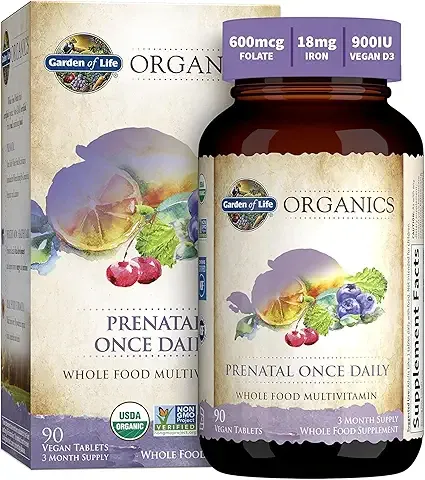
Not all prenatal vitamins are created equal. Understanding the role of each ingredient will empower you to choose a product that truly meets your needs. Here’s a breakdown of the all-star team of nutrients and their specific jobs.
Folate vs. Folic Acid: The Brain and Spine Builder
This is arguably the most critical nutrient in any prenatal supplements regimen.
Why it’s important: It dramatically reduces the risk of major birth defects of the baby’s brain (anencephaly) and spine (spina bifida).
The Dose: The standard recommendation is 600–800 mcg (micrograms) daily.
Key Consideration: Look for L-methylfolate or 5-MTHF on the label. This is the active form of folate that up to 60% of the population can metabolize more efficiently than synthetic folic acid. If you have the MTHFR gene mutation, this form is essential.
Iron: The Oxygen Superhighway
Iron needs skyrocket during pregnancy.
Why it’s important: Iron is a core component of hemoglobin, the protein in red blood cells that carries oxygen. You need more to supply your growing baby and placenta and to support your increased blood volume. Deficiency leads to iron-deficiency anemia, causing severe fatigue and increasing the risk of preterm delivery and low birth weight.
The Dose: Approximately 27 mg daily is standard. Your doctor may recommend more if you are anemic.
Pro Tip: Iron is best absorbed with Vitamin C and on an empty stomach, but if it causes nausea, take it with a small meal.
Omega-3 DHA: The Brain and Eye Architect
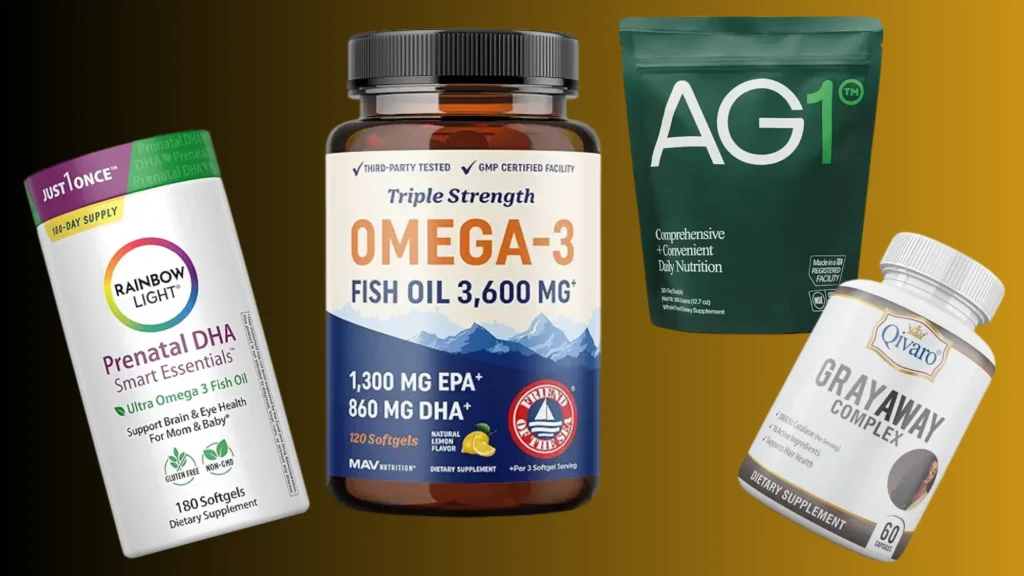
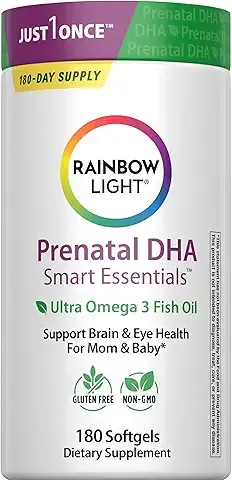
While often included in premium **prenatal supplements**, DHA is sometimes an add-on.
Why it’s important: Docosahexaenoic Acid (DHA) is an omega-3 fatty acid that is a primary structural component of the fetal brain and retina. Adequate intake is associated with improved cognitive function and vision development for the baby. It also supports maternal mood and may help reduce the risk of preterm birth.
The Dose: Aim for a supplement that provides at least 200–300 mg of DHA specifically.
Other Vital Players
A comprehensive prenatal includes a full spectrum of support:
Calcium & Vitamin D: This duo works together to build your baby’s bones and teeth while preserving your own bone density. Vitamin D also supports immune function.
Choline: This is a newer superstar nutrient. It is crucial for brain development and helps prevent neural tube defects, working synergistically with folate. Look for at least 100 mg, though some experts recommend closer to 450 mg.
Iodine: Essential for the development of the baby’s brain and nervous system, as well as for regulating your thyroid function.
How to Choose the Best Prenatal Supplements for Your Unique Needs
With the science in mind, it’s time to find the right product for you. The “best” prenatal is the one you can tolerate consistently and that meets your specific nutritional requirements.
Navigating Different Forms: Pills, Gummies, and Liquids
Tablets/Capsules: These are the most common. They often contain the highest doses of nutrients, including iron, which is not found in most gummies. However, their size can be difficult for some to swallow and they may cause nausea.
Gummies: A tasty and easy-to-take option that is often gentler on a sensitive stomach. The major drawback is that they almost universally lack iron and calcium, as these minerals are difficult to formulate in a gummy. You may need separate supplements.
Liquids/Powders: These are excellent for those with severe aversions to pills or digestive issues. They are easily absorbed and often allow you to customize the dose.
Key Considerations Before You Buy
1. Doctor’s Recommendation: Always start by asking your healthcare provider. They know your health history and can recommend a type and dose tailored for you.
2. Third-Party Testing: Look for brands that are certified by a third-party lab (like USP, NSF, or ConsumerLab.com). This ensures the product actually contains what the label says and is free from contaminants.
3. Your Dietary Preferences: There are excellent vegan, vegetarian, gluten-free, and allergen-free prenatal supplements available. Read labels carefully.
4. Tolerability: If a vitamin makes you feel nauseous, don’t suffer in silence. Try taking it with a meal, at night before bed, or switch to a different form. Consistency is more important than powering through with a brand that makes you miserable.
Top 5 Highly-Rated Prenatal Supplements of 2025
To target featured snippets and provide immediate value, here is a comparison of five top-rated options across different categories. (Note: Always consult your doctor before choosing.)
| Brand & Product | Key Features | Best For | Form | Contains Iron? |
|---|---|---|---|---|
| 1. Thorne Research Basic Prenatal | High-quality, no unnecessary fillers, third-party tested, contains Methylfolate. | Those seeking a pure, professional-grade supplement without dyes or allergens. | Capsule | Yes (25 mg) |
| 2. MegaFood Baby & Me 2 | Made with real food, gentle on the stomach, non-GMO, crafted for sensitive systems. | Women with sensitive stomachs or who prefer a food-based vitamin. | Tablet | Yes (18 mg) |
| 3. Full Circle Prenatal Vitamin | Comprehensive with high-dose Choline (550mg) and Methylfolate, designed by obstetricians. | Those wanting cutting-edge nutrition with a focus on brain development. | Capsule | Yes (27 mg) |
| 4. Olly The Essential Prenatal Gummy | Great taste, easy to take, contains Methylfolate. | Anyone who struggles with pills and needs a palatable option. | Gummy | No |
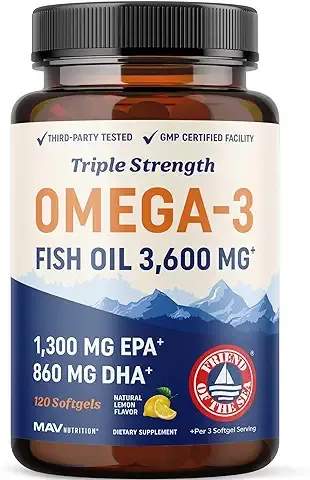
| 5. Nordic Naturals Prenatal DHA | Not a full multivitarian but the top-rated standalone DHA supplement from purified fish oil. | Anyone needing to add high-quality DHA to their existing prenatal regimen. | Liquid Softgel | No |
To target featured snippets and provide immediate value, here is a comparison of five top-rated options across different categories. (Note: Always consult your doctor before choosing.)
Common Mistakes to Avoid with Your Prenatal Regimen
Starting your prenatal supplements is step one. Avoiding these common pitfalls will ensure you get the full benefit.
Starting Too Late
As mentioned, neural tube defects occur in the first month of pregnancy. If you are trying to conceive, start taking a prenatal vitamin at least three months beforehand. Think of it as building up your nutritional stores for the marathon ahead.
Inconsistent Use
Taking your vitamin sporadically negates its purpose. Your body needs a consistent daily supply of nutrients to support constant fetal growth. Set a daily alarm or keep them next to your toothbrush to build a foolproof habit.
Ignoring Your Body’s Signals
While some nausea is common, severe stomach upset or constipation is not something you have to live with. Your body might be reacting to the form of iron, the fillers in the vitamin, or simply the dose. Don’t be afraid to try a different brand after consulting with your doctor. There are countless options for a reason.
Doubling Up “Just in Case”
More is not always better. Megadoses of certain fat-soluble vitamins (like A, D, E, and K) can actually be toxic and harmful to your baby. Never take a double dose to make up for a missed one, and avoid adding any additional supplements (like extra vitamin A) without explicit direction from your healthcare provider.
Conclusion
Choosing and taking **prenatal supplements** is one of the simplest yet most powerful actions you can take for your pregnancy journey. It’s a daily commitment to providing your baby with the foundational nutrients needed to thrive and to protecting your own health along the way. Remember, the goal isn’t perfection—it’s informed, consistent effort.
You now understand the critical roles of folate, iron, DHA, and other key players. You have a framework for evaluating different brands and forms, and you’re aware of the common mistakes to avoid. Use this knowledge as a starting point for a conversation with your doctor or midwife. They can help you tailor these general recommendations to your unique body and pregnancy. You’ve got this!
What has your experience been with prenatal supplements? Did you find one you love? Share your tips and questions in the comments below to help other expecting parents in our community!
FAQs
1. When should I start taking prenatal supplements?
Ideally, you should start taking prenatal supplements at least three months before you begin trying to conceive. This helps build up essential nutrient stores, like folate, which is critical in the very early stages of pregnancy before you may even know you’re pregnant.
2. Can I just take a regular multivitamin instead of a prenatal?
No, regular multivitamins are not a suitable substitute for prenatal supplements. Prenatals are specifically formulated with higher levels of certain nutrients that are vital for fetal development, such as folic acid and iron, and they omit excessive amounts of vitamins like Vitamin A, which can be harmful in high doses during pregnancy.
3. What is the most important ingredient to look for in prenatal supplements?
While all ingredients are important, folate (or folic acid) is often considered the most critical. Its proven role in preventing devastating neural tube defects makes it a non-negotiable component of any high-quality prenatal supplements regimen.
4. Do prenatal supplements cause constipation?
Many prenatal supplements contain iron, which is a common cause of constipation. To mitigate this, ensure you are drinking plenty of water, eating a fiber-rich diet, and staying active. If it remains a problem, talk to your doctor about trying a different form of iron or a prenatal with a lower dose (if your levels are sufficient).
5. Are gummy prenatal supplements effective?
Gummy prenatal supplements can be effective for providing many essential vitamins; however, they almost always lack two critical minerals: iron and calcium. If you choose a gummy prenatal, you will likely need to take separate iron and calcium supplements under your doctor’s guidance to ensure you are meeting your daily requirements.