
This post may contain Affiliate links. If you buy anything via the link, I will earn a small commission without any effect on your payment. Thank you for your support.
Introduction

“Inside Kid’s Brain” takes you on a captivating exploration of children’s psychology, offering valuable insights into the complex and fascinating world of young minds.
This insightful eBook delves into various aspects of child development, cognitive processes, emotions, and social interactions, shedding light on the factors that shape their behaviors and attitudes.
Drawing from the latest research and real-life examples, this book provides practical tips and strategies for parents, educators, and anyone interested in understanding and nurturing the growth of children.
Gain a deeper understanding of how children think, learn, and perceive the world around them with “Inside Kid’s Brain.”
105 Easy reading pages.
Preparing for your baby’s arrival brings a mix of excitement and nervousness, especially when it comes to having everything ready for that momentous trip to the hospital. Creating a comprehensive newborn hospital bag checklist is one of the most practical steps you can take during the third trimester. With your due date approaching, having a well-packed hospital bag isn’t just convenient—it’s essential for your comfort and peace of mind during labor, delivery, and those precious first days with your newborn.
Many expectant parents find themselves overwhelmed when deciding what to pack for their hospital stay. Should you bring multiple baby outfits? What maternal care items are truly necessary? Will the hospital provide diapers or should you bring your own? The questions seem endless, and the last thing you want is to be frantically gathering items when contractions begin.
This comprehensive guide will walk you through everything you need to know about creating the perfect newborn hospital bag checklist, including must-have items for mom, baby, and partner, when to pack your bag, and expert tips to ensure nothing important is forgotten. By the end of this article, you’ll have the confidence to prepare a hospital bag that meets all your needs during this life-changing experience.
Understanding Newborn Hospital Bag Checklist – What Every Parent Should Know
What is a newborn hospital bag checklist?
A newborn hospital bag checklist is a comprehensive inventory of essential items that expectant parents should pack for their hospital stay during labor, delivery, and the postpartum period. This organizational tool ensures you have everything needed for yourself, your newborn, and your support person during this significant life event. Unlike regular travel packing, a newborn hospital bag checklist addresses the unique medical, comfort, and practical needs specific to childbirth and those first days with your baby.
This checklist typically includes:
- Essential documents (insurance cards, ID, birth plan)
- Comfort items for labor (massage tools, birth ball, focal point objects)
- Postpartum recovery supplies (nursing bras, maternity pads, comfortable clothing)
- Newborn necessities (going home outfit, diapers, swaddles)
- Basic toiletries and personal care items
- Electronics and entertainment for longer labor or recovery
- Snacks and drinks for energy during labor and recovery
Most healthcare providers recommend preparing your newborn hospital bag checklist between weeks 35-37 of pregnancy, giving you ample time to gather items while ensuring you’re prepared for an early arrival.
Why newborn hospital bag checklist Matters for Your Baby’s Development
While a newborn hospital bag checklist might seem purely practical, it actually plays a significant role in creating an optimal environment for your baby’s earliest developmental experiences. Those first hours and days are critical for bonding, establishing breastfeeding, and creating a sense of security for your newborn.

Embark on an intimate and comprehensive exploration of pregnancy with “Nine Months of Change: A Couple’s Journey Through Pregnancy.” This insightful ebook is your ultimate companion for the transformative journey from conception to birth, offering a unique perspective that embraces both partners’ experiences.
Discover:
• The emotional rollercoaster of early pregnancy and how to navigate it together
• Week-by-week changes in the mother’s body and the developing baby
• The father-to-be’s emotional journey and essential role throughout pregnancy
• Practical advice for managing physical discomforts and emotional challenges
• Expert guidance on prenatal care, nutrition, and exercise
• Special focus on preparing for and recovering from a cesarean delivery
• Strategies for strengthening your relationship during this life-changing time
Whether you’re excitedly expecting your first child or preparing to grow your family, this ebook offers:
• Real-life insights from couples who’ve been there
• Expert advice from healthcare professionals
• Practical tips for preparing your home and lives for a new addition
• Guidance on building a strong support network
• Honest discussions about the impact of pregnancy on intimacy and relationship dynamics
“Nine Months of Change” goes beyond the typical pregnancy guide by:
• Addressing the often-overlooked emotional journey of fathers-to-be
• Providing in-depth information on cesarean births for couples facing this possibility
• Offering strategies for couples to stay connected and support each other
• Extending guidance into the early postpartum period to ease the transition to parenthood
Written with warmth, humor, and medical accuracy, this ebook is an indispensable resource for any couple navigating the exciting, challenging, and profoundly rewarding journey of pregnancy. Celebrate each milestone, prepare for the changes ahead, and strengthen your partnership as you embark on the beautiful path to parenthood.
Begin your informed, empowered, and united pregnancy journey today with “Nine Months of Change: A Couple’s Journey Through Pregnancy.”
Having the right items ready supports:
- Skin-to-skin contact: Comfortable, easy-access clothing for parents facilitates immediate bonding.
- Feeding success: Having nursing pillows, nipple cream, and lactation resources ready supports early breastfeeding establishment.
- Temperature regulation: Appropriate baby clothing and swaddles help maintain your newborn’s body temperature.
- Sensory development: Soft, familiar blankets and gentle baby care products provide positive sensory experiences.
- Stress reduction: When parents are comfortable and have their needs met, they can focus more fully on responding to their baby’s cues.
Research shows that reducing stress during and after birth benefits both maternal recovery and newborn adaptation to life outside the womb. A well-prepared newborn hospital bag checklist minimizes anxiety and allows families to focus on what matters most—welcoming their new baby.
Common Myths About newborn hospital bag checklist
Several misconceptions surround the process of preparing a hospital bag, which can lead to overpacking or missing essential items. Let’s debunk these myths:
Myth 1: The hospital provides everything you need.
While hospitals do provide basic supplies like diapers and wipes, the quality and brand may not be what you prefer for your baby. Many hospitals no longer provide mothers with personal care items like peri bottles or cooling pads. Additionally, comfort items that make your stay more pleasant are rarely provided.
Myth 2: You need to pack weeks’ worth of baby clothes.
Reality: Your newborn will likely spend most of the hospital stay in hospital-provided shirts and swaddles. You only need 1-2 options for photos and a going-home outfit.
Myth 3: Your newborn hospital bag checklist should focus primarily on baby items.
Truth: While baby essentials are important, most of your packing should address maternal recovery needs. Many new parents are surprised by how much they need for their own comfort and healing.
Myth 4: You can just throw things together at the last minute.
Fact: Labor can start unexpectedly, and having a thoughtfully packed bag reduces stress during an already intense time. A proper newborn hospital bag checklist should be completed and packed by 37 weeks.
Myth 5: You need to bring your own pain medication and medical supplies.
Reality: The hospital provides all necessary medical equipment and medications. Your focus should be on comfort items that supplement medical care.
Essential Items & Supplies for newborn hospital bag checklist
Must-Have Products for newborn hospital bag checklist
When preparing your newborn hospital bag checklist, certain items are non-negotiable for a comfortable hospital experience. These essentials address the needs of both parent and baby during labor, delivery, and recovery:
For the Birthing Parent:
- Important documents: Insurance card, ID, hospital pre-registration papers, and birth plan (2 copies)
- Labor comfort items: Lip balm, hair ties, socks, massage oil, and a spray bottle for cooling
- Postpartum clothing: 2-3 nursing bras, 2-3 nightgowns or pajama sets with nursing access, comfortable underwear (3-5 pairs), loose going-home outfit
- Recovery supplies: High-waisted underwear or adult diapers, extra-absorbent maternity pads, peri bottle, nipple cream, and nursing pads
- Personal hygiene items: Toothbrush, toothpaste, face wash, shampoo, conditioner, deodorant, hairbrush, and shower flip-flops
For Baby:
- Clothing: 2-3 side-snap or kimono-style shirts, 1-2 going-home outfits (weather appropriate), hat, mittens, and socks
- Diapering: Small pack of newborn diapers, gentle wipes, diaper cream
- Feeding supplies: Nursing pillow, burp cloths (2-3)
- Car seat: Properly installed infant car seat (required for hospital discharge)
For Support Person:
- Comfort items: Pillow, blanket, and change of clothes
- Toiletries: Basic personal care items
- Entertainment: Phone charger, books, tablet, and snacks
These essential items ensure both physical comfort and practical readiness for the hospital stay. Having them organized according to your newborn hospital bag checklist will allow you to focus on the birth experience rather than worrying about forgotten necessities.

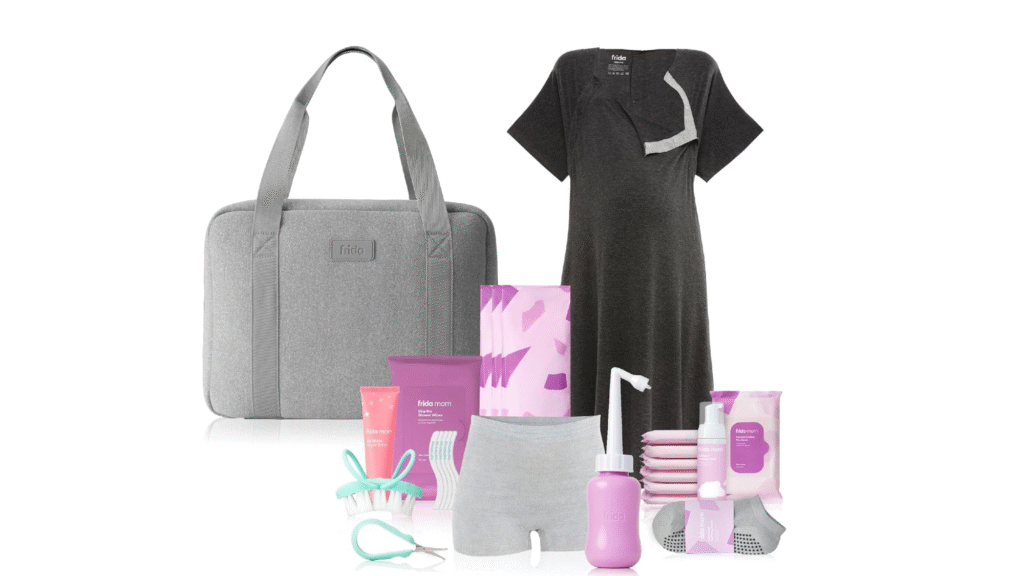
- COMPLETE HOSPITAL BAG CHECKLIST FOR LABOR TO NEWBORN CARE: The ultimate pre-packed maternity bag containing essentials for three critical phases: labor & delivery, postpartum recovery, and newborn care. Skip the stress of forgotten items with this comprehensive birth preparation kit.
- ESSENTIAL POSTPARTUM RECOVERY KIT: Healing collection includes specialized perineal care (Upside Down Peri Bottle, Witch Hazel Pad Liners, Perineal Healing Foam), postpartum bleeding management (Disposable Underwear, Ice Maxi Pads, Regular Postpartum Pads), plus Nipple Balm for breastfeeding comfort and Body Wipes for freshness.
- NEWBORN CARE ESSENTIALS: Baby’s first grooming kit features Frida Baby Nail Scissors, safety Nail Files, and specially designed Head-Hugging Hairbrush with Styling Comb – essential tools new parents need during those critical first weeks.
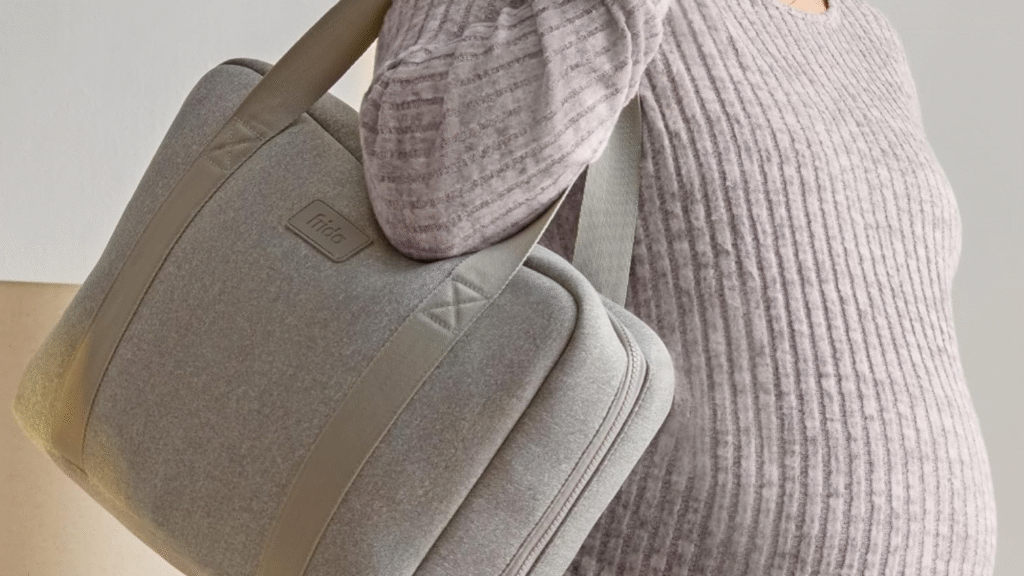
- PRE-ORGANIZED MATERNITY HOSPITAL BAG: Strategically compartmentalized design ensures immediate access to labor support items, followed by postpartum recovery necessities, saving precious time and reducing stress during birth. The ultimate prepared mom solution.
- MULTI-FUNCTIONAL DIAPER BAG & PUMP BAG TRANSITION: Unlike single-use hospital bags, this versatile maternity tote transitions seamlessly to daily life with removable toiletry organizers, specialized storage pockets, and convenient suitcase attachment strap – perfectly designed for the modern mom’s lifestyle beyond the birthing center.
Optional but Helpful Items
Beyond the essentials, these supplementary items can significantly enhance your comfort and experience during your hospital stay:
For Enhanced Comfort:
- Bluetooth speaker for calming music or meditation
- Essential oil diffuser (check hospital policy first)
- Your own pillow with colored pillowcase (to distinguish from hospital linens)
- Warm socks with grips for walking hospital halls
- Cooling face mist for labor
- Handheld battery-operated fan
- Eye mask and earplugs for better rest
For Convenience:
- Extension cord or multi-plug adapter (hospitals often have limited outlets)
- Small portable sound machine to help baby sleep in a noisy hospital
- Lightweight robe for hallway walks
- Empty tote bag for hospital gifts and supplies
- Folder for organizing discharge papers and newborn information
For Memory-Making:
- Birth announcement sign for photos
- Newborn outfit for professional photos (if hospital offers this service)
- Small instant camera for quick prints
- Journal to record birth story details and first impressions
- Letter board for milestone announcements
While not strictly necessary, these items can make a significant difference in your hospital experience. Your newborn hospital bag checklist should include the optional items that matter most to you based on your personal preferences and birth plan.
Budget-Friendly Alternatives
Creating a comprehensive newborn hospital bag checklist doesn’t have to strain your finances. Here are cost-effective options that provide the same benefits as more expensive alternatives:
| Premium Item | Budget-Friendly Alternative | Savings |
|---|---|---|
| Specialized labor gown ($40-70) | Oversized button-down shirt from home ($0) | $40-70 |
| High-end peri bottle ($15-25) | Hospital-provided peri bottle + clean condiment squeeze bottle ($0-2) | $15-23 |
| Premium nursing pajamas ($50-80) | Button-down pajama set ($15-25) | $35-55 |
| Luxury postpartum recovery kit ($60-100) | DIY kit: adult diapers, witch hazel pads, & aloe vera ($20-30) | $40-70 |
| Designer diaper bag ($100-200+) | Large tote bag or backpack from home ($0) | $100-200+ |
| Specialized nursing cover ($25-40) | Multi-use muslin swaddle blanket ($10-15) | $15-25 |
Additional money-saving strategies:
- Use hotel toiletry bottles to pack small amounts of your regular products
- Borrow rarely-used items like a birthing ball from friends or local parents’ groups
- Check if your hospital provides items like nursing pillows before purchasing
- Use plain white onesies instead of special outfits for hospital photos
- Take home the hospital-provided supplies (many nurses will encourage this)
- Look for secondhand nursing wear on marketplace apps
Remember that the most important aspects of your newborn hospital bag checklist are functionality and comfort, not brand names or specialty products. Many everyday items you already own can serve multiple purposes during your hospital stay.
Step-by-Step Guide to newborn hospital bag checklist
Preparation Steps
Before diving into packing your hospital bag, proper preparation ensures you’ll have everything you need organized and ready to go. Follow these preliminary steps to create an effective newborn hospital bag checklist:
Research your hospital’s policies: Call your birthing facility or check their website to determine:
- What basic supplies they provide (diapers, pads, mesh underwear)
- Their policy on bringing outside items (birth balls, essential oil diffusers)
- How many support people can be present
- If they have special requirements for COVID-19 or other health protocols
Consider your birth preferences: Review your birth plan to ensure your packing supports your desired experience:
- If planning an unmedicated birth, include more comfort measures and labor aids
- If planning for an epidural, pack items that help with remaining comfortable in bed
- For scheduled C-sections, include high-waisted underwear and loose clothing
Assess the season and hospital environment:
- Check if hospital rooms run hot or cold (ask your provider or hospital tours)
- Consider the weather for your going-home outfit and baby’s clothing
- Plan for appropriate layers that accommodate fluctuating body temperature
Create a categorized newborn hospital bag checklist: Divide your list into sections:
- Labor and delivery items
- Postpartum recovery supplies
- Baby necessities
- Partner/support person needs
- Documentation and electronics
- Toiletries and personal care
Purchase missing items by 35 weeks: This gives you time to order online or find specific products while avoiding last-minute shopping.
Set up a staging area: Designate a corner of your bedroom or nursery for collecting all hospital bag items so you can gradually gather everything in one place.
These preparation steps create a solid foundation for your newborn hospital bag checklist and packing process, making the task less overwhelming and ensuring you don’t overlook important items.
Implementation Process
Now that you’ve done the preparation work, follow this step-by-step process to efficiently pack your hospital bag using your newborn hospital bag checklist:
Select appropriate bags (34-36 weeks):
- Main hospital bag: Medium duffel or small rolling suitcase
- Labor-specific bag: Small tote with accessible labor essentials
- Cooler bag for snacks and drinks
- Empty tote for bringing home new items and hospital supplies
Pack documents and valuables (34-36 weeks):
- Place insurance cards, ID, hospital paperwork in a dedicated folder
- Include birth plan copies (2-3)
- Add small wallet with minimal cash and one credit card
- Store in an easily accessible outer pocket
Pack labor and immediate delivery items (35-36 weeks):
- Labor comfort tools (massage rollers, tennis balls, focal point object)
- Birth ball (if not bringing one, pack the inflation pump if hospital provides)
- Labor outfit and socks
- Hair ties, clips, and headband
- Lip balm and face spray
- First nursing bra for after delivery
Organize postpartum recovery supplies (35-36 weeks):
- Use zippered pouches or packing cubes to sort:
- Postpartum underwear and pads
- Nursing supplies (nipple cream, nursing pads)
- Personal hygiene products
- Comfort measures (perineal ice packs, witch hazel pads)
- Use zippered pouches or packing cubes to sort:
Pack baby essentials (35-36 weeks):
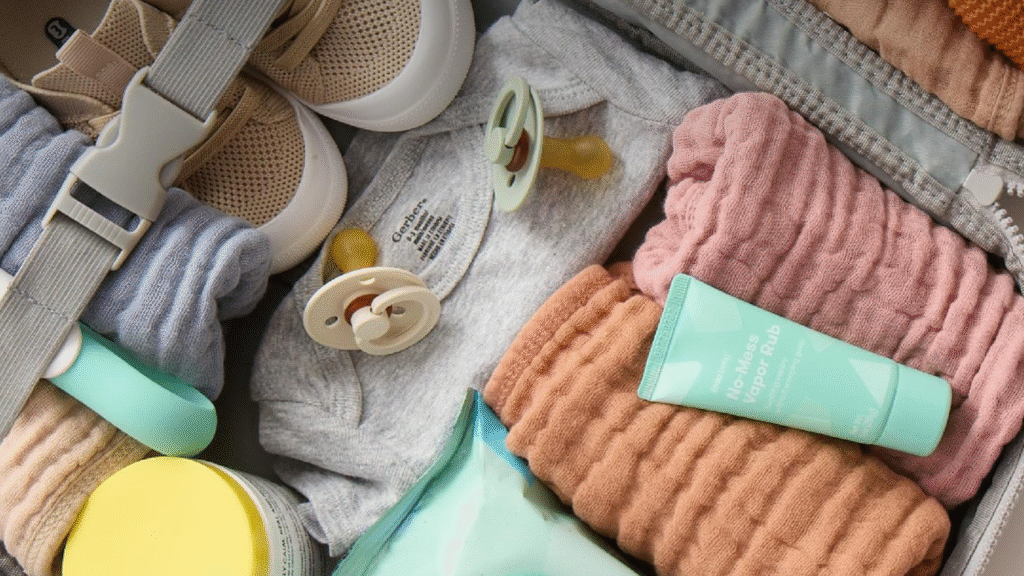
- Coming home outfit (plus one backup in different size)
- Hat, mittens, and socks
- Swaddle or receiving blanket
- Car seat (keep in car, but ensure it’s installed by 37 weeks)
Add clothing and personal items (36-37 weeks):
- Nightgowns or pajamas (2-3 sets)
- Going-home outfit (loose and comfortable)
- Nursing bras (2-3)
- Slippers and flip flops for shower
- Robe or cardigan for visitors or hallway walking
Include toiletries and self-care items (36-37 weeks):
- Travel-sized toiletries in clear bag
- Hairbrush, dry shampoo, hair ties
- Makeup basics (if desired)
- Glasses/contacts and supplies
Pack technology and entertainment (36-37 weeks):
- Phone chargers (extra long cords recommended)
- Tablet/e-reader and chargers
- Bluetooth speaker
- Camera if not using phone
- Battery pack for backup power
Add comfort items (36-37 weeks):
- Pillow from home with non-white pillowcase
- Light blanket
- Photos or meaningful object
- Earplugs and eye mask
Final check and placement (37 weeks):
- Review complete newborn hospital bag checklist
- Place bag by door or in car trunk
- Add list of last-minute items to grab (phone, charger, toiletries in use)
By following this systematic approach to implementing your newborn hospital bag checklist, you’ll ensure everything is properly organized and ready when labor begins.

- Large Capacity Diaper Bag: The size of the diaper bag backpack is 16.1*6.3*11.8 inch, with fifteen partitioned scientific pockets. It can effortlessly hold mom and baby’s essentials when you’re out and about with baby. The front insulated bottle pockets can hold most of wide neck or tall baby bottles and keep baby’s meals warm. There is also a removable pacifier case and a waterproof bag for wet clothes
- Multifunctional Baby Bag: Our diaper backpack is not only for storage but also a portable diaper changing station with a comfortable pad and mosquito net. Protect your baby better outdoors. The baby diaper bag has a USB charging port on the side (Built with power cable, you have to connect your cable with your power bank to charge the phone)
- 900D Oxford Fabric: Our diaper bag is made of durable, waterproof and lightweight fabric. It is more resistant to warping and tearing than other polyester diaper bags. It has a double zipper design and is very smooth to open and close the backpack. Reinforced seams in shoulder straps and handle, without ripping. And the shoulder straps are breathable for more comfortable carrying
- Multiple Carrying Methods: The diaper bag with changing station can be worn as a backpack, tote bag or hung on the stroller. Easy-grab handle, ergonomic back design and thick padded shoulder straps provide you a comfortable carrying feeling. The diaper backpack with fixed stroller buckles allow you to hanging on a stroller. Suitable for travel or going out
- Great New Mom Gifts: This travel diaper bag has a simple and neutral design and with exquisite packing is not only suitable for moms but also for dads,so it can be a good choice as a gift for a new papa or mama, grandfather, grandmother, etc. And the baby bag for mom is available in different colors, there’s always a color for you
Troubleshooting Common Issues
Even with careful planning, challenges can arise with your newborn hospital bag checklist. Here are solutions to common problems expectant parents encounter:
Problem: Overpacking and bag too heavy
- Solution: Create a separate “overflow bag” that stays in the car, containing extra clothing and less essential items. Your partner can retrieve it if needed.
- Alternative: Use space-saving compression bags to reduce bulkiness while keeping everything on your newborn hospital bag checklist.
Problem: Forgetting last-minute items
- Solution: Create a “grab list” on your phone of items you use daily (phone charger, toothbrush) that can’t be packed ahead of time.
- Backup plan: Ask your partner or support person to return home for forgotten essentials while you get settled at the hospital.
Problem: Not knowing what the hospital provides
- Solution: Pack travel sizes of everything on your newborn hospital bag checklist, then use hospital supplies if available and keep yours as backup.
- Pro tip: Call labor and delivery directly to ask specifically what they provide for mother and baby.
Problem: Unexpected C-section when packed for vaginal delivery
- Solution: Include a few C-section specific items (high-waisted underwear, abdominal binder, loose dresses) in your bag just in case.
- Helpful tip: Pack slip-on shoes as bending may be difficult after a C-section.
Problem: Hospital stay longer than expected
- Solution: Prepare a small supplementary bag with extra clothing and supplies that someone can bring if your stay is extended.
- Alternative: Include contact information for a friend who could shop for needed supplies if your stay is unexpectedly long.
Problem: Baby arrives before bag is fully packed
- Solution: Starting at 35 weeks, keep a “bare minimums” bag with just absolute essentials (ID, phone charger, basic toiletries, one outfit for baby).
- Emergency option: Most hospitals can provide basic necessities if you arrive unprepared.
Problem: Baby size different than expected
- Solution: Pack one newborn size and one 0-3 month outfit for baby’s going home clothes.
- Tip: Bring baby clothes with stretchy fabric that can accommodate different sizes.
Problem: Seasonal weather changes
- Solution: Include layering options for both you and baby that can work in varying temperatures.
- Quick fix: Keep a universal layer (light cardigan for you, baby blanket) in the car year-round.
By anticipating these potential challenges and having contingency plans, your newborn hospital bag checklist becomes more than just a packing guide—it becomes a comprehensive strategy for a smooth hospital experience regardless of circumstances.
Top 10 Benefits of newborn hospital bag checklist for Baby & Parents
Developmental & Health Benefits for Baby
Creating a thorough newborn hospital bag checklist offers significant advantages for your newborn’s earliest experiences:
1. Promotes Optimal Temperature Regulation
Having appropriate clothing and swaddles ready helps maintain your baby’s body temperature during those crucial first hours and days. Newborns struggle to regulate their temperature independently, and having the right layers packed ensures they stay comfortably warm without overheating. This temperature stability supports proper metabolic function and reduces stress on their developing systems.
2. Enhances Successful Feeding Initiation
When your newborn hospital bag checklist includes lactation support items like nursing pillows, nipple cream, and comfortable nursing wear, you’re setting the stage for successful early feeding. Research shows that comfortable, stress-free early feeding experiences help establish breastfeeding patterns and contribute to better nutritional outcomes for your baby.
3. Creates Familiar Sensory Environment
Bringing your own baby blankets and clothing provides consistent tactile experiences for your newborn. These items carry your home’s scent and offer familiar textures that comfort your baby during their transition from womb to world. This sensory consistency helps reduce stress hormones and supports neurological development.
4. Ensures Skin Protection and Care
Having gentle, pediatrician-approved baby care products ready prevents exposure to potentially harsh hospital-provided options. Your newborn hospital bag checklist should include mild, fragrance-free options that protect your baby’s delicate skin barrier—an important defense against infections and irritants during these early days.
5. Facilitates Bonding Through Preparedness
When basic needs are anticipated and met quickly, both parents can focus more on bonding with their newborn rather than worrying about missing essentials. This uninterrupted connection time supports attachment development and provides the consistent care that builds your baby’s sense of security and trust.
By ensuring these developmental needs are addressed in your newborn hospital bag checklist, you’re creating an environment that supports your baby’s healthiest start.
Advantages for Parents
A well-prepared newborn hospital bag checklist offers numerous benefits for parents navigating the intense experience of childbirth and early parenting:
1. Reduces Decision Fatigue and Mental Load
During labor and recovery, your cognitive resources are better directed toward your birth experience and bonding with your baby—not wondering where clean underwear is. A comprehensive newborn hospital bag checklist eliminates hundreds of small decisions during an already overwhelming time, preserving your mental energy for what matters most.
2. Enhances Physical Comfort During Recovery
Thoughtfully packed personal items like a soft robe, non-slip socks, and your own toiletries significantly improve physical comfort during recovery. Having your preferred postpartum care products ready means you won’t have to make do with hospital basics, especially important for perineal care after vaginal birth or incision care after a C-section.
3. Provides Emotional Security and Reduces Anxiety
Having familiar objects from home—your own pillow, comfortable clothes, photos, or meaningful items—creates psychological comfort in the clinical hospital environment. This emotional security can reduce stress hormones that might otherwise interfere with labor progression, milk production, and healing.
4. Supports Partner/Support Person’s Endurance
Your newborn hospital bag checklist should include items for your support person—snacks, comfort items, entertainment options, and change of clothes. When their basic needs are met, they can provide better, more consistent support throughout the birth process and early recovery.
5. Creates Financial Preparedness
By planning ahead with your newborn hospital bag checklist, you avoid costly hospital gift shop purchases or rushed delivery orders. This financial foresight is particularly valuable as you transition to the expenses of new parenthood.
These parent-centered benefits highlight how a well-planned hospital bag serves as more than just a collection of necessities—it’s a tool for creating a supported, positive birth experience.
Long-Term Impact on Family Wellbeing
The benefits of creating a thorough newborn hospital bag checklist extend far beyond the hospital stay, influencing family dynamics and wellbeing for months to come:
1. Establishes Organizational Patterns for Parenting
The process of researching, planning, and packing your hospital bag develops organizational skills that transfer to other parenting challenges. Parents who master the newborn hospital bag checklist often find themselves better prepared for organizing diaper bags, planning outings, and managing the logistics of life with a newborn.
2. Builds Confidence in Parental Decision-Making
Successfully anticipating your needs during birth and recovery reinforces your ability to make good choices for your family. This confidence carries forward into everyday parenting decisions, from feeding methods to sleep arrangements and beyond. Many parents report that their hospital preparation was their first real test of parental planning.
3. Strengthens Partnership Dynamics
Creating a newborn hospital bag checklist together encourages communication about needs, preferences, and expectations around birth and early parenting. Couples who collaborate on this process often develop stronger communication patterns that benefit their relationship during the challenging postpartum period.
4. Reduces Postpartum Stress Triggers
When basic needs are anticipated and met during the hospital stay, parents start their postpartum journey with less accumulated stress. This can contribute to lower rates of postpartum anxiety and depression, as the transition to home begins from a place of greater physical comfort and emotional preparedness.
5. Creates Positive Birth Memories
The details you include in your newborn hospital bag checklist—comfortable clothing, camera for photos, special items for the first meeting with baby—help create positive, meaningful memories of your birth experience. These memories form an important part of your family story and can influence how you approach subsequent births if you choose to have more children.
By recognizing the long-term benefits of thorough hospital preparation, parents can approach the task with greater purpose and appreciation for how these early organizational efforts ripple through their family’s wellbeing.
Expert Tips, Alternative Methods & Age-Specific Advice
Tips for Newborns (0-3 Months)
When preparing your newborn hospital bag checklist specifically for a brand-new baby, consider these specialized recommendations from pediatric nurses and newborn care specialists:
Clothing Considerations:
- Select side-snap or kimono-style shirts that don’t need to go over baby’s head and won’t irritate the umbilical stump
- Bring one outfit in newborn size and one in 0-3 months, as birth weight predictions can be inaccurate
- Pack mittens to prevent facial scratches from newborn’s sharp nails
- Choose outfits with built-in foot coverage, as newborn socks rarely stay on
Comfort & Care Items:
- Include a small, soft muslin swaddle blanket even if the hospital provides blankets, as the familiar fabric will carry your scent
- Pack a small, soft-bristled brush for newborn hair, especially helpful for babies born with thick hair
- Consider bringing a white noise sound machine or app to mimic womb sounds for better sleep in the noisy hospital
- Add infant-safe essential oils (lavender, chamomile) on a cloth (not directly on baby) to create a calming environment
Feeding Essentials:
- If breastfeeding, include nursing support items like nipple shields if recommended by your lactation consultant
- If formula feeding, confirm whether your hospital provides your preferred formula or if you should bring your own
- Pack small burp cloths that can double as cleaning cloths for milk dribbles
- Consider a nursing bracelet or tracking app to monitor feeding times during the hospital stay
Documentation & Memory Items:
- Bring a small notebook to record feeding times, diaper counts, and medical information
- Include a special “coming home” outfit with matching hat for photos
- Consider packing a birth announcement sign for hospital photos
- Bring an inkpad for footprints if the hospital doesn’t provide this service
These newborn-specific items complement your basic newborn hospital bag checklist and address the unique needs of the earliest days, helping to make your hospital stay with your newborn more comfortable and meaningful.
Adjustments for Older Babies & Toddlers (3+ Months)
If you’re preparing for a subsequent birth while caring for an older child, your newborn hospital bag checklist needs additional considerations to ensure smooth transitions for the whole family:
Hospital Visit Preparations:
- Pack a special “big sibling” gift that the new baby “gives” to your older child
- Include a photo book showing what happens at the hospital to prepare toddlers for their visit
- Bring familiar snacks and drinks for your older child during hospital visits
- Add small, quiet activities (coloring books, sticker sheets) to keep toddlers occupied in the hospital room
Home Transition Planning:
- Include detailed schedules for caregivers watching your older children while you’re in the hospital
- Pack a few days’ worth of pre-prepared meals and snack instructions for your toddler
- Include comfort items from your older child (drawing, small toy) to keep with you and the baby
- Prepare a hospital bag for your toddler if they’ll be staying with relatives
Sibling Bonding Facilitation:
- Pack a child-friendly camera so your toddler can take their own photos of the new baby
- Include matching items (hats, swaddles) for coordinated sibling photos
- Bring age-appropriate books about new babies and becoming a big brother/sister to read together
- Pack a simple activity the siblings can “do together” (like a finger painting the toddler starts and baby adds a footprint to)
Parent Multitasking Support:
- Add double-duty items to your newborn hospital bag checklist that work for both children
- Pack extra snacks and entertainment options for yourself, as you may have less rest time with visitors
- Include a small bag of toys that are new to your toddler for hospital visits
- Bring a nursing cover that can double as a privacy screen for toddler cuddles
These adjustments transform your basic newborn hospital bag checklist into a family transition plan, acknowledging that the hospital stay affects all family members, not just the new baby. With thoughtful preparation, you can make the experience positive and inclusive for children of all ages.
Alternative Methods & Different Parenting Styles
Your newborn hospital bag checklist can and should reflect your unique parenting philosophy. Here’s how to adapt your packing for different approaches:
For Natural/Physiological Birth Advocates:
- Expand the labor supports section with:
- Birth ball and pump (check if hospital allows)
- Aromatherapy oils and diffuser (if permitted)
- LED flameless candles for ambiance
- Homemade electrolyte drinks and honey sticks for energy
- Comprehensive birth plan (3-5 copies)
- Rebozo or similar cloth for labor positions
- Add natural comfort measures:
- Herbal perineal compresses (pre-approved by provider)
- Organic nipple balm and breast compresses
- Natural fiber clothing for baby’s first outfits
For Attachment Parenting Approaches:
- Prioritize skin-to-skin items on your newborn hospital bag checklist:
- Front-opening clothing for extended contact
- Ring sling or wrap carrier (for in-hospital babywearing after recovery)
- Co-sleeper information if planning to discuss with hospital staff
- Extra pillows for comfortable nursing positions
- Nursing-friendly sleepwear for overnight feeding sessions
For Montessori/Child-Led Approaches:
- Include development-supporting items:
- High-contrast black and white cards for visual stimulation
- Small organic cotton toy with simple texture
- Mirror (unbreakable) for baby to observe themselves
- Simple wooden rattle or grasping toy
- Documentation materials to observe and note baby’s natural preferences
For Minimalist Parenting:
- Streamline your newborn hospital bag checklist to essentials:
- Multi-purpose items (like swaddles that can be blankets, nursing covers, or changing pads)
- Limited clothing in neutral colors
- Simplified toiletries in reusable containers
- Focus on experience rather than things (journaling supplies, camera)
- Pre-written text template for birth announcements
For Traditional Cultural Practices:
- Incorporate culturally significant items:
- Traditional clothing for baby’s first photos
- Symbolic objects for blessing or welcoming ceremonies
- Special foods or drinks for postpartum recovery
- Religious or spiritual items important to your family
- Prepared explanations for hospital staff about cultural preferences
No matter your parenting philosophy, your newborn hospital bag checklist can be tailored to support your values and approach. The birth experience sets the tone for your parenting journey, and having the right supportive items helps you stay true to your chosen path even within the hospital environment.
Common Mistakes to Avoid with newborn hospital bag checklist
Safety Mistakes Parents Often Make
When creating your newborn hospital bag checklist, avoiding potential safety issues is paramount. Here are common safety mistakes and their solutions:
Ignoring Car Seat Installation Until Labor Begins
Many parents leave car seat installation for the last minute, creating stress and potential safety issues. Hospitals won’t discharge your baby without a properly installed car seat.
Solution: Install your car seat by 36 weeks and have it inspected by a certified technician (often available at fire stations or baby stores). Add “car seat installation check” to your newborn hospital bag checklist as a required task.
Packing Unsafe Sleep Items
Including crib bumpers, loose blankets, or plush toys in your hospital bag creates unsafe sleep environments.
Solution: Pack only sleep items approved for newborn safety: fitted sheets, sleep sacks, or swaddles. Research safe sleep guidelines and ensure your newborn hospital bag checklist complies with AAP recommendations.
Bringing Untested Products or DIY Remedies
Homemade perineal sprays, non-medical nipple creams, or untested herbal preparations can cause adverse reactions.
Solution: Only include products that are commercially produced for postpartum use or that have been specifically approved by your healthcare provider. Note these approved items on your newborn hospital bag checklist.
Overlooking Cord Care Needs
Forgetting to pack appropriate clothing that doesn’t irritate the umbilical cord stump can lead to infection risks.
Solution: Include kimono-style or side-snap shirts and fold-over waist pants that don’t rub against the cord area. Add alcohol swabs to your newborn hospital bag checklist if recommended by your pediatrician for cord care.
Neglecting Emergency Contact Information
Many parents forget to bring a list of important contacts and pediatrician information.
Solution: Create a small laminated card with emergency contacts, pediatrician details, insurance information, and any allergies or medical conditions. Keep this in an accessible pocket of your hospital bag.
Bringing Scented Products That Can Trigger Reactions
Heavily scented lotions, candles, or essential oils can cause respiratory sensitivity in newborns and headaches for recovering mothers.
Solution: Choose unscented or naturally scented products specifically formulated for newborns. If including essential oils in your newborn hospital bag checklist, select only those safe for use around newborns (like lavender) and bring in sealed containers.
By avoiding these common safety mistakes in your hospital bag preparation, you create a foundation for safe postpartum and newborn care practices that will continue after you return home.
Timing & Frequency Errors
Proper timing is crucial when preparing your newborn hospital bag checklist and packing your bag. These common timing mistakes can create unnecessary stress:
Waiting Until 39 Weeks to Pack
Many first-time parents underestimate how quickly labor can begin and procrastinate on packing.
Solution: Begin your newborn hospital bag checklist planning at 32 weeks, start gathering items by 34 weeks, and have your bag fully packed by 37 weeks. Remember that approximately 10% of babies arrive before 37 weeks.
Packing Too Early Without Updates
On the flip side, packing at 30 weeks without revisiting your bag can lead to seasonal clothing mismatches or missing newly purchased items.
Solution: Create your initial newborn hospital bag checklist early, but schedule a “bag review” every two weeks in the third trimester to update contents based on weather forecasts and new purchases.
Forgetting to Tell Your Partner Where the Bag Is Located
In the excitement of labor beginning, communication about bag location is often overlooked.
Solution: After packing, hold a “hospital bag drill” where you practice grabbing essential items and loading the car. Add your bag’s location to shared notes or send a reminder text to your partner once it’s packed.
Not Creating a Last-Minute Items List
Items used daily (phone charger, toothbrush) can’t be pre-packed, and are frequently forgotten.
Solution: Create a separate “grab list” as part of your newborn hospital bag checklist for last-minute items. Keep this list with your hospital bag or taped to your door for quick reference when labor begins.
Missing Seasonal Transitions
A bag packed in summer may contain inappropriate items if your delivery happens during a fall cold snap.
Solution: Include layering options for both you and baby that work across seasons. Set a calendar reminder to reassess weather-dependent items (like heavier swaddles or lighter clothing) if your due date spans a seasonal transition.
Forgetting to Restock After Hospital Tours or False Alarms
Many parents bring their hospital bag to tours or triage visits, then forget to return items to the bag.
Solution: After any pre-delivery hospital visit, immediately check your newborn hospital bag checklist against your bag contents to ensure everything is returned and ready. Keep a small notecard in your bag to track any removed items.
By avoiding these timing mistakes, you ensure your carefully planned newborn hospital bag checklist translates into a fully stocked, accessible bag when labor begins—regardless of when your baby decides to make their arrival.
Product or Method Misuse
Even with the best newborn hospital bag checklist, incorrectly using products can reduce their effectiveness or create problems. Here are common usage errors to avoid:
Misunderstanding Adult Diaper Timing
Many mothers pack adult diapers but don’t realize they often work better after hospital-provided mesh underwear, not immediately postpartum.
Solution: Pack both hospital-style mesh underwear with separate pads for immediate postpartum (first 1-2 days) and adult diapers for after initial heavy bleeding subsides. Note this usage sequence in your newborn hospital bag checklist.
Incorrect Swaddle Size Selection
Parents often bring newborn-sized swaddles that are actually too large for hospital use with smaller babies.
Solution: Include one preemie/small size swaddle along with newborn size in your hospital bag. Alternatively, bring muslin blankets and learn basic swaddle folding techniques that can adjust to any baby size.
Improper Use of Peri Bottles
Many mothers don’t realize peri bottles should be used with warm (not cold) water and specific directional positioning.
Solution: Include a small instruction card in your toiletry kit with proper peri bottle usage notes, or add these instructions directly to your newborn hospital bag checklist.
Misusing Nipple Cream Timing
First-time breastfeeding mothers often wait until nipples are already sore to apply cream, reducing its effectiveness.
Solution: Pack nipple cream in an easily accessible pocket and add a note to your feeding tracker to apply preventatively after the first few feeding sessions, before pain develops.
Incorrect Breast Pad Placement
Nursing pads are often positioned incorrectly, leading to leakage and discomfort.
Solution: Practice proper breast pad placement before birth, and include a small diagram or note with your nursing supplies as a reminder during those sleep-deprived early days.
Misuse of Postpartum Compression Garments
Many mothers bring postpartum belly wraps but use them too early after delivery, especially after C-sections.
Solution: If including compression garments in your newborn hospital bag checklist, add a note with proper timing guidelines (typically 24+ hours after vaginal delivery, 1-2 weeks after C-section with provider approval).
Improper Use of Breast Pump Parts
Bringing a pump without knowledge of proper assembly, cleaning, and storage can lead to milk contamination.
Solution: Include a printed quick-start guide with your pump parts, or review assembly and cleaning prior to hospital admission. Add pump cleaning supplies to your newborn hospital bag checklist if you plan to pump during your stay.
By anticipating these common product misuses and including proper usage information with your hospital bag items, you’ll maximize the effectiveness of your carefully selected supplies and avoid common frustrations during your hospital stay.
Maintenance, Ongoing Care & Long-Term Success
Daily/Weekly Maintenance Routines
Creating a newborn hospital bag checklist is just the beginning—maintaining your bag throughout the waiting period ensures it remains ready for use. Here’s how to establish effective maintenance routines:
Weekly Bag Check (Recommended Every Sunday):
- Verify that items removed for washing have been returned
- Check that electronic devices (phone battery pack, camera) remain charged
- Confirm that snacks haven’t expired or been consumed
- Ensure seasonal appropriateness as your due date approaches
Monthly Deep Review (Mark on Calendar):
- Remove and update clothing based on weather forecasts
- Check that toiletries haven’t leaked or dried out
- Verify that all documents remain current and complete
- Rotate perishable items like snacks and drinks
Establish a “Removed Items” System:
- Place a small notepad inside your bag to log any items temporarily removed
- Create a dedicated “hospital bag items in use” container in your bathroom for toiletries you’re using but need to grab quickly
- Set up phone reminders if certain items are removed for more than 24 hours
Maintain a Digital Backup of Your newborn hospital bag checklist:
- Keep a copy in your phone’s notes or a shared cloud document
- Add photos of packed items for quick visual reference
- Share access with your partner and support person
Create a Hospital Bag Station:
- Designate a specific location where your bag always lives
- Keep related items (car seat, pillow, last-minute items list) in the same area
- Make this location easily accessible, even if you’re home alone when labor begins
Practice Emergency Drills:
- Once monthly, time how quickly you can locate and grab your bag
- Practice loading the car with your bag and car seat installed
- Verify that your partner or support person knows where everything is located
By implementing these maintenance routines, your newborn hospital bag checklist remains more than just a theoretical plan—it becomes an actively maintained resource ready for immediate use whenever your baby decides to arrive.
When to Adjust Your Approach
Your newborn hospital bag checklist isn’t a static document—it should evolve based on changing circumstances. Here are key situations that signal the need to adjust your hospital bag strategy:
Medical Status Changes:
- If diagnosed with preeclampsia, gestational diabetes, or other conditions that might require earlier delivery or special monitoring, add condition-specific items to your newborn hospital bag checklist (like blood sugar monitoring supplies or blood pressure records).
- Following any triage visits or false alarms, reassess your bag based on what you wished you’d had during that experience.
- If a scheduled induction or C-section is planned, expand entertainment options and comfort items for the longer, more predictable hospital stay.
Third Trimester Developments:
- After 35 weeks, transition from “preparing” to “ready” mode by finalizing all items on your newborn hospital bag checklist and keeping the bag consistently packed.
- If experiencing prodromal labor or Braxton Hicks contractions, move your bag to an even more accessible location and ensure partner knows exactly where everything is.
- Following baby dropping or other late pregnancy changes, adjust comfort items to accommodate your changing physical needs (like different pillow configurations).
Hospital Policy Updates:
- After childbirth classes or hospital tours, modify your newborn hospital bag checklist based on specific information about what your delivery location provides or prohibits.
- If pandemic or seasonal illness protocols change, adjust accordingly (adding masks, rapid tests, or visitor documentation).
- Following insurance changes or provider switches, update all paperwork and contact information in your documentation folder.
Support Person Changes:
- If your planned birth partner becomes unavailable, update your newborn hospital bag checklist to include more self-sufficient options and adjust support person supplies.
- When adding a doula or additional support person, incorporate their suggested items and any communication tools they recommend.
- If transitioning to a solo birth plan, expand self-care items and technology options for connection with remote support.
Weather or Seasonal Shifts:
- As seasons change, completely reassess baby’s going-home outfit and your postpartum clothing needs.
- During extreme weather forecasts (heat waves, winter storms), add contingency items to your newborn hospital bag checklist like extra water or emergency supplies.
- For holiday season due dates, consider adding seasonal items that make hospital photos special or accommodate limited store access on holidays.
By recognizing these adjustment triggers, you maintain a newborn hospital bag checklist that remains relevant and responsive to your actual needs rather than just your initial expectations.
Seasonal Considerations & Product Care
The time of year when you’re due significantly impacts your newborn hospital bag checklist. Here are season-specific adjustments and product care tips to keep your supplies in optimal condition:
Winter Births (December-February):
- Add to your newborn hospital bag checklist:
- Car seat cover (weather-shield type, not blanket-style for safety)
- Extra warm hat and mittens for baby
- Heavier swaddle or sleep sack
- Warm socks and slippers with grips for walking hospital halls
- Product Care Tips:
- Store lotion-based products in warmer bathroom areas to prevent hardening
- Keep electronic items above 32°F during transport to hospital
- Consider insulated bags for any liquid products
Spring Births (March-May):
- Adjust your newborn hospital bag checklist for variable weather:
- Layering options for both you and baby
- Lighter and heavier swaddle options
- Rain cover for car seat during hospital exit
- Seasonal allergy medications if you’re sensitive
- Product Care Considerations:
- Check toiletries for pollen allergies if you’re sensitive
- Protect paperwork from potential rain damage with waterproof folder
- Consider pollen-blocking car seat cover if severe allergies run in family
Summer Births (June-August):
- Summer-specific newborn hospital bag checklist additions:
- Battery-operated fan for labor and recovery
- Cooling spray or cloths
- Breathable, lightweight clothing for baby
- Sun hat and car window shade for going home
- Product Care Notes:
- Store chocolate-based snacks in insulated containers
- Keep cooling products separate from electronics
- Consider refrigerating certain toiletries for extra comfort
- Check liquid products for separation in extreme heat
Fall Births (September-November):
- Modify your newborn hospital bag checklist for transitional weather:
- Both lightweight and medium-weight options for baby
- Breathable layers for your fluctuating postpartum temperature needs
- Seasonal considerations for holiday photos if due near holidays
- Product Care Requirements:
- Check battery-operated items more frequently as temperatures fluctuate
- Monitor moisture-sensitive items as humidity changes
- Consider packaging changes as heating systems activate in hospitals
Universal Product Care Tips:
- Inspect toiletries monthly for leaks or consistency changes
- Rotate snacks at least bi-weekly to ensure freshness
- Recharge electronic devices (portable chargers, Bluetooth speakers) monthly
- Store medications according to their specific temperature requirements
- Keep a small product care kit (wipes, small towel, ziplock bags) to address any spills or leaks
By incorporating these seasonal considerations and product care strategies into your newborn hospital bag checklist maintenance routine, you ensure that your carefully prepared supplies remain in optimal condition regardless of when your baby arrives or how long they’ve been packed.
Conclusion
Preparing a comprehensive newborn hospital bag checklist is one of the most practical and empowering steps you can take before your baby’s arrival. This seemingly simple organizational task provides far-reaching benefits for both your birth experience and early parenting journey. By methodically gathering the items you’ll need for labor, delivery, and those precious first days with your newborn, you create a foundation of preparedness that supports physical comfort, emotional wellbeing, and focused bonding with your baby.
The process of creating your newborn hospital bag checklist offers more than just practical readiness—it provides an opportunity to mentally prepare for the transformative experience ahead. Each item you select, from comfort measures for labor to that special going-home outfit for your baby, helps you visualize and emotionally process the upcoming birth and your transition to parenthood. This mental preparation is invaluable for reducing anxiety and increasing confidence as your due date approaches.
Remember that your newborn hospital bag checklist should reflect your personal birth preferences, practical needs, and unique family situation. There is no one-size-fits-all approach—the best hospital bag is the one customized to support your specific journey. By starting early, maintaining your packed bag, and making adjustments as needed, you ensure you’re ready whenever your baby decides to make their arrival.
As you complete your preparations, take a moment to appreciate this tangible step toward meeting your baby. Your thoughtfully packed hospital bag represents not just practical readiness, but your love, care, and anticipation for this new life you’re welcoming into your family. With your newborn hospital bag checklist complete and your bag packed, you can approach your baby’s birth day with greater confidence, comfort, and presence of mind.
What items did you find most helpful in your hospital bag? Share your experience with newborn hospital bag checklist in the comments below, and help future parents benefit from your wisdom!
FAQs
When should I pack my hospital bag using my newborn hospital bag checklist?
The ideal time to complete your newborn hospital bag checklist and finish packing is between 35-37 weeks of pregnancy. This timing strikes the perfect balance—early enough to be prepared for unexpected early labor, but not so early that seasonal items become outdated or you forget what you’ve packed. Start collecting items around 32-34 weeks, and aim to have everything except daily-use items packed by the beginning of week 36.
For high-risk pregnancies or if you’re expecting multiples, consider moving this timeline up to 32-34 weeks. Many maternal-fetal medicine specialists recommend completing your newborn hospital bag checklist earlier if you have conditions like preeclampsia, gestational diabetes, or a history of preterm labor, as these may lead to earlier delivery.
Remember that approximately 10% of babies arrive before 37 weeks, so having at least a basic “essentials only” bag ready by 35 weeks provides valuable peace of mind. Keep a separate list of last-minute items (phone charger, toothbrush) posted visibly to grab quickly when labor begins.
What are the absolute essentials for my newborn hospital bag checklist if I want to pack light?
While comprehensive newborn hospital bag checklist can be extensive, you can create a minimalist version focusing only on true essentials. The absolute must-haves include:
For Documentation:
- ID and insurance card
- Hospital pre-registration paperwork
- Basic birth preferences (even if just bullet points)
For Labor and Delivery:
- Phone and long charger
- Hair tie or clip to keep hair back
- Lip balm for dry lips during labor
- One comfort item (massage roller, essential oil, etc.)
For Postpartum Recovery:
- 1-2 nursing bras or comfortable bras
- High-waisted underwear (2-3 pairs)
- Basic toiletries (toothbrush, toothpaste, deodorant)
- Going home outfit (loose and comfortable)
For Baby:
- Going home outfit (weather appropriate)
- Car seat (properly installed in your vehicle)
- 1-2 receiving blankets
- Small pack of newborn diapers
This streamlined newborn hospital bag checklist covers essential needs while keeping your bag manageable. Remember that hospitals provide basic necessities like mesh underwear, pads, and basic baby supplies, though they may not be your preferred brands or styles.
Should I pack differently for a scheduled C-section on my newborn hospital bag checklist?
Yes, a newborn hospital bag checklist for a scheduled C-section should include several specific modifications to support your surgical recovery:
Special Additions for C-Section Recovery:
- High-waisted underwear that sits well above your incision line (4-6 pairs)
- Loose dresses or nightgowns rather than pants for comfort
- Abdominal binder or support band (if recommended by your provider)
- Extra pillows for breastfeeding and incision protection (small travel pillow is ideal)
- Stool softeners (constipation after surgery is common)
- Slip-on shoes (bending to tie laces will be difficult)
- Pregnancy-safe gas relief medication (surgical gas pain is common)
- Longer phone charger (mobility will be limited initially)
C-section newborn hospital bag checklist adjustments should also account for:
- Longer hospital stay (typically 3-4 days versus 1-2 for vaginal delivery)
- More entertainment options and snacks for extended recovery
- Additional comfortable clothing for a longer stay
- More support person supplies for overnight stays
Since C-sections are scheduled, you have the advantage of packing without rush and bringing your bag fully completed. Take advantage of this by including more comfort items that make recovery pleasant, such as your favorite loose pajamas, entertainment options, and foods that help with healing.
What items do experienced parents wish they’d included on their first newborn hospital bag checklist?
Experienced parents frequently mention several “I wish I’d known” items they’d add to a first-time newborn hospital bag checklist based on their hospital experiences:
Comfort Game-Changers:
- Extra long phone charging cable (10-foot minimum)
- Your own pillow with non-white pillowcase
- Bluetooth speaker for calming music or white noise
- Comfortable eye mask and earplugs (hospital rooms are rarely dark or quiet)
- Portable fan (postpartum temperature fluctuations are intense)
Practical Necessities:
- Extension cord or multi-plug adapter
- Insulated water bottle that keeps drinks cold for hours
- Dry shampoo and face wipes for quick refreshing
- Slip-on shoes with grip for bathroom trips
- High-quality adult diapers instead of the hospital’s mesh underwear and bulky pads
Recovery Helpers:
- Witch hazel pads (refrigerated in nursing station if possible)
- Nursing nightgown that opens in front but also allows skin-to-skin
- Protein-rich snacks for middle-of-night hunger
- Stool softener started immediately after birth
- Donut pillow or inflatable cushion for sitting comfort
Memory Preservers:
- Small notebook to record first moments and nursing sessions
- Instant camera for quick prints of first moments
- “Baby’s First Day” simple outfit for photos
- Letter board for birth stats
Experienced parents consistently mention that comfort items for the birthing parent are much more important than previously realized, while baby needs fewer items than most first-time parents pack. This perspective helps create a more balanced newborn hospital bag checklist focused on recovery and bonding rather than over-preparing with unnecessary baby supplies.
How should I organize all the items on my newborn hospital bag checklist to find them easily?
Effective organization of your hospital bag makes a tremendous difference during the intensity of labor and recovery. Use these expert organization strategies to transform your newborn hospital bag checklist into an easily navigable system:
Use a Multi-Compartment Approach:
- Active Labor Bag: Small, accessible tote with only immediate labor support items
- Main Hospital Bag: Duffel or small suitcase with postpartum and baby needs
- Partner’s Bag: Separate smaller bag for support person’s items
- Refrigerator Kit: Small bag with items to grab last-minute from the fridge
Implement Color-Coding or Clear Labeling:
- Use different colored packing cubes for categories:
- Red = Labor support items
- Blue = Maternal postpartum needs
- Green = Baby items
- Yellow = Shared toiletries and electronics
Create a Chronological System:
- First Layer: Labor and immediate postpartum items
- Middle Layer: Recovery and hospital stay items
- Bottom Layer: Going home outfits and less urgent supplies
Use Clear Organization Tools:
- Zippered mesh pouches for categorized toiletries
- Gallon-sized ziplock bags with printed labels
- Small cloth drawstring bags for clothing categories
- Over-the-door organizer to hang on hospital bathroom door
Create a Visual Guide:
- Take photos of your packed bag with layers visible
- Create a simple map showing where specific items are located
- Include a printed inventory taped inside the top of your bag
Emergency Access Planning:
- Place truly urgent items (insurance card, ID, birth plan) in a bright-colored envelope in the outermost pocket
- Attach a small pouch with lip balm, hair tie, and phone charger to the bag’s handle
- Use luggage tags to mark which bag contains immediate needs versus longer-stay items
This organizational approach transforms your newborn hospital bag checklist into an intuitive system that anyone can navigate, even if you’re focused on contractions or recovery while someone else needs to locate items for you.