

This post may contain Affiliate links. If you buy anything via the link, I will earn a small commission without any effect on your payment. Thank you for your support.
Introduction
is your baby suddenly fussy, drooling excessively, and chewing on everything in sight? Welcome to the teething phase! Understanding your Baby Teething Timeline is crucial for navigating this challenging yet important developmental milestone. As parents, knowing what to expect and when can help you prepare and provide appropriate comfort measures at the right time.
Every Baby Teething Timeline is unique, but there are general patterns most infants follow. This comprehensive guide will walk you through what to expect month-by-month, essential soothing techniques, and expert advice to help both you and your baby survive and thrive during teething. Whether you’re a first-time parent or experienced, you’ll find valuable insights to make the teething journey smoother.
Understanding Baby Teething Timeline – What Every Parent Should Know

What is Baby Teething Schedule?
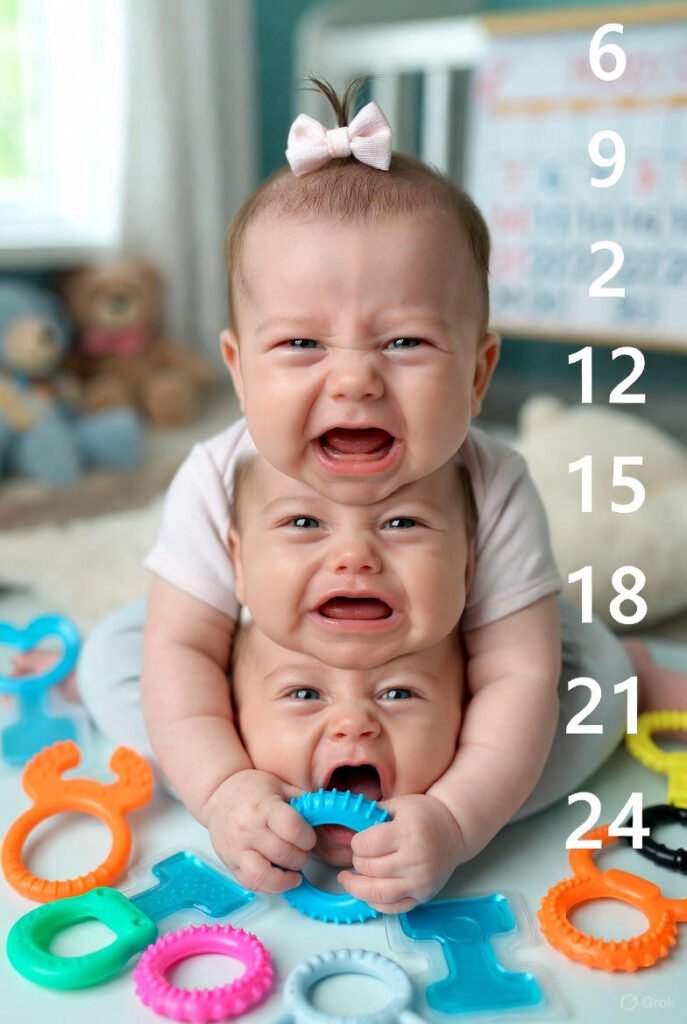
A Baby Teething Timeline refers to the typical chronological order and timeframe in which your baby’s primary teeth emerge through the gums. Most babies begin teething between 4-7 months, but some may start earlier or later. The complete process of getting all 20 primary teeth typically spans from 6 months to around 3 years of age.
The teething timeline generally follows a pattern where the lower central incisors (bottom front teeth) appear first, followed by upper central incisors. Each tooth’s eruption process can take anywhere from 1-7 days, though the discomfort may last longer as teeth shift beneath the gums before breaking through.
Understanding this schedule helps parents anticipate difficult periods and prepare appropriate remedies for their baby’s specific stage of teething.
Why Baby Teething Schedule Matters for Your Baby’s Development
Knowing your Baby Teething Timeline is important for several key developmental reasons:
- Nutritional planning: As teeth emerge, you can adapt feeding practices and introduce appropriate solid foods.
- Speech development: Teeth play a crucial role in speech formation and language development.
- Dental hygiene initiation: Understanding when teeth appear helps establish proper oral hygiene routines early.
- Medical monitoring: Significant deviations from typical teething patterns might indicate developmental concerns.
- Preparation for discomfort: Anticipating teething episodes allows parents to prepare comfort measures proactively.
The teething process also coincides with other developmental milestones, making it an important marker in your baby’s overall growth journey.

- Instant Oral Relief for Teething Babies – Designed to soothe tender gums, Bebecan’s silicone teething sticks provide gentle comfort during every stage of teething, helping calm fussiness naturally
- Safe, Gentle & Durable – Made from premium, BPA-free food-grade silicone, our teething aids are soft on delicate gums yet strong enough for daily use, supporting healthy oral soothing habits
- Easy to Clean & Hygienic – Includes 3 custom cleaning brushes to keep teething sticks thoroughly clean, plus a portable storage bag to ensure hygienic use at home or on the go. Dishwasher safe and heat resistant (-50℃ to 230℃)
- Perfect Fit for Tiny Hands – Lightweight and ergonomically shaped for infants to grip with ease, supporting oral comfort and coordination for babies 36+ months
Common Myths About Baby Teething Schedule
Many misconceptions surround the baby teething schedule that can lead to unnecessary worry:
Myth 1: Teething causes high fevers
Reality: While teething may cause a slight temperature elevation, high fevers (over 100.4°F) are not caused by teething and should be evaluated by a doctor.
Myth 2: All babies follow the exact same teething timeline
Reality: There’s significant variation in when teeth appear. Some babies get their first tooth as early as 3 months, while others might not until after their first birthday.
Myth 3: Teething causes severe diarrhea
Reality: Mild looser stools might occur due to extra saliva swallowed during teething, but significant diarrhea is not a teething symptom and warrants medical attention.
Myth 4: Later teething means developmental delays
Reality: The timing of tooth eruption varies greatly and typically has no correlation with other developmental milestones.
Myth 5: Teething pain lasts for months continuously
Reality: While the overall process spans years, acute discomfort typically occurs in shorter episodes of several days around each tooth’s emergence.
Essential Items & Supplies for Baby Teething Schedule
Must-Have Products for Baby Teething Schedule
Having the right teething remedies on hand is essential when following your baby teething schedule. Here are the must-haves:
- Teething rings: Silicone or rubber rings provide safe chewing surfaces. Refrigerated (not frozen) teethers offer cooling relief for inflamed gums.
- Mesh feeders: These allow babies to gnaw on cold fruits like chilled cucumber or frozen banana without choking hazards.
- Teething crackers or biscuits: Age-appropriate teething biscuits dissolve easily while satisfying the urge to chew.
- Clean, damp washcloths: Chilled, clean washcloths provide textured relief for sore gums.
- Silicone teething necklaces for parents: These allow supervised chewing while being held or nursed.
- Gum-soothing natural gels: Look for benzocaine-free, natural options with ingredients like chamomile or clove.
These items should be BPA-free, easy to clean, and designed specifically for the teething phase of development.
Optional but Helpful Items
Beyond the essentials, these items can make managing your teething timeline more comfortable:
- Baltic amber necklaces: While scientific evidence is limited, many parents report reduced teething discomfort (use only with supervision and remove during sleep).
- Teething mittens: Silicone-tipped mittens prevent babies from scratching themselves while satisfying their need to chew.
- Vibrating teethers: Gentle vibration can provide additional soothing sensations for inflamed gums.
- Refrigerable teething toys: Specially designed toys that can be chilled for cooling relief.
- Silicone teething spoons: Dual-purpose utensils that allow feeding while providing textured relief.
- Baby-safe essential oil diffuser: Certain oils like lavender may create a calming environment during difficult teething episodes.

- NOTE: All poster prints may vary slightly from what you see on your screen due to the resolution and colour profile of your device. These prints look AMAZING when displayed in a frame or straight on the wall
- QUALITY: The poster is printed on canvasIt is waterproof,moisture proof and hightensile strength.The poster has richprinting color and fine texture
- DECORATION: TOP MODERN! Really eye-catching! Ideal for all modern graphic & photographic designs. Your wall / room gets very special lightness & beauty
- FEATURES: We are good at making canvas posters, making high-quality posters is our pursuit, Different from paper posters, canvas posters have better quality and longer shelf life
- Protected Shipping: Carefully packaged with protective layers to ensure your canvasarrives in perfect condition ready to display
Budget-Friendly Alternatives
Teething relief doesn’t have to be expensive. These cost-effective alternatives work well for managing your baby teething schedule:
- Frozen washcloths: Dampen clean washcloths, twist them slightly, and freeze for 15-30 minutes for free teething relief.
- Chilled metal spoons: Clean, refrigerated (not frozen) metal spoons provide cooling comfort.
- Homemade frozen fruit pops: Pureed fruits in breast milk or formula, frozen in ice cube trays with pacifier handles inserted.
- Finger massage: Clean fingers can gently massage sore gums, providing immediate comfort.
- DIY teething biscuits: Simple homemade recipes using basic ingredients like oats and bananas.
- Repurposed baby toys: Clean, chewable toys your baby already owns can serve double duty for teething.
Guide to Baby Teething Schedule
Preparation Steps
Preparing for your baby’s teething journey before it begins will help you navigate the baby teething schedule with greater confidence:
- Stock your teething toolkit: Gather recommended teething products before symptoms appear.
- Learn the signs: Familiarize yourself with teething indicators like increased drooling, irritability, and gum rubbing.
- Establish dental hygiene routines: Begin cleaning gums with a soft cloth before teeth appear to acclimate your baby.
- Prepare cold foods: For babies on solids, prepare and freeze suitable foods for quick access.
- Create a teething-friendly environment: Designate clean areas where baby can safely explore teething toys.
- Research appropriate pain relief options: Discuss with your pediatrician which over-the-counter remedies are suitable for your baby’s age.
- Prepare night-time strategies: Since teething often worsens at night, plan approaches for sleep disruption.
Implementation Process
Navigate through each stage of the teething timeline with these step-by-step approaches:
- Monitor for early signs: Watch for increased drooling, fussiness, ear pulling, or cheek rubbing.
- Identify the specific painful area: Look for swollen, red gums where teeth may be emerging.
- Offer appropriate teethers: Provide refrigerated (not frozen) teethers or clean washcloths.
- Implement gentle massage: Using a clean finger, apply gentle pressure to sore gums.
- Modify feeding approaches: Offer cold foods for older babies or adjust bottle nipples for comfort.
- Create distraction: Engage baby in activities that divert attention from discomfort.
- Administer approved pain relief: Use pediatrician-recommended medication when necessary, following precise dosing instructions.
- Maintain consistent bedtime routines: Though harder during teething, keeping routines helps maintain sleep patterns.
- Document tooth emergence: Track when each tooth appears to better anticipate future teething episodes.
Troubleshooting Common Issues
Even with preparation, challenges will arise during your baby teething schedule. Here are solutions to common problems:
- Excessive drooling rash: Apply petroleum jelly or appropriate barrier cream to chin and neck; change wet bibs frequently.
- Refusing to eat: Offer cold foods, softer textures, or smaller, more frequent meals during peak teething discomfort.
- Pulling at ears: Distinguish between teething pain and ear infections by checking for fever or other symptoms.
- Disrupted sleep: Implement extra comfort measures before bedtime; consider co-sleeping safely if approved by your pediatrician.
- Teething and illness overlap: Contact your pediatrician if symptoms include high fever, significant diarrhea, or pronounced lethargy.
- Biting during breastfeeding: End feeding sessions when biting occurs and offer alternative teething relief.
- Delayed tooth eruption: Consult with a pediatric dentist if no teeth have appeared by 18 months.

- In the color options, you can choose a framed style and unframe style. Order according to your needs.
- If you like other posters , please go to my shop search.
- HIGH-QUALITY MATERIALS:The poster made of high-density canvas, which makes the picture full of color, lifelike, and does not fade.
- ABOUT THIS PRODUCT: Our canvas poster is made of waterproof canvas printing, please do not wipe with a wet cloth just use plush products to gently dust off.and please allow some color difference.
- Suitable for rooms, living rooms, kitchens, bathrooms and other environments, but also the best gift for family, friends, classmates and teachers
Top 5 Benefits of Baby Teething Schedule for Baby & Parents
Developmental & Health Benefits for Baby
Understanding and tracking the baby teething schedule provides these key benefits:
- Oral development milestone tracking: Teething marks important stages in your baby’s oral development and can help identify potential issues early.
- Nutritional advancement: The emergence of teeth signals readiness for more textured foods, expanding nutritional opportunities.
- Speech development preparation: Teeth placement plays a crucial role in proper speech formation as babies begin forming sounds.
- Immune system development: The teething process, while uncomfortable, helps strengthen the immune response in the oral cavity.
- Jawbone growth stimulation: The process of tooth eruption stimulates proper jaw development and alignment of future permanent teeth.
Advantages for Parents
Parents also benefit from understanding the teething timeline:
- Reduced anxiety: Knowing what to expect and when normalizes the experience and reduces parental worry.
- Proactive preparation: Parents can prepare appropriate remedies before acute teething episodes begin.
- Enhanced bonding: Comforting a teething baby creates additional opportunities for physical contact and emotional connection.
- Improved response time: Recognizing teething symptoms quickly allows for faster comfort measures.
- Better distinction between teething and illness: Understanding normal teething symptoms helps parents identify when other medical attention might be needed.
- Easier scheduling: Parents can plan important events or travel around predicted difficult teething periods.
Long-Term Impact on Family Wellbeing
The baby teething schedule has lasting effects:
- Established oral hygiene habits: Early attention to teeth creates lifelong dental care routines.
- Prevention of dental problems: Proper care during teething helps prevent early childhood cavities and other issues.
- Positive association with dental care: Compassionate teething care creates more positive associations with future dental visits.
- Increased parental confidence: Successfully navigating teething builds parental self-efficacy for future developmental challenges.
- Family routine stability: Understanding teething patterns helps maintain family rhythms during difficult periods.
- Dental cost savings: Early attention to dental development can prevent costly interventions later.
Expert Tips, Alternative Methods & Age-Specific Advice
Tips for Newborns (0-3 Months)
While active teething typically doesn’t begin until 4+ months, early preparation for the baby teething schedule can be beneficial:
- Begin gum cleaning: Wipe gums with a clean, damp cloth after feedings to establish oral hygiene routines.
- Observe for early teethers: While rare, some babies can begin teething as early as 3 months; watch for telltale signs.
- Introduce appropriate teething toys: Familiarize babies with safe teething objects before acute need arises.
- Learn soothing techniques: Practice comfort measures like gentle gum massage with clean fingers.
- Document early signs: Note increased drooling, fist chewing, or irritability as potential indicators of early teething.
Adjustments for Older Babies & Toddlers (3+ Months)
As babies grow, their teething timeline and needs evolve:
4-7 Months (First Teeth)
- Focus on refrigerated (not frozen) teethers
- Introduce mesh feeders with cold fruits
- Monitor for sleep disruptions
- Consider silicone teething necklaces worn by parents
8-12 Months (Multiple Front Teeth)
- Offer more textured foods for gum stimulation
- Begin using training toothbrushes with appropriate toothpaste
- Implement consistent dental hygiene routines
- Watch for signs of discomfort from multiple teeth emerging simultaneously
12+ Months (Molars Begin)
- Provide stronger teething tools specifically designed for back teeth
- Increase distraction techniques as toddlers become more aware of pain
- Offer cold foods specifically targeting back gums
- Use age-appropriate language to explain teething discomfort
Alternative Methods & Different Parenting Styles
Various approaches can complement traditional methods when managing your baby teething schedule:
Attachment Parenting Approach
- Increased physical contact during teething episodes
- Extended nursing or comfort feeding for soothing
- Babywearing to provide distraction and closeness
- Co-sleeping safely during peak teething periods
Holistic Methods
- Homeopathic teething tablets (consult pediatrician first)
- Diluted chamomile tea on washcloths for gum soothing
- Baltic amber necklaces (always with supervision, never during sleep)
- Gentle massage with diluted clove oil (for babies over 12 months, with pediatrician approval)
Montessori-Inspired Approaches
- Natural wooden teethers
- Self-feeding opportunities with appropriate foods
- Respect for baby’s communication about discomfort
- Environment prepared with accessible teething relief
Conclusion
Navigating your baby teething schedule is one of parenting’s universal challenges, but with preparation and knowledge, you can make this developmental milestone more manageable. Remember that each baby’s teething journey is unique – some will sail through with minimal discomfort, while others may need extra support and comfort measures.
The key takeaways for managing your baby’s teething timeline include:
- Recognize and respond to your baby’s specific teething signs early
- Have appropriate teething remedies ready before they’re needed
- Understand the typical progression of tooth eruption, while allowing for individual variation
- Distinguish between normal teething symptoms and signs that require medical attention
- Maintain consistent oral hygiene practices from the beginning
Most importantly, remember that teething is temporary. Though it may seem endless during difficult periods, each tooth will eventually emerge, and the acute discomfort will subside. The baby teething schedule is just one chapter in your parenting journey – approach it with patience, preparation, and plenty of cuddles.
Have you found creative ways to soothe your teething baby? Share your experience with baby teething in the comments below! For more comprehensive baby care guidance, explore our related article on baby care tips for new parents.
FAQs
When should I expect my baby’s first tooth according to the baby teething schedule?
Most babies get their first tooth between 4-7 months of age, typically one of the bottom front teeth (lower central incisors). However, the baby teething schedule varies significantly from child to child. Some babies may get their first tooth as early as 3 months, while others might not see one until after their first birthday. Around 1% of babies are even born with a tooth! The timing is largely determined by genetics, so looking at when parents and siblings got their first teeth can provide clues.
If your baby hasn’t gotten any teeth by 18 months, it’s worth discussing with your pediatrician or a pediatric dentist, though this is usually still within normal range. Remember that early or late teething generally has no correlation with intelligence or overall development.
What are the most effective remedies for pain according to the baby teething schedule?
The most effective remedies for teething pain vary based on your baby’s age and preferences, but several proven options can help throughout the baby teething schedule. Cold therapy is particularly effective – offer refrigerated (not frozen) teething rings, clean damp washcloths that have been chilled, or mesh feeders with frozen breast milk or fruit for babies on solids. Counter-pressure also provides relief, whether through gentle gum massage with a clean finger or appropriate teething toys.
For more significant discomfort, pediatrician-approved pain relievers like infant acetaminophen or ibuprofen (for babies over 6 months) can help, especially before bedtime when teething pain often intensifies. Distraction techniques, increased physical comfort through holding or babywearing, and maintaining regular feeding and sleeping routines also help manage teething discomfort. Always avoid teething gels containing benzocaine, amber necklaces during sleep, and homemade remedies containing alcohol or excessive herbs.
How can I tell if my baby is teething or sick when following the baby teething schedule?
Distinguishing between teething and illness can be challenging since symptoms overlap, but understanding your baby teething schedule helps identify the likely cause. Teething typically causes mild symptoms that come and go, including drooling, irritability, gum-rubbing, cheek-rubbing, and possibly slight temperature elevation (below 100.4°F/38°C).
You might also notice your baby gnawing on objects, having disrupted sleep, or experiencing decreased appetite. In contrast, illness often includes more pronounced symptoms like high fever (above 100.4°F/38°C), severe or persistent diarrhea, vomiting, pronounced lethargy, significant appetite loss, or respiratory symptoms like coughing or congestion.
Another clue: teething discomfort often improves temporarily with distractions or teething remedies, while illness symptoms typically persist regardless of these interventions. When in doubt about whether symptoms are from teething or illness, especially with fever or significant behavior changes, consult your pediatrician for proper evaluation.
In what order do babies’ teeth typically appear according to the baby teething schedule?
The typical baby teething schedule follows a relatively predictable pattern, though timing varies between babies. Usually, the first teeth to emerge are the lower central incisors (bottom front teeth) around 6-10 months, followed by the upper central incisors (top front teeth) at 8-12 months. Next come the lateral incisors (teeth beside the front teeth) – upper ones at 9-13 months and lower ones at 10-16 months.
The first molars typically appear between 13-19 months, with upper molars often preceding lower ones. Canines (the pointed teeth) usually emerge between 16-22 months, with upper canines generally appearing first. Finally, the second molars complete the set of 20 primary teeth, usually emerging between 23-33 months.
Remember that teeth often emerge in pairs, and it’s common to see some variation from this sequence. Some babies experience teeth “erupting” in clusters with breaks in between, while others might have a more continuous teething process throughout the typical teething timeline.
How long does each tooth typically take to emerge during the baby teething schedule?
The actual emergence process for each tooth during your baby teething schedule typically spans 1-8 days per tooth, though discomfort can be experienced for longer. Before visible emergence, parents may notice swollen, tender gums where the tooth is developing beneath the surface. During the active cutting phase, when the tooth breaks through the gum tissue, babies often experience the most pronounced discomfort, typically lasting 3-5 days.
However, the entire process from when a tooth begins moving beneath the gums until it fully emerges can span several weeks. Different types of teeth may emerge at different rates – incisors often cut through relatively quickly, while molars, with their larger surface area, may take longer and cause more significant discomfort.
The good news is that while the entire teething process spans roughly 2.5 years, the acute discomfort occurs in shorter episodes around each tooth’s emergence rather than continuously throughout the entire teething timeline. Many parents report that the first teeth and molars tend to cause the most noticeable discomfort during the teething process.