This post may contain Affiliate links. If you buy anything via the link, I will earn a small commission without any effect on your payment. Thank you for your support.
Introduction
Did you know that drowning is the leading cause of unintentional injury death among children aged 1-4 years? This sobering statistic highlights why baby water safety should be a top priority for every parent and caregiver. Whether it’s bath time, pool days, or beach outings, understanding how to keep your little one safe around water is absolutely crucial. As parents, we want our children to enjoy water experiences while staying protected from potential dangers.
In this comprehensive guide, we’ll explore everything you need to know about baby water safety – from essential precautions and must-have equipment to age-appropriate activities and expert recommendations. We’ll also dispel common myths and provide practical tips that you can implement immediately. By the end, you’ll feel confident in creating safe water experiences for your precious little one.
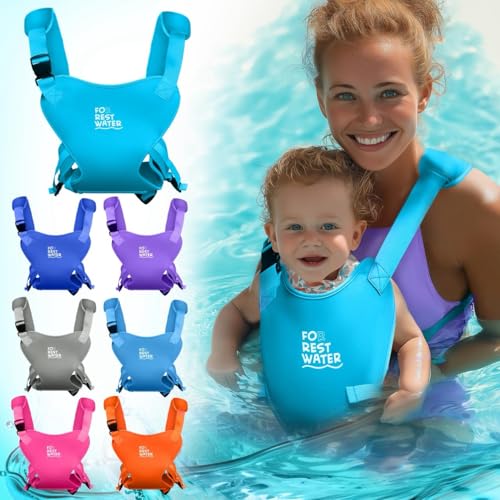
- Key Benefits Perfect for Babies & Toddlers (4-24 Months): Designed to comfortably and securely carry children from 4 to …
- Enhanced Thermal Protection in Water: Crafted from professional-grade neoprene, our carrier provides superior thermal in…
- Safe for Quick Water Immersion: The neoprene material helps maintain your baby’s body temperature during brief dips in t…
- Secure Family Water & Land Fun: Enjoy worry-free splashing and playing! Our ergonomic design and strong, adjustable buck…
- Effortless & Adjustable Wear: Designed for your convenience, this carrier is quick to put on and easily adjusts to diffe…
- Lightweight & Travel-Friendly: Compact and easy to transport with the included pouch, making it a perfect companion for …
- Easy-to-Wear, T-Shirt Style: Put it on in seconds! This baby chest holder is designed to be worn like a T-shirt and save…
- Color Options: Available in multiple trendy colors to match your swimwear or outdoor gear. This baby carrier isn’t just …
Understanding Baby Water Safety – What Every Parent Should Know
What is Baby Water Safety?
Baby water safety encompasses all preventive measures, supervision practices, and educational approaches designed to protect infants and young children from water-related accidents. It includes constant adult supervision, use of appropriate safety equipment, proper barrier systems around pools, water competency skills, and emergency response knowledge. Unlike older children, babies have underdeveloped neck muscles and reflexes, making them especially vulnerable around water. Even just a few inches of water can pose a danger to infants, which is why comprehensive safety protocols are essential in any environment where water is present – from bathtubs to backyard pools, beaches to lakes.
Effective baby water safety requires multiple layers of protection working together, rather than relying on a single safety measure. This “layers of protection” approach ensures that if one safety system fails, other safeguards are in place to prevent tragedy.
Why Baby Water Safety Matters for Your Baby’s Development
While protecting your child from water hazards is paramount, baby water safety also plays a positive role in your child’s development. When babies feel secure in water environments, they can enjoy the numerous developmental benefits water exposure offers:
- Physical development: Water activities strengthen muscles, improve coordination, and enhance balance
- Sensory stimulation: The feeling of water provides unique sensory input beneficial for neural development
- Cognitive growth: Safe water play encourages exploration and problem-solving
- Emotional well-being: Positive water experiences build confidence and reduce water-related fears
Studies show that early, positive water experiences through infant swimming programs can contribute to advanced cognitive and physical development. However, these benefits can only be realized when strict safety protocols are followed.
Common Myths About Baby Water Safety
Several misconceptions about baby water safety persist, potentially putting children at risk:
Myth 1: Drowning is noisy and obvious.
Reality: Drowning is often silent and quick, occurring in as little as 20-60 seconds without splashing or calls for help.
Myth 2: Floaties and water wings provide adequate protection.
Reality: These toys create a false sense of security and are not safety devices. They can deflate, slip off, or position children vertically in the water, increasing drowning risk.
Myth 3: Infant swimming lessons make babies “drown-proof.”
Reality: No child is truly “drown-proof.” While water familiarity and basic skills are beneficial, constant supervision remains essential regardless of swimming ability.
Myth 4: Good parents don’t need pool fences if they watch their children.
Reality: Even vigilant parents can be distracted momentarily. Physical barriers provide crucial backup protection when supervision lapses.
Myth 5: Bath seats and rings eliminate the need for constant supervision.
Reality: These devices can tip over or allow babies to slip underwater. They are aids, not substitutes for hands-on supervision.

- Joyful Swimming Time: Baby pool float comes with squeaky octopus, sparkly dolphin and fun seaweed bells, well attract ba…
- Removable & Adjustable Canopy: Baby floaties 6-12 months with UPF50+ sun canopy, protect baby’s delicate skin from stron…
- 360° Comprehensive Protection: Baby’s safety is always the top priority. This baby float with canopy adds dual air chamb…
- More Safe & Convenient: The toddler floaties is made of high-quality PVC material, meet international toy standards. Non…
- Ideal Summer Gift for Kids: This pool floats kids are designed for 6-36 months old, weight under 50 lbs babies, help to …
Essential Items & Supplies for Baby Water Safety
Must-Have Products for Baby Water Safety
These essential items form the foundation of a comprehensive baby water safety strategy:
Infant Life Jackets: Look for Coast Guard-approved life jackets specifically designed for infants with head support, crotch strap, and grab handle.
Bath Thermometer: Prevents scalding by ensuring water temperature remains between 98-100°F (36.5-37.8°C).
Non-Slip Bath Mat: Reduces sliding risks during bathing with secure suction cups and textured surface.
Pool Fence: A minimum 4-foot tall, self-closing, self-latching barrier that completely surrounds the pool.
Door and Window Alarms: Alerts when doors or windows leading to water areas are opened unexpectedly.
Toilet Locks: Prevents curious toddlers from accessing toilet water, which poses a drowning hazard.
Swim Diapers: Contains waste while allowing movement during infant swimming activities.
| Product | Primary Function | Age Range | Replacement Frequency |
|---|---|---|---|
| Infant Life Jacket | Flotation support | 0-30 lbs | Check before each season |
| Bath Thermometer | Prevent scalding | All ages | 1-2 years |
| Non-slip Bath Mat | Prevent slipping | All ages | When suction weakens |
| Pool Fence | Physical barrier | All ages | Inspect annually |
| Door/Window Alarms | Alert to access | All ages | Test monthly, replace batteries |
| Toilet Locks | Prevent access | 6-36 months | When damaged or loose |
| Swim Diapers | Hygiene | 0-3 years | Single use or wash after each use |
Optional but Helpful Items
While not absolutely essential, these items enhance baby water safety and convenience:
- Pool Alarms: Detect unexpected water entry with surface wave or subsurface detection technology
- Bath Spout Covers: Protect babies from bumping against hard faucets
- Baby Neck Floats: Support supervised water acclimation (never as a substitute for adult supervision)
- Waterproof Baby Monitor: Allow monitoring during quick bathroom breaks while baby naps
- CPR Mask and First Aid Kit: Essential for emergency response
- Swim Lessons Props: Colorful toys that encourage infant swimming skills development
Budget-Friendly Alternatives
Creating a safe water environment doesn’t have to break the bank:
DIY Pool Barriers: Use tension-mounted baby gates as temporary measures while saving for permanent fencing.
Supervision Schedule: Coordinate with other parents or family members for designated “water watcher” duties during gatherings.
Repurposed Bath Supports: Clean foam pool noodles can provide bath support when cut and secured properly.
Free Water Safety Resources: Many communities offer free CPR classes, water safety education, and even reduced-cost infant swimming lessons through local health departments.
Secondhand Safety Equipment: While some items (like life jackets) are best purchased new, gently used bath supports and pool toys can be safely sanitized and reused.
Guide to Baby Water Safety

Preparation Steps
Before engaging in any water activities with your baby, thorough preparation is essential:
Learn infant CPR and water rescue techniques
- Take certified courses specifically covering infant procedures
- Post emergency action plans near water areas
- Practice emergency responses regularly
Create multiple layers of protection
- Install proper barriers around all water sources
- Implement door alarms and locks
- Remove access to standing water when not in use
Establish clear supervision protocols
- Designate a “water watcher” with no other distractions
- Use touch supervision (staying within arm’s reach)
- Never rely on older children to supervise
Check all equipment before use
- Ensure life jackets fit properly and are Coast Guard-approved
- Test alarms and latches weekly
- Inspect pool covers and barriers for damage
Prepare the water environment
- Adjust water temperature to safe levels (98-100°F for baths)
- Remove hazards and entrapment risks
- Have towels and warm clothes ready
Implementation Process
Follow these step-by-step instructions for implementing baby water safety practices:
For bath time safety:
- Gather all supplies before starting
- Fill tub with 2-4 inches of water
- Test temperature with thermometer and elbow
- Never leave baby unattended even for a moment
- Empty tub immediately after use
For pool safety:
- Apply proper-fitting Coast Guard-approved life jacket
- Maintain constant touch supervision (within arm’s reach)
- Limit water sessions to 10-15 minutes for infants
- Monitor for signs of cold (shivering, blue lips)
- Practice gentle water introduction with positive reinforcement
For infant swimming lessons:
- Choose classes emphasizing safety and parent participation
- Verify instructor certifications and safety protocols
- Support baby with proper holds (under head/neck and bottom)
- Follow age-appropriate progression of skills
- Reinforce skills regularly between formal lessons
For beach or natural water safety:
- Select designated swimming areas with lifeguards
- Check water conditions and weather forecasts
- Bring shade protection and sun safety supplies
- Maintain constant supervision even in shallow water
- Be aware of changing conditions (tides, currents)
Troubleshooting Common Issues
Even with careful planning, challenges can arise. Here are solutions to common baby water safety issues:
Problem: Baby fears water after negative experience
Solution:
- Return to gentle water introduction with positive reinforcement
- Try warm water exposure outside the bathtub first (wet washcloths)
- Use favorite toys and songs as distractions
- Consider professional infant swimming instructors experienced with water-hesitant babies
Problem: Baby consistently removes swim diapers
Solution:
- Try different brands or styles with better fit
- Use swim diaper covers over regular swim diapers
- Consider one-piece swimwear with integrated swim diaper
- Dress in rash guard suit over swim diaper for added security
Problem: Difficulty maintaining constant supervision
Solution:
- Use designated “water watcher” tags to assign clear responsibility
- Set phone timers for supervision shift changes
- Implement a buddy system among adults
- Consider hiring professional supervision for large gatherings
Top 5 Benefits of Baby Water Safety for Baby & Parents

Developmental & Health Benefits for Baby
Implementing comprehensive baby water safety practices offers these significant advantages:
Enhanced Physical Development
Early water exposure through safe infant swimming strengthens core muscles, improves coordination, and develops better balance. Pediatric research indicates that babies who participate in water activities often achieve motor milestones earlier than non-swimming peers.Improved Cognitive Function
The sensory stimulation of water engages multiple brain pathways simultaneously. The combination of tactile sensation, movement adaptation, and environmental awareness creates rich neural connections that support cognitive development.Better Sleep Patterns
The gentle exercise and sensory input from supervised water activities often lead to improved sleep quality and duration. Many parents report that bath time or pool sessions help establish more consistent sleep routines.Reduced Fear Response
Babies who have positive, safe water experiences from an early age typically develop less water anxiety and fear. This emotional resilience translates to greater confidence in various aquatic environments as they grow.Foundation for Lifelong Safety Skills
Early implementation of baby water safety practices lays groundwork for future water competency. While not a substitute for supervision, these early experiences create a framework for more advanced safety skills later.
Advantages for Parents
Parents also benefit significantly from implementing thorough baby water safety practices:
- Reduced Anxiety: Knowing you have multiple safety systems in place provides peace of mind during water activities
- Quality Bonding Time: Safe water play creates special moments of connection between parent and child
- Community Building: Infant swimming classes and water safety courses connect you with like-minded parents
- Increased Confidence: Mastering safety protocols empowers parents to handle various situations capably
- Long-term Cost Savings: Prevention through safety measures avoids the emotional and financial costs of accidents
Long-Term Impact on Family Wellbeing
The benefits of baby water safety extend far beyond infancy:
Foundation for Active Lifestyle: Families who prioritize water safety tend to maintain aquatic activities throughout childhood and beyond, promoting lifelong fitness.
Enhanced Family Recreation Options: Confidence in water safety opens opportunities for vacations, activities, and experiences that might otherwise be avoided.
Safety Culture Transfer: Children raised with strong water safety practices typically implement these same protective measures with their own children, creating generational safety habits.
Stress Reduction During Water Activities: Rather than constant anxiety during beach or pool visits, families can enjoy these experiences with appropriate vigilance balanced with pleasure.
Community Safety Impact: Families educated in baby water safety often become advocates, raising awareness and potentially preventing accidents beyond their immediate family.
Expert Tips, Alternative Methods & Age-Specific Advice
Tips for Newborns (0-3 Months)
This earliest stage requires special considerations for baby water safety:
Bath Safety Foundations
- Use a dedicated baby bathtub with non-slip surface
- Fill with only 1-2 inches of warm water
- Support head and neck constantly
- Wash face and head last to prevent chilling
Introducing Water Sensations
- Begin with gentle wipe-downs using warm washcloths
- Gradually progress to partial immersion
- Use calm, reassuring voice throughout
- Limit bath time to 5-10 minutes
Environmental Controls
- Maintain bathroom temperature at 75-80°F
- Eliminate drafts that could chill wet skin
- Keep emergency supplies (towels, clean clothes) within reach
- Consider bath thermometers for consistent temperature
While formal infant swimming lessons are not recommended at this age, gentle water introduction lays important groundwork for future water confidence.
Adjustments for Older Babies & Toddlers (3+ Months)
As babies develop, baby water safety practices should evolve:
4-6 Months:
- Begin gentle pool introduction with parent-baby classes
- Support baby in horizontal back float position
- Implement consistent verbal cues before water exposure
- Maintain water temperature 84-86°F for comfort
6-12 Months:
- Introduce structured infant swimming classes with qualified instructors
- Practice assisted back floats and gentle submersion after cues
- Begin teaching boundary awareness around water
- Install additional home safeguards as mobility increases
12-24 Months:
- Progress to more advanced water familiarization skills
- Teach basic propulsion movements with support
- Implement consistent rules around water access
- Increase emphasis on boundary recognition and permission before water entry
24-36 Months:
- Begin formal swim-float-swim sequences with qualified instruction
- Practice simulated emergency response (turning to back)
- Reinforce never swimming alone rule
- Maintain all protective barriers despite increasing skills
Alternative Methods & Different Parenting Styles
Baby water safety can be adapted to various parenting philosophies:
Gentle/Attachment Parenting Approach:
- Focus on positive water experiences without forced submersion
- Emphasize parent-baby connection during water activities
- Progress at baby’s comfort level without pushing
- Consider baby-led infant swimming methods that follow child’s cues
Montessori Approach:
- Create prepared environments that allow safe water exploration
- Use child-sized equipment for increased independence
- Teach practical water safety skills as part of practical life activities
- Emphasize natural consequences with supervised safe exploration
Traditional/Survival Approach:
- Implement structured survival swimming techniques
- Focus on self-rescue skills like floating on back
- Use consistent practice schedules for skill development
- Emphasize disciplined adherence to water rules and boundaries
Cultural Adaptations:
- Incorporate traditional water blessing ceremonies with added safety protocols
- Adapt baby water safety for extended family caregiving structures
- Modify approaches for various housing arrangements (apartment living, multigenerational homes)
- Balance traditional bathing practices with modern safety standards
Conclusion
Baby water safety is not just about preventing accidents—it’s about creating a foundation for a lifetime of positive, confident water experiences. By implementing multiple layers of protection, staying vigilant with supervision, and introducing water skills appropriately, you’re giving your child both protection and opportunity.
Remember these key takeaways:
- Always maintain constant, touch supervision around any water
- Implement multiple physical barriers around water sources
- Begin water familiarity early with positive, gentle experiences
- Learn CPR and emergency response procedures
- Choose age-appropriate infant swimming instruction from qualified professionals
Water can bring immeasurable joy to your family’s life when approached with proper baby water safety measures. The time and resources you invest now in creating safe water environments will pay dividends throughout your child’s life—from confident pool play to peaceful bath times, from beach vacations to potential lifesaving skills.
We encourage you to share your own baby water safety tips in the comments below! What strategies have worked best for your family? What challenges have you overcome? Your experiences might help another parent create a safer environment for their little one.
Pin this guide for future reference as your baby grows and your water activities evolve!
FAQs
At what age can I start infant swimming lessons for my baby?
While baby water safety education can begin from birth with bath time, formal infant swimming lessons are generally recommended starting around 6 months of age. At this stage, babies have better head control and can regulate body temperature more effectively. However, it’s important to understand that early swimming lessons should focus on water acclimation, parent-child bonding, and basic safety skills—not on teaching babies to swim independently.
The American Academy of Pediatrics suggests that while children ages 1-4 may benefit from swimming lessons, these should be viewed as one layer in a comprehensive approach to baby water safety, never as a substitute for constant supervision and barriers. Choose programs specifically designed for infants with instructors certified in infant water safety, maintain realistic expectations, and remember that development varies—some babies may be ready earlier or later than others.
What’s the safest way to bathe my newborn while ensuring proper baby water safety?
Bathing a newborn safely requires meticulous attention to baby water safety principles. First, gather all supplies before starting—including towels, washcloths, gentle soap, clean clothes, and diaper supplies—so you never need to turn away. Use a dedicated baby bathtub with a non-slip surface on a stable countertop or floor, never on raised surfaces. Fill with just 1-2 inches of warm water (98-100°F), testing with both a thermometer and your elbow. Support your baby’s head and neck constantly with one hand in a football hold or using your forearm and hand. Wash from cleanest to dirtiest areas, leaving diaper area for last.
Never leave your baby unattended even for a second—if you must answer the door or phone, wrap baby in a towel and take them with you. After bathing, immediately empty the tub to eliminate standing water hazards. Until the umbilical cord falls off, stick to sponge baths, keeping the cord area dry and clean.
What are the most important baby water safety features to look for in a life jacket?
When selecting a life jacket for baby water safety, always choose one that’s U.S. Coast Guard approved and specifically designed for infants. The most critical features include: a flotation collar that supports the head and keeps it above water; a crotch strap that prevents the jacket from riding up or slipping off; a secure grab handle on the collar for quick retrieval if needed; bright, high-visibility colors that contrast with water; and adjustable straps with quick-release buckles for proper fit and emergency removal.
Ensure the life jacket is sized correctly for your baby’s current weight (not age), with most infant jackets designed for babies under 30 pounds. Test the jacket in shallow water under close supervision to verify it turns your baby face-up and keeps their mouth and nose clear of water. Replace the life jacket if it becomes damaged or waterlogged, and never substitute with inflatable swimming aids or “puddle jumpers,” which are toys, not safety devices. Remember that even with the best life jacket, constant adult supervision remains essential for baby water safety.
How can I make my backyard pool safe for babies and toddlers?
Creating a safe backyard pool environment requires multiple layers of protection for effective baby water safety. Install a permanent, four-sided pool fence at least 4 feet high with self-closing, self-latching gates that open outward and have latches beyond a child’s reach. Add door alarms on all house exits leading to the pool area and consider supplementing with pool surface alarms that detect water disturbance. Remove climbing aids (chairs, tables, storage boxes) from near the fence and keep toys out of the pool when not in use to avoid attracting children. Maintain clear visibility by trimming landscaping around the pool area.
For additional protection, use a rigid, weight-supporting pool cover when the pool isn’t in use (mesh covers don’t provide adequate protection). Create a water safety plan including CPR training, emergency phone access, and rescue equipment. Establish and enforce strict pool rules: no running, no swimming alone, no diving in shallow areas, and no swimming without designated adult supervision. Remember that infant swimming lessons can provide skills but are never a substitute for these protective measures.
What should I do if I find my baby in water and they’re not responsive?
If you discover your baby in water and unresponsive, immediate action is critical. First, remove the baby from water while supporting their head and neck. Call for help immediately—have someone call 911 while you begin first aid, or if alone, perform CPR for 2 minutes before calling.
Place the baby on a firm, flat surface and check for responsiveness by tapping their feet and calling their name. Check for breathing by looking for chest movement and feeling for air from their nose/mouth. If not breathing or only gasping, begin CPR immediately: for infants under 1 year, use 2 fingers to deliver 30 chest compressions (about 1.5 inches deep) at a rate of 100-120 per minute, followed by 2 gentle rescue breaths.
For children over 1 year, use the heel of one hand for compressions. Continue CPR until the baby responds or emergency personnel arrive. Even if the baby seems to recover completely, medical evaluation is essential as secondary drowning can occur hours later. Baby water safety education including CPR training is invaluable—consider taking a course before an emergency occurs.